Thanksgiving
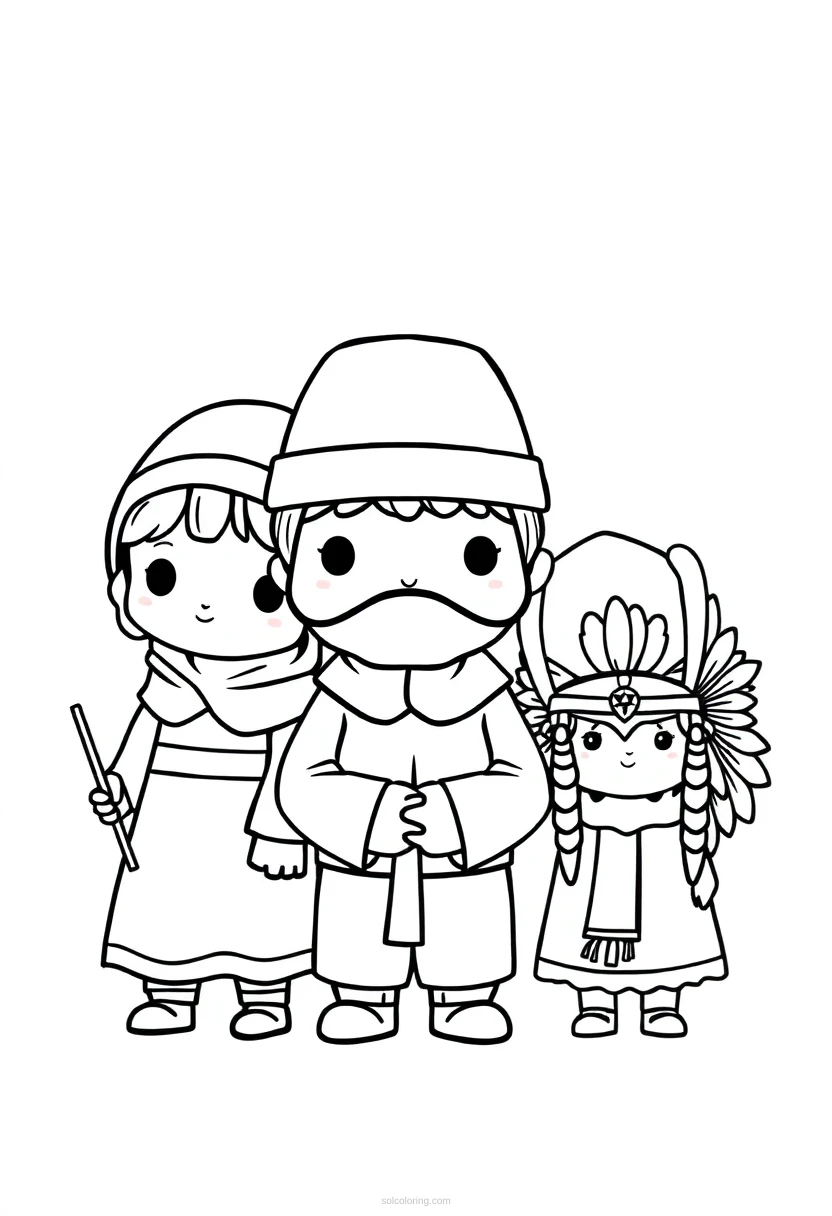
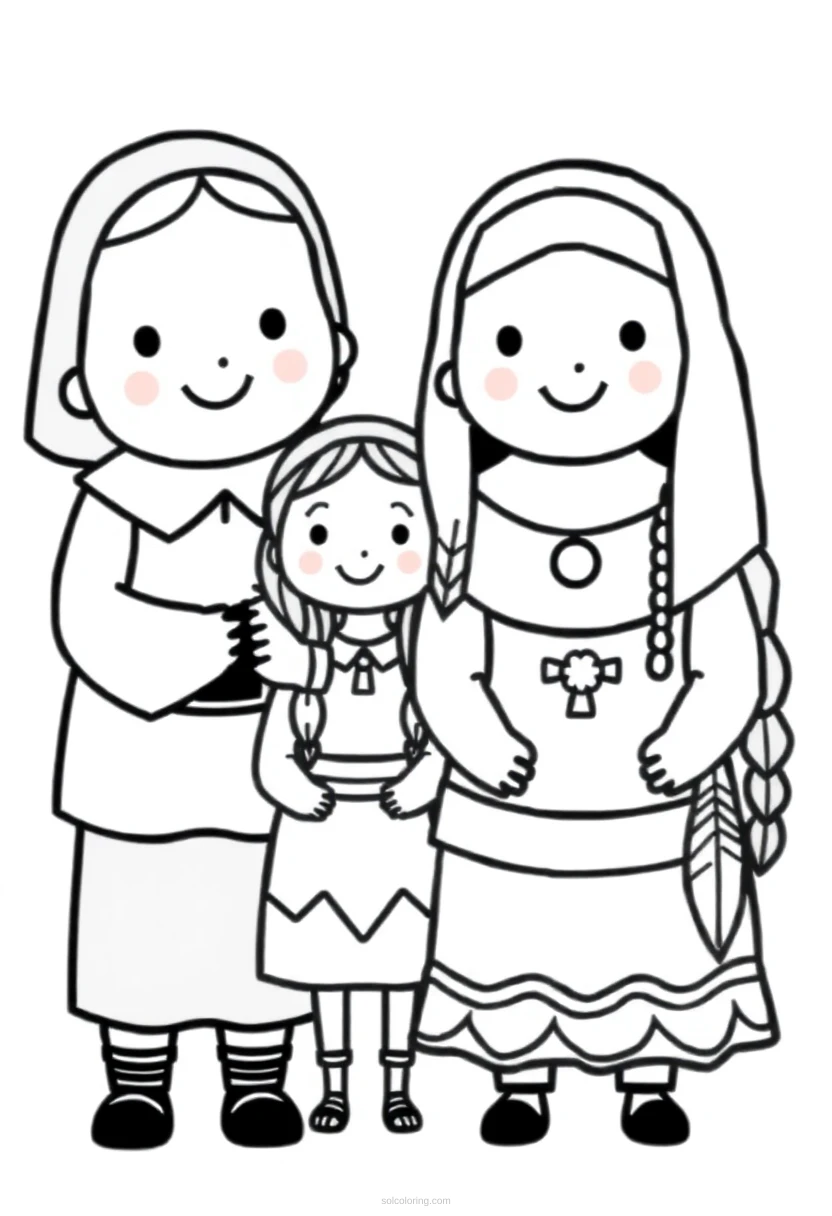
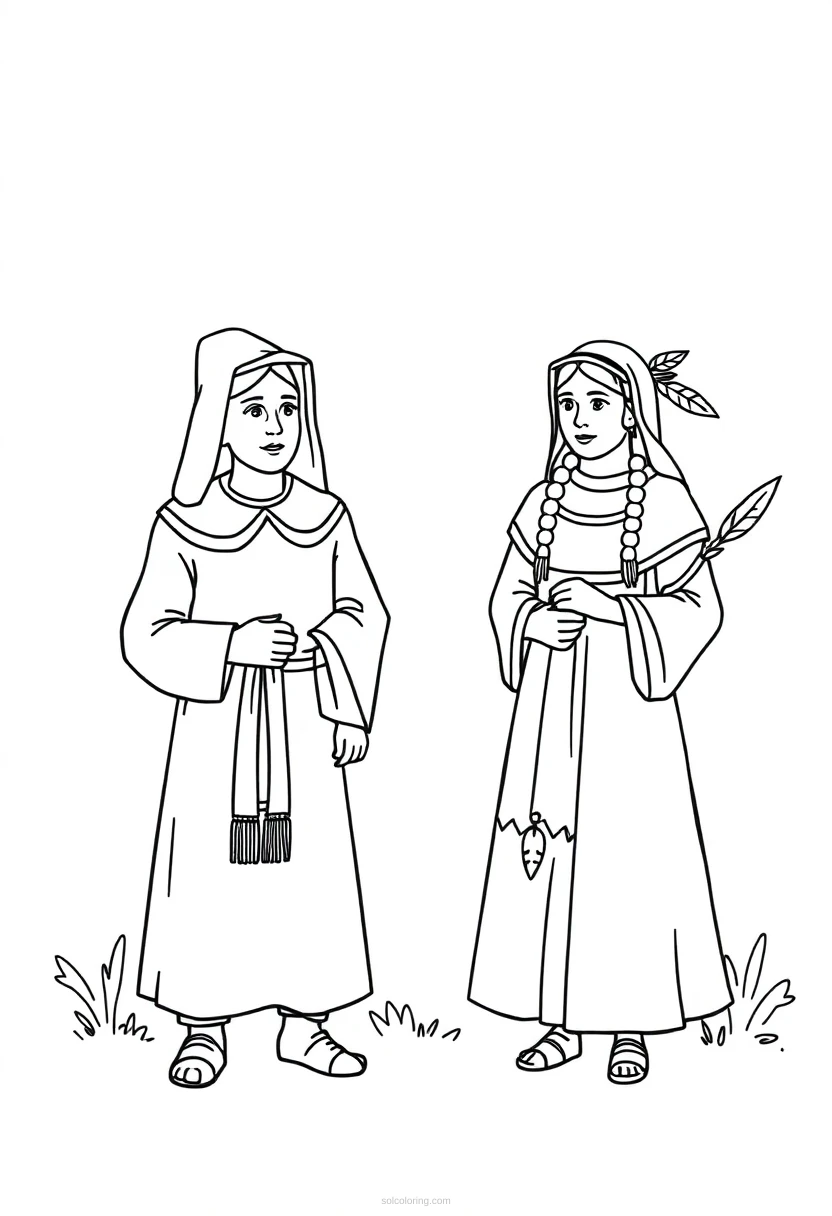
Pilgrims and Native Americans Coloring Pages
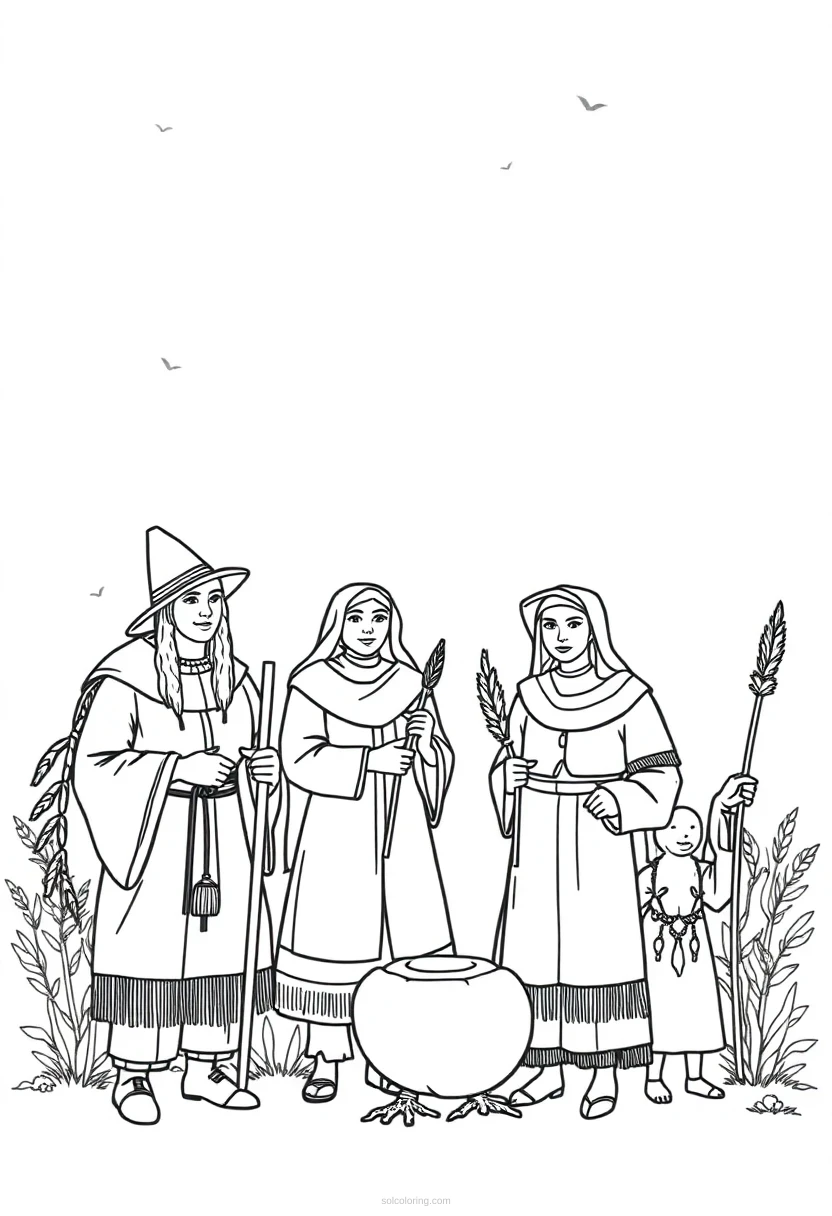
6 free printable designs including Standard, Standard, Standard, Standard and more.
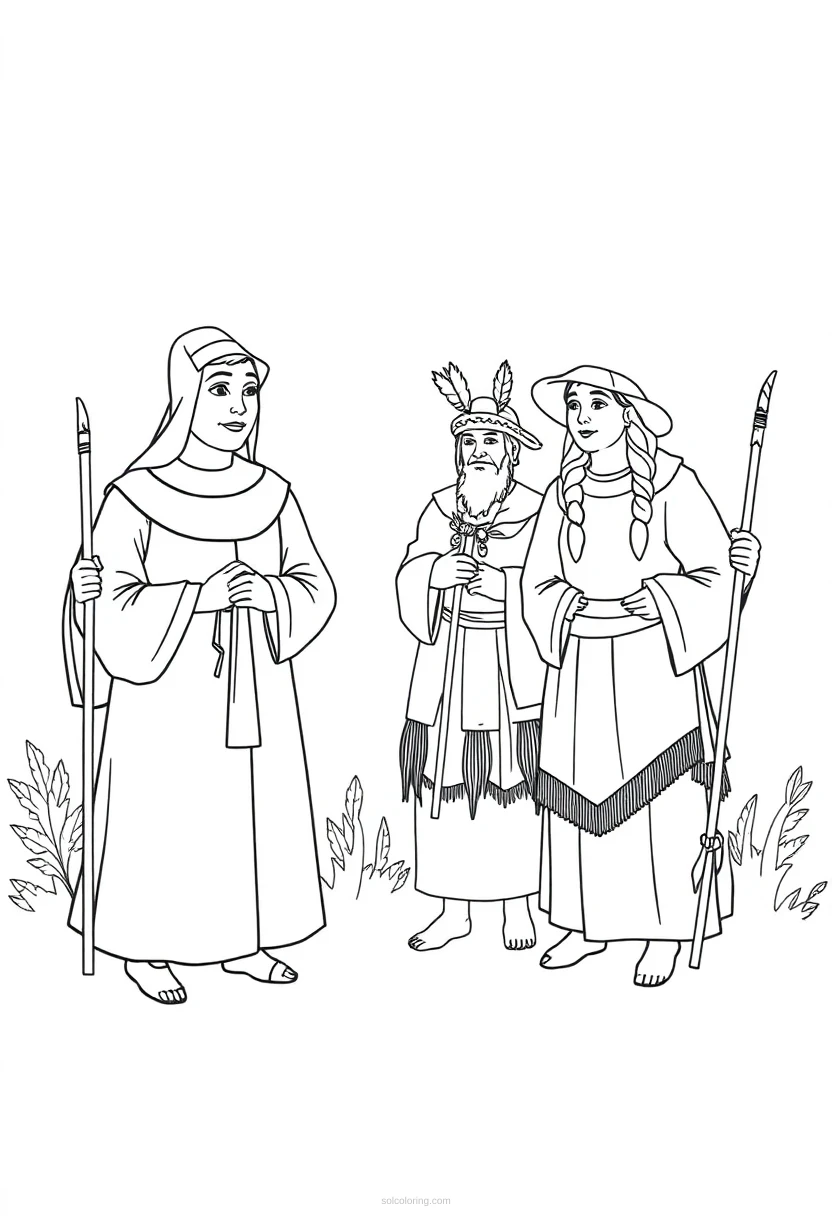
Learn about one of history's most important meetings as you explore free printable coloring pages featuring Pilgrims and Native Americans. This Thanksgiving topic celebrates the encounter between English colonists and the indigenous peoples who first welcomed them to North America. Discover how these two cultures came together in 1620, and color beautiful scenes showing their shared harvest, trade, and early interactions. Our free printable coloring page collection helps you dive deeper into this fascinating historical period while having creative fun. Perfect for understanding Thanksgiving's real story.
Read more →Read less ↑
Choose a style
Did you know?
Fun facts about Pilgrims and Native Americans
The Pilgrims didn't actually land at Plymouth Rock first; they explored Cape Cod for several weeks before settling at Plymouth.
Squanto, the Wampanoag translator who helped the Pilgrims, had been captured and sold into slavery in Europe before returning to America.
The Pilgrims' first winter was so harsh that nearly half their group of 102 colonists died from disease and hunger.
Native Americans had never seen pigs, horses, or chickens before Europeans arrived, as these animals didn't exist in North America.
The word 'Thanksgiving' to describe a harvest celebration wasn't commonly used until Abraham Lincoln made it a national holiday in 1863.
About Pilgrims and Native Americans
Who were the Pilgrims and why did they come to America?
The Pilgrims were English colonists who sailed on the Mayflower in 1620, seeking religious freedom and a chance to start fresh. They left England because they disagreed with the Church of England's practices. After stopping in Holland, they decided to establish their own settlement in North America, creating Plymouth Colony in present-day Massachusetts.
Which Native American tribes helped the Pilgrims survive?
The Wampanoag nation, led by Chief Massasoit, played the crucial role in the Pilgrims' survival. Tribal members like Squanto taught the colonists how to plant corn, catch fish, and gather native foods. Without this generous help and knowledge, the Pilgrims would likely not have survived their first harsh winter in New England.
What did the Pilgrims and Native Americans eat at their first harvest celebration?
Unlike today's Thanksgiving, historians believe the first harvest celebration in fall 1621 featured wildfowl (possibly ducks or geese, not turkey), deer, corn, squash, and shellfish. They also likely enjoyed nuts, berries, and beans. The feast lasted three days and celebrated a successful harvest thanks to the Wampanoag's invaluable farming guidance.
How did Native Americans live before the Pilgrims arrived?
Native Americans had thriving civilizations for thousands of years with advanced agriculture, trade networks, and communities. They grew corn, beans, and squash in a sustainable system called the Three Sisters. They hunted, fished, and gathered foods naturally. Their cultures included rich traditions, art, languages, and governing systems long before European contact.
What happened to Native Americans after the Pilgrims settled?
Sadly, European colonization brought devastating changes for Native Americans. Diseases brought by colonists killed thousands. As more settlers arrived, Native Americans lost their lands and were forced westward. Their cultures and languages were threatened, and they faced discrimination. Today, Native Americans continue to honor their heritage and fight for their rights and sovereignty.
Why is it important to learn the true history of Pilgrims and Native Americans?
Understanding the real story helps us appreciate both the Pilgrims' courage and the Native Americans' generosity, while recognizing the difficult consequences that followed. It teaches us that history is complex and celebrates diverse perspectives. Learning the truth helps us build a more accurate understanding of America's past and create a more respectful, informed future for everyone.
More Thanksgiving coloring pages
Coloring page FAQs
Are these Pilgrims and Native Americans coloring pages free?
Yes, absolutely! All our Pilgrims and Native Americans coloring pages are completely free to download and print. Simply visit Sol Coloring, select your favorite design, and print instantly from home. No signup, no hidden fees, no ads getting in your way. Share these free printable coloring pages with friends and family.
What age are these Pilgrims and Native Americans coloring pages for?
Our Pilgrims and Native Americans coloring pages are designed for ages 8 to 14, with varying difficulty levels. Younger kids enjoy simpler designs with larger spaces, while older kids can tackle detailed historical scenes and intricate patterns. Every skill level finds something fun and educational to color.
How do I print these Pilgrims and Native Americans coloring pages?
Printing is easy and takes just seconds. Download any coloring page, open it on your computer or phone, and hit print. Our pages work perfectly on standard A4 and Letter-size paper using any home printer. No special settings needed. Grab your markers or colored pencils and start creating.