Classic Monsters
Werewolf Transformation Coloring Pages
6 free printable designs including Standard, Standard, Standard, Standard and more.
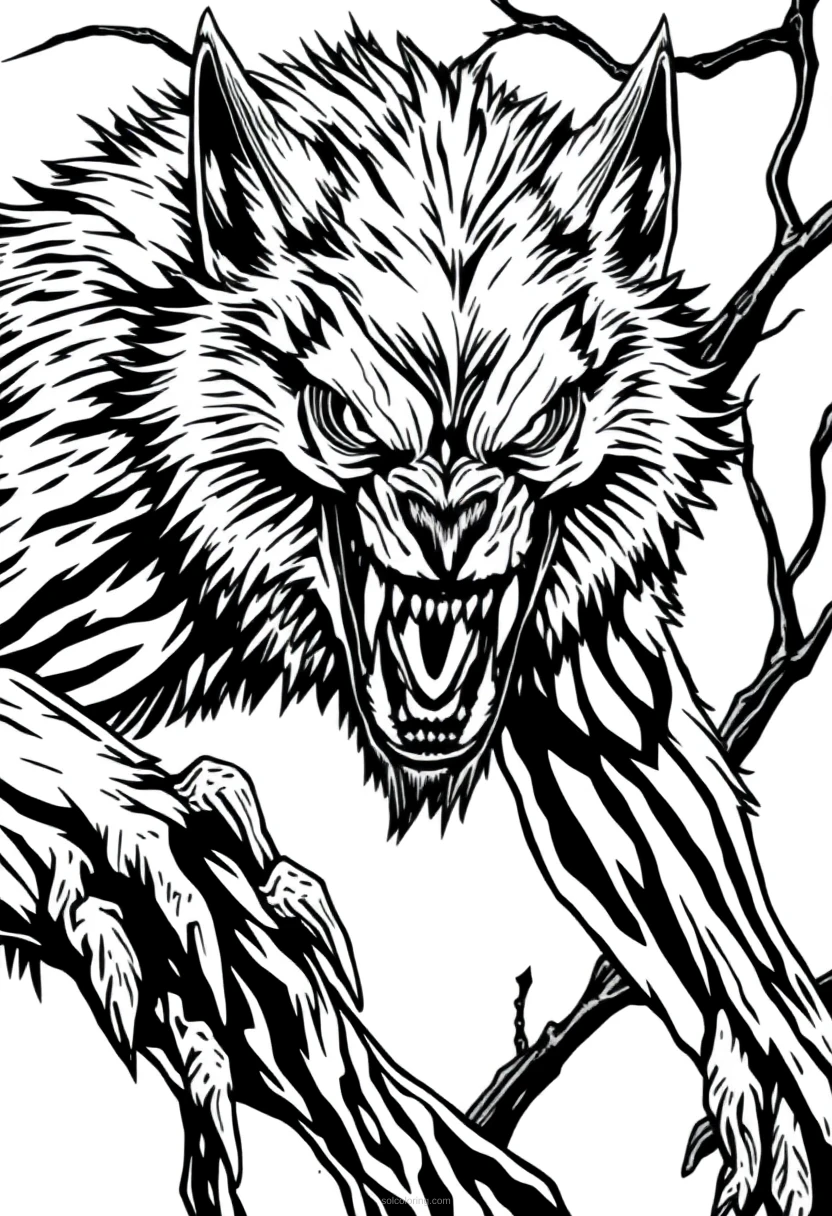
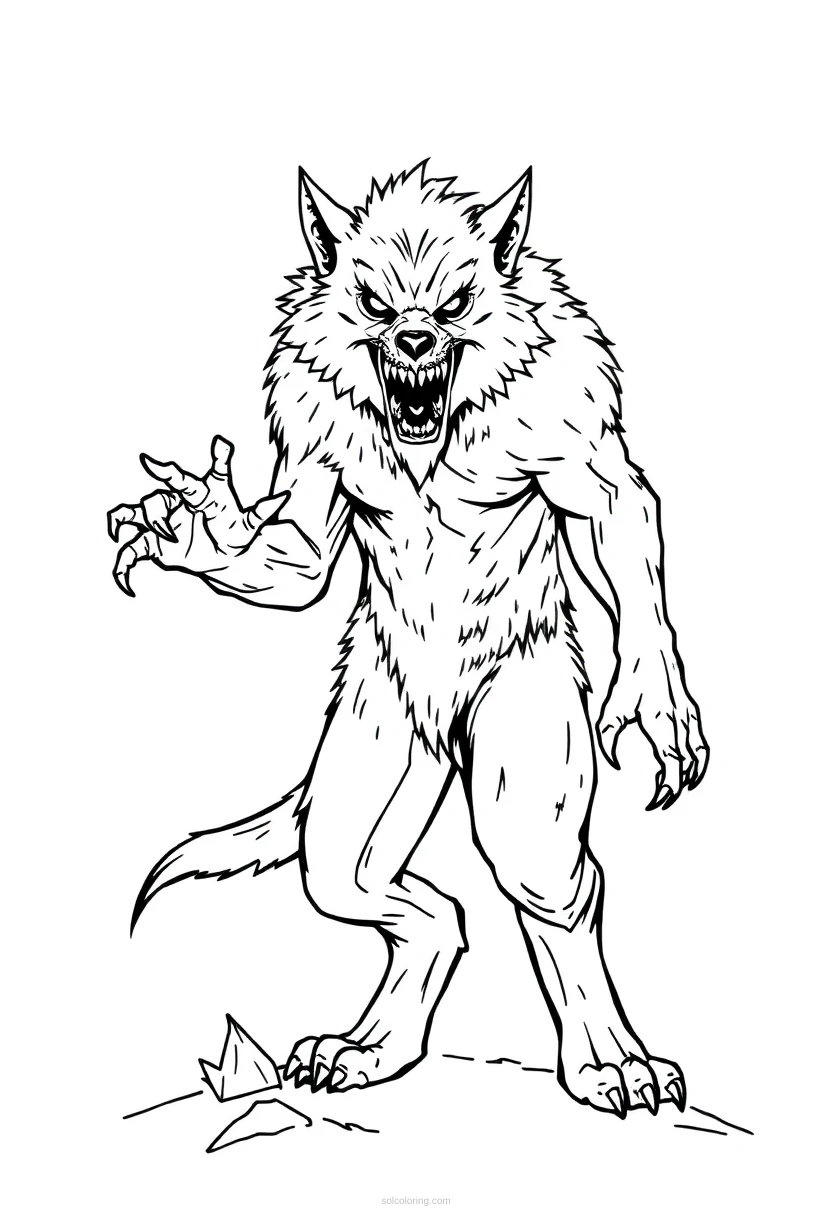
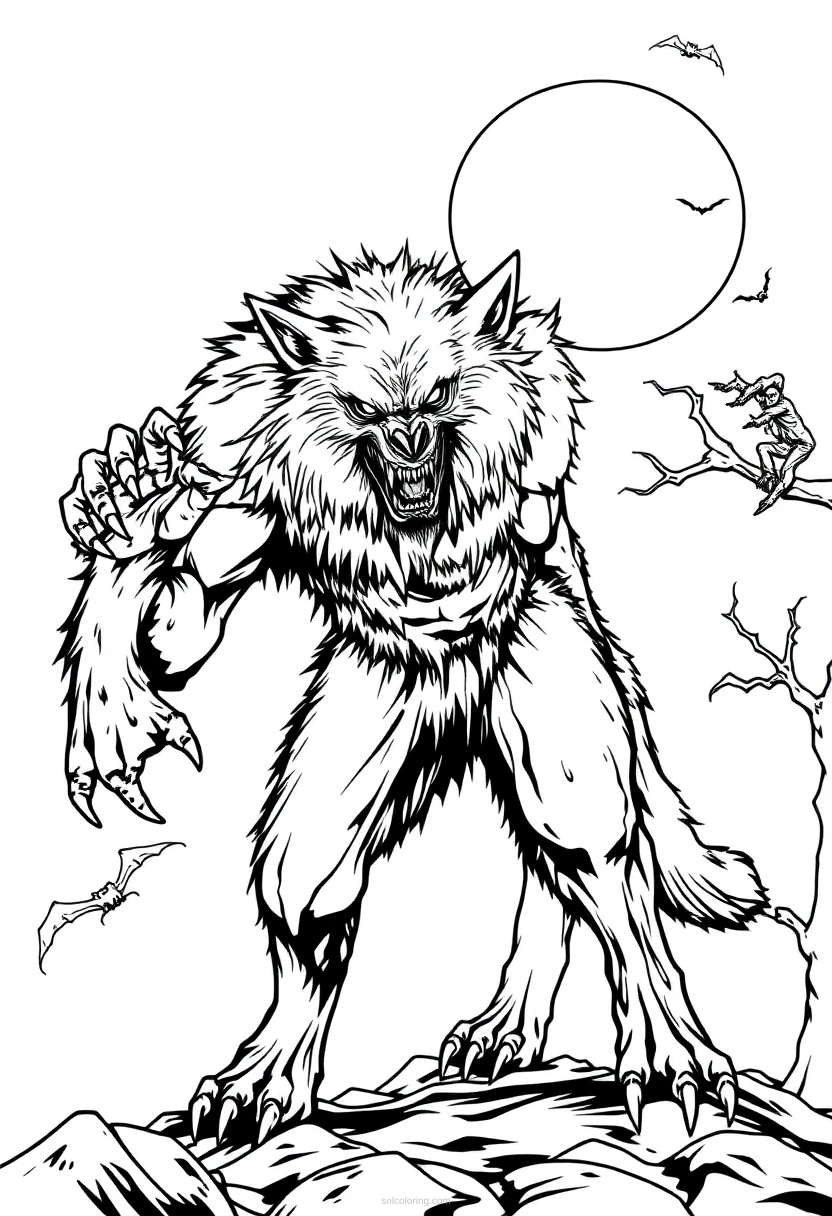
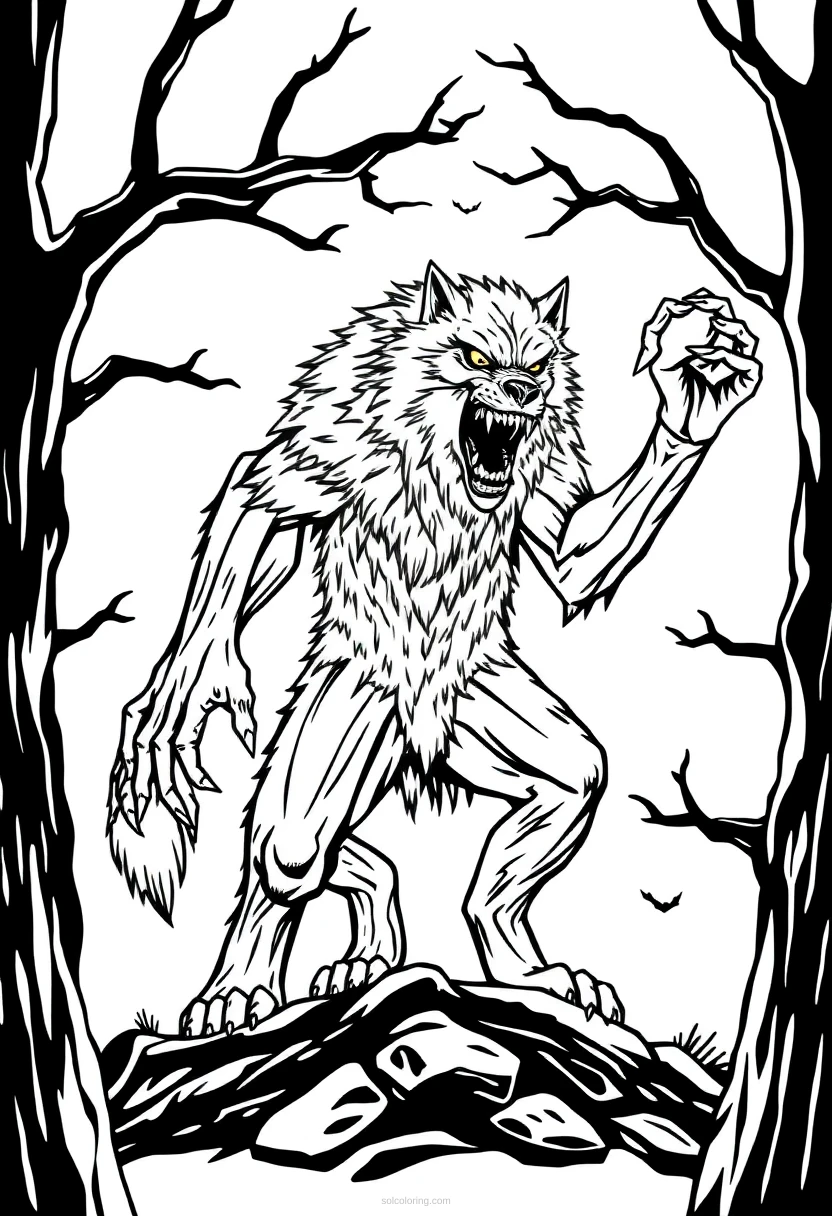
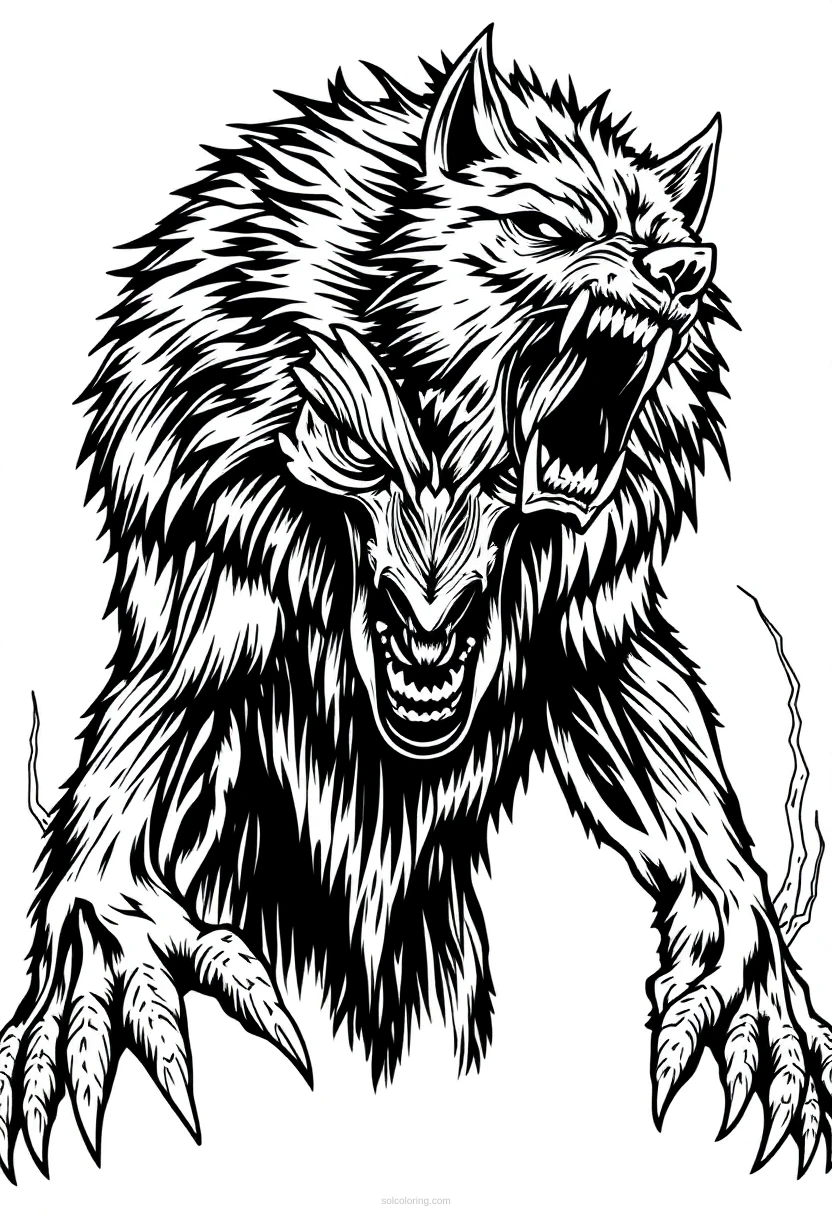
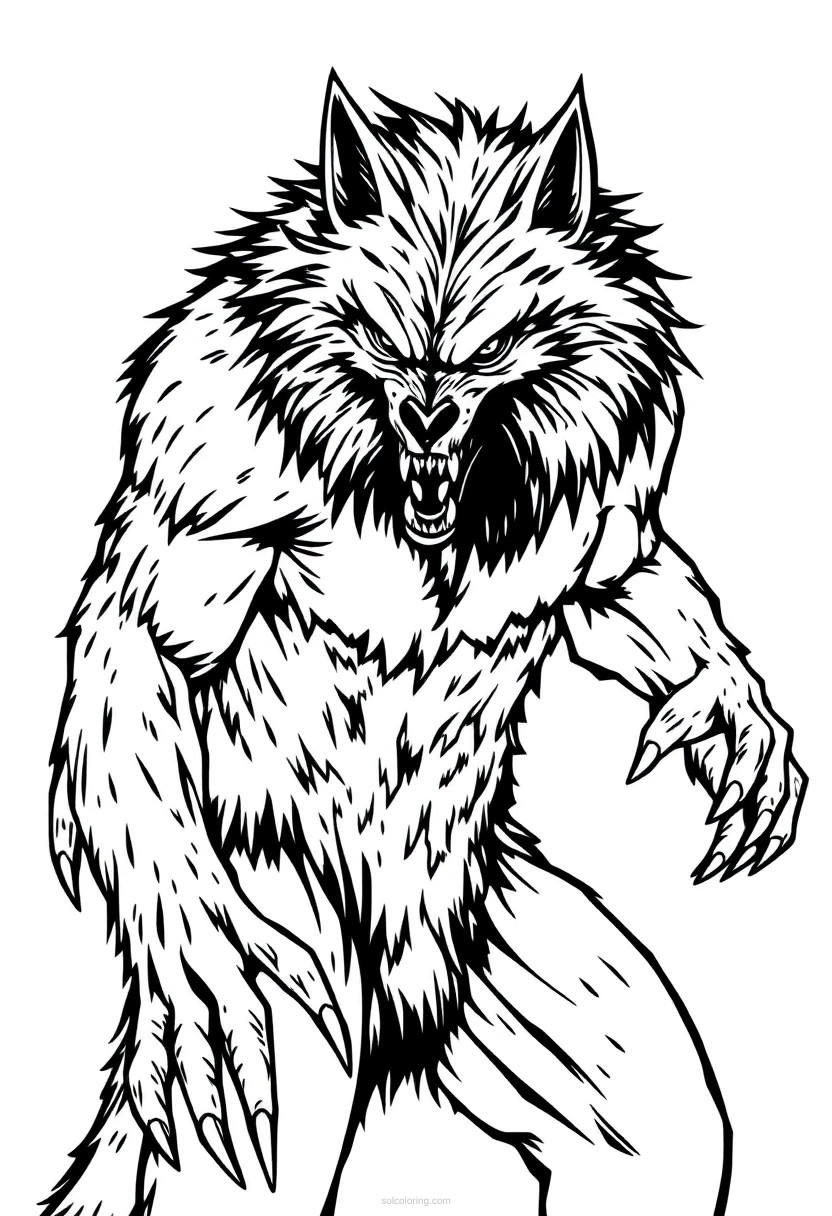
Werewolf transformations have captivated imaginations for centuries, blending human and animal characteristics into one of horror's most iconic monsters. These mystical creatures appear in folklore, movies, and classic literature, representing the struggle between civilization and primal nature. Our free printable coloring page features the dramatic moment of transformation, complete with intricate details perfect for artists who love dark fantasy art. Whether you're interested in classic monsters or gothic themes, this free printable coloring page lets you explore the supernatural through creative expression. Dive into the shadowy world of werewolves and bring this legendary creature to life with your own artistic style.
Read more →Read less ↑
Choose a style
Did you know?
Fun facts about Werewolf Transformation
The medical condition called hypertrichosis causes excessive hair growth across the body, leading some historians to believe these rare cases inspired ancient werewolf legends.
In traditional folklore, being scratched or bitten by a werewolf was believed to transmit the curse to the victim, making the creature contagious like a supernatural disease.
The word 'werewolf' comes from Old English 'wer' meaning man and 'wulf' meaning wolf, literally translating to 'man-wolf' or 'human-wolf' hybrid.
A medieval condition called lycanthropy caused people to believe they were literally transforming into wolves, leading to tragic historical witch hunts and misdiagnoses.
Werewolves appear in the ancient Greek story of King Lycaon, who was transformed into a wolf by Zeus as punishment, making this one of Western literature's oldest monster tales.
About Werewolf Transformation
Where do werewolf legends come from?
Werewolf myths appear across cultures worldwide, from European folklore to Native American traditions. These legends likely originated from encounters with rabid animals, rare medical conditions causing extreme hair growth, or misunderstood wolf attacks. Ancient Greek and Roman writers documented transformation stories, making werewolves one of humanity's oldest monster myths spanning thousands of years.
What triggers a werewolf transformation?
In folklore and fiction, werewolf transformations happen through various triggers: a full moon, curses, magical bites, or hereditary conditions. Modern interpretations vary wildly across books, movies, and games. Some transformations are involuntary and painful, while others are conscious choices. The most famous trigger remains the full moon's mystical pull over the creature's werewolf nature.
What are the physical changes during transformation?
Traditional depictions show dramatic physical changes: bones breaking and reforming, fur sprouting across skin, teeth becoming fangs, and facial features extending into a snout. The transformation appears agonizing, often portrayed with grotesque contortions. Modern special effects in movies make these changes increasingly realistic and disturbing, turning the transformation sequence into the films' most memorable visual element.
How are werewolves defeated or controlled?
Folklore and fiction suggest various methods: silver bullets or weapons, wolfsbane plants, religious symbols, or specific incantations. Some stories claim understanding the human consciousness within helps control the beast. Modern interpretations add scientific approaches like medication or genetic therapy. Each culture and story adapts defeat methods based on their own beliefs about supernatural creatures.
How do werewolves compare to regular wolves?
Werewolves differ significantly from real wolves: they're bipedal, possess human intelligence and speech, and far exceed normal wolf size and strength. Real wolves are social pack animals with complex communication, while fictional werewolves are often solitary and aggressive. Real wolves avoid humans naturally, whereas werewolves represent humans' fear of losing control and becoming dangerous predators themselves.
Why are werewolves popular in modern entertainment?
Werewolves represent universal human fears: loss of control, hidden dangers, and our primal animal nature. They're more relatable than vampires because humans share DNA with animals, making transformation feel almost possible. This monster appears prominently in books, films, and games because the concept taps into deep psychological themes about identity, power, and the beast lurking within civilization.
More Classic Monsters coloring pages
Coloring page FAQs
Are these Werewolf Transformation coloring pages free?
Yes, absolutely! All our coloring pages, including this Werewolf Transformation design, are completely free to download and print. No account signup or payment required. Simply visit Sol Coloring, select your favorite free printable coloring page, and print it directly from your browser using any home printer.
What age are these Werewolf Transformation coloring pages for?
Our Werewolf Transformation coloring pages are designed for ages 8 to 14, with varying difficulty levels. Younger kids enjoy bold outline designs, while older artists appreciate detailed shading opportunities. The dark art style appeals to kids who love classic monsters and fantasy themes.
How do I print these Werewolf Transformation coloring pages?
Printing is simple and straightforward. Download the PDF from Sol Coloring, then open it on your computer. Select your paper size (A4 or Letter), adjust any settings on your home printer, and hit print. No special software or registration needed.