Words
Fruit And Vegetable Words Coloring Pages
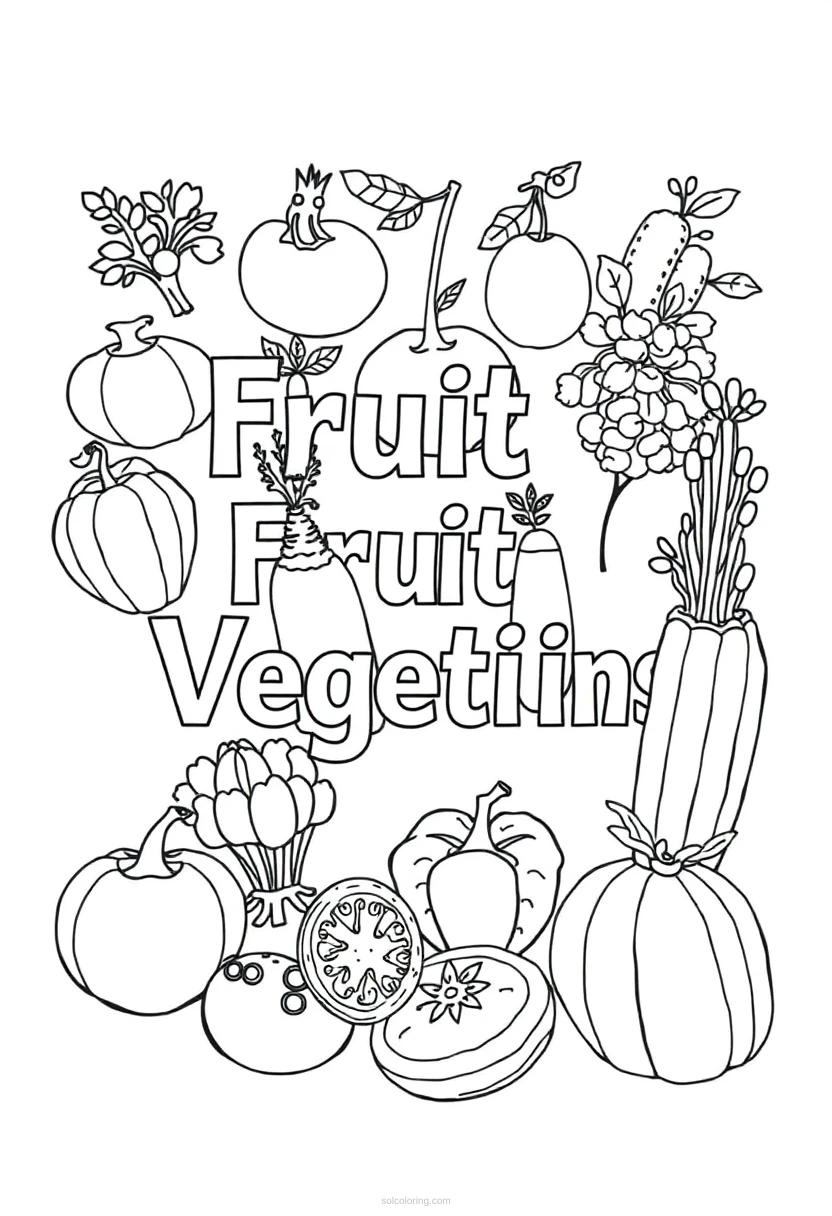
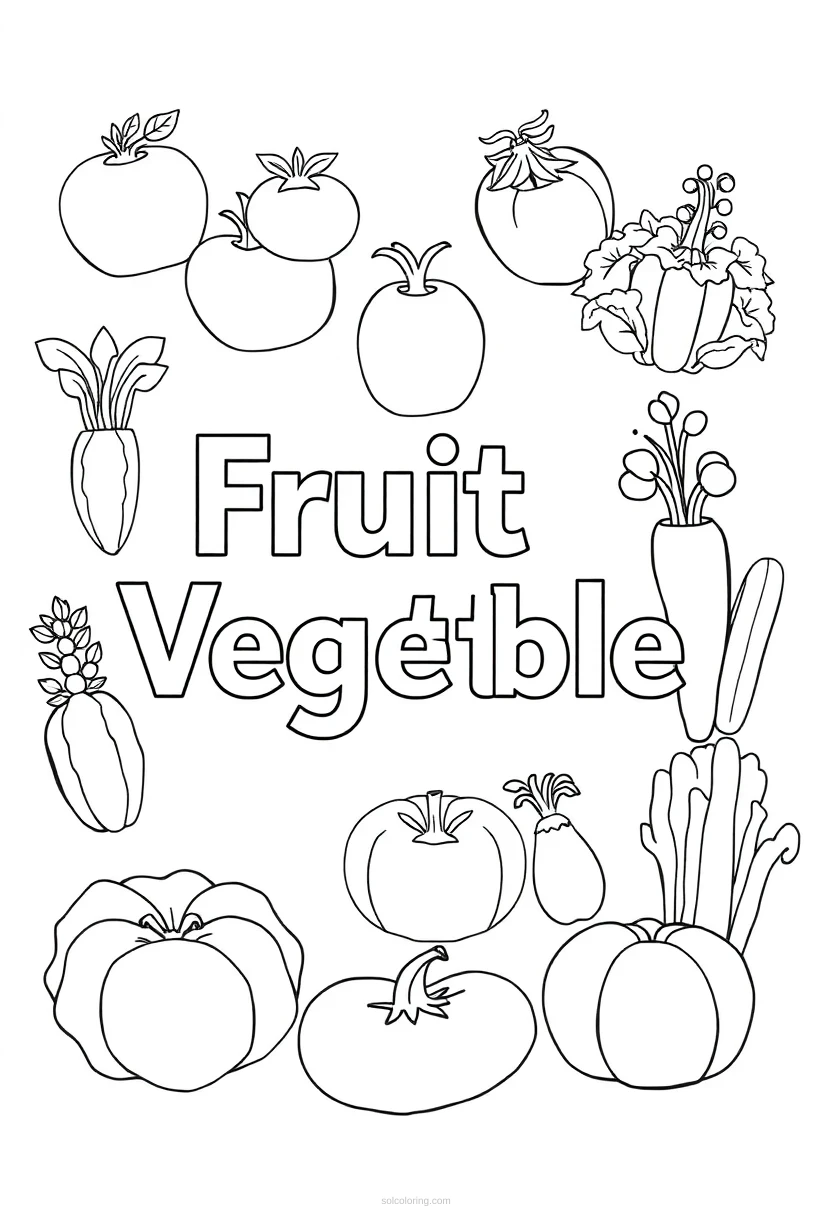
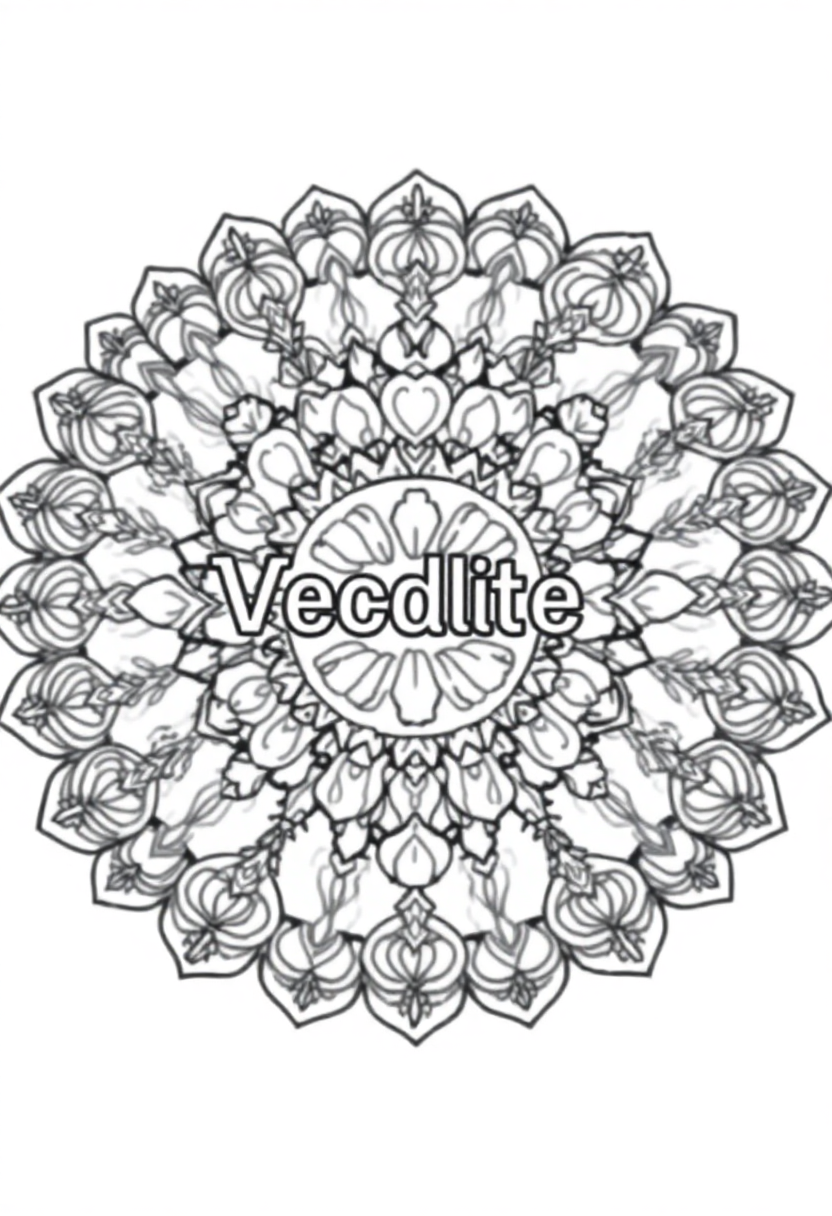
6 free printable designs including Standard, Standard, Standard, Standard and more.
Discover the colorful world of fruits and vegetables while building vocabulary and spelling skills. This fun word puzzle activity challenges kids to find hidden fruit and vegetable names within jumbled letters. Perfect for young learners who enjoy both creative challenges and educational games, these free printable coloring pages combine word searches with artistic expression. Whether you're looking for classroom activities or home learning fun, our free printable coloring page collection offers an engaging way to expand your knowledge of healthy foods while having a blast with pencils and markers.
Read more →Read less ↑
Choose a style

Did you know?
Fun facts about Fruit And Vegetable Words
Strawberries are the only fruit with seeds on the outside, and a single strawberry can have up to 200 seeds.
Carrots were originally purple, not orange, until Dutch growers in the 1600s developed orange varieties as a tribute to the Dutch royal family.
Bananas are berries, but strawberries are not, which surprises most people when learning botanical fruit classifications.
A single sunflower head contains hundreds to thousands of tiny flowers, and each one can develop into an edible seed.
Watermelons are 92 percent water, making them one of the most hydrating fruits you can eat on a hot summer day.
About Fruit And Vegetable Words
What is the difference between fruits and vegetables?
Botanically, fruits develop from the flower's ovary and contain seeds, while vegetables are edible plant parts like leaves, stems, or roots. However, many culinary vegetables are technically fruits, including tomatoes, peppers, and cucumbers. This surprising classification confusion makes fruit and vegetable words fun to explore and understand.
Why is it important to eat a variety of fruits and vegetables?
Different colored fruits and vegetables contain unique vitamins, minerals, and antioxidants that protect our bodies. Red tomatoes have lycopene, orange carrots have beta-carotene, and green spinach has iron. Eating a rainbow of produce ensures your body gets the complete nutrition it needs to grow strong and healthy.
Which fruits and vegetables are easiest to grow at home?
Tomatoes, lettuce, zucchini, and strawberries are beginner-friendly vegetables and fruits for home gardens. Herbs like basil and parsley also grow quickly. Starting with these simple crops helps kids understand where food comes from and encourages healthy eating habits through hands-on gardening experience.
How do farmers decide when fruits and vegetables are ready to harvest?
Farmers check ripeness by looking at color, size, and firmness, and by tasting for sweetness. Some fruits like bananas are picked green and ripen during transport, while others like strawberries must be perfectly ripe when harvested. Timing affects flavor, nutrition, and how long produce stays fresh in stores.
What are some unusual fruits and vegetables from around the world?
Dragon fruit from Southeast Asia has bright pink skin and tiny black seeds, while rambutan looks like a hairy ball. Kohlrabi resembles a space pod, and cherimoya is called the custard apple for its creamy texture. Exploring global produce expands your palate and teaches appreciation for diverse crops.
Can you name fruits and vegetables that are technically the opposite of what people call them?
Pumpkins and squash are botanically fruits, not vegetables, even though we use them in savory dishes. Rhubarb is technically a vegetable stem, but we cook it sweet like fruit. Corn kernels are actually fruits, and peanuts grow underground like vegetables but are legumes. These surprising facts make word puzzles extra interesting.
More Words coloring pages
Coloring page FAQs
Are these Fruit And Vegetable Words coloring pages free?
Yes, absolutely. All our Fruit And Vegetable Words activities are completely free to download and print. No hidden fees, subscriptions, or paid upgrades required. Simply visit our website, select your favorite free printable coloring page design, and start printing right away for instant fun and learning.
What age are these Fruit And Vegetable Words coloring pages for?
These activities are designed for kids and adults aged 8 to 14, though younger or older participants can enjoy them too. We offer varying difficulty levels, from simple three-letter fruit names to more challenging vegetable vocabulary. Choose pages that match your skill level and learning goals for the best experience.
How do I print these Fruit And Vegetable Words coloring pages?
Printing is simple and requires no account signup. Download the PDF file directly to your computer, then open it in your preferred PDF reader. Click print and select your paper size, whether A4 or Letter. Any standard home printer works perfectly for our free printable coloring pages.