Celtic
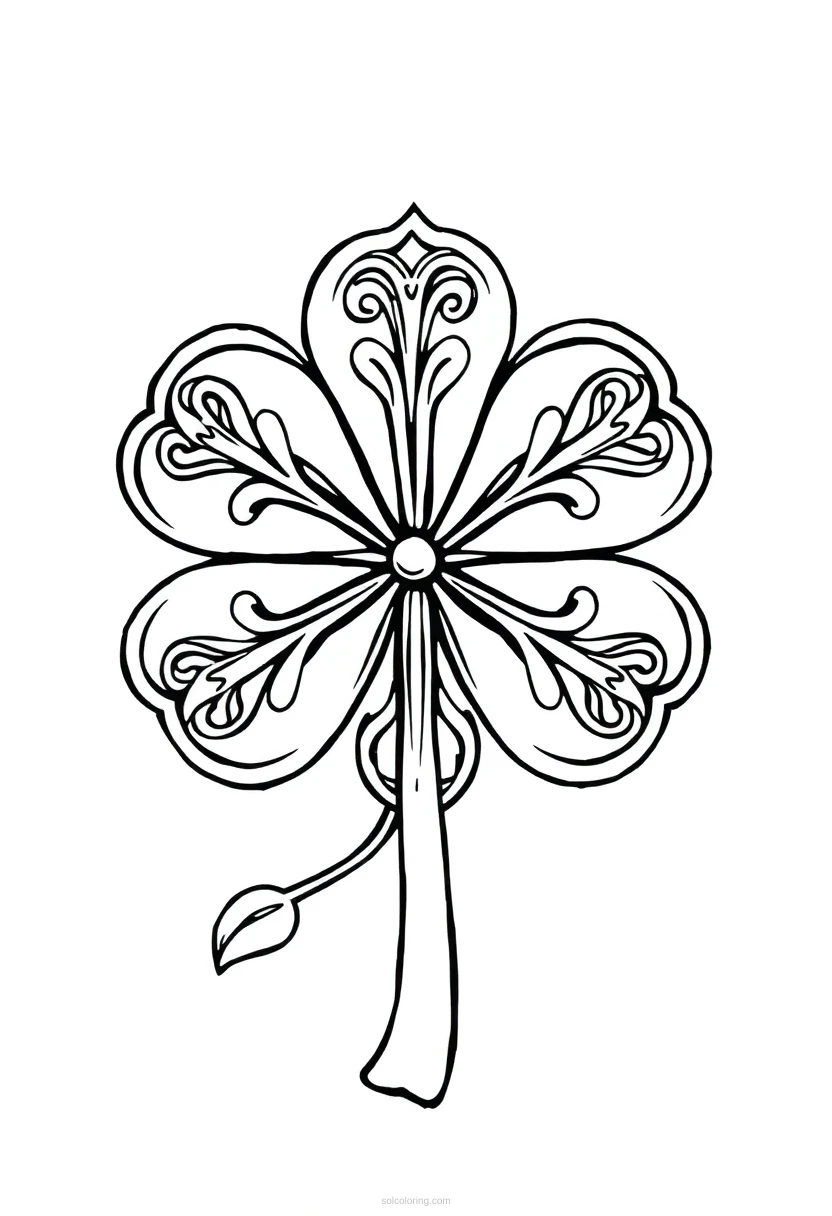
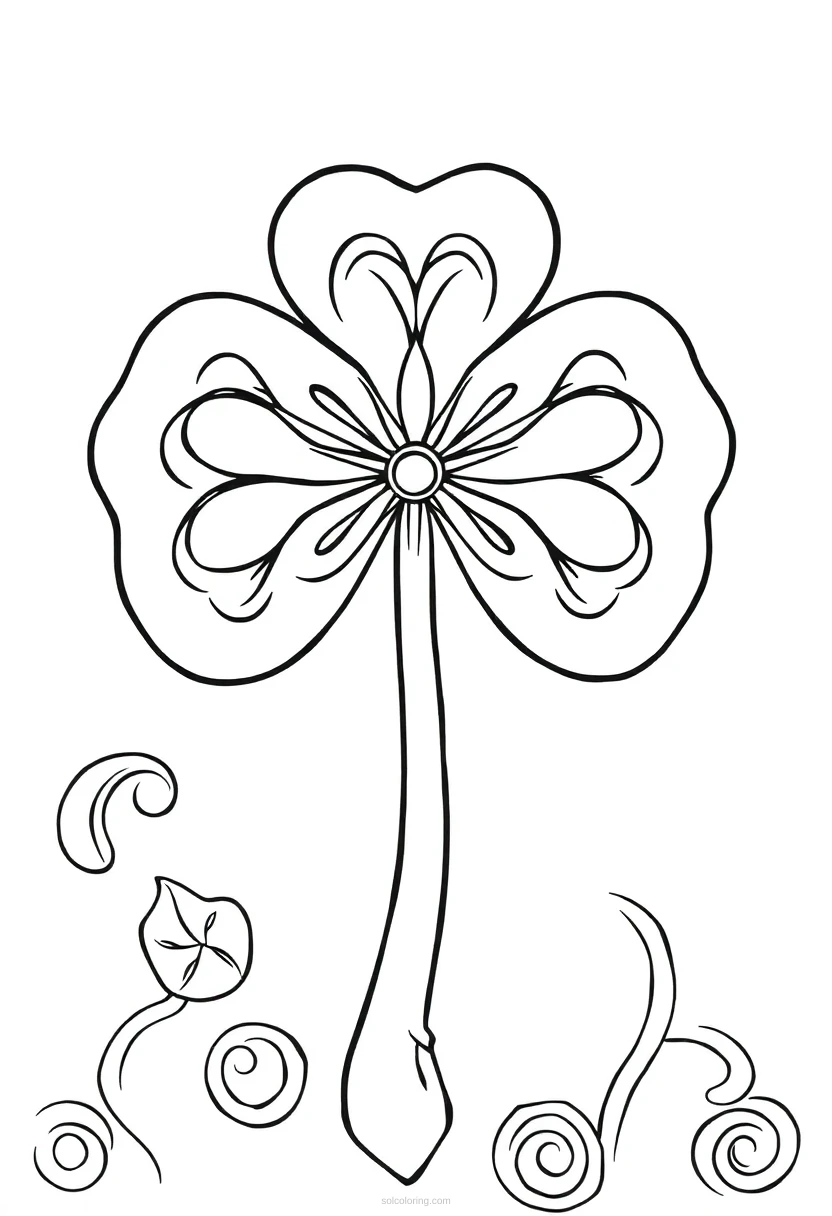
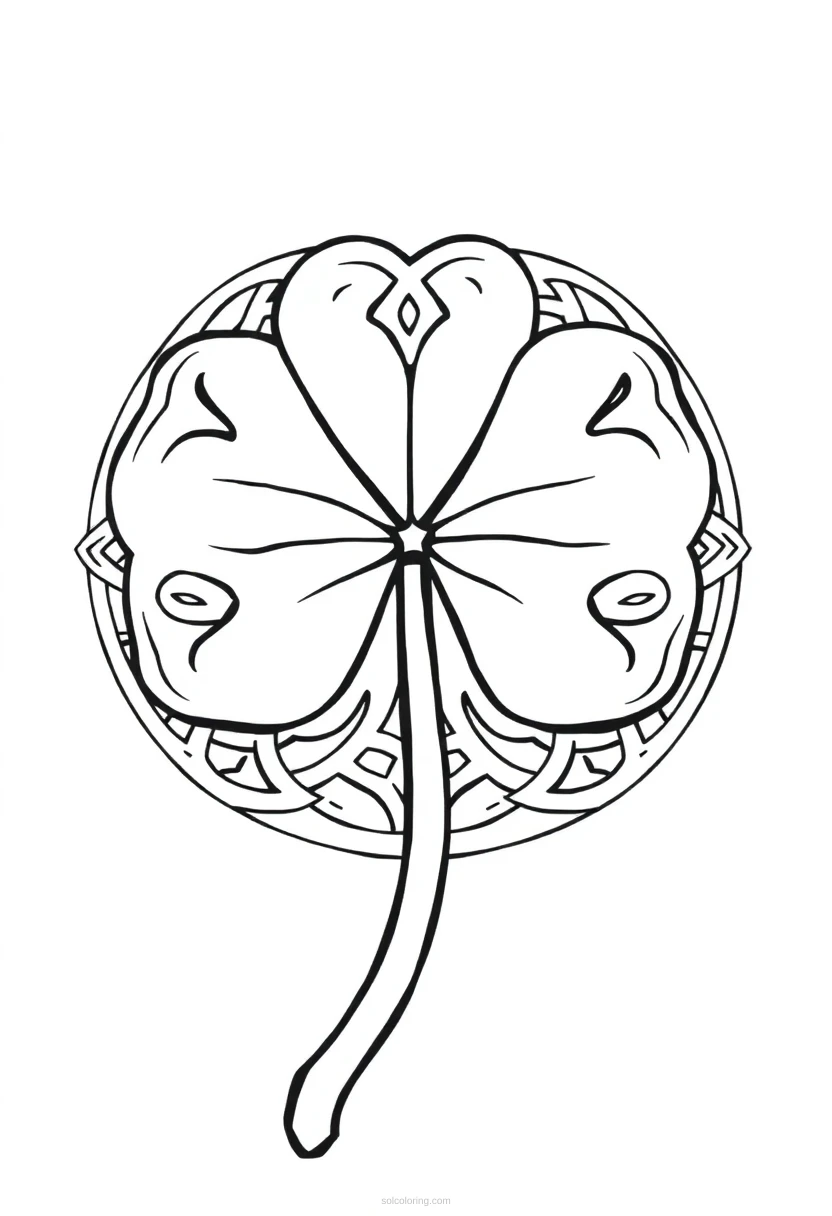
Celtic Shamrock And Clover Coloring Pages
6 free printable designs including Standard, Standard, Standard, Standard and more.
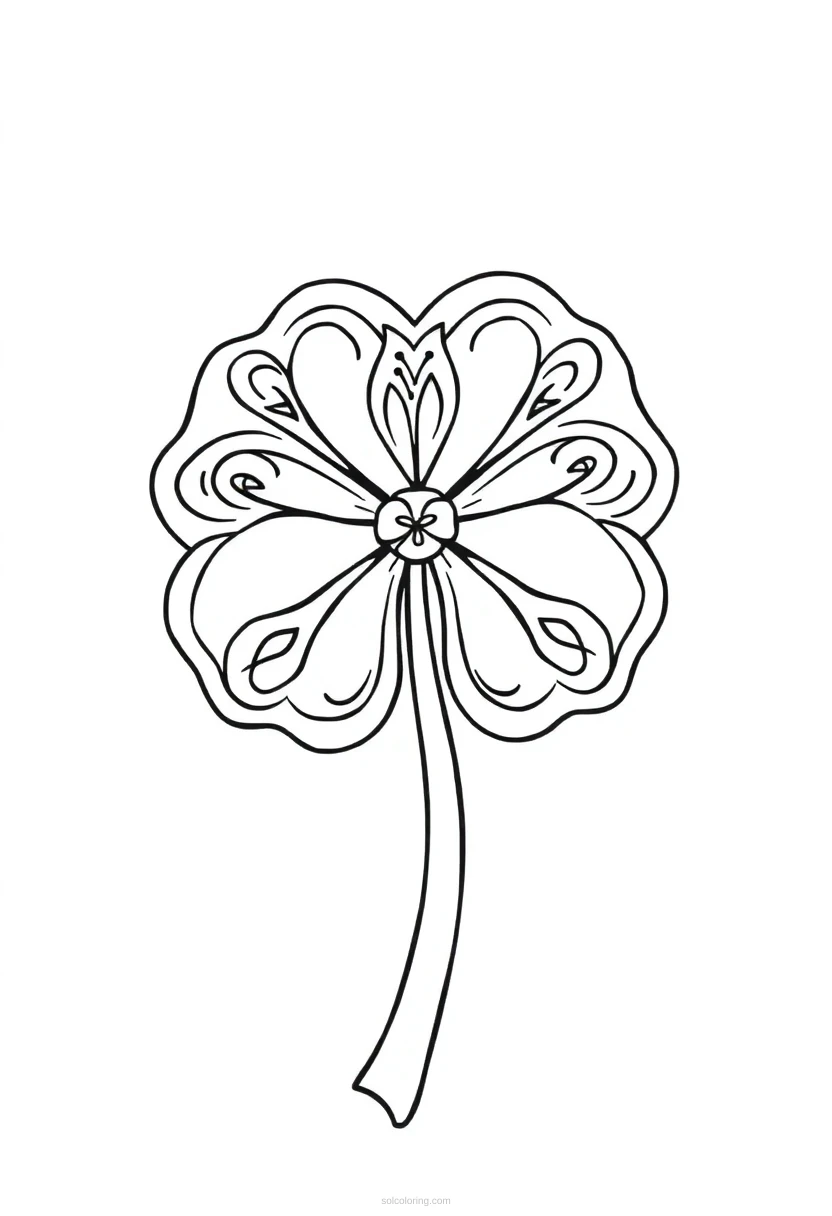
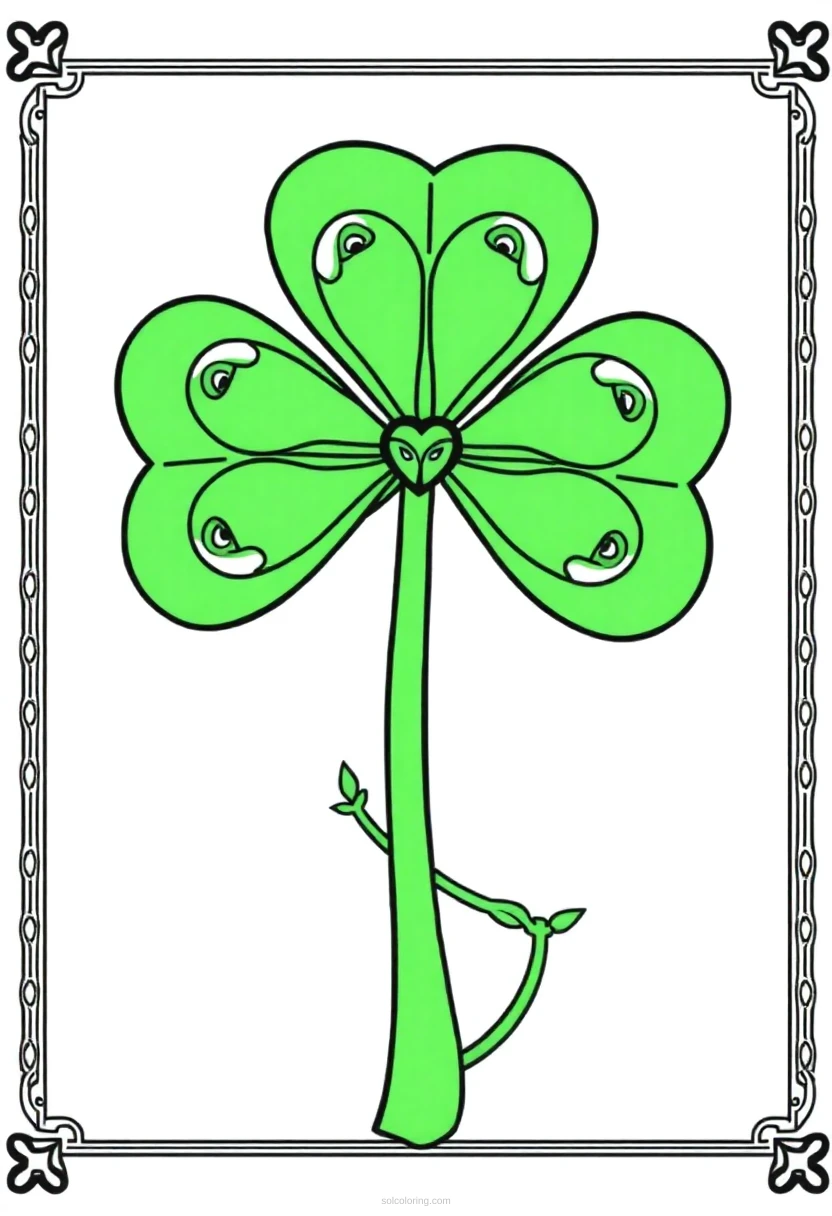
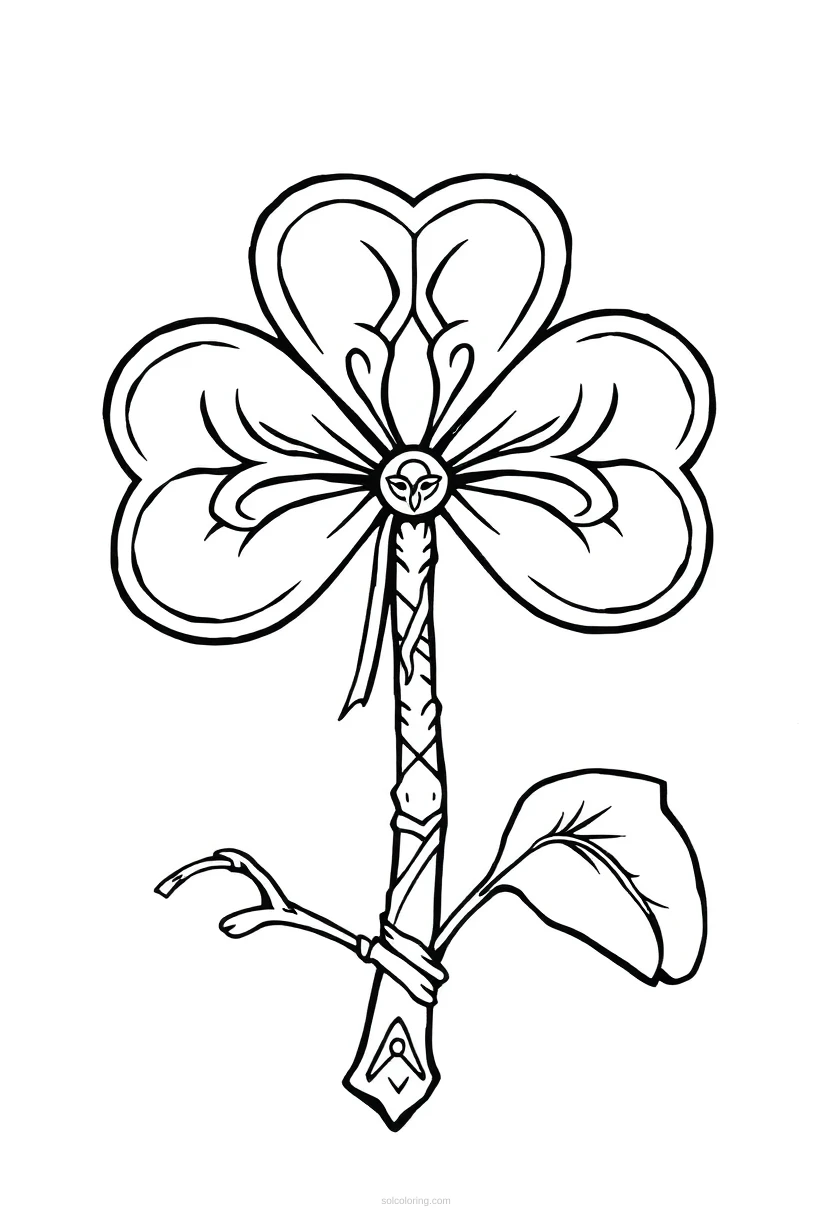
Discover the magical world of Celtic shamrocks and clovers, symbols deeply rooted in Irish mythology and Celtic heritage. These three-leafed plants have captivated cultures for centuries, representing luck, protection, and spiritual significance in ancient Celtic traditions. Our free printable coloring page featuring Celtic shamrock and clover designs brings these mystical symbols to life with intricate patterns and authentic Celtic artwork. Whether you're interested in folklore or simply love detailed designs, this free printable coloring page offers a wonderful way to explore Celtic culture while relaxing and creating beautiful art.
Read more →Read less ↑
Choose a style
Did you know?
Fun facts about Celtic Shamrock And Clover
Saint Patrick's blue, not green, was the original color associated with Saint Patrick and Irish heritage until the 1790s when the green shamrock became the national symbol.
The probability of finding a natural four-leaf clover is approximately one in five thousand, making them genuinely rare occurrences in nature.
Medieval Irish monks drew shamrocks in the margins of ancient manuscripts as spiritual symbols, creating some of the earliest documented Celtic shamrock artwork.
Ireland officially made the shamrock a protected symbol, and it's illegal to sell counterfeit shamrock plants marketed as lucky charms without proper identification.
The three-leaf shamrock appears on the Irish presidential seal, the national coat of arms, and the Aer Lingus airline logo as enduring symbols of Irish national identity.
About Celtic Shamrock And Clover
Why is the shamrock considered lucky in Celtic culture?
The shamrock's three leaves symbolize the Holy Trinity in Celtic Christianity, making it sacred and protective. Ancient Celts believed the three-fold structure represented balance, growth, and harmony with nature. This spiritual connection transformed shamrocks into powerful talismans against evil and symbols of good fortune across Irish and Celtic communities for thousands of years.
What's the difference between a shamrock and a four-leaf clover?
Shamrocks have three leaves and represent Celtic heritage and Irish identity, while four-leaf clovers are rare mutant variations of regular clover plants. The four-leaf clover emerged as a luck symbol much later, around medieval times in Europe. Shamrocks carry deeper spiritual and cultural meaning in Celtic mythology, whereas four-leaf clovers represent pure chance and fortune in modern superstition.
Did Saint Patrick really use shamrocks to teach about Christianity?
Legend says Saint Patrick used shamrocks to explain the Holy Trinity to Irish people around 432 CE. The three leaves supposedly represented the Father, Son, and Holy Spirit as one unified concept. Though historians debate whether this actually happened, the story became so popular that shamrocks became permanently linked to Saint Patrick's Day and Irish Christian identity worldwide.
What do shamrocks represent in Celtic mythology before Christianity?
Before Christianity arrived, Celtic druids associated shamrocks with the sacred number three and nature's cycles. The three leaves represented life, death, and rebirth, or the earth, sea, and sky. Celts believed shamrocks protected against negative magic and symbolized the interconnection of all living things with the spiritual realm.
How do shamrocks appear in ancient Celtic artwork and designs?
Ancient Celts incorporated shamrock motifs into intricate knotwork, manuscripts, and metalwork using spiral and interlocking patterns. These designs reflected their deep respect for nature and spiritual balance. Celtic artists would weave shamrock symbols into borders of illuminated manuscripts and craft them into jewelry, creating beautiful pieces that honored both the plant and its magical significance.
Are shamrocks and clovers the same plant species?
Not exactly. Shamrocks typically refer to specific three-leafed plants like wood sorrel or white clover, while clovers are a broader plant family. Both belong to the legume or similar families and share the three-leaf characteristic. Botanists sometimes debate which plant is the true shamrock, but the distinction matters less than the symbol's cultural and mythological importance in Celtic tradition.
More Celtic coloring pages
Coloring page FAQs
Are these Celtic Shamrock And Clover coloring pages free?
Yes, absolutely! All our Celtic Shamrock and Clover coloring pages are completely free to download and print from solcoloring.com. No registration, payment, or hidden fees required. Simply visit our site, select your favorite free printable coloring page design, and print it instantly on standard A4 or Letter paper.
What age are these Celtic Shamrock And Clover coloring pages for?
Our Celtic Shamrock and Clover coloring pages are perfect for ages 8 to 14 and beyond. We offer varying complexity levels: simpler designs with larger areas for younger colorists, and intricate Celtic patterns with fine details for older teens and adults who enjoy more challenging artwork.
How do I print these Celtic Shamrock And Clover coloring pages?
Printing is simple and requires no signup. Download the free printable coloring page as a PDF, open it on your device, and click print. Works with any home printer using standard A4 or Letter size paper. No special materials needed, just your favorite coloring supplies and creativity.