
Egyptian
Egyptian Temple Columns Coloring Pages
6 free printable designs including Standard, Standard, Standard, Standard and more.
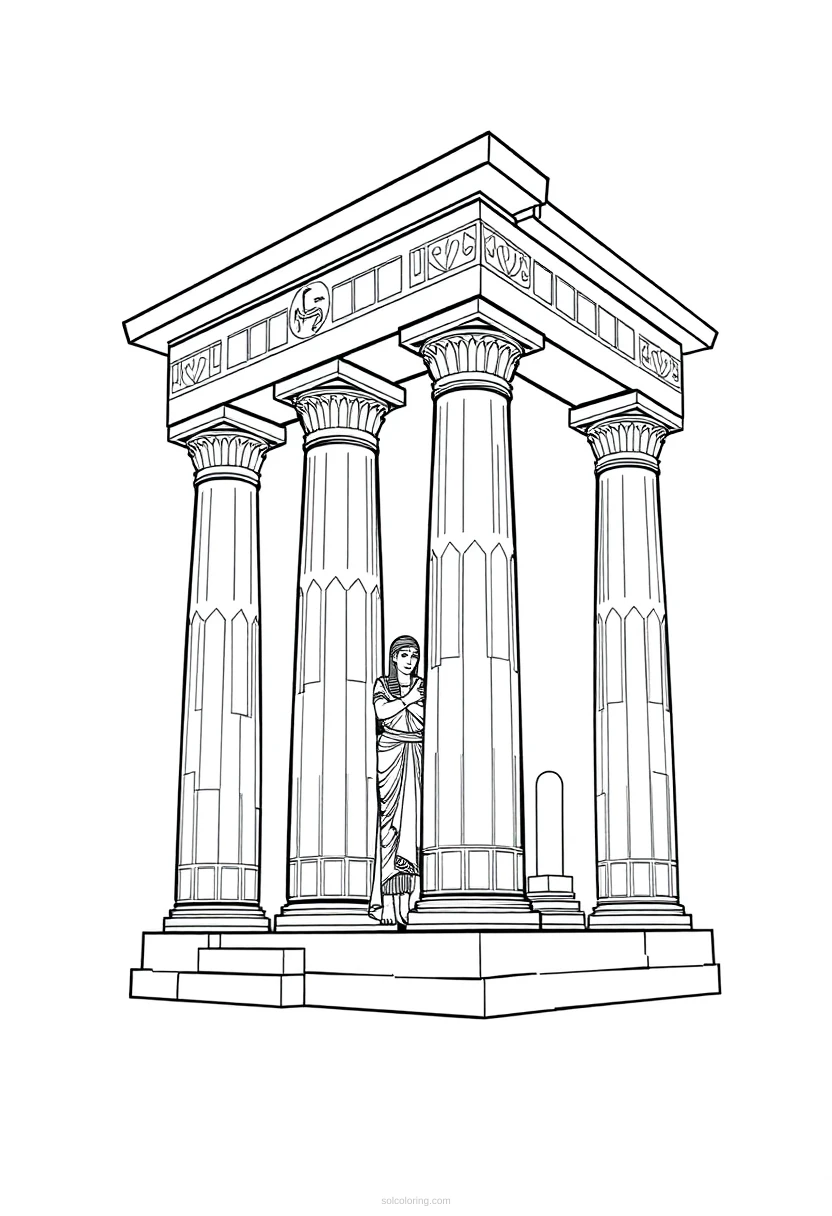
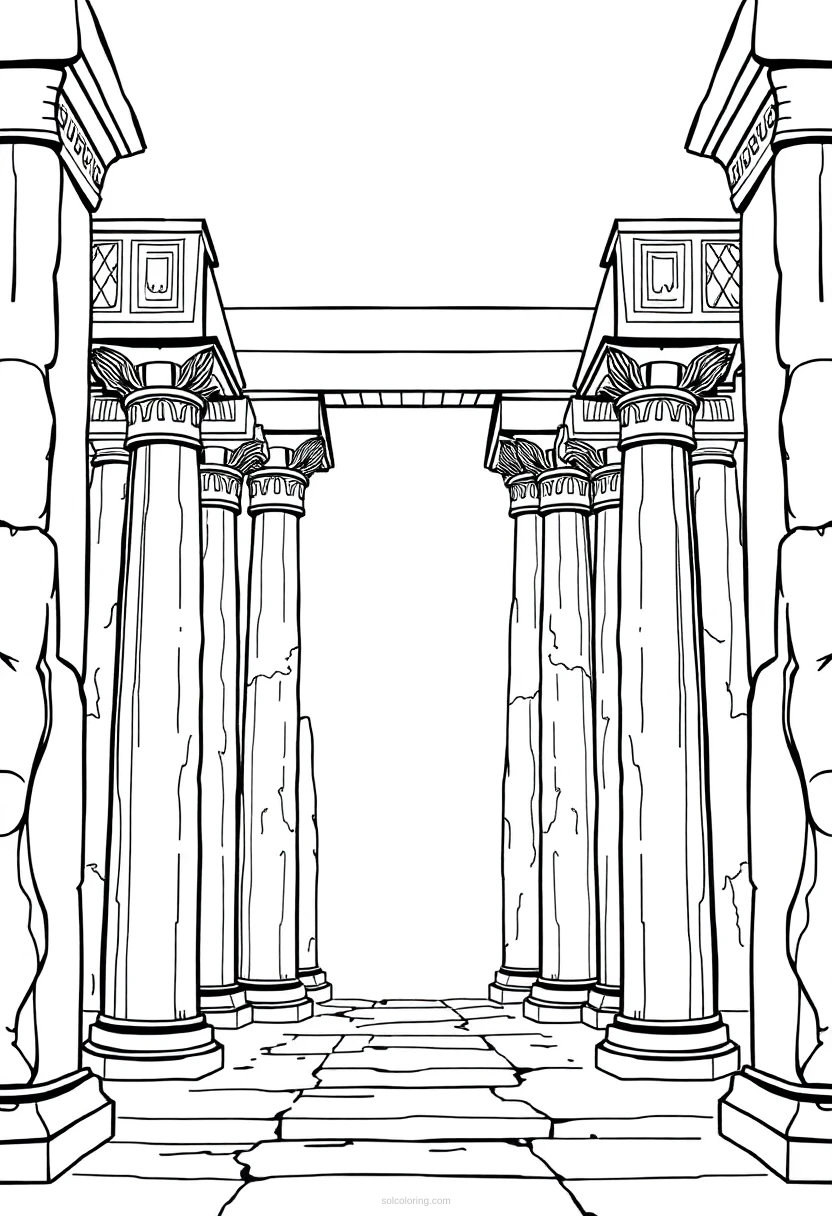
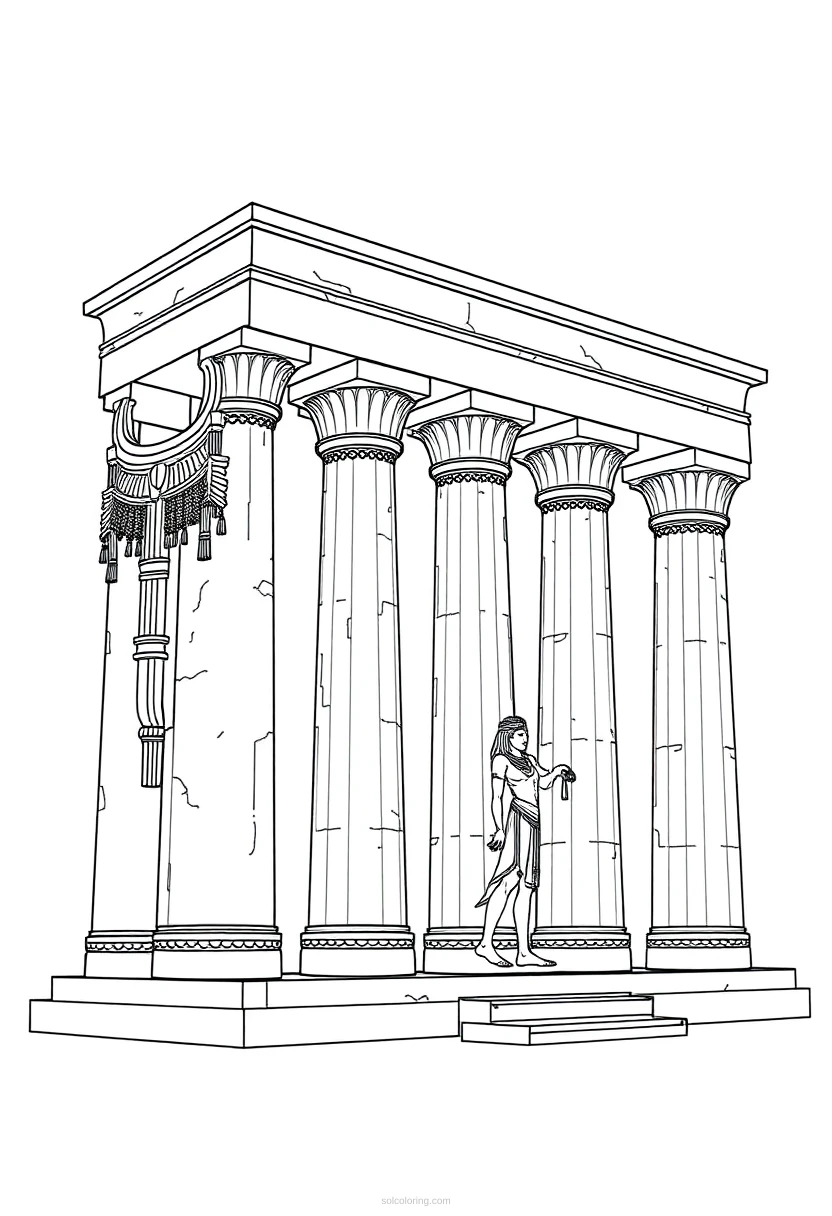
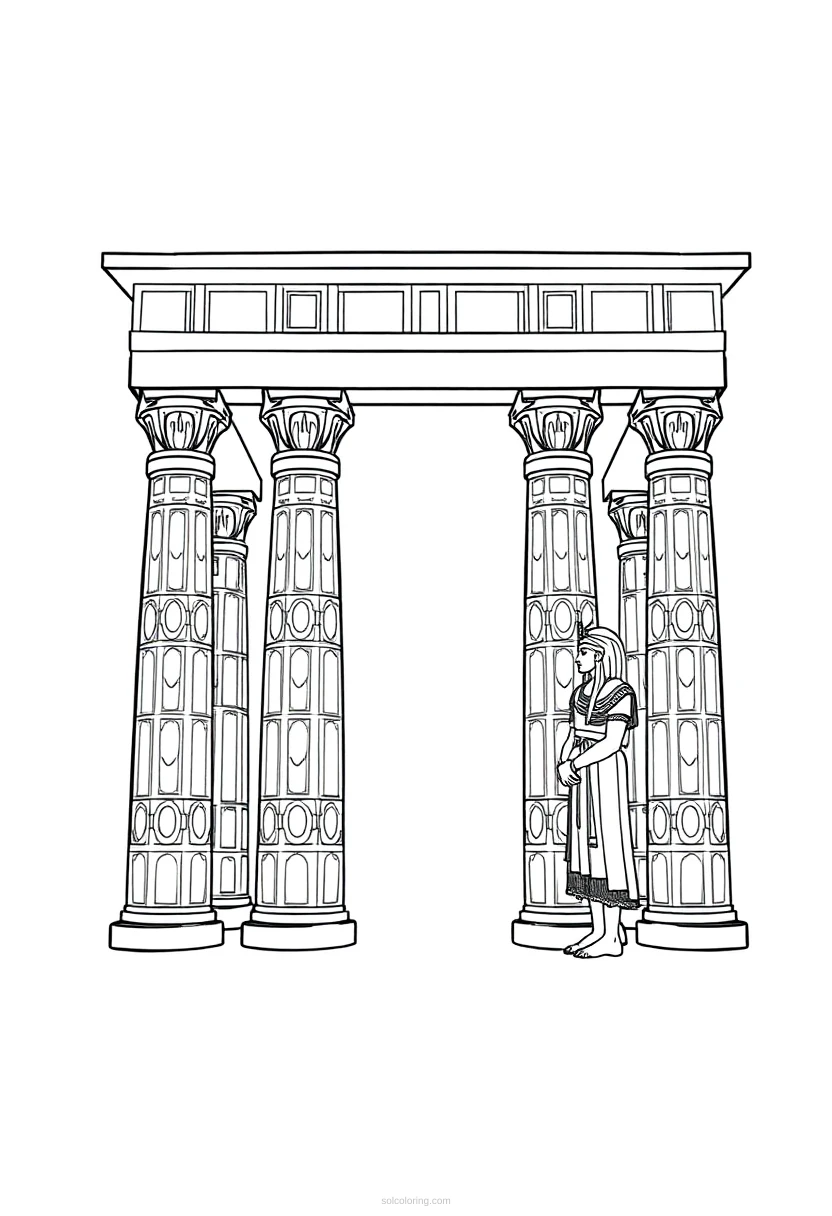
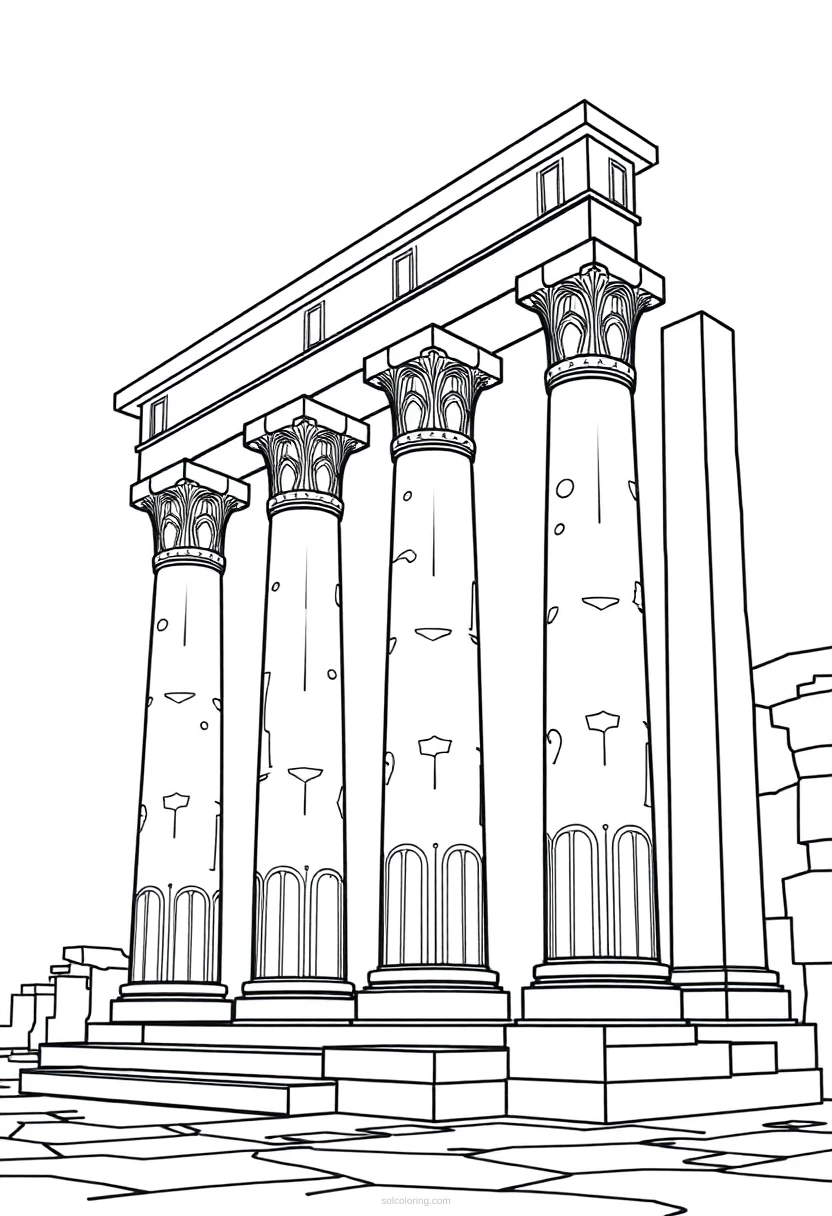
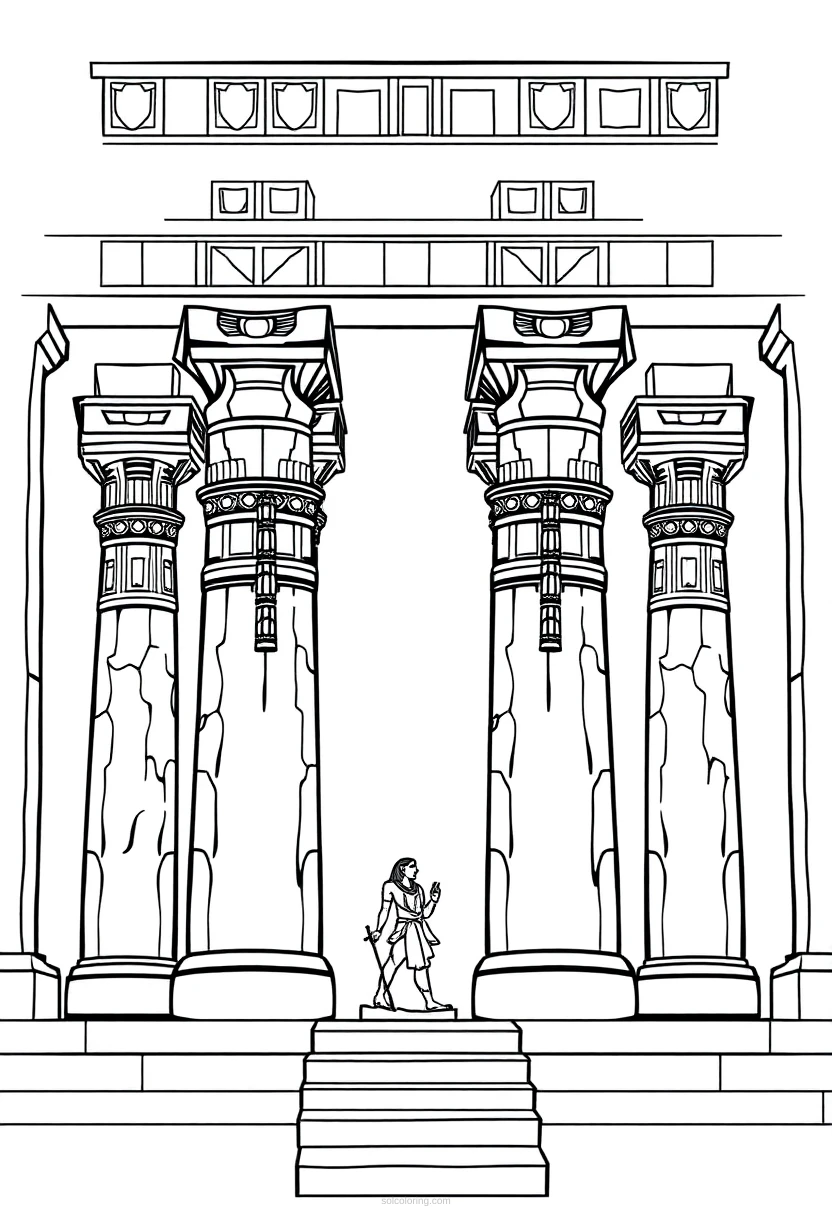
Ancient Egyptian temple columns are architectural marvels that have stood for thousands of years, showcasing the incredible engineering and artistic skills of one of history's greatest civilizations. These towering structures served both practical and spiritual purposes, supporting massive temple roofs while featuring intricate carvings and symbolic designs. Coloring our free printable coloring page of Egyptian temple columns lets you explore the detailed patterns, hieroglyphics, and decorative elements that made these monuments so remarkable. Whether you're interested in ancient history or simply love architectural design, this free printable coloring page brings these iconic structures to life through your own creative colors.
Read more →Read less ↑
Choose a style
Did you know?
Fun facts about Egyptian Temple Columns
The columns in Karnak's Great Hypostyle Hall are so massive that 100 people could stand on top of a single column's capital simultaneously.
Egyptian temple columns were sometimes carved to look like bundled papyrus reeds, mimicking the natural plant materials used in ancient Egyptian construction.
The oldest surviving columns in Egypt date back over 4,600 years to the Step Pyramid of Djoser, making them among the world's oldest stone structures.
Some Egyptian columns were so precisely carved that workers aligned them without using mortar, relying only on the exact fit of stone against stone.
Temple columns weren't just structural elements: they served as giant billboards for pharaohs, who had their names and achievements carved into them so future generations would remember them.
About Egyptian Temple Columns
What were the main types of Egyptian temple columns?
Ancient Egyptians created several distinctive column styles. The papyrus column mimicked the papyrus plant with a lotus-bud capital. The lotus column featured a closed bud design. The palm column resembled palm tree trunks. The bundle column bundled together stone drums to look like reeds. Each style carried specific spiritual and symbolic meaning in Egyptian temples.
How did Egyptians build such tall columns without modern machinery?
Egyptian builders used ingenious techniques including wooden sledges, ramps, and thousands of workers coordinating together. They quarried limestone and granite blocks, smoothed them using copper tools and sand, and stacked them precisely. Ramps helped position massive stones. This remarkable method allowed them to construct columns reaching heights of 60 feet or more.
What do the hieroglyphics on temple columns mean?
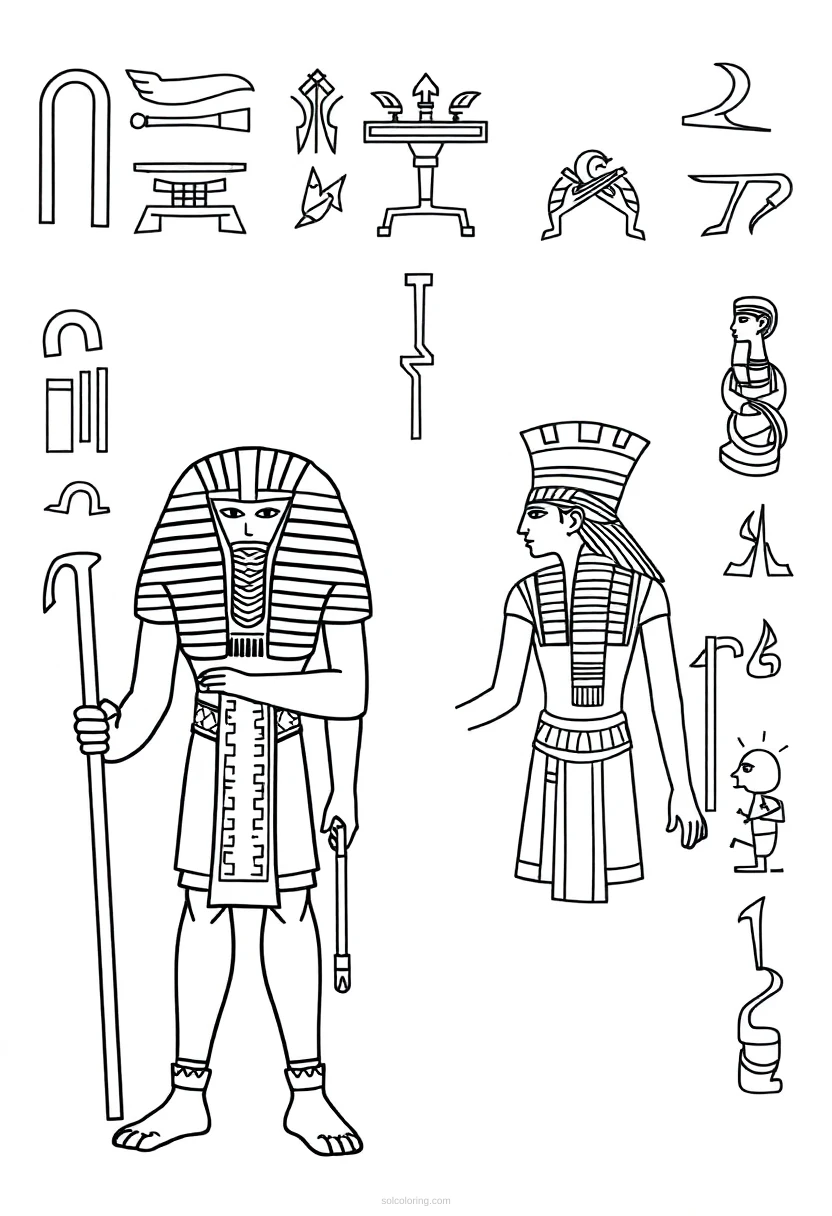
Hieroglyphics on columns typically include the names and titles of pharaohs, dedications to gods, and religious messages. These carvings served as both decoration and spiritual communication, believed to bring blessings and protection to the temple. Each symbol represented specific words, sounds, or concepts in the Egyptian language and religious beliefs.
Why were columns so important in Egyptian temples?
Columns were essential for supporting massive temple roofs and creating interior spaces for religious ceremonies. Beyond their practical function, columns held deep symbolic meaning, representing the connection between earth and sky, stability, and the presence of gods. They transformed temples into sacred spaces that inspired awe in worshippers.
Which Egyptian temple has the most impressive columns?
The Temple of Karnak features some of the world's most spectacular columns. Its Great Hypostyle Hall contains 134 massive columns arranged in 16 rows, covering an area larger than a football field. Some columns stand 70 feet tall, making it one of ancient architecture's greatest achievements and a testament to Egyptian engineering prowess.
How long did it take to build a single temple column?
Building one column required months of work from quarrying through final placement. Workers extracted stone blocks from quarries using chisels and leverage, transported them via sledges and water, then carefully positioned and aligned them. Carving decorative hieroglyphics and relief designs added additional months. A temple project could take decades to complete.
More Egyptian coloring pages
Coloring page FAQs
Are these Egyptian Temple Columns coloring pages free?
Yes, absolutely! All Egyptian Temple Columns coloring pages on Sol Coloring are completely free to download and print. No payment, subscription, or signup is required. Simply visit the page, download the PDF, and print as many copies as you'd like for unlimited coloring fun.
What age are these Egyptian Temple Columns coloring pages for?
These coloring pages are designed for ages 8 to 14, with varying complexity levels. Younger children can enjoy simpler column designs, while older kids and teens will appreciate the intricate hieroglyphic details and architectural patterns that challenge their fine motor skills and artistic creativity.
How do I print these Egyptian Temple Columns coloring pages?
Printing is easy and requires no special setup. Download the PDF file from our website, open it on your computer, and print directly to any home printer using standard A4 or Letter paper. No account creation or software installation needed. Start coloring right away!