
Japanese
Japanese Garden With Bridge Coloring Pages
6 free printable designs including Standard, Standard, Standard, Standard and more.
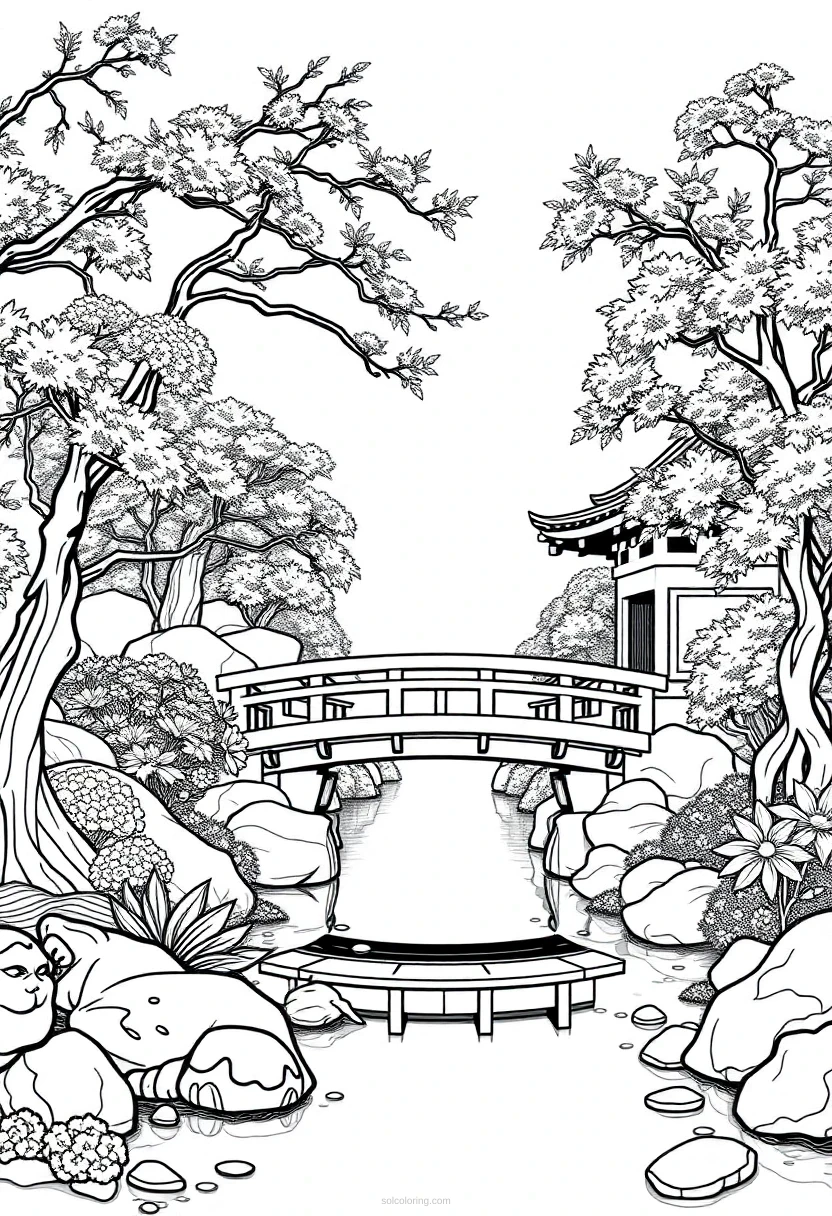
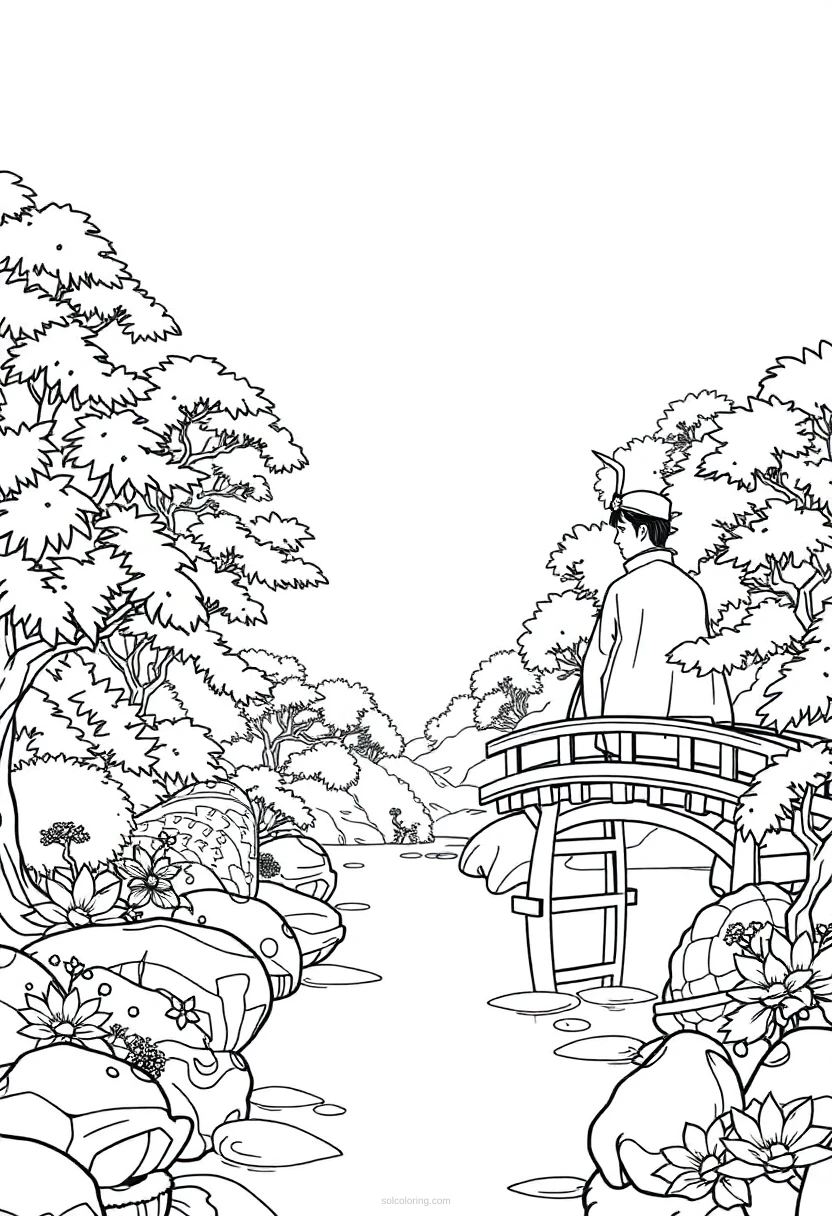
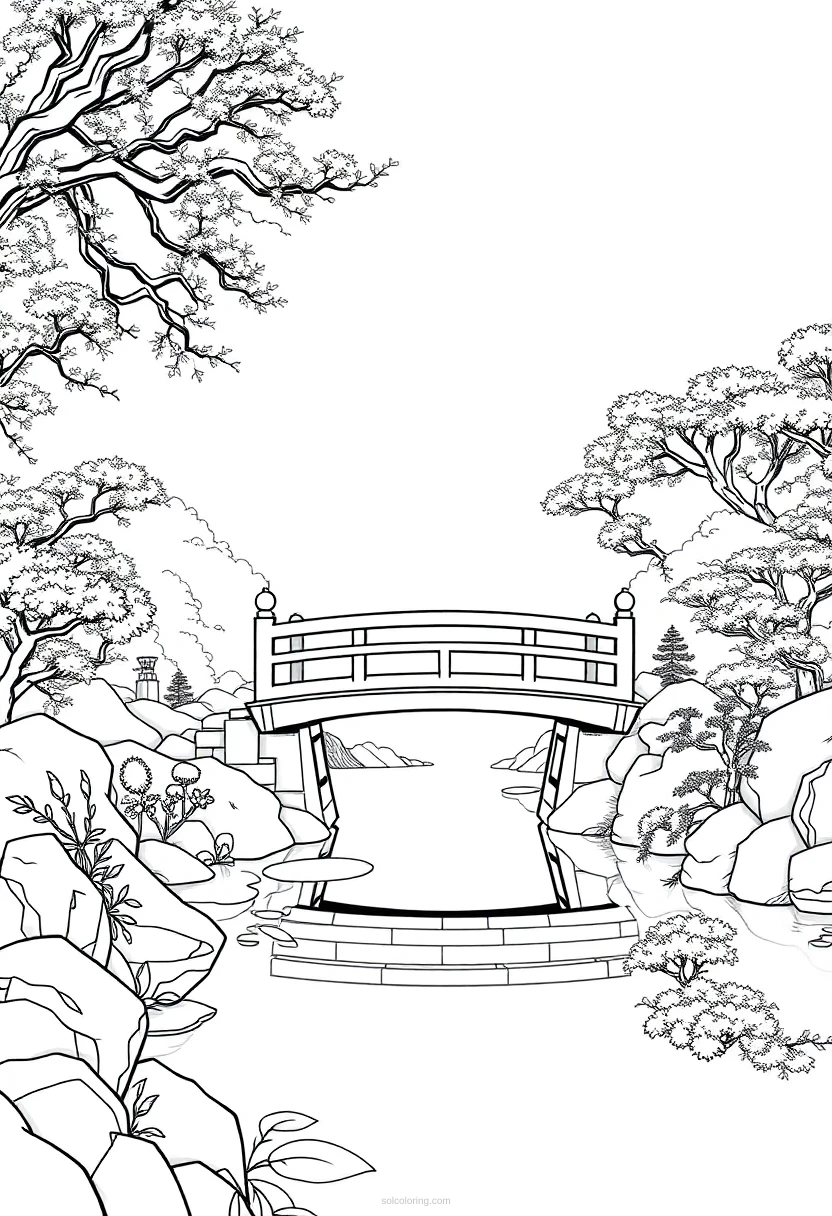
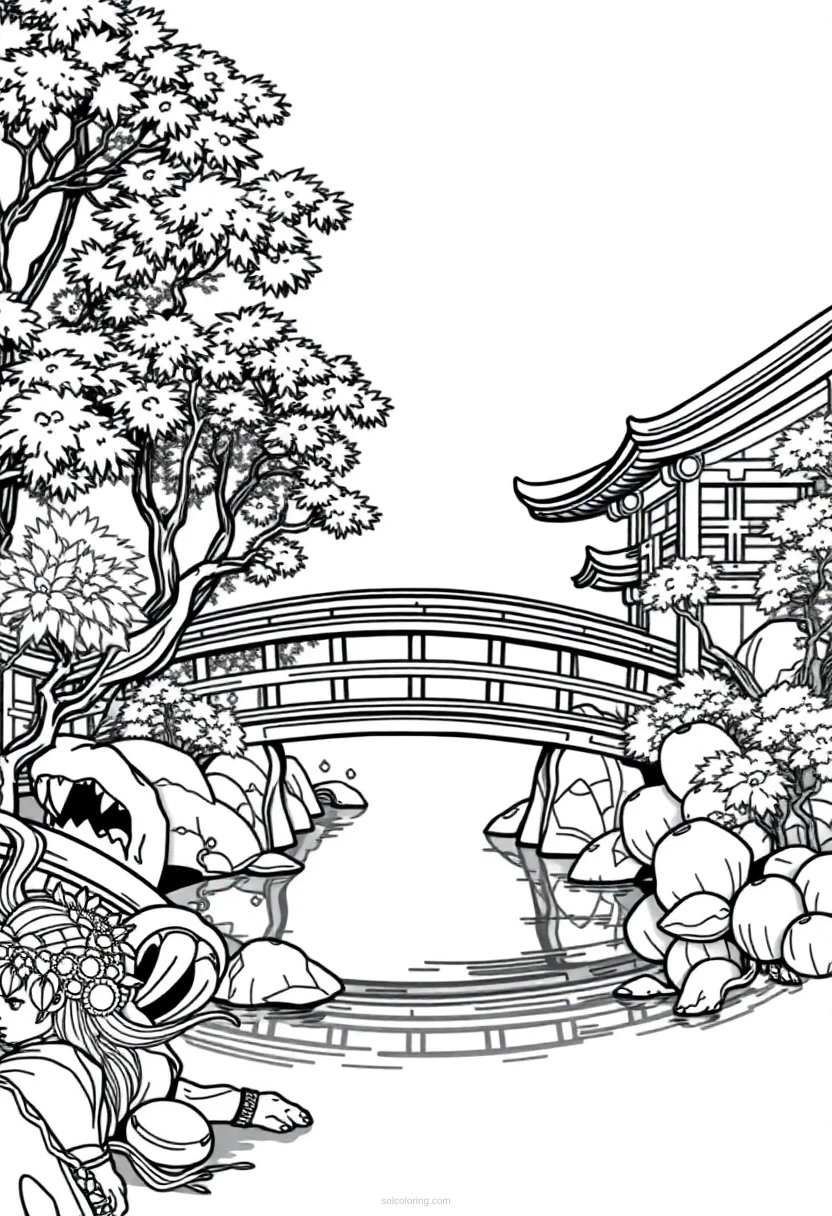
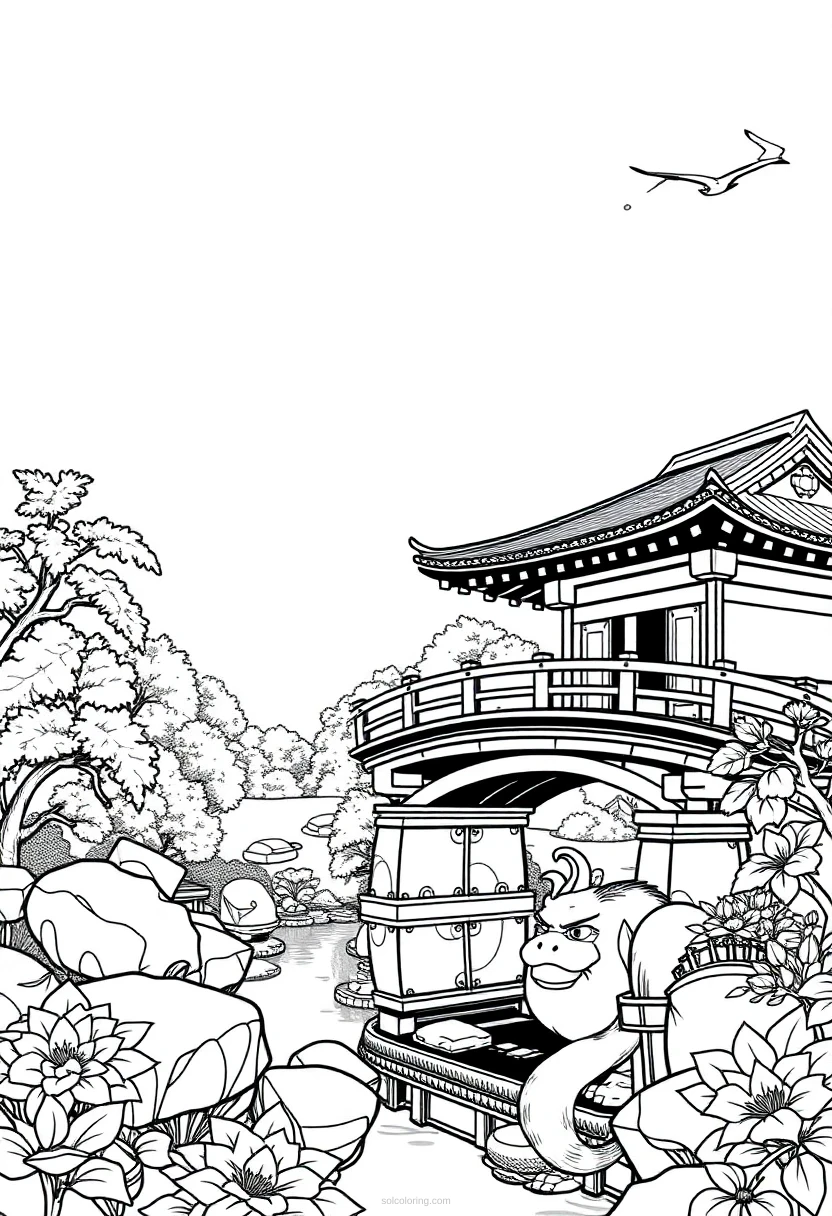
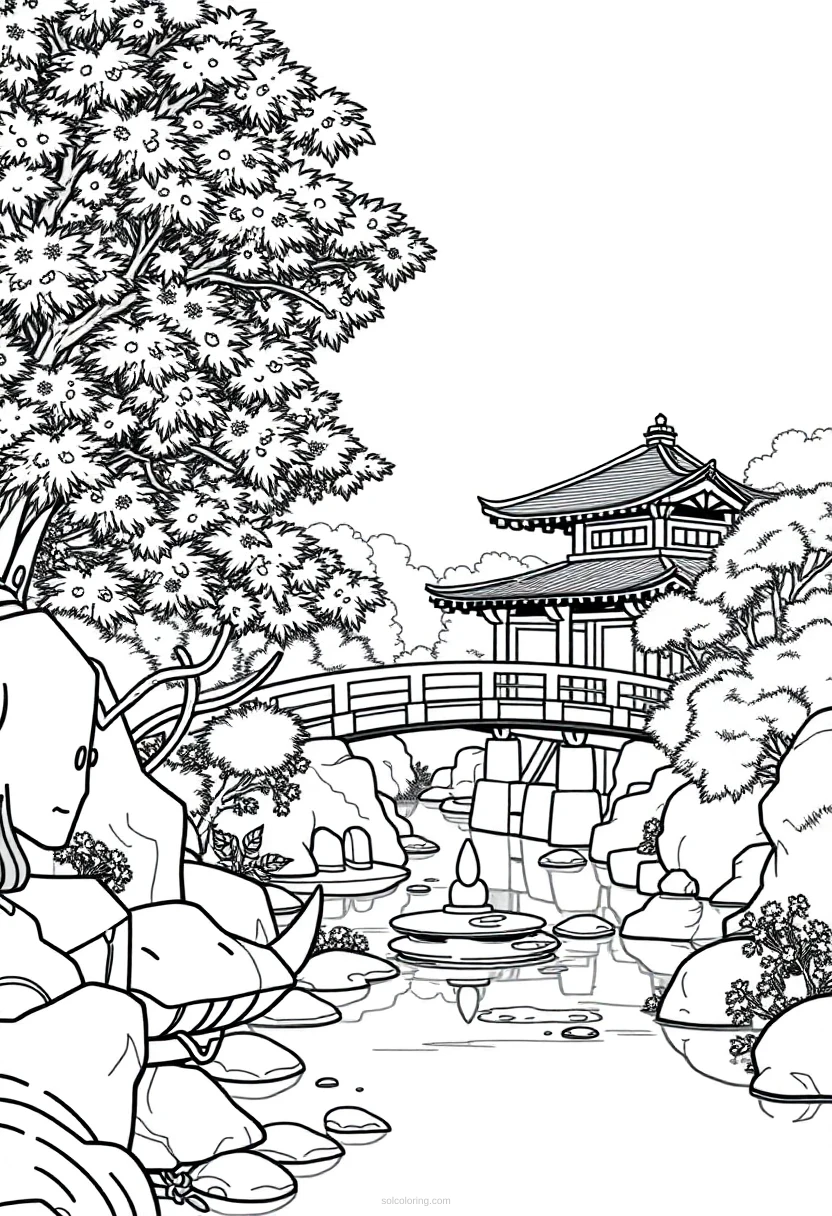
Step into the peaceful world of Japanese gardens, where every stone, plant, and bridge has special meaning. These magical spaces have been created for over 1,000 years to represent nature's beauty and bring inner peace to visitors. Traditional Japanese bridges, called 'hashi,' connect different parts of the garden while symbolizing life's journey from one stage to another. The curved red bridges you often see represent the path between earth and heaven in Japanese culture. Our free printable coloring page captures the serene beauty of these enchanted gardens, complete with graceful bridges, flowing water, and carefully placed rocks and plants. Color your way into this tranquil world and discover the ancient secrets of Japanese garden design.
Read more →Read less ↑
Choose a style
Did you know?
Fun facts about Japanese Garden With Bridge
The famous red bridge in San Francisco's Golden Gate Park Japanese Tea Garden is actually a replica of bridges found in Kyoto's imperial gardens.
Some Japanese garden bridges are deliberately built to make a musical sound when walked on, called 'nightingale floors,' to announce visitors.
The world's oldest wooden garden bridge still in use is over 800 years old and located in Japan's Kenroku-en garden.
Traditional Japanese garden bridges are built without using a single nail, relying instead on precise wooden joints and craftsmanship.
The moon-viewing bridge tradition involves designing bridges so their reflection in water creates a perfect circle when combined with the actual bridge arch.
About Japanese Garden With Bridge
Why are Japanese garden bridges often painted red?
Red bridges, called 'taiko-bashi,' are painted with vermillion lacquer because red is considered a protective color that wards off evil spirits. The bright color also creates a beautiful contrast against the green plants and represents vitality and life energy in Japanese culture.
What do the different bridge shapes mean in Japanese gardens?
Arched bridges represent the rainbow connecting earth to heaven, while zigzag bridges confuse evil spirits who can only travel in straight lines. Flat stone bridges symbolize a calm, steady journey through life without dramatic ups and downs.
How old are the oldest Japanese gardens with bridges?
The oldest surviving Japanese gardens date back over 1,200 years to the Heian period (794-1185). The famous Byodo-in temple garden in Kyoto, built in 1053, still features its original Phoenix Hall reflected in a pond crossed by ancient bridges.
What plants are traditionally found around Japanese garden bridges?
Cherry blossoms, maple trees, bamboo, and moss are classic choices. Pine trees represent longevity, while weeping willows near water symbolize grace and flexibility. Iris flowers often bloom near bridge edges, representing courage and good news.
Why do Japanese gardens have small islands connected by bridges?
These islands represent the mythical Isles of the Blessed, where immortal beings live in Japanese folklore. Bridges connecting them symbolize the spiritual journey toward enlightenment and the connection between the physical and spiritual worlds.
What materials are traditional Japanese garden bridges made from?
Ancient bridges used natural wood like cedar or cypress, stone slabs, or woven bamboo. Modern gardens might use weather-resistant materials, but traditional designs still follow centuries-old construction methods passed down through generations of garden masters.
More Japanese coloring pages

Coloring page FAQs
Are these Japanese Garden With Bridge coloring pages free?
Yes! All our Japanese Garden With Bridge coloring pages are completely free to download and print. No hidden fees, subscriptions, or purchases required.
What age are these Japanese Garden With Bridge coloring pages for?
These coloring pages are designed for ages 8 to 14, featuring detailed garden elements that provide the perfect coloring challenge for this age group.
How do I print these Japanese Garden With Bridge coloring pages?
Simply download the PDF and print on standard A4 or Letter paper using any home printer. No account signup or registration needed.