
Japanese
Japanese Temple Pagoda Coloring Pages
6 free printable designs including Standard, Standard, Standard, Standard and more.
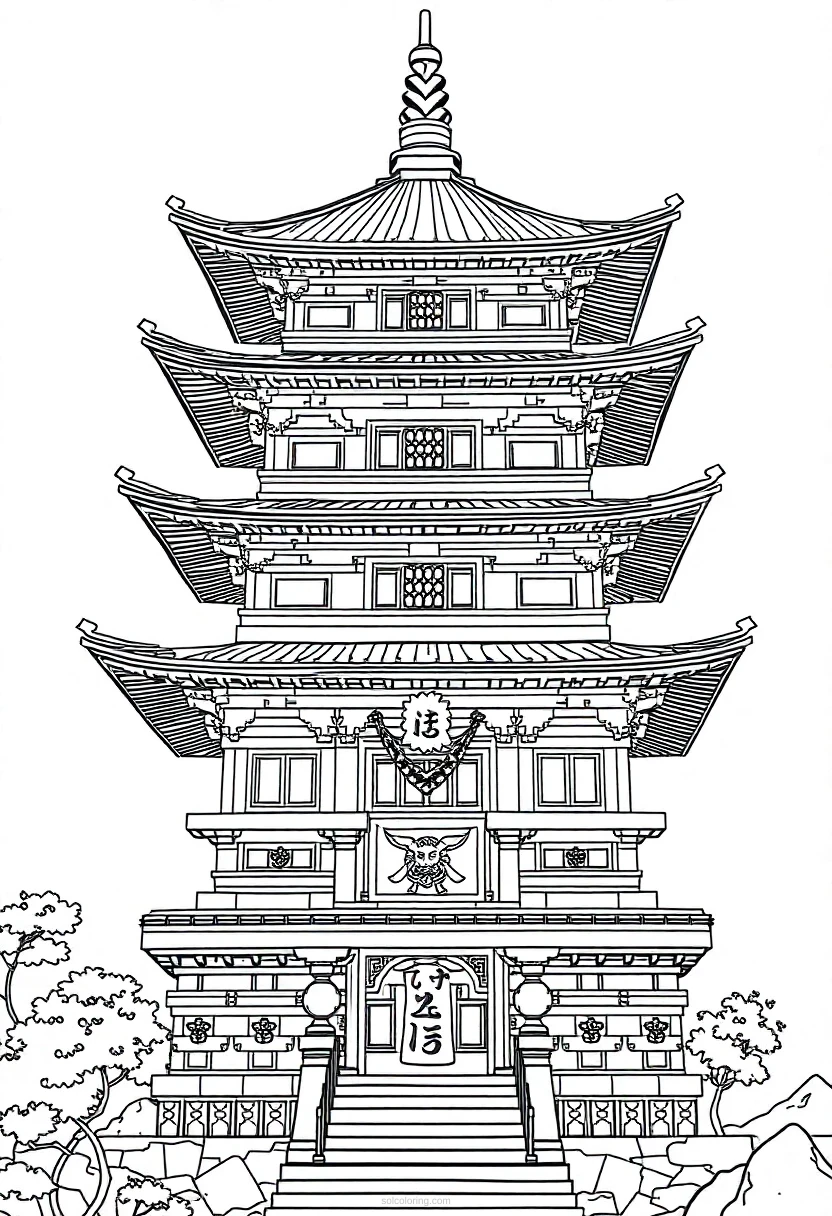
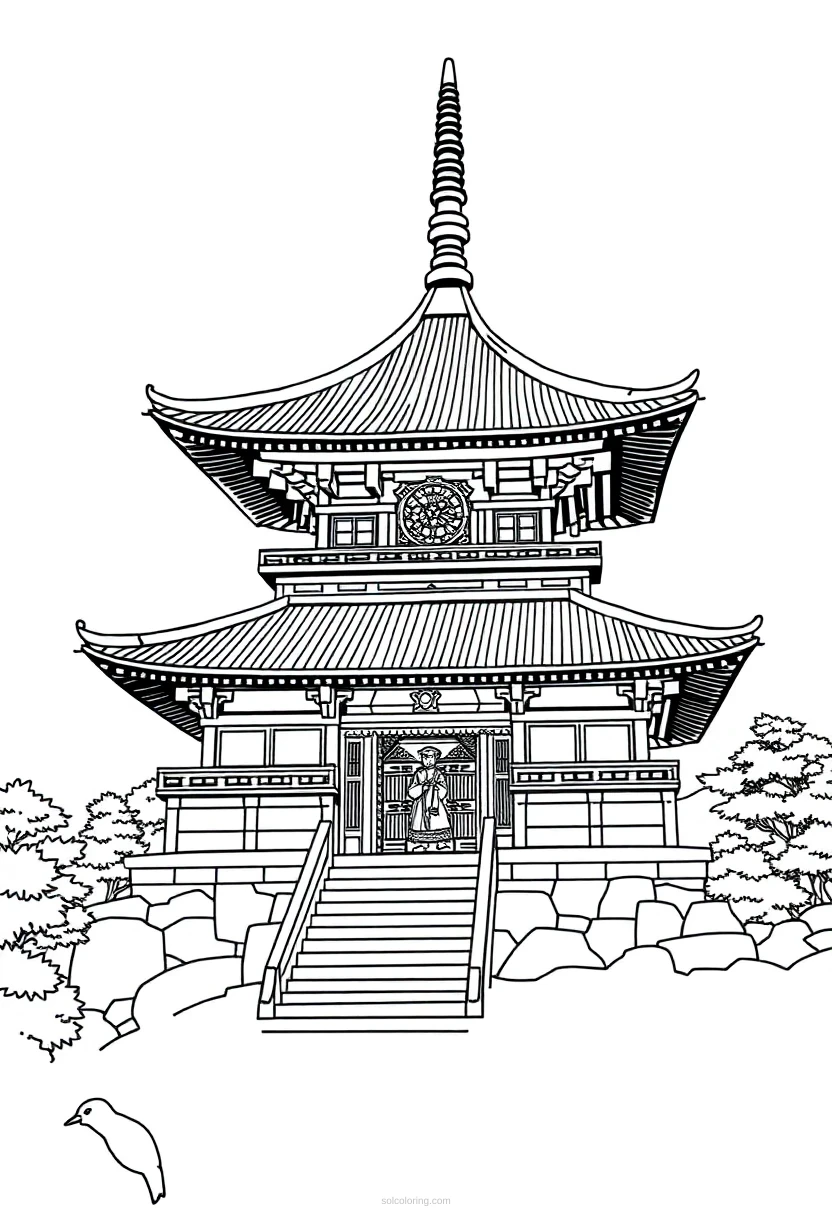
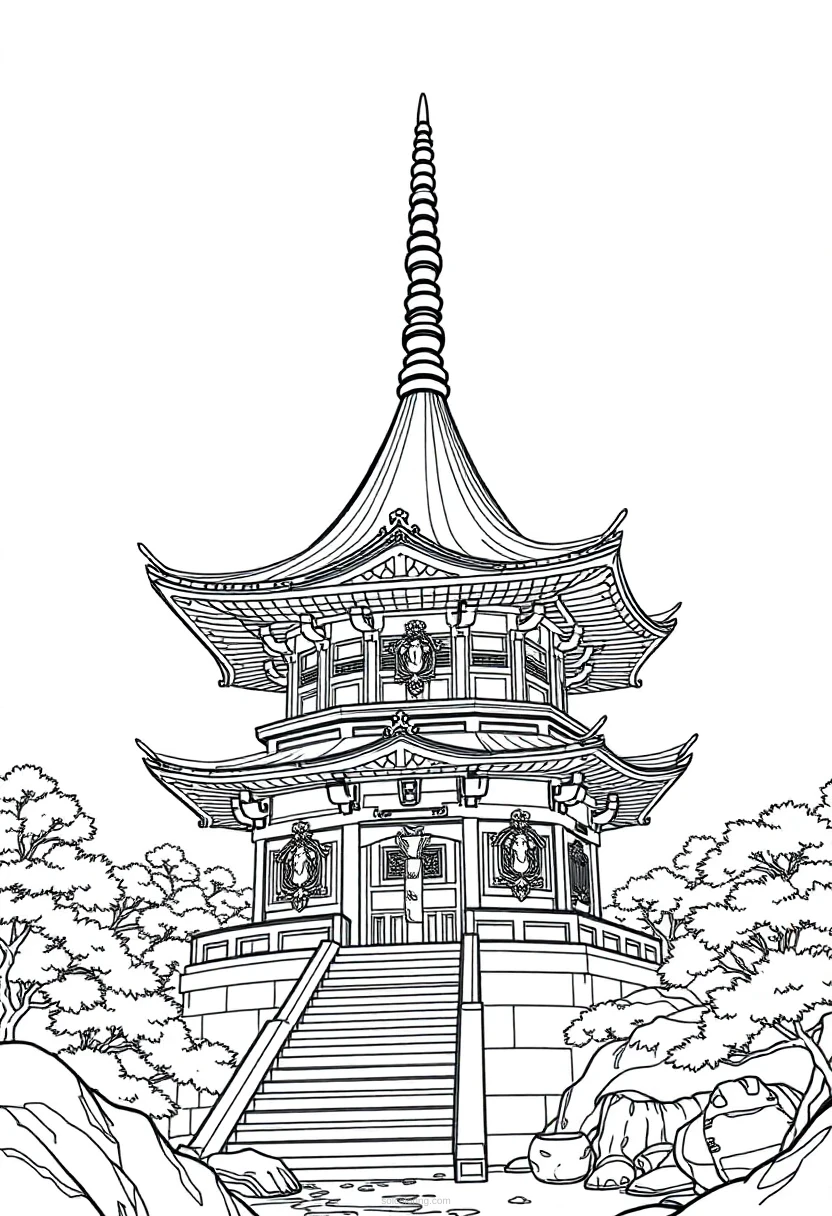
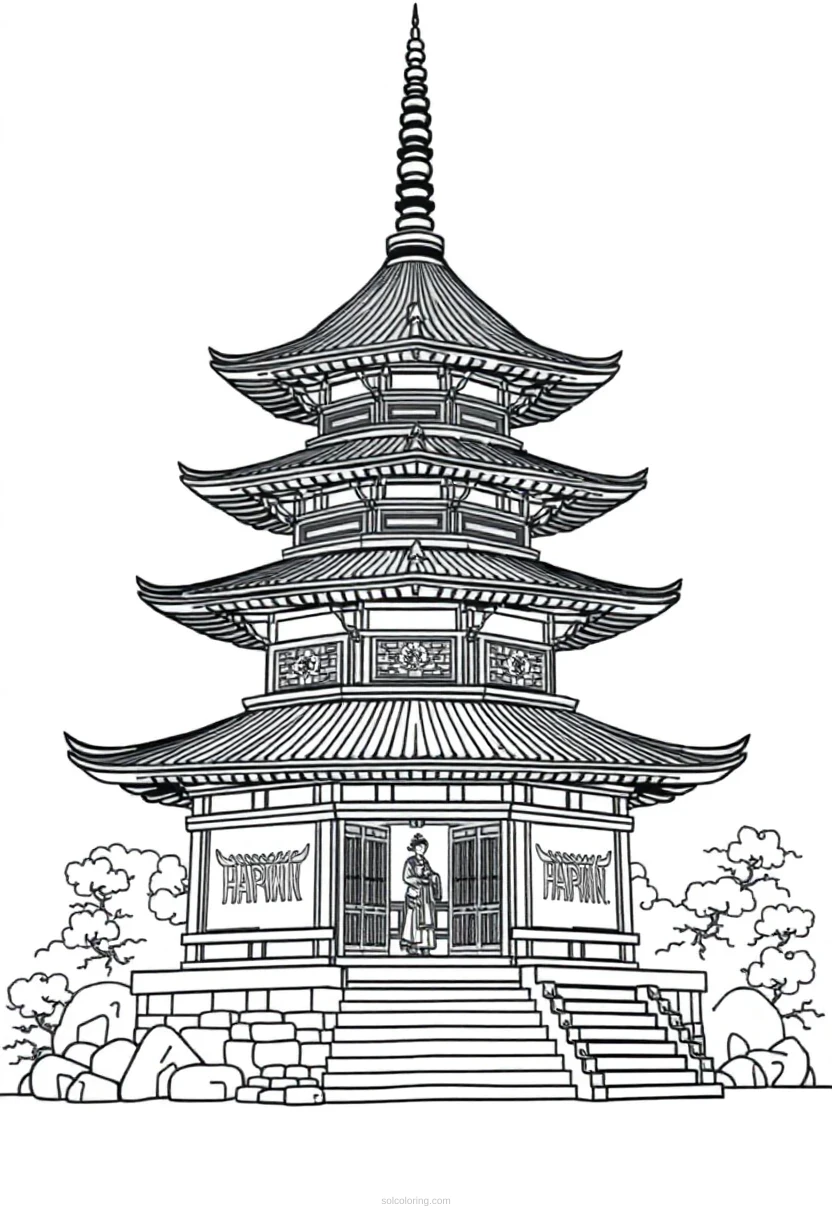
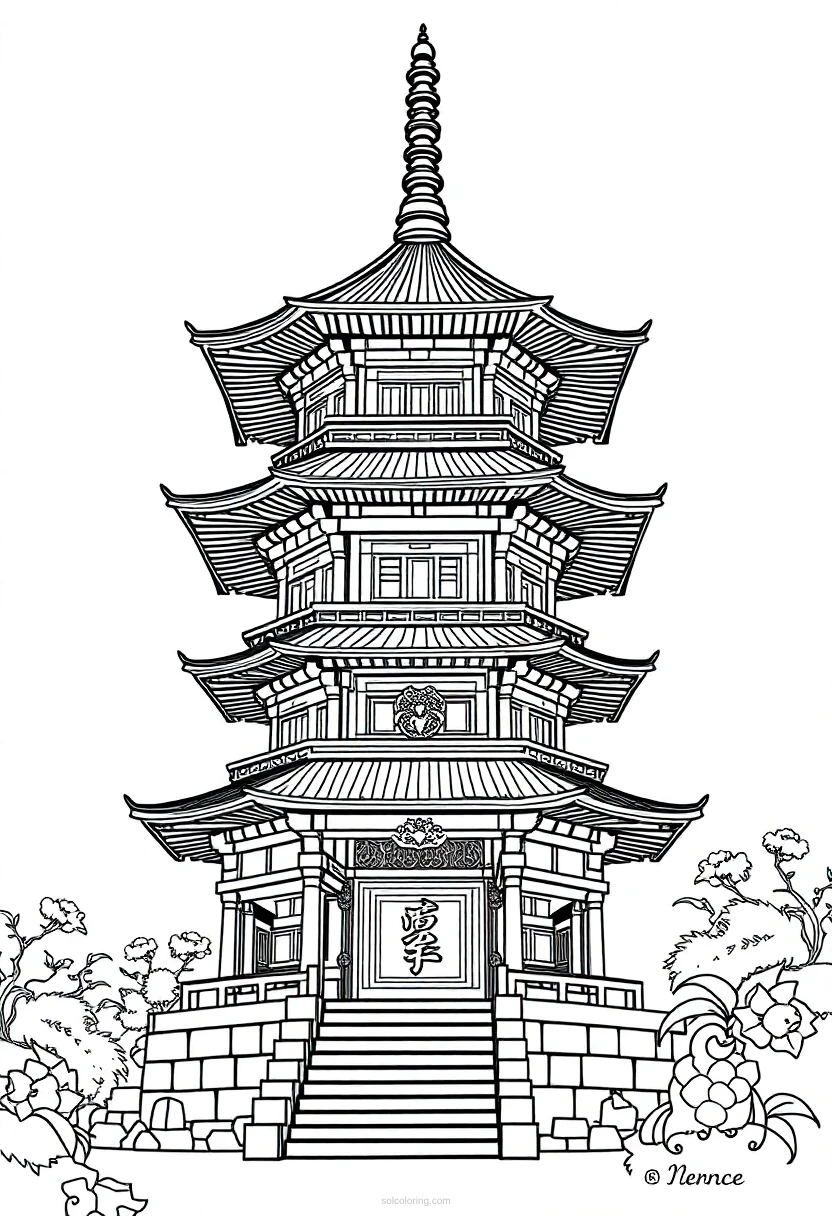
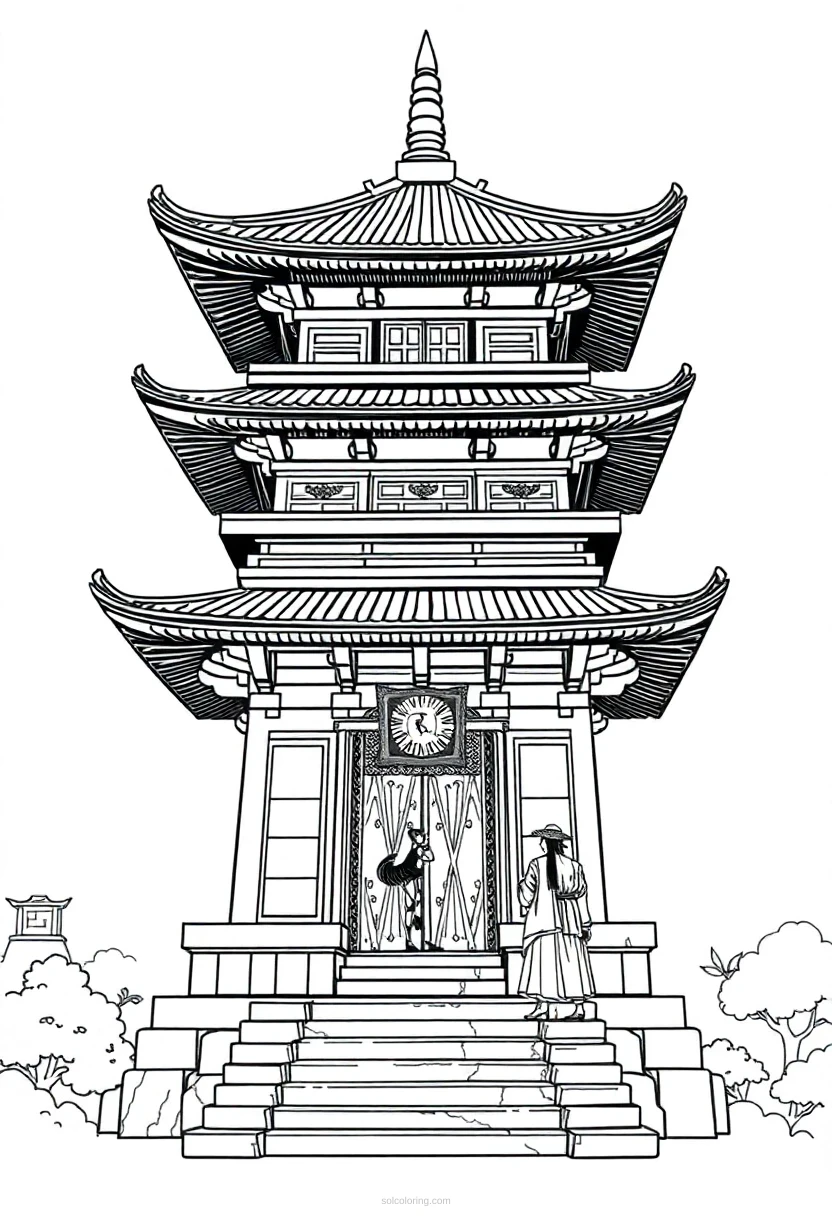
Japanese temple pagodas are stunning architectural treasures that blend spirituality with breathtaking design. These multi-tiered towers have stood for centuries as symbols of Buddhist and Shinto traditions across Japan. With their graceful curved roofs, intricate wooden details, and towering presence, pagodas represent harmony between earth and sky. Our free printable coloring page captures the serene beauty of these iconic structures, perfect for exploring Japanese culture and architecture. Coloring a Japanese temple pagoda helps you appreciate the craftsmanship and spiritual significance behind these magnificent landmarks. Download your free printable coloring page today and bring these majestic temples to life with your own creative colors.
Read more →Read less ↑
Choose a style
Did you know?
Fun facts about Japanese Temple Pagoda
The Horyu-ji Temple pagoda in Nara, Japan, is the world's oldest wooden building still standing after more than 1,300 years, predating European medieval cathedrals by centuries.
Japanese pagodas are engineered so well that they can sway during earthquakes without collapsing, using a central wooden pillar that moves independently from the outer structure.
The golden finial on top of a pagoda, called a sotoba, is believed to catch the sun's rays and carry prayers to heaven in Buddhist tradition.
Some Japanese pagodas contain Buddhist relics, ancient texts, or sacred artifacts sealed inside their central pillars that have never been opened since construction.
The five-tiered pagoda design represents the five elements of nature: earth at the base, followed by water, fire, wind, and void or sky at the top.
About Japanese Temple Pagoda
What is the history of Japanese temple pagodas?
Japanese pagodas evolved from Chinese pagoda designs brought to Japan during the 6th century through Buddhist teachings. The oldest existing wooden pagoda in the world is Horyu-ji Temple's five-story pagoda, built around 680 CE in Nara, Japan. These structures were designed to house Buddhist relics and serve as focal points for meditation and worship.
Why do Japanese pagodas have multiple tiers or levels?
Each tier of a Japanese pagoda typically represents one of the five elements: earth, water, fire, wind, and void or sky. The layered design isn't just decorative; it holds deep spiritual meaning in Buddhist philosophy. The number of tiers varies, with three, five, and seven-story pagodas being most common in Japanese temples.
What architectural features make Japanese pagodas unique?
Japanese pagodas feature curved roofs with overhanging eaves that extend outward, creating a graceful silhouette. They use wooden construction with intricate joinery, decorative finials on top called sotoba, and often incorporate metal elements. The design allows flexibility during earthquakes, helping these structures survive Japan's seismic activity for centuries.
How are Japanese pagodas built without modern tools?
Traditional Japanese pagoda builders used precise wooden joinery and interlocking techniques rather than nails or concrete. Craftsmen carved beams to fit together perfectly, distributing weight evenly across the structure. This engineering knowledge, passed down through generations, allowed pagodas to withstand earthquakes and weather for over 1,000 years without modern reinforcement.
What is the spiritual significance of Japanese temple pagodas?
Pagodas symbolize the Buddhist path to enlightenment, with each level representing a step toward spiritual awakening. They serve as monuments to Buddha and contain sacred relics or scriptures. Many Japanese people visit pagodas for meditation and contemplation, finding peace in their serene presence and architectural harmony with nature.
How tall are famous Japanese pagodas?
Japanese pagoda heights vary widely depending on the number of tiers. The five-story pagoda at Kiyomizu-dera Temple in Kyoto stands about 36 meters tall, while smaller three-tiered pagodas might reach 15 to 20 meters. The tallest wooden pagoda in Japan is the five-story tower at Toji Temple in Kyoto, soaring 54.8 meters high.
More Japanese coloring pages
Coloring page FAQs
Are these Japanese Temple Pagoda coloring pages free?
Yes, all our Japanese Temple Pagoda coloring pages are completely free to download and print. No subscription or payment is required. Simply visit Sol Coloring, select your favorite design, and print as many copies as you'd like on standard A4 or Letter paper. Enjoy creating without any hidden costs.
What age are these Japanese Temple Pagoda coloring pages for?
Our Japanese Temple Pagoda coloring pages work great for ages 8 to 14 and beyond. We offer different complexity levels: simpler designs for younger children with larger areas to color, and more detailed versions with intricate patterns for older kids and adults who enjoy a creative challenge.
How do I print these Japanese Temple Pagoda coloring pages?
Printing is simple and requires no account creation. Download the PDF file to your computer, open it with any PDF reader, and click print. Choose A4 or Letter paper size depending on your location. Use any standard home printer with black ink, then grab your colored pencils and start coloring.