Japanese
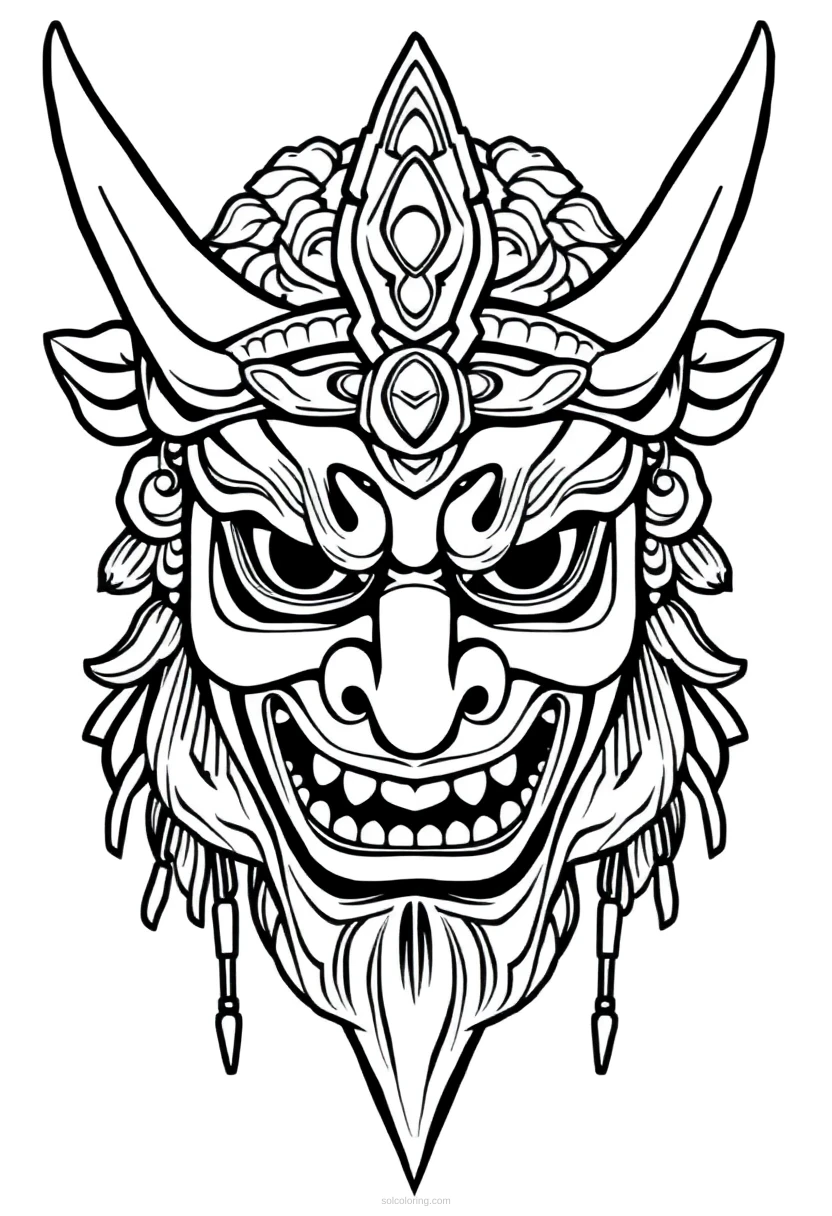
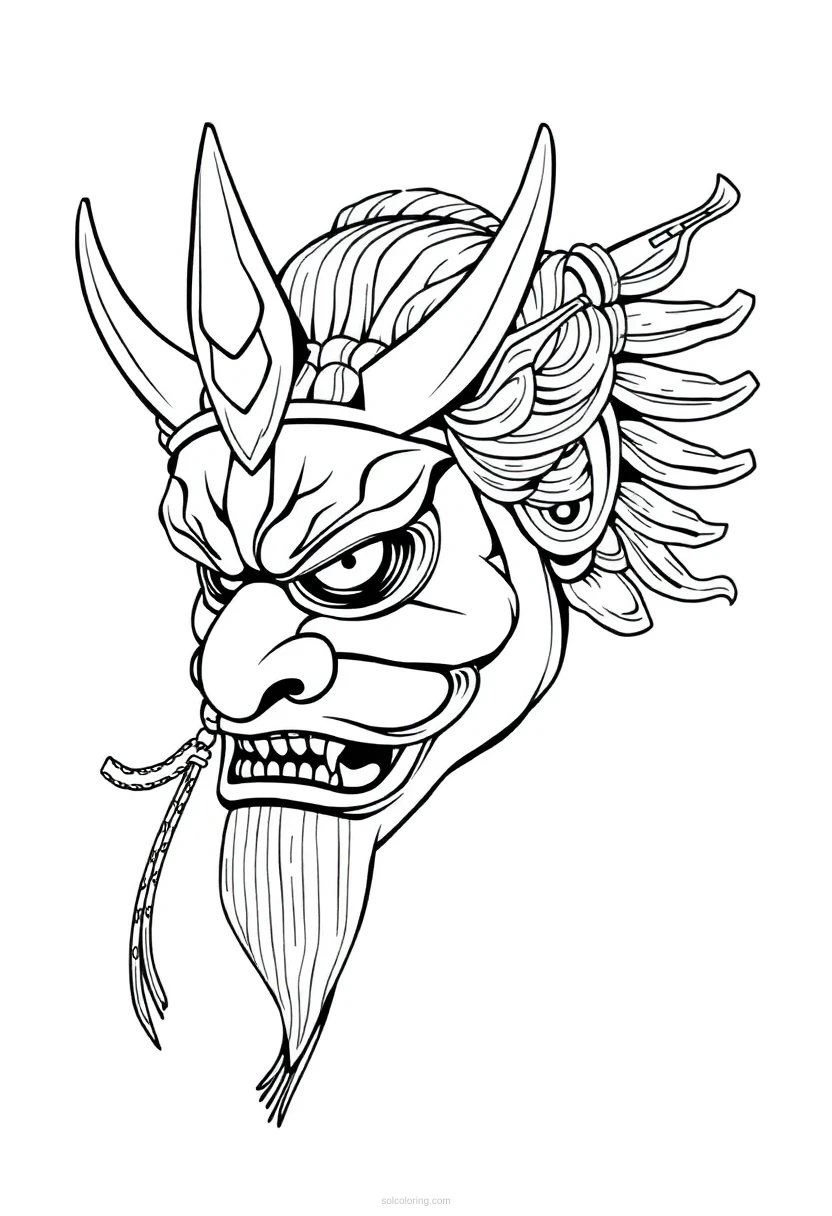
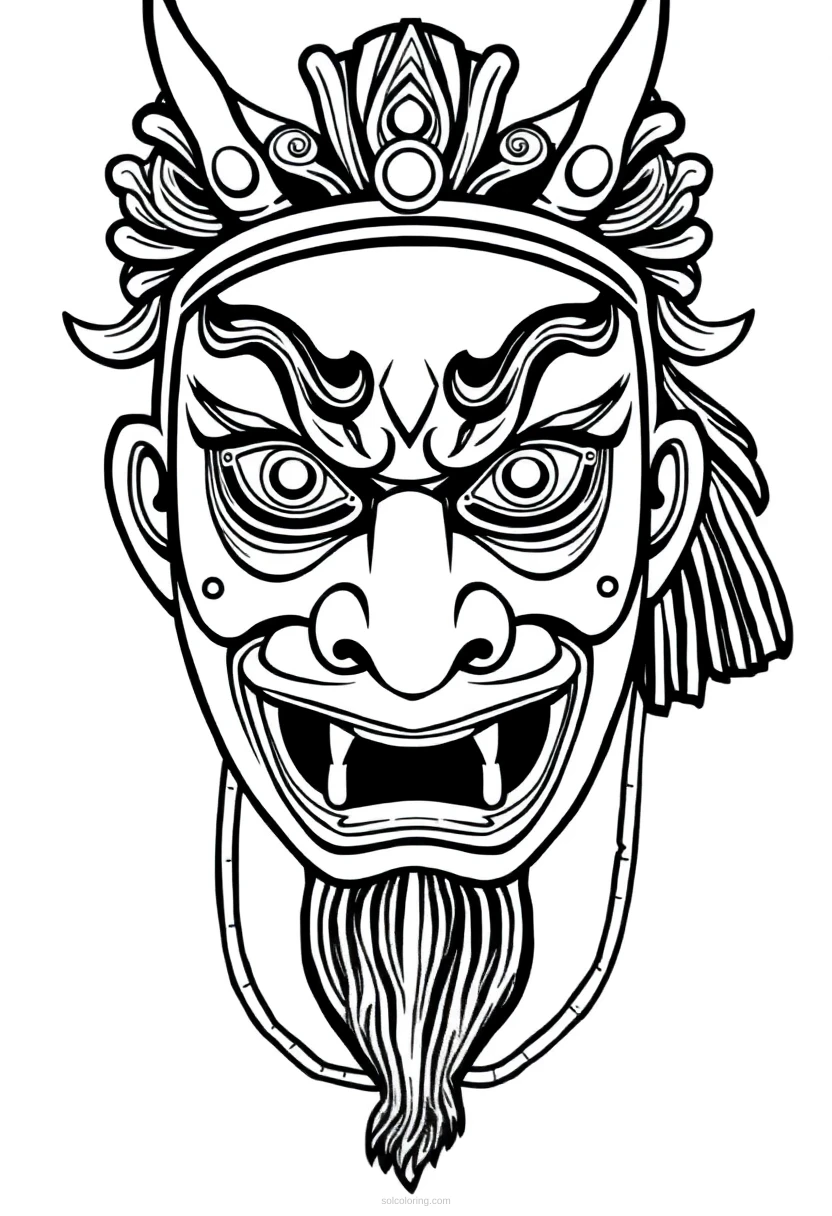
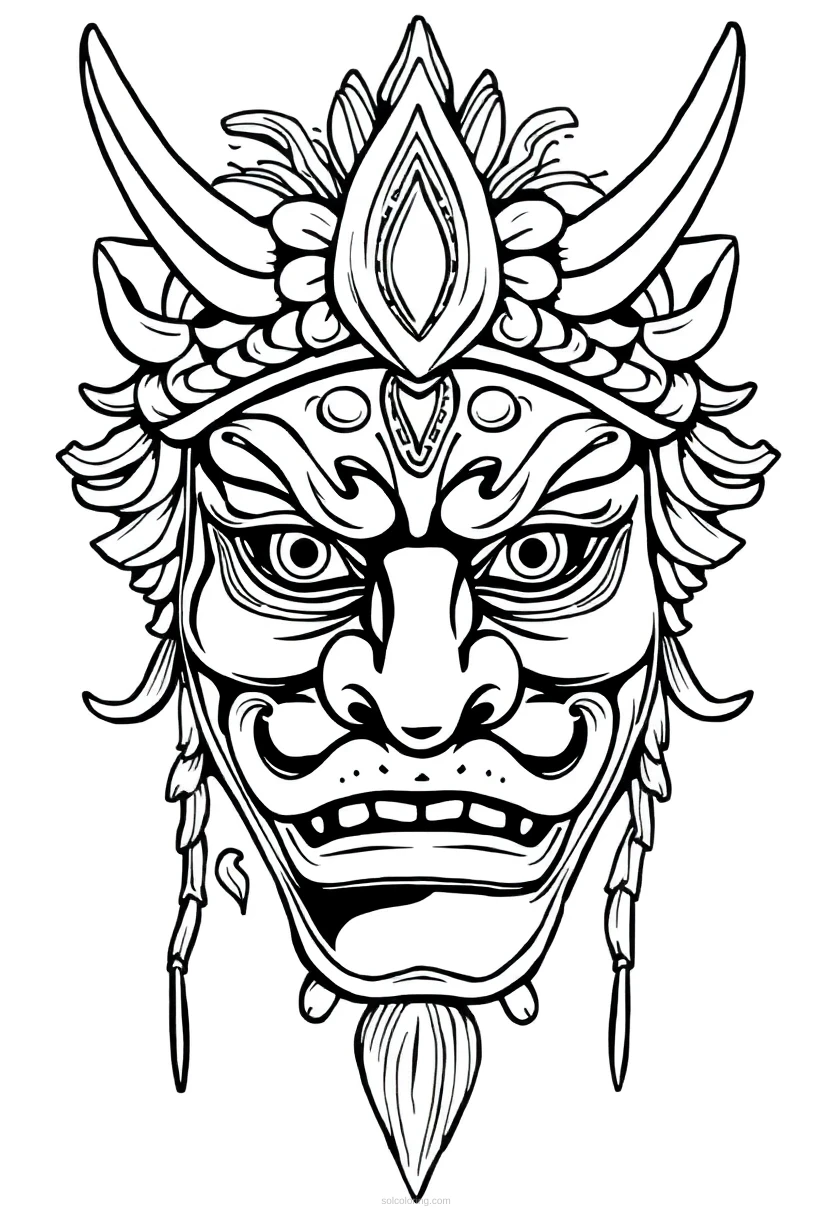
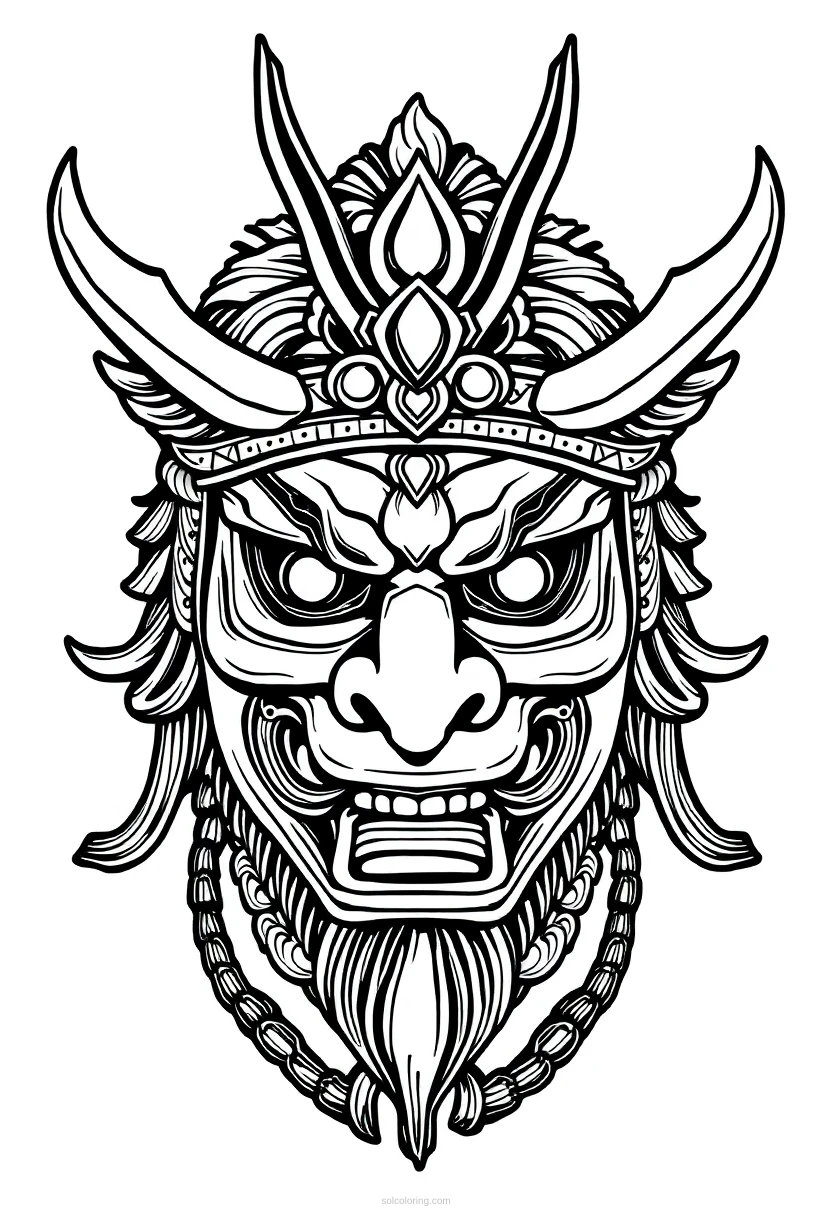
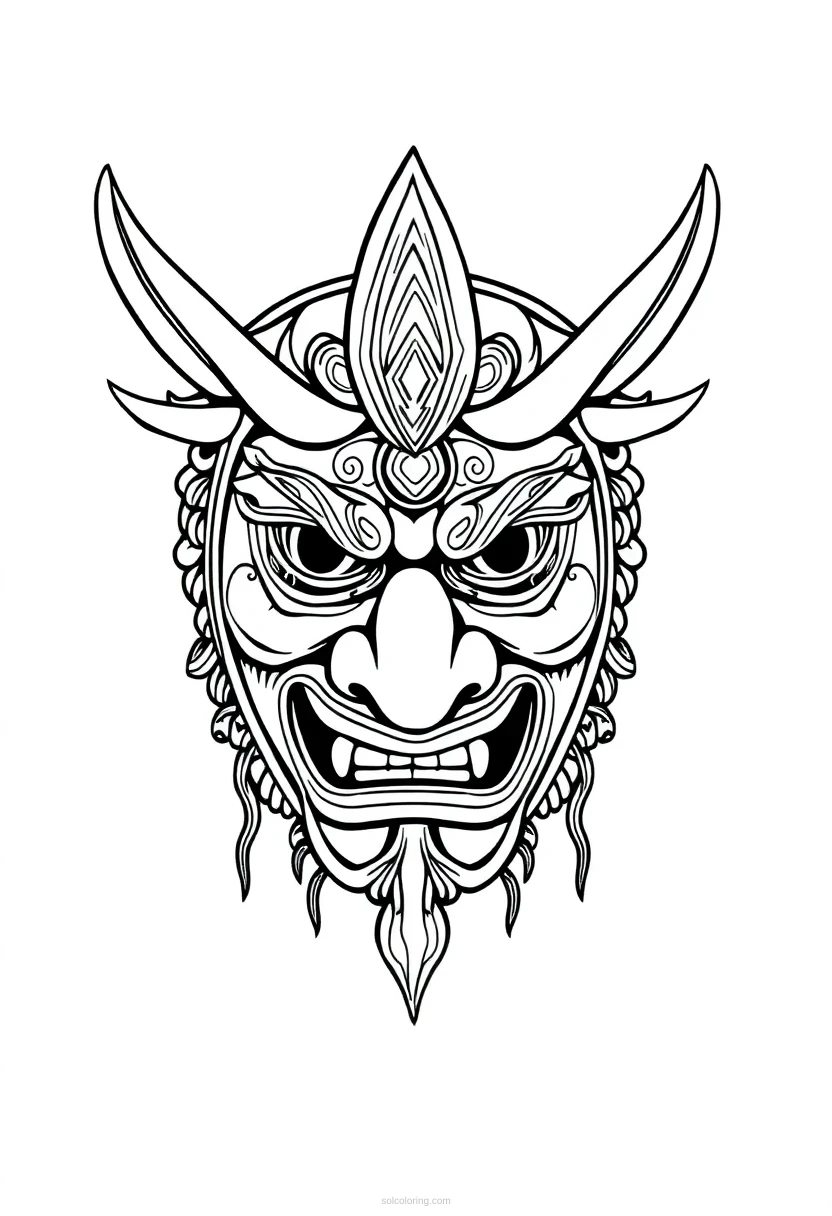
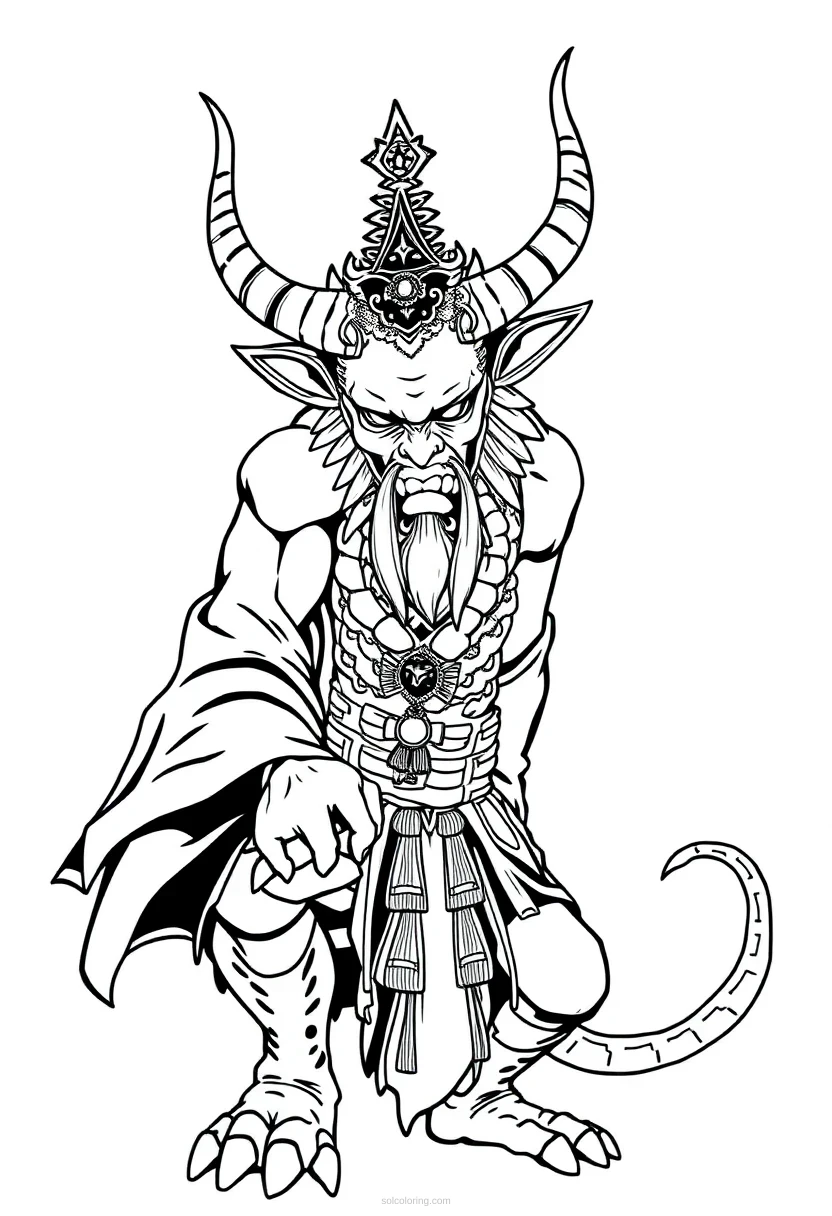
Traditional Japanese Masks Coloring Pages
6 free printable designs including Standard, Standard, Standard, Standard and more.
Traditional Japanese masks are fascinating works of art steeped in mythology, theater, and spiritual traditions spanning centuries. These beautifully crafted masks represent demons, gods, spirits, and characters from ancient legends and theatrical performances. Each mask tells a story through its unique expression, colors, and symbolic features. Our free printable coloring page of traditional Japanese masks invites you to explore these legendary designs while learning about Japanese culture. Whether you're interested in Noh theater masks or Shinto ritual masks, this free printable coloring page captures the mysterious beauty and intricate details that make Japanese masks truly special.
Read more →Read less ↑
Choose a style
Did you know?
Fun facts about Traditional Japanese Masks
The oldest surviving Noh mask in Japan dates back over 600 years and is so precious it is displayed only in museums and performed with extreme reverence.
A single Hannya mask can sell for thousands of dollars because master mask carvers spend months creating each one using ancient hand-carving techniques passed down through families.
In Noh theater, actors train for decades to understand how to move their heads subtly so the mask's expression changes with different angles of light and movement.
Traditional Japanese mask carvers consider the wood itself sacred and often perform Shinto rituals before cutting, honoring the tree that provided the material.
The white powder called gofun, made from crushed shells and seaweed, was historically used to create the base color on many traditional masks before adding other pigments and details.
About Traditional Japanese Masks
What are the most famous types of traditional Japanese masks?
The most famous types include Noh masks used in classical theater, each with specific character meanings. Hannya masks represent jealous female demons, while Okina masks depict wise old men. Shinto ritual masks are used in religious ceremonies to honor spirits and gods. Kyogen masks, used in comedic theater, feature exaggerated expressions. Each type has distinct characteristics that immediately identify the character or spirit being portrayed.
Why were traditional Japanese masks so important in ancient culture?
Masks held deep spiritual significance in Japanese mythology and ritual. They allowed performers to embody gods, demons, and legendary characters in sacred ceremonies and theatrical performances. Wearing a mask was believed to transform the wearer into the character, connecting the physical world with the spiritual realm. This practice dates back over a thousand years and remains important in traditional Japanese arts today.
What materials were traditional Japanese masks made from?
Traditional masks were carved primarily from lightweight Japanese cypress wood, prized for its fine grain and durability. Artisans would hand-carve each mask with incredible precision, then apply natural lacquers and pigments for color and protection. Some masks featured human hair, animal fur, or metal accents. The craftsmanship required years of training and was highly respected as a sacred art form.
What does the Hannya mask represent in Japanese mythology?
The Hannya mask depicts a jealous female demon with a tormented expression, featuring horns, a twisted mouth, and blazing eyes. In Japanese folklore and Noh theater, Hannya represents intense emotion, particularly female jealousy and rage transformed into demonic form. The mask tells a story of a woman's anguish and her descent into darkness, making it one of the most emotionally powerful and recognizable masks in Japanese art and theater.
How long does it take to carve a traditional Japanese mask?
Creating a single traditional mask can take several months of dedicated work. Master carvers spend weeks studying wood grain before making the first cut, then carefully carve every detail by hand using specialized chisels. After carving, the mask must dry properly, then be sanded, lacquered, and hand-painted with natural pigments. This meticulous process produces masks that are considered timeless works of art.
Are traditional Japanese masks still used today?
Yes, traditional masks remain vital to Japanese culture. Noh theater still uses authentic hand-carved masks in performances, and Shinto shrines continue using ritual masks in religious ceremonies. Contemporary artists create new masks honoring traditional techniques while exploring modern themes. Museums worldwide display these masks as art treasures, and coloring pages like ours help introduce younger generations to their fascinating cultural heritage and artistic beauty.
More Japanese coloring pages
Coloring page FAQs
Are these Traditional Japanese Mask coloring pages free?
Yes, absolutely! All our traditional Japanese mask coloring pages are completely free to download and print. No hidden fees, subscriptions, or sign-ups required. Simply visit solcoloring.com, find your favorite mask design, download it, and start coloring. Print as many copies as you'd like for unlimited creative fun.
What age are these Traditional Japanese Mask coloring pages for?
These traditional Japanese mask coloring pages are perfect for kids and adults aged 8 to 14, though anyone can enjoy them. We offer varying complexity levels: simpler designs for younger colorists with bold outlines, and more detailed masks with intricate patterns for older kids and adults seeking a challenging, rewarding experience.
How do I print these Traditional Japanese Mask coloring pages?
Printing is simple and requires no special setup. Download the PDF, open it on your computer, and print using any standard home printer on Letter or A4 paper. No account creation needed. Adjust printer settings for best quality, use colored pencils or markers, and enjoy bringing these legendary masks to life with your creativity.