
Norse
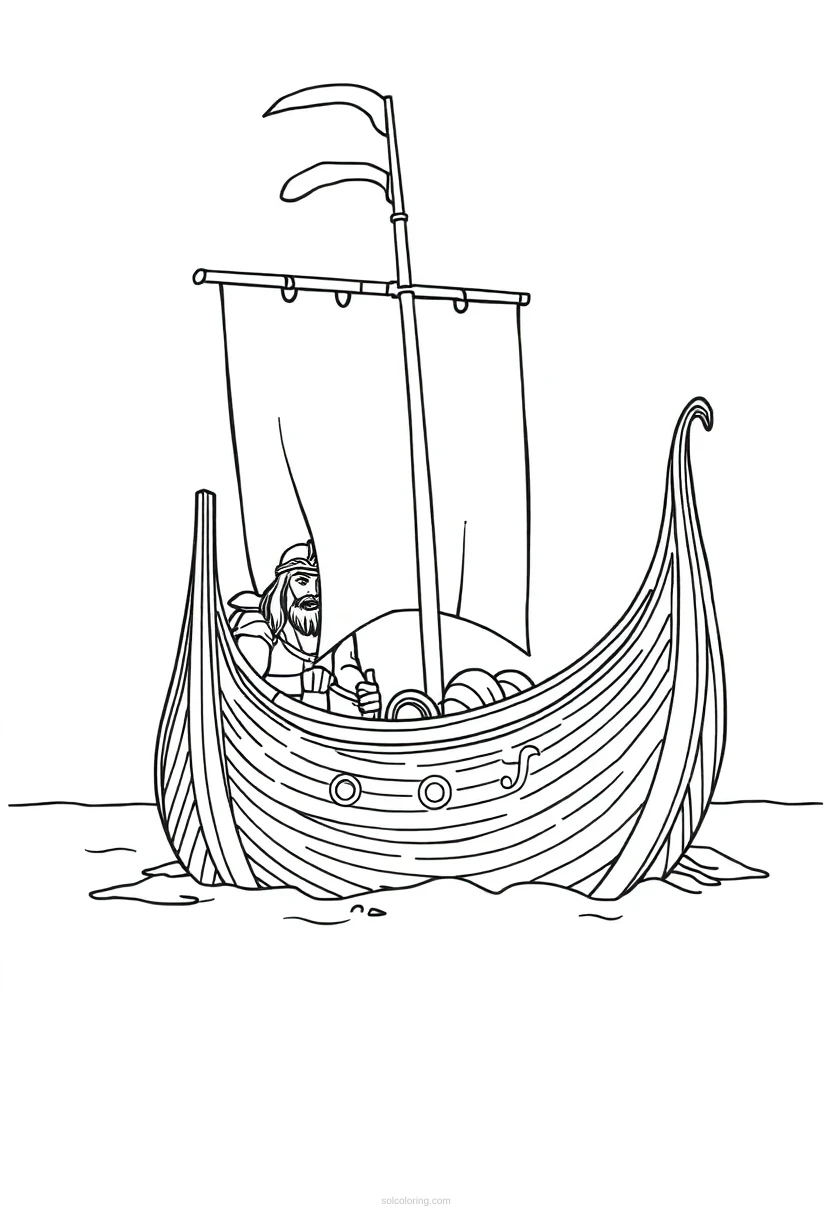
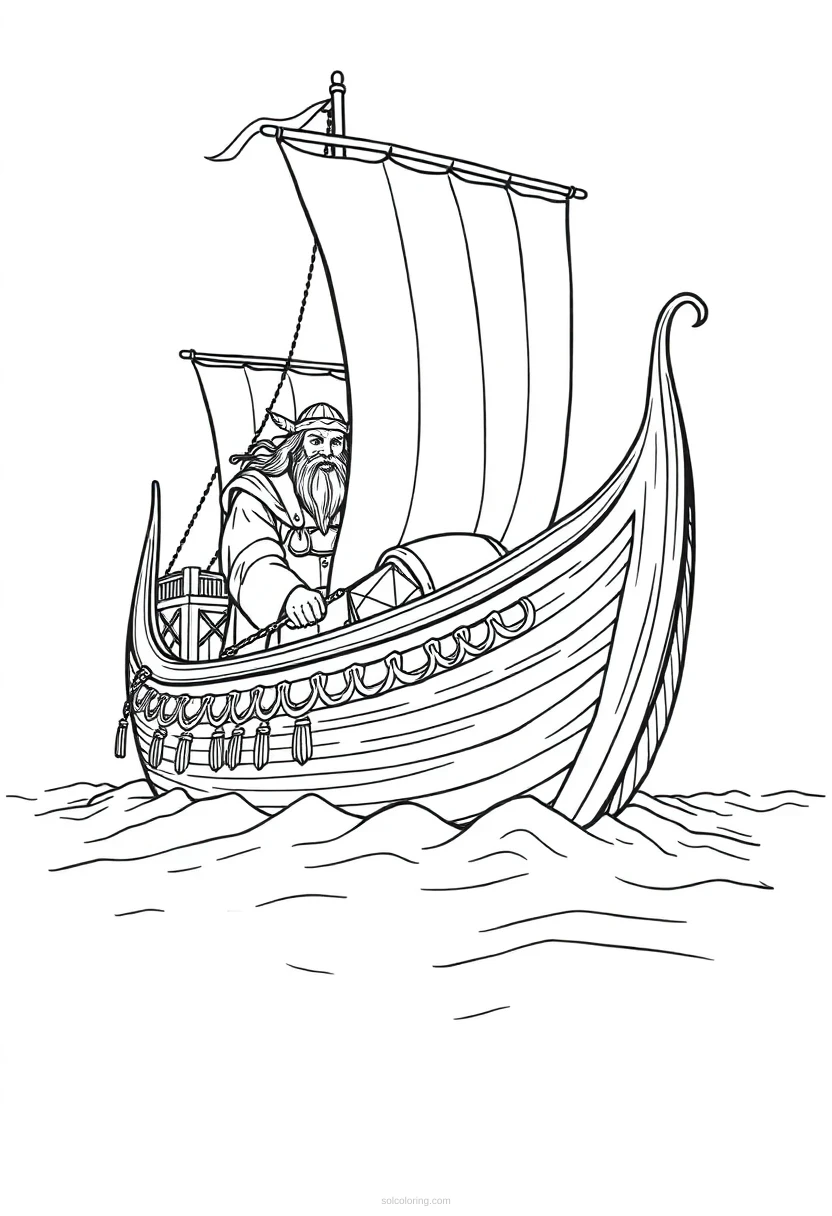
Viking Longship Coloring Pages
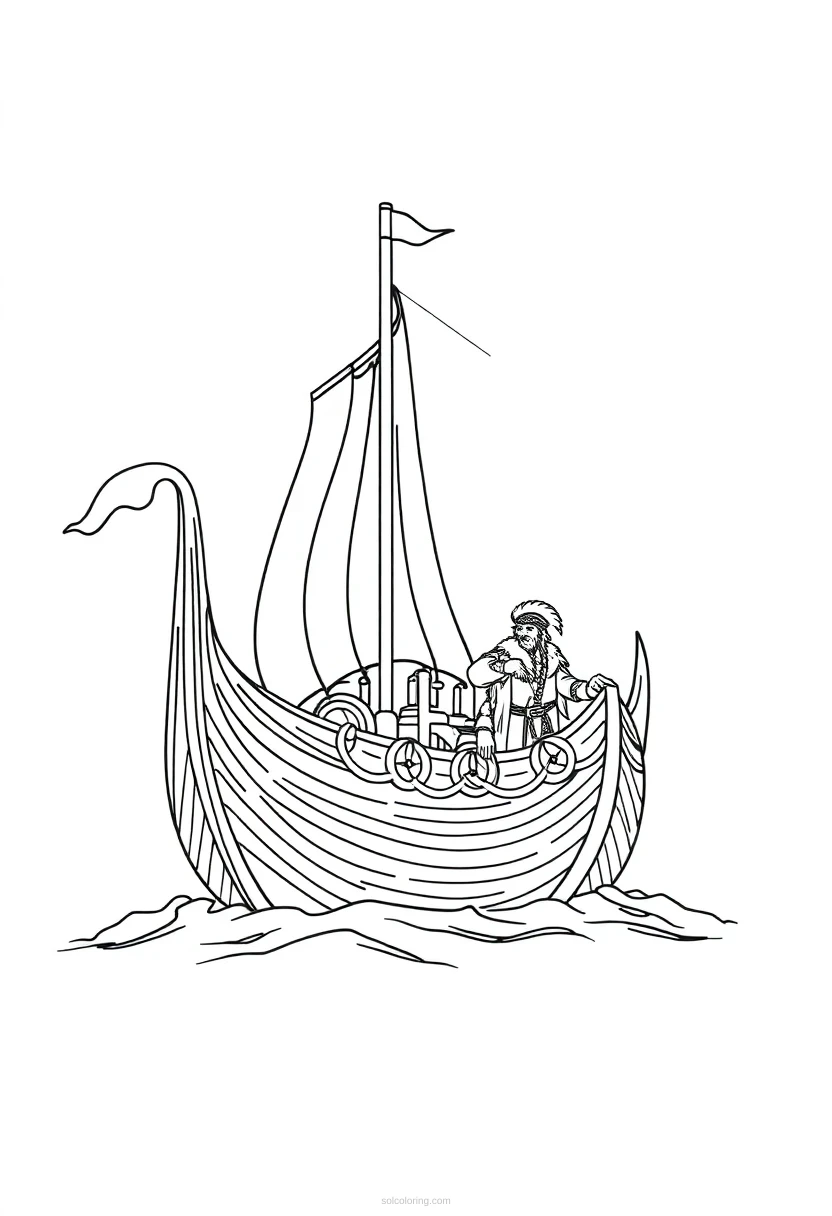
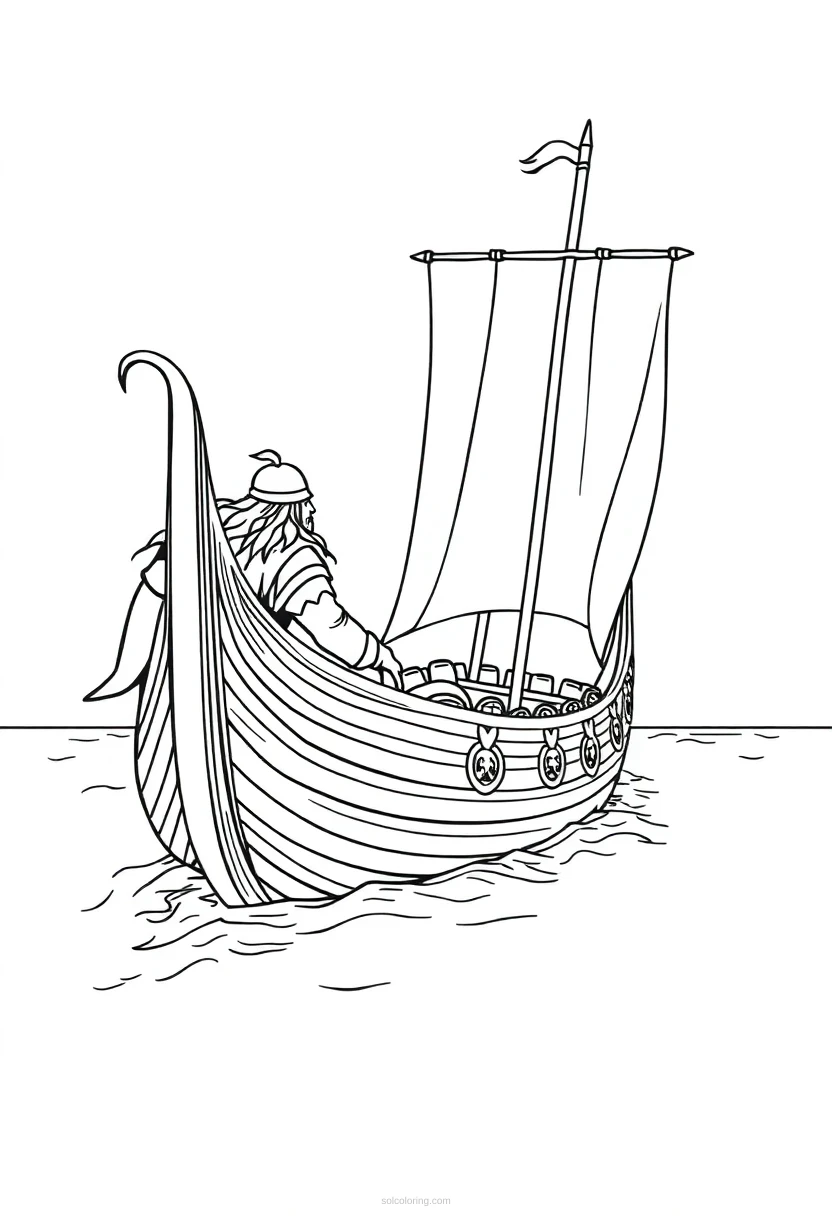
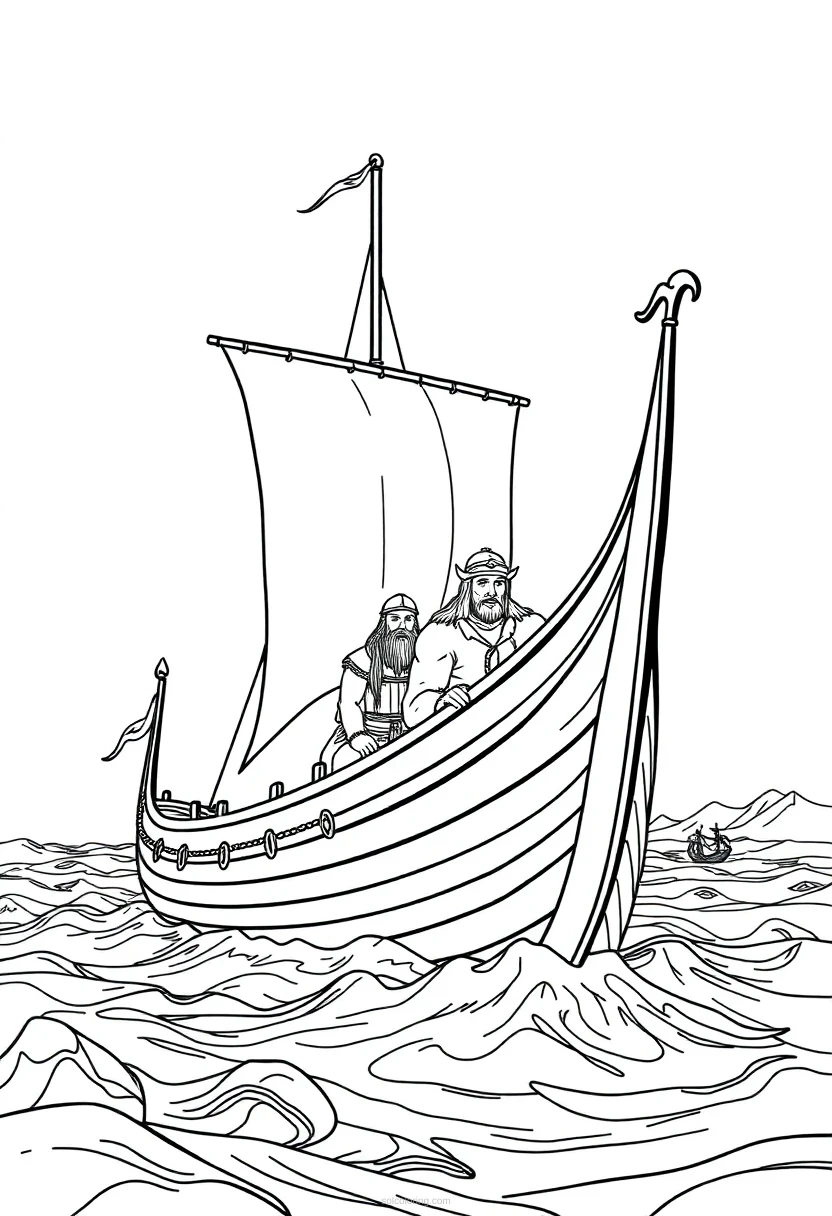
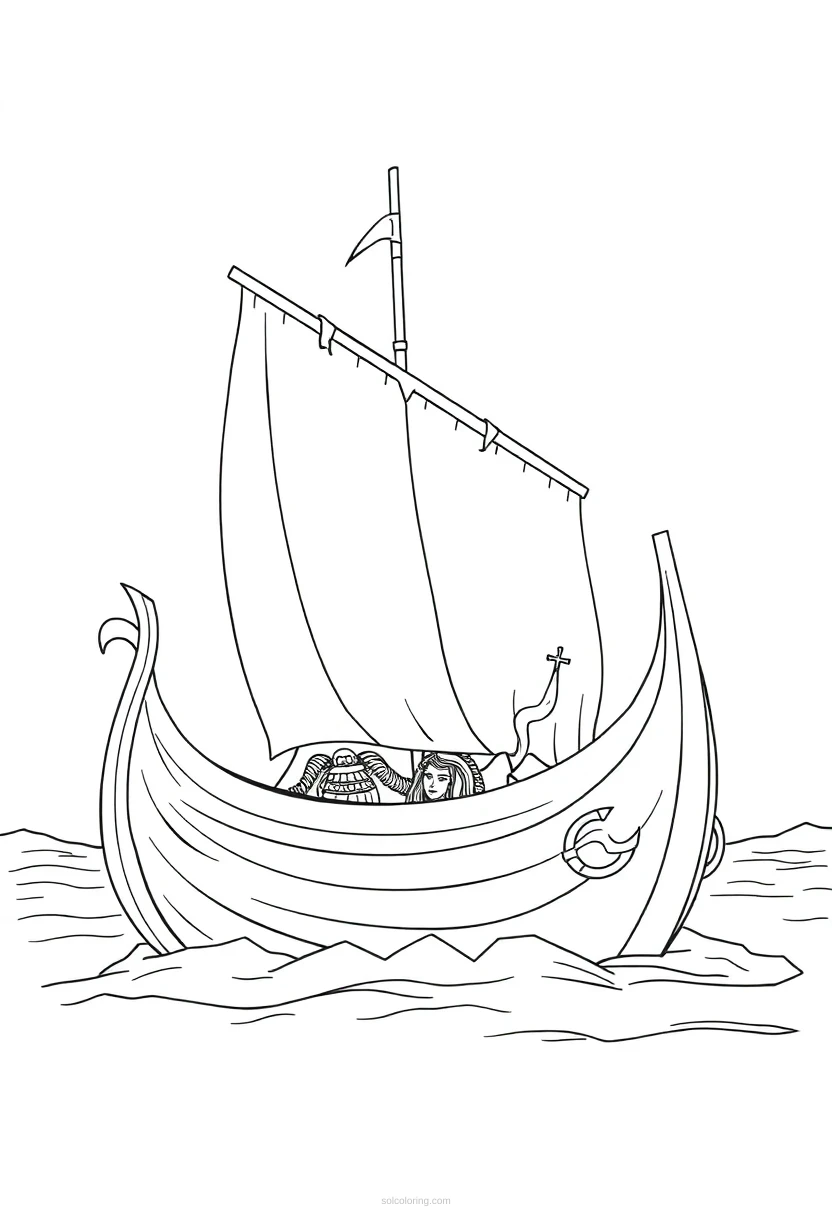
6 free printable designs including Standard, Standard, Standard, Standard and more.
Viking longships were incredible vessels that transformed exploration and warfare in medieval Europe. These sleek, shallow-draft ships allowed Norse warriors and traders to navigate both open oceans and shallow rivers, reaching distant lands from North America to the Mediterranean. With their distinctive dragon-head prows and innovative design, longships became symbols of Viking power and adventure. Our free printable coloring page captures the majesty of these legendary ships, letting you bring Viking history to life with color. Whether you are interested in Norse mythology or maritime history, this free printable coloring page offers a creative way to explore one of history's most iconic vessels.
Read more →Read less ↑
Choose a style
Did you know?
Fun facts about Viking Longship
Viking longships could be flipped upside down and used as temporary shelters during land journeys, with the crew sleeping underneath the hull.
The famous Gokstad ship, discovered in Norway and dating to around 890 AD, was buried as a royal tomb and is one of the best-preserved longships ever found.
A Viking longship could be rowed backwards just as effectively as forwards due to its symmetrical double-ended design.
Some Viking longships featured dragon or serpent head carvings on their prows, which were believed to have spiritual and intimidating power in Norse culture.
The shallowest-draft longships required only 2.5 feet of water, allowing Vikings to navigate rivers that seemed impossible to cross, surprising inland communities during raids.
About Viking Longship
What was a Viking longship and why were they so important?
A Viking longship was a specially designed vessel used by Norse explorers and warriors from roughly 800 to 1100 AD. These ships featured shallow drafts allowing navigation in both deep oceans and shallow rivers, enabling Vikings to reach England, France, Russia, and even North America. Their innovative design made long-distance travel and surprise raids possible, fundamentally changing medieval European history and establishing Viking dominance as traders and explorers.
How were Viking longships built and what materials were used?
Viking longships were constructed primarily from oak wood, chosen for its strength and flexibility. Shipbuilders used overlapping wooden planks called clinker construction, which made ships flexible and seaworthy. They were held together with iron rivets and wooden pegs, with woolen caulking between planks to prevent leaks. This innovative building technique allowed ships to withstand rough ocean conditions while remaining light enough for portage between rivers.
What were the typical dimensions and crew size of a longship?
A typical Viking longship measured between 50 and 80 feet long and about 15 to 20 feet wide. These vessels drew remarkably shallow water, sometimes only 3 feet when fully loaded, allowing navigation up rivers. A crew typically included 30 to 100 men depending on the ship's size, with larger crews used for warfare and smaller groups for trading expeditions along established routes.
How did Vikings navigate their longships without modern instruments?
Vikings relied on an impressive combination of natural navigation techniques, including sun and star observation, bird behavior, ocean swells, and color changes in water to determine location. They created simple maps on wood and used mental landmarks passed through generations of seafarers. This remarkable knowledge allowed them to reach distant lands like Greenland and Vinland with surprising accuracy long before compasses were widely available.
What features made Viking longships superior to other medieval vessels?
Longships possessed several revolutionary features: shallow drafts for river navigation, double-ended design for quick direction changes, and flexible hulls that absorbed wave impact. The single square sail combined with oars provided speed and maneuverability unmatched by contemporary ships. These innovations made longships faster, more versatile, and capable of surprise attacks that other nations could not defend against effectively.
What happened to Viking longships and why did they stop being built?
As medieval societies developed stronger coastal defenses and organized navies in the 11th century, the advantages of lightweight longships diminished. Improved fortifications made surprise raids less effective, and traders increasingly favored larger cargo vessels. By the 1100s, longship construction had largely ceased, replaced by new ship designs better suited to changing medieval warfare and commerce patterns.
More Norse coloring pages
Coloring page FAQs
Are these Viking Longship coloring pages free?
Yes, all our Viking Longship coloring pages are completely free to download and print. Simply visit our website, select the design you like, and download the PDF. No subscription, registration, or hidden fees required. Start coloring right away.
What age are these Viking Longship coloring pages for?
Our Viking Longship coloring pages are designed for ages 8 to 14, with varying complexity levels. Younger children will enjoy simple outlines and larger spaces, while older kids can tackle detailed versions with intricate patterns and realistic ship elements.
How do I print these Viking Longship coloring pages?
Download the PDF file to your computer, then open it and click print. Choose A4 or Letter size depending on your location. Use any standard home printer and regular paper. No special software or account needed.