
Professions
Astronaut Mandala Coloring Pages
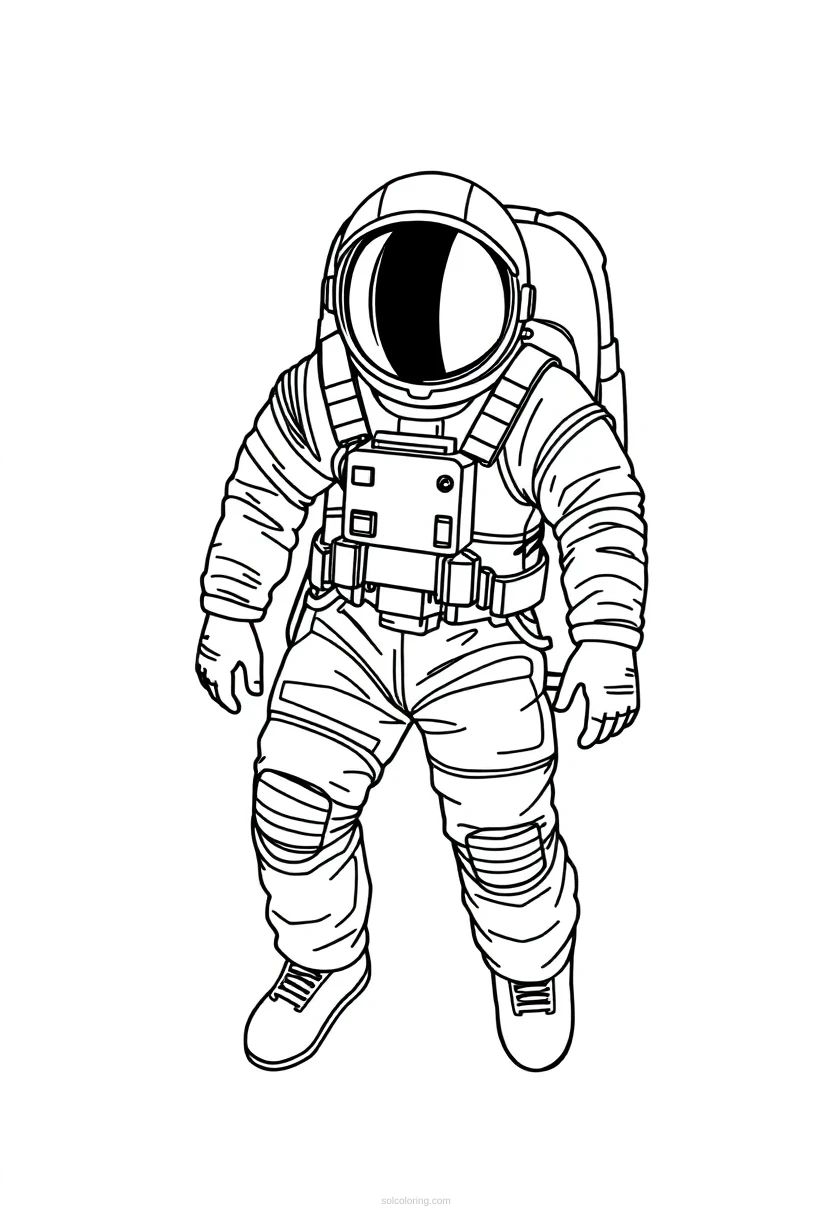
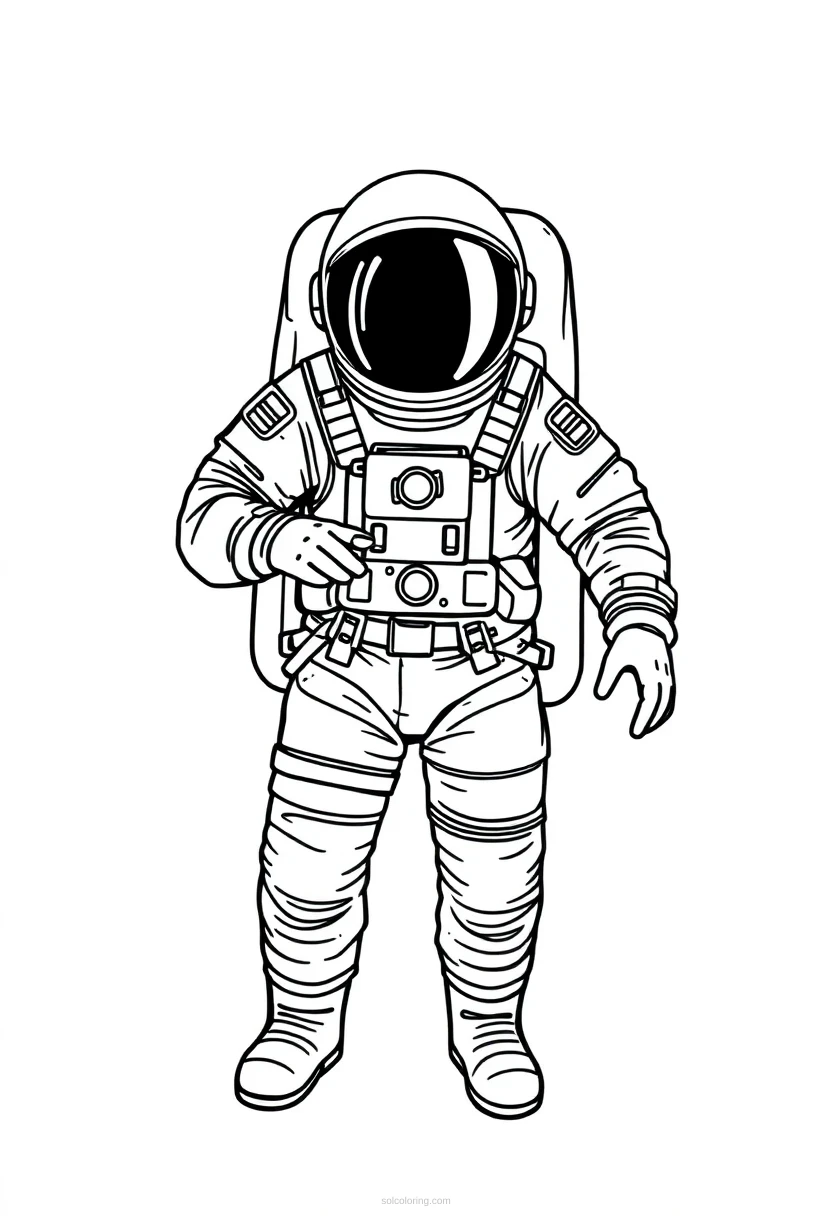
6 free printable designs including Standard, Standard, Standard, Standard and more.
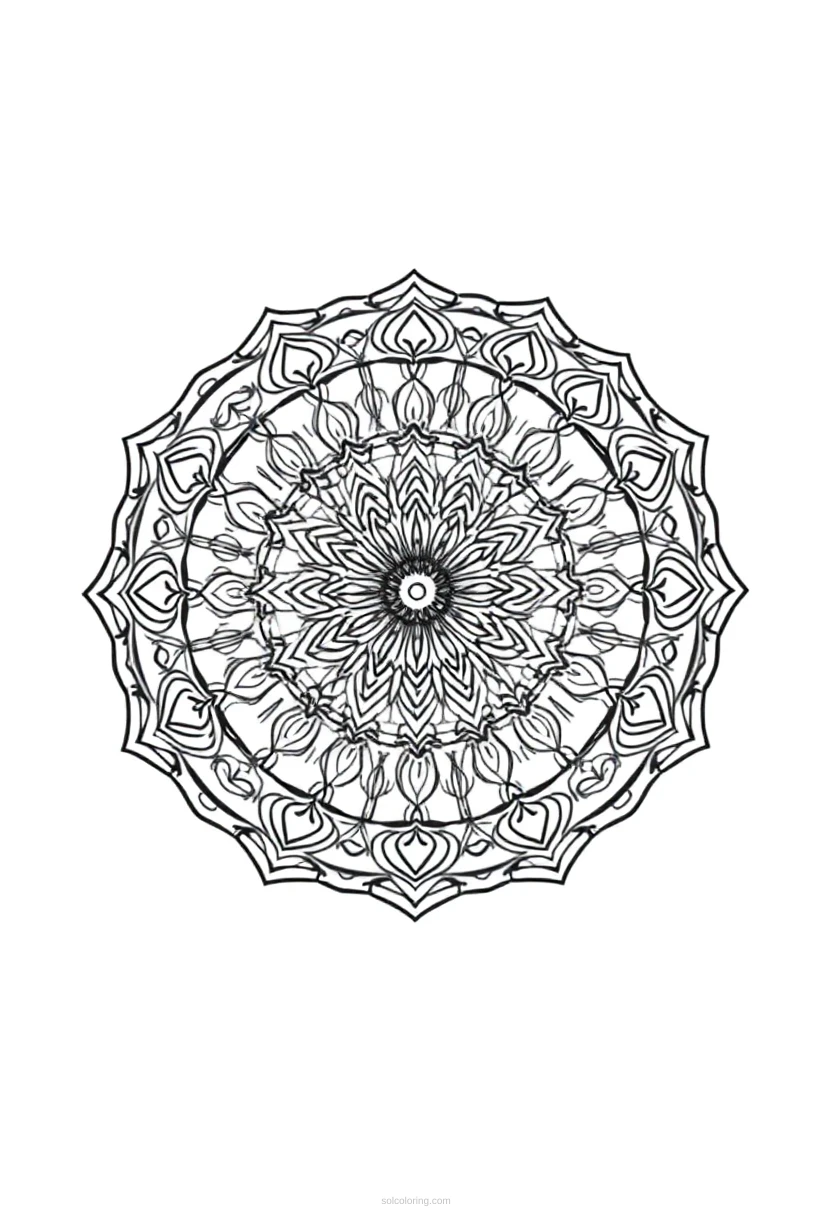
Blast off into creativity with our stunning Astronaut Mandala free printable coloring page. Mandalas are circular geometric patterns that promote focus and relaxation, making them perfect for both kids and adults. This unique design combines the wonder of space exploration with the meditative art of mandala coloring. Astronauts inspire us to dream big and reach for the stars, so why not celebrate their incredible profession while enjoying our free printable coloring page? Whether you're fascinated by space or simply love intricate designs, this coloring page offers hours of artistic enjoyment and peaceful creativity.
Read more →Read less ↑
Choose a style
Did you know?
Fun facts about Astronaut Mandala
Astronauts can grow up to 2 inches taller in space because microgravity eliminates spinal compression, but they shrink back to normal size when returning to Earth.
The first woman in space was Soviet cosmonaut Valentina Tereshkova in 1963, four years before any American woman flew to space.
Astronauts must be able to work in complete darkness and silence during emergency situations, requiring exceptional mental and physical training.
In space, astronauts experience sunrise and sunset every 45 minutes while orbiting Earth, resulting in sixteen day-night cycles in a single 24-hour period.
NASA astronauts must learn Russian language skills and Russian cosmonauts must learn English because both countries cooperate on the International Space Station.
About Astronaut Mandala
What training do astronauts need to complete?
Astronauts undergo years of intensive training lasting approximately two years after selection. They study engineering, science, and spacecraft systems while learning survival skills, spacewalk procedures, and emergency protocols. Physical fitness and psychological evaluation are crucial components. Astronauts must be ready for extreme conditions and work as a cohesive team in confined spaces during missions lasting weeks or months.
How fast do spacecraft travel in space?
Spacecraft orbiting Earth travel at approximately 17,500 miles per hour, completing one orbit every 90 minutes. Interplanetary spacecraft like those heading to Mars travel even faster relative to Earth, reaching speeds over 24,000 miles per hour. Despite these incredible velocities, astronauts experience weightlessness and feel very little movement because there's no atmosphere to create friction or resistance in the vacuum of space.
What do astronauts eat and drink in space?
Astronauts consume specially prepared freeze-dried and thermostabilized foods that require minimal preparation and produce little waste. They drink water from pouches with special valves to prevent floating droplets. Meals must provide complete nutrition while being easy to consume in microgravity. Interestingly, astronauts often report that food tastes different in space due to fluid shift affecting their sinuses and taste perception.
Why do astronauts wear spacesuits?
Spacesuits are essential life-support systems protecting astronauts from the extreme space environment. They provide breathable oxygen, maintain body temperature, and shield against dangerous radiation and micrometeorites. A single spacesuit costs millions of dollars and weighs about 280 pounds on Earth. Modern suits have communication systems, cooling garments, and even urine collection systems for extended spacewalks lasting up to seven hours.
How do astronauts sleep in space?
Astronauts sleep in small private quarters called sleep stations or crew compartments, typically sleeping in sleeping bags attached to walls or ceilings to prevent floating around. They wear eye shades to block sunlight, as spacecraft orbit Earth every 90 minutes, experiencing sixteen sunrises and sunsets daily. Most astronauts sleep six to eight hours but often report feeling restless due to microgravity and the unusual environment.
What was the first spacewalk like?
Soviet cosmonaut Alexei Leonov completed the first spacewalk on March 18, 1965, venturing outside his Voskhod 2 spacecraft for twelve minutes. He experienced unexpected physical sensations and his suit expanded in the vacuum, making movement difficult. Leonov's historic achievement opened possibilities for future space exploration and extravehicular activities. His courage paved the way for moon landings and construction of the International Space Station.
More Professions coloring pages



Coloring page FAQs
Are these Astronaut Mandala coloring pages free?
Yes, completely free! Our Astronaut Mandala coloring pages are available for instant download and printing at no cost. Simply visit Sol Coloring, select your design, and print as many copies as you'd like. No signup, registration, or payment required. Enjoy unlimited printing for your entire family.
What age are these Astronaut Mandala coloring pages for?
These Astronaut Mandala coloring pages are designed for ages 8 to 14 and beyond. The intricate mandala patterns offer a good challenge for older kids while remaining accessible to younger colorists. Adults also love these designs for stress relief. Choose the complexity level that suits your skill and patience.
How do I print these Astronaut Mandala coloring pages?
Printing is simple and straightforward. Download the PDF file and open it on your computer. Select print from your menu, choose your paper size (A4 or Letter), and send to your home printer. No special settings needed. You can print multiple copies for friends and family anytime.