Professions
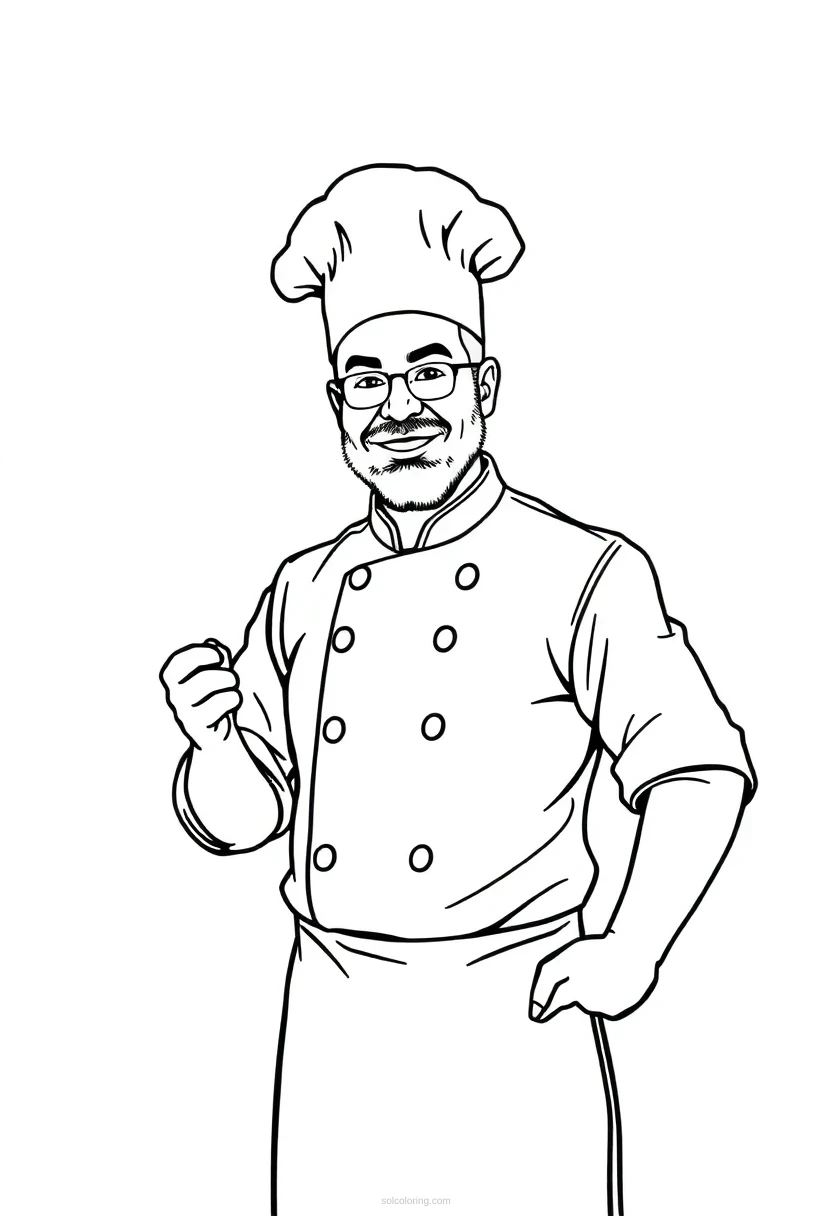
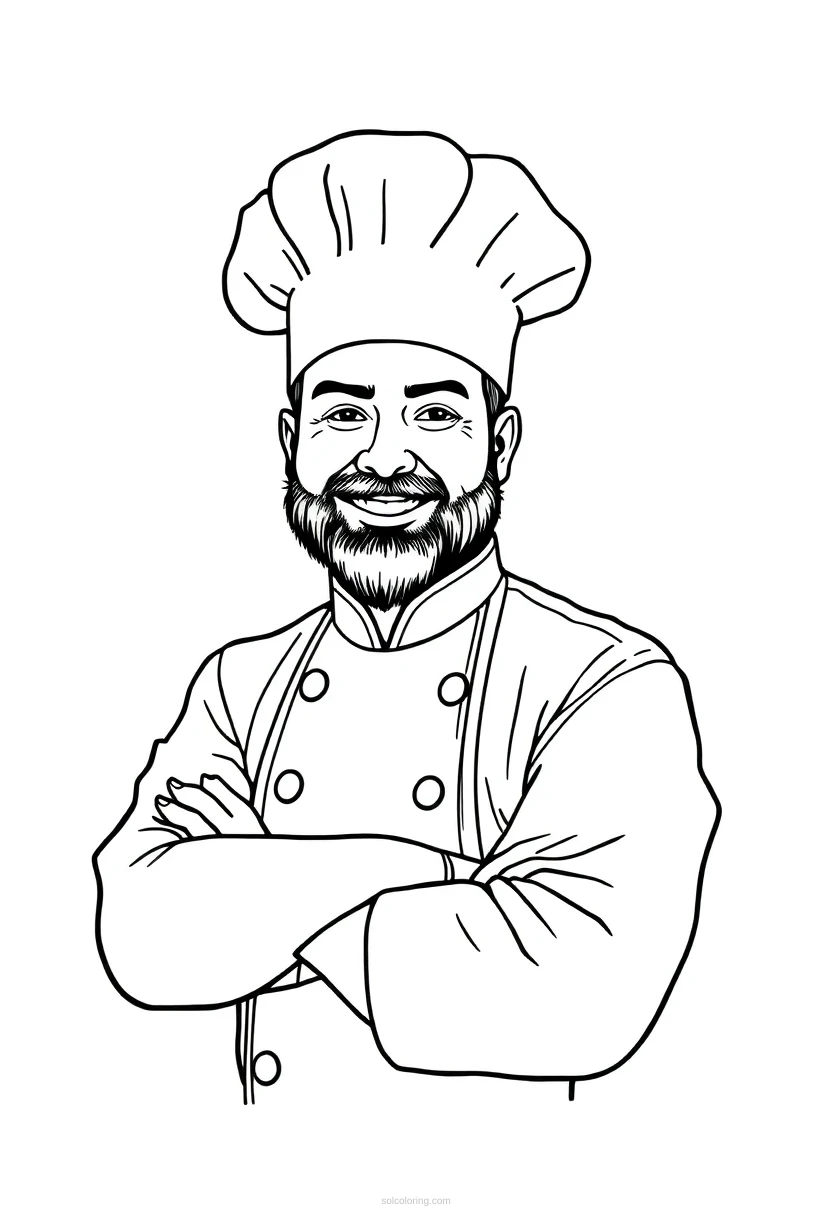
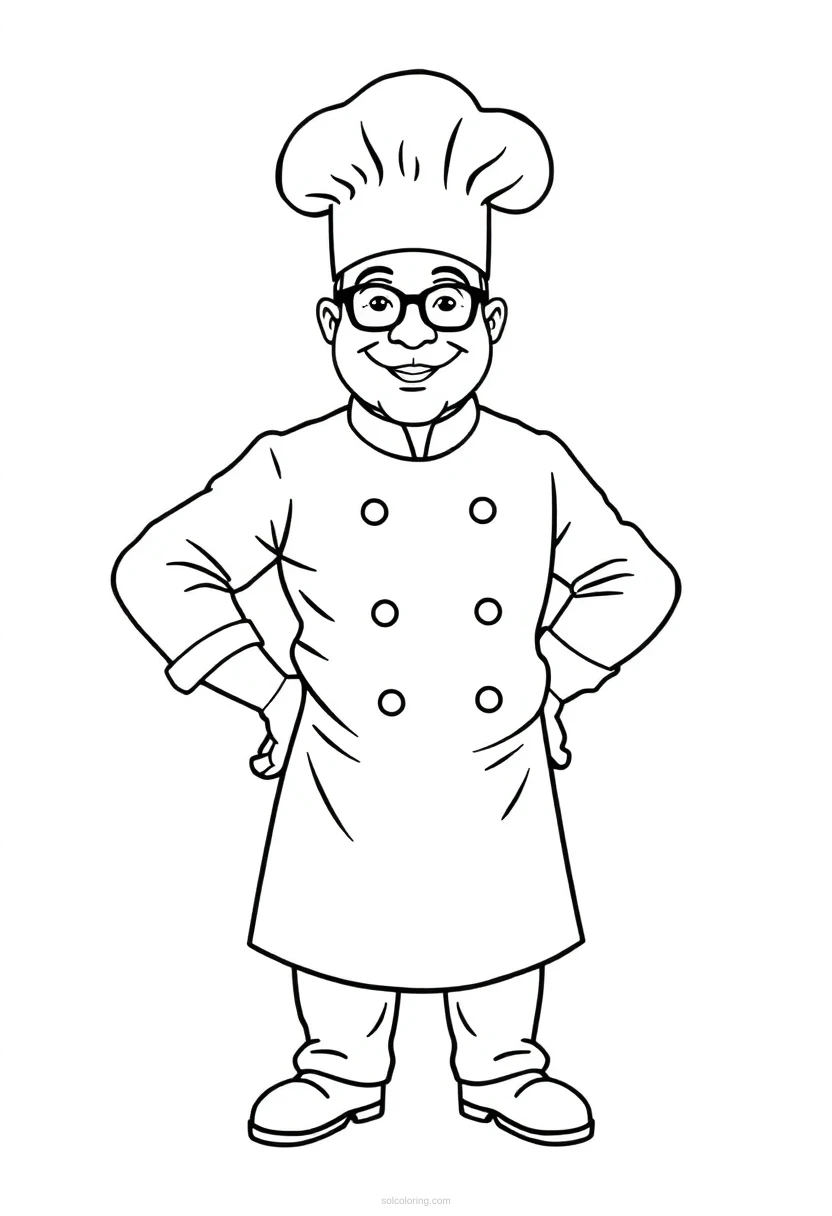
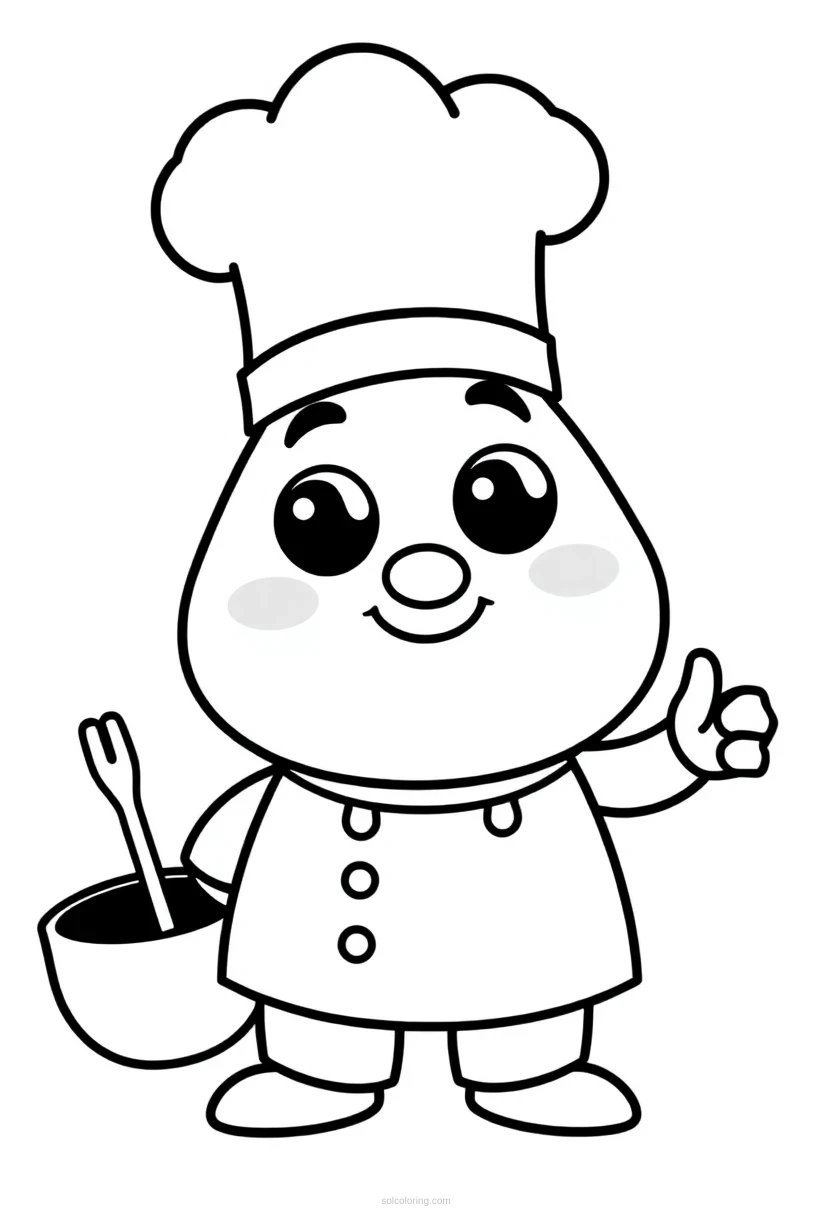
Chef Coloring Page
Standard style
About this coloring page
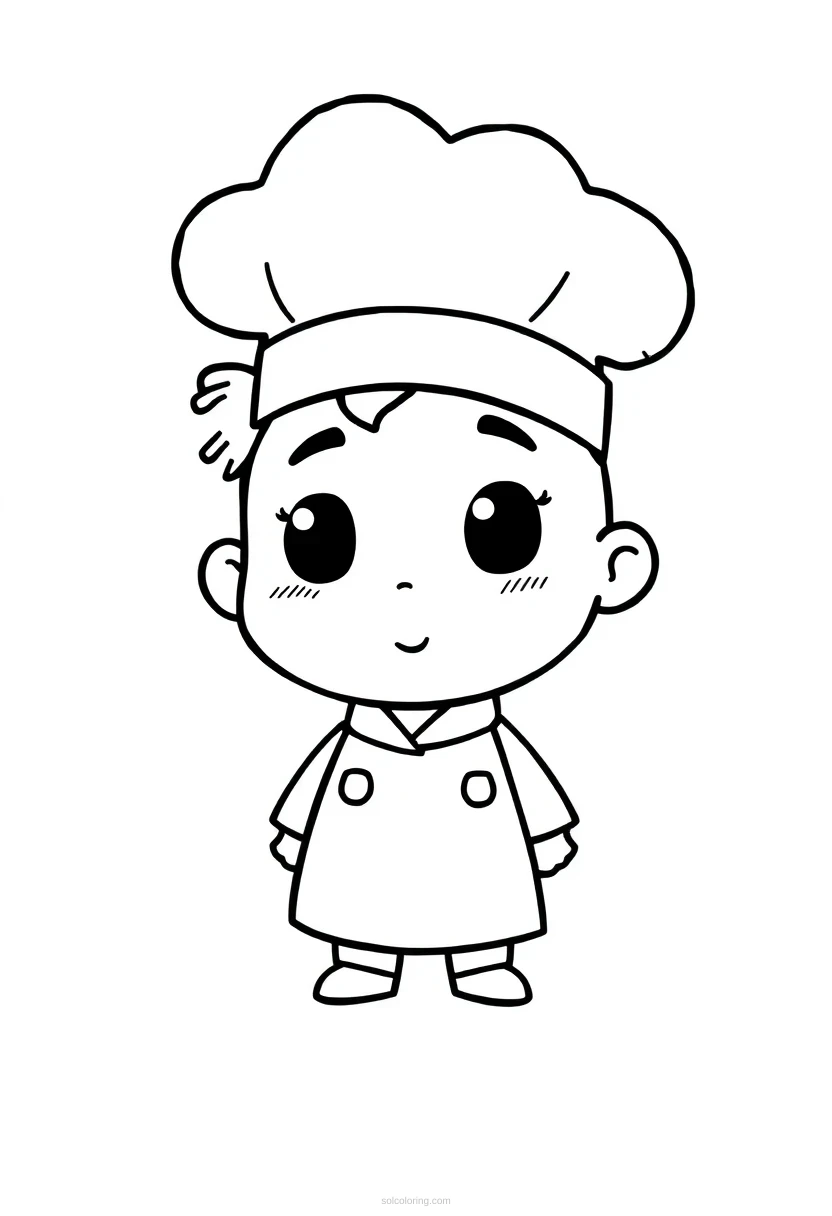
This delightful Chef coloring page features an adorable cartoon chef character with a traditional chef's hat and apron, designed with bold, clear outlines perfect for young artists. The friendly chef design makes learning about professions fun while developing fine motor skills through coloring. This free printable page is ideal for preschoolers and elementary school children who enjoy food-themed activities.
Frequently asked
What skills do chefs need to learn?
Professional chefs must master knife skills, food safety, cooking techniques like sauteing and braising, and recipe development. They also need creativity, time management, leadership, and the ability to work under pressure. Many chefs attend culinary school or train as apprentices to develop these specialized skills over several years.
What is the difference between a chef and a cook?
While cooks prepare food following recipes, chefs manage kitchens, create menus, and develop new dishes. Chefs typically have more training, experience, and responsibility for kitchen operations and food quality. A head chef, sometimes called an executive chef, oversees the entire kitchen and its staff.
Why is food safety so important in professional kitchens?
Chefs must follow strict food safety rules to prevent foodborne illnesses that could harm customers. This includes proper storage temperatures, preventing cross-contamination, and handling raw ingredients safely. Professional kitchens are regularly inspected to ensure they meet health and safety standards that protect everyone.
Are these Chef coloring pages free?
Yes, absolutely! All Chef coloring pages on Sol Coloring are completely free to download and print. No registration, subscription, or hidden costs required. Simply visit our website, select the Chef coloring page you like, and print as many copies as you need for your home or classroom.
What age are these Chef coloring pages for?
Our Chef coloring pages are designed for ages 8 to 14, with varying difficulty levels. Younger children can enjoy simpler designs with larger areas to color, while older kids appreciate more detailed scenes with intricate patterns and smaller spaces that challenge their fine motor skills.