Professions
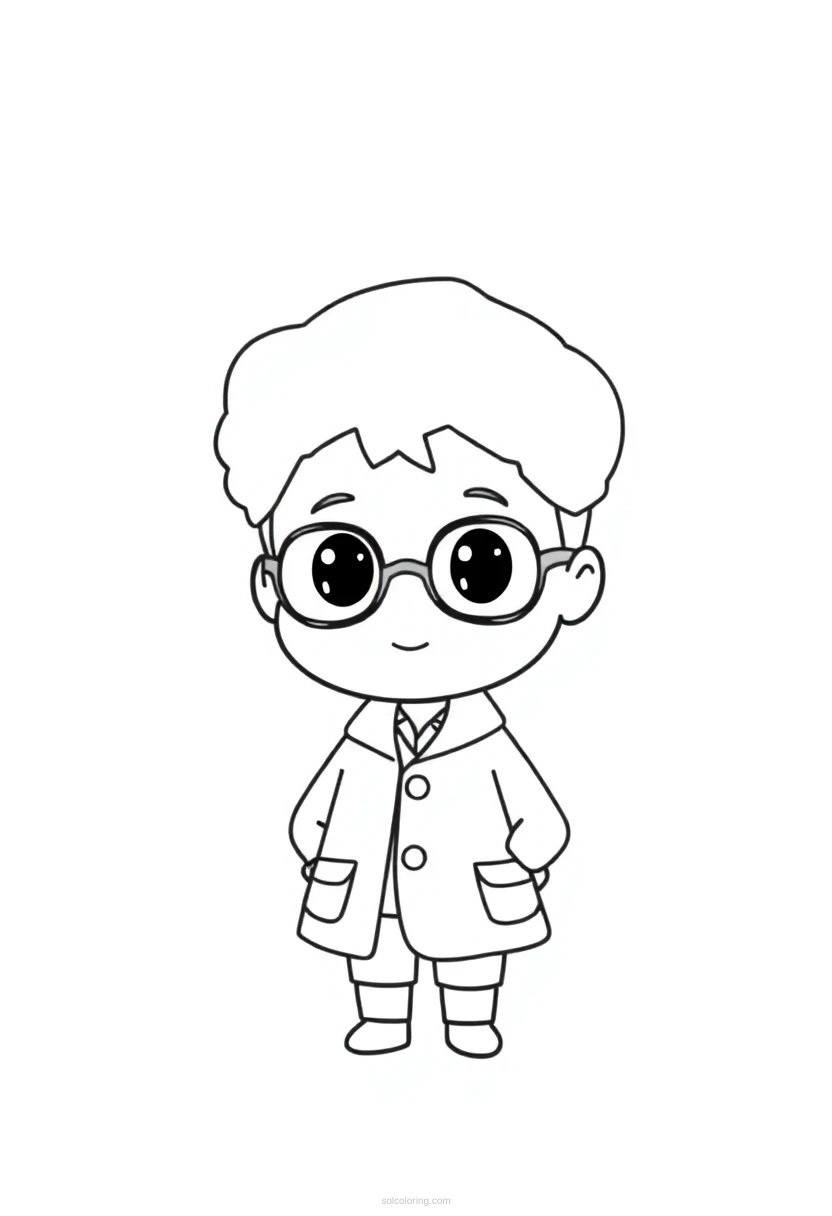
Scientist Coloring Page
Standard style
About this coloring page
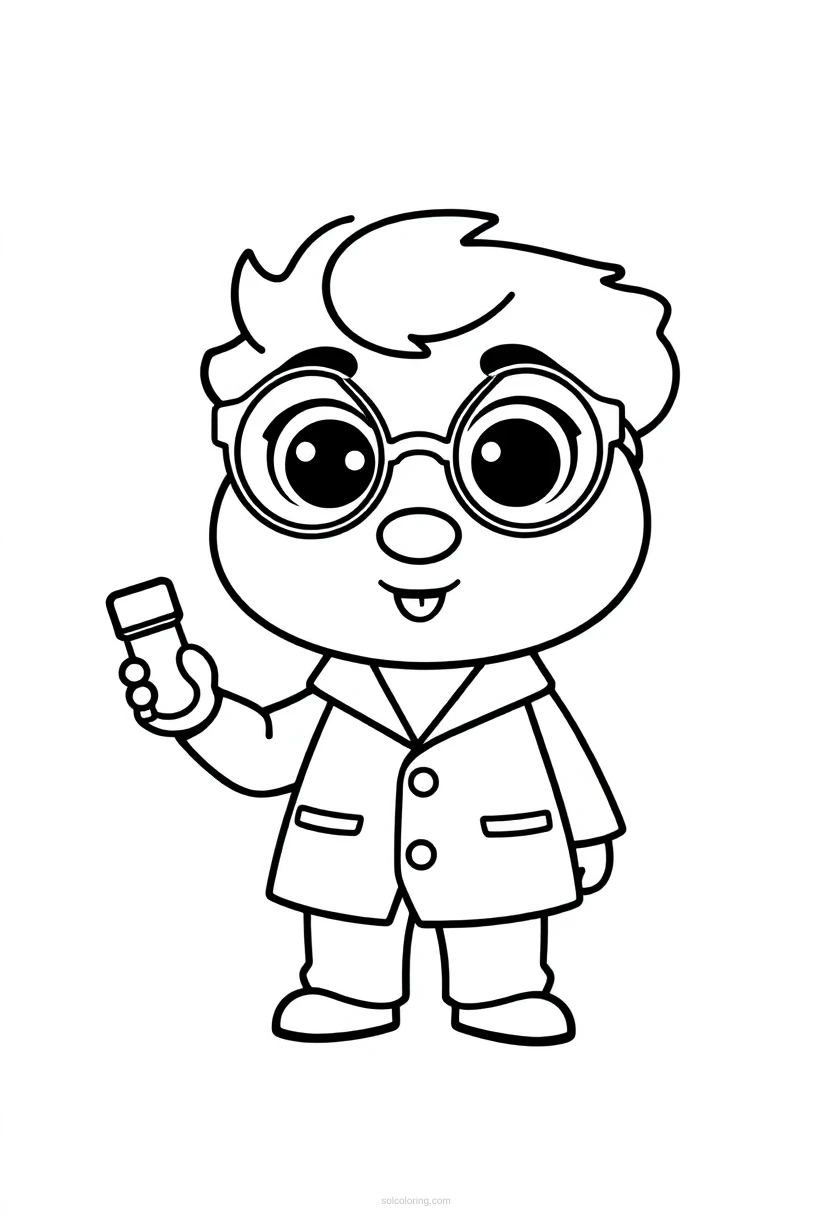
This adorable chibi-style scientist coloring page features a friendly character wearing a classic lab coat and holding a bubbling beaker. The design includes bold, clear outlines that make it perfect for young children to color while learning about science professions. This free printable coloring page combines fun cartoon styling with educational value, encouraging kids to explore STEM careers through creative play.
Frequently asked
What do scientists actually do every day?
Scientists conduct experiments, collect data, and analyze results to answer questions about the natural world. They work in labs, classrooms, hospitals, field sites, and offices. A typical day might include running tests, writing reports, meeting with colleagues, or observing nature. Some scientists spend years studying just one question.
What types of scientists are there?
There are hundreds of science specialties. Biologists study living organisms, chemists explore matter and reactions, physicists investigate energy and motion, astronomers observe space, geologists study rocks and Earth, and many more. Each type asks different questions and uses unique tools and methods to discover answers.
Why is the scientific method important?
The scientific method is a process scientists follow to test ideas fairly and accurately. It involves asking questions, making hypotheses, conducting experiments, observing results, and drawing conclusions. This method ensures discoveries are reliable and can be verified by other scientists, building trustworthy knowledge.
Are these Scientist Chibi coloring pages free?
Yes, absolutely! All our Scientist Chibi coloring pages are completely free to download and print. There are no hidden costs, subscriptions, or sign-ups required. Simply visit Sol Coloring, find your favorite design, and start coloring right away.
What age are these Scientist Chibi coloring pages for?
These coloring pages are designed for kids and adults aged 8 to 14, with varying difficulty levels. Younger children can enjoy simple outlines, while older kids and teens can tackle more detailed designs with intricate patterns and backgrounds.