Flowers
Orchid Coloring Page
Standard style
About this coloring page
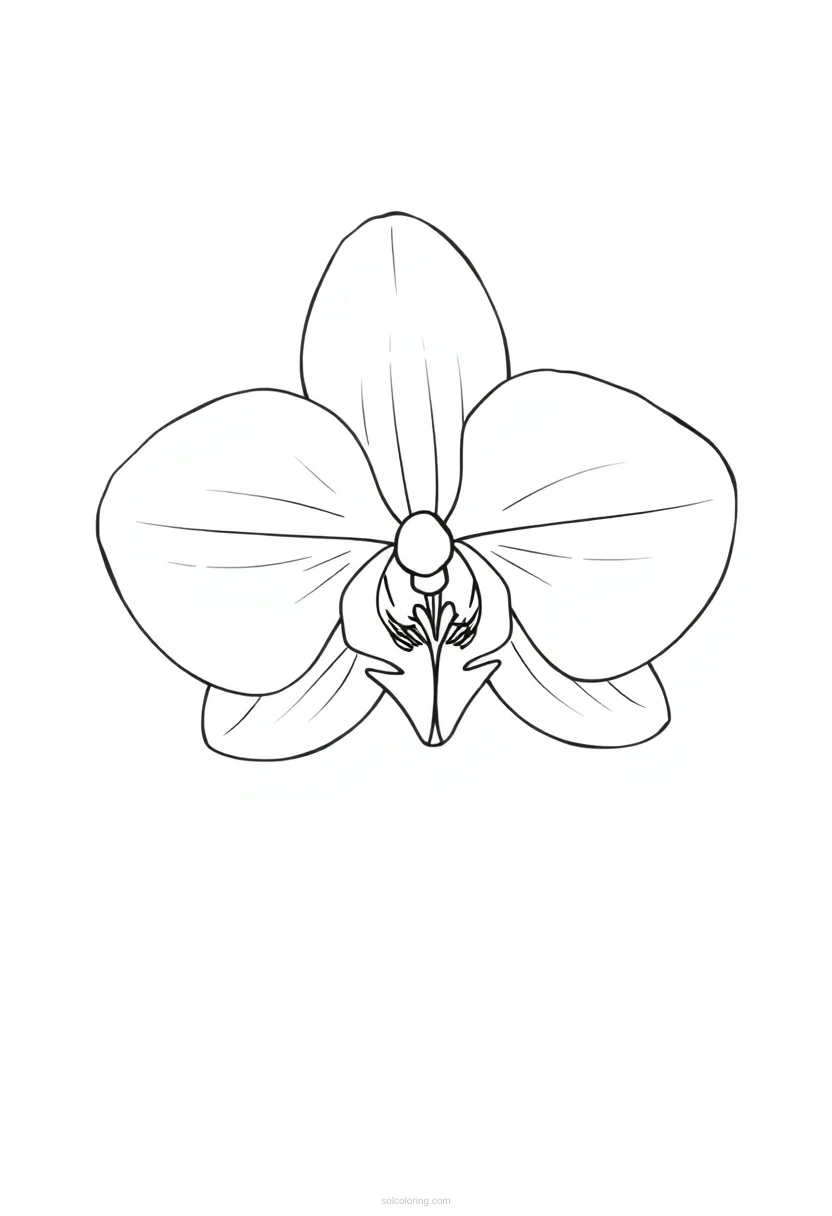
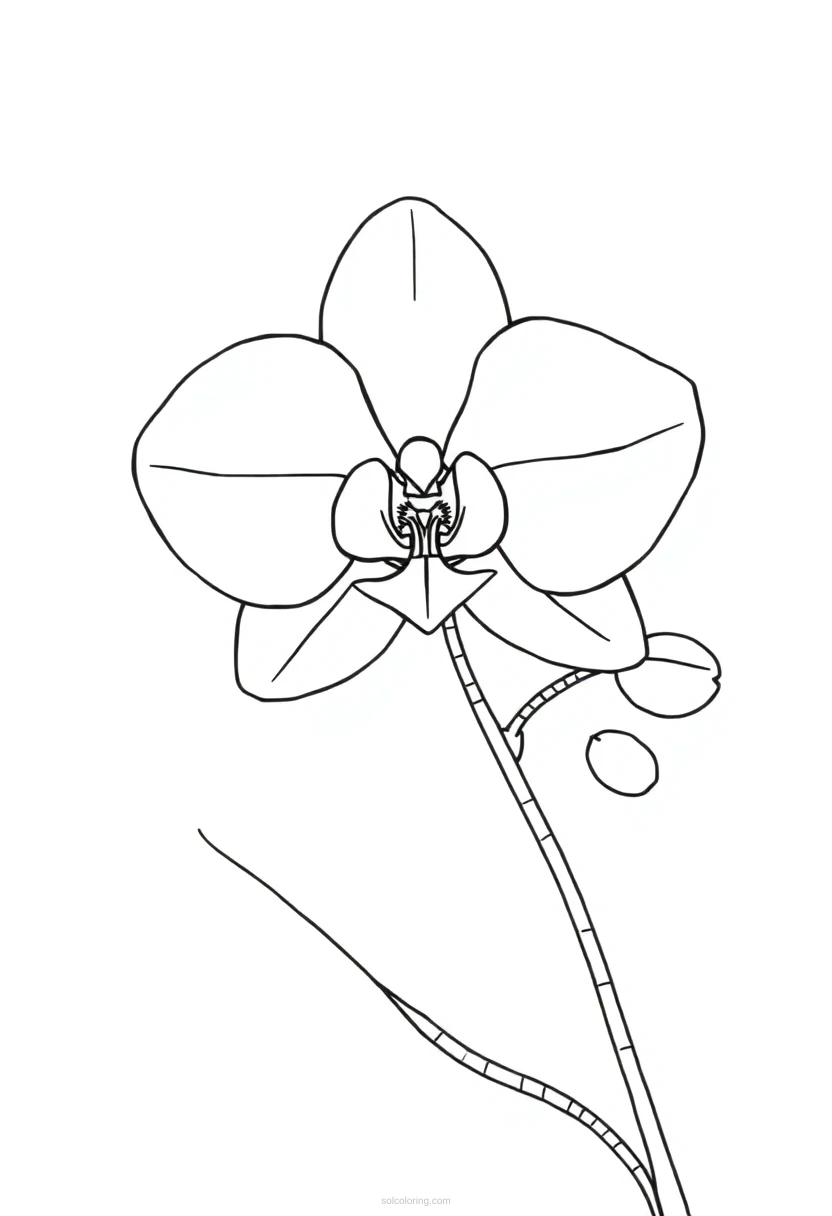
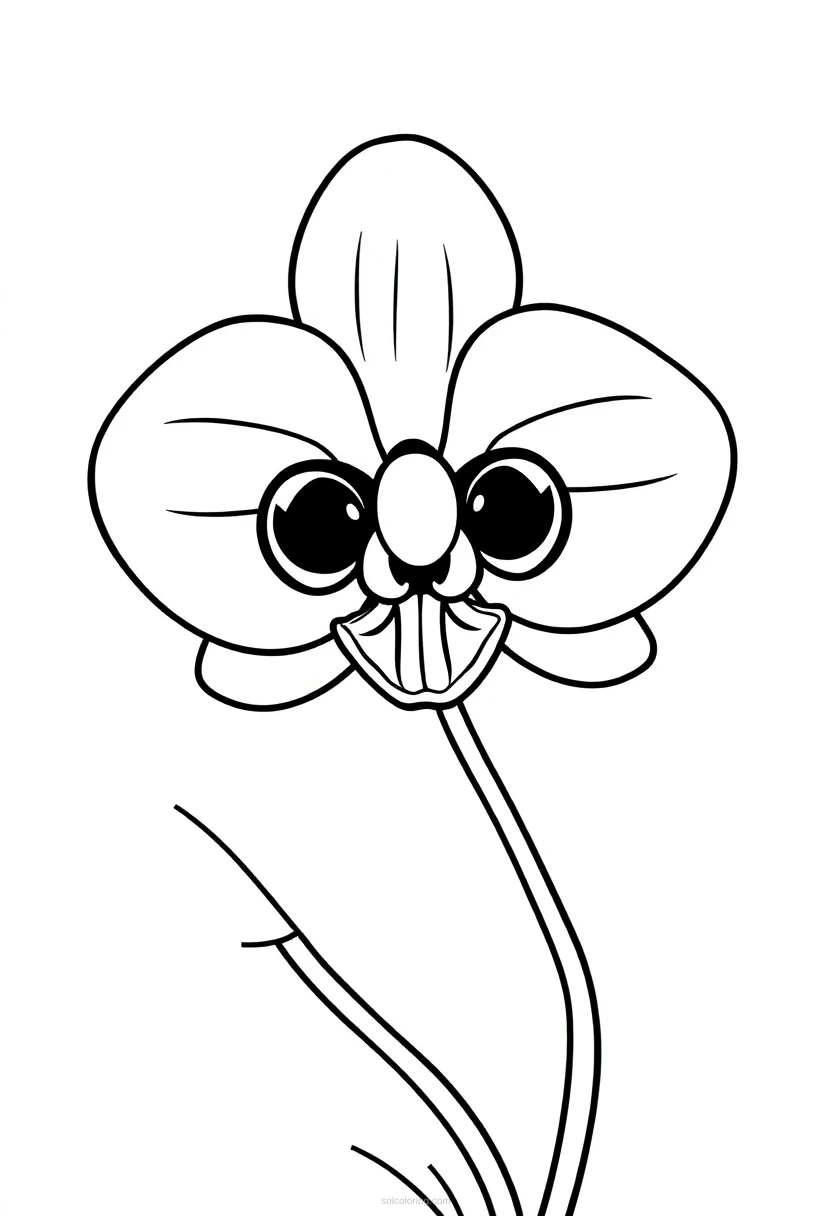
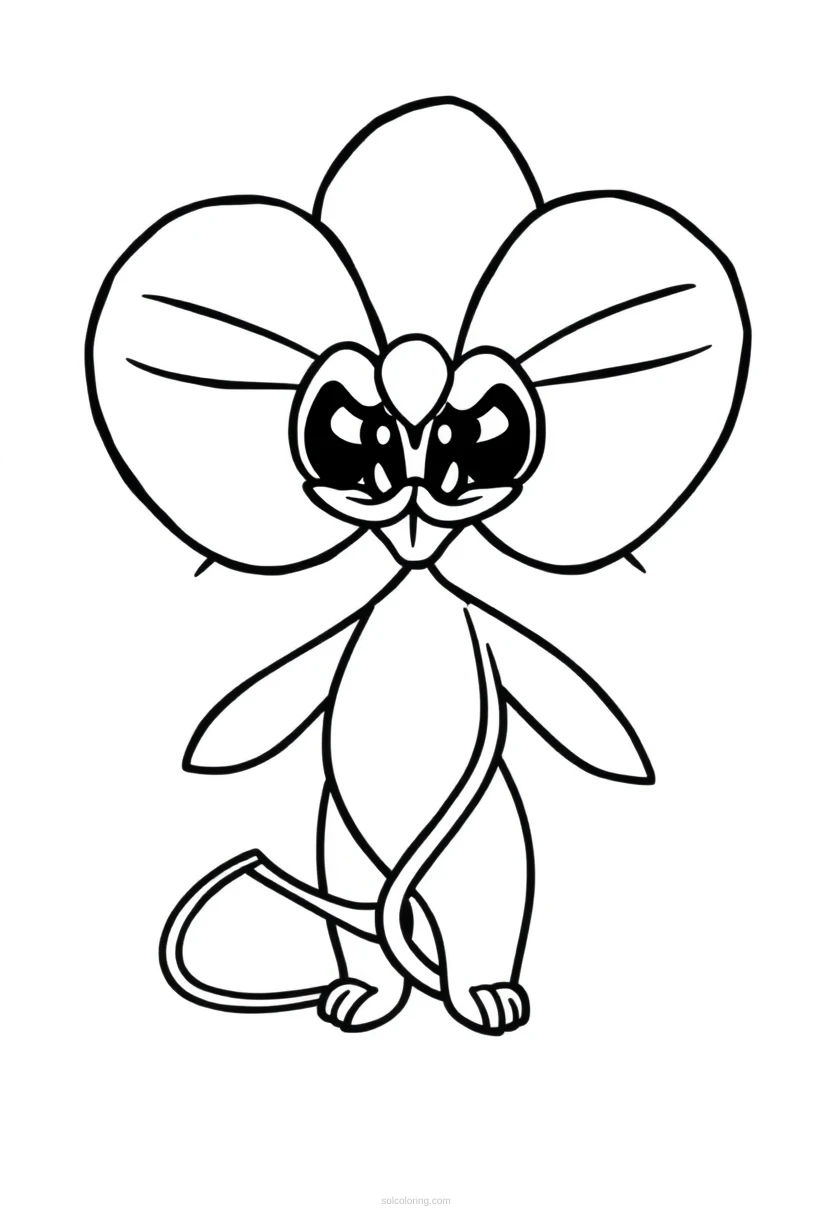
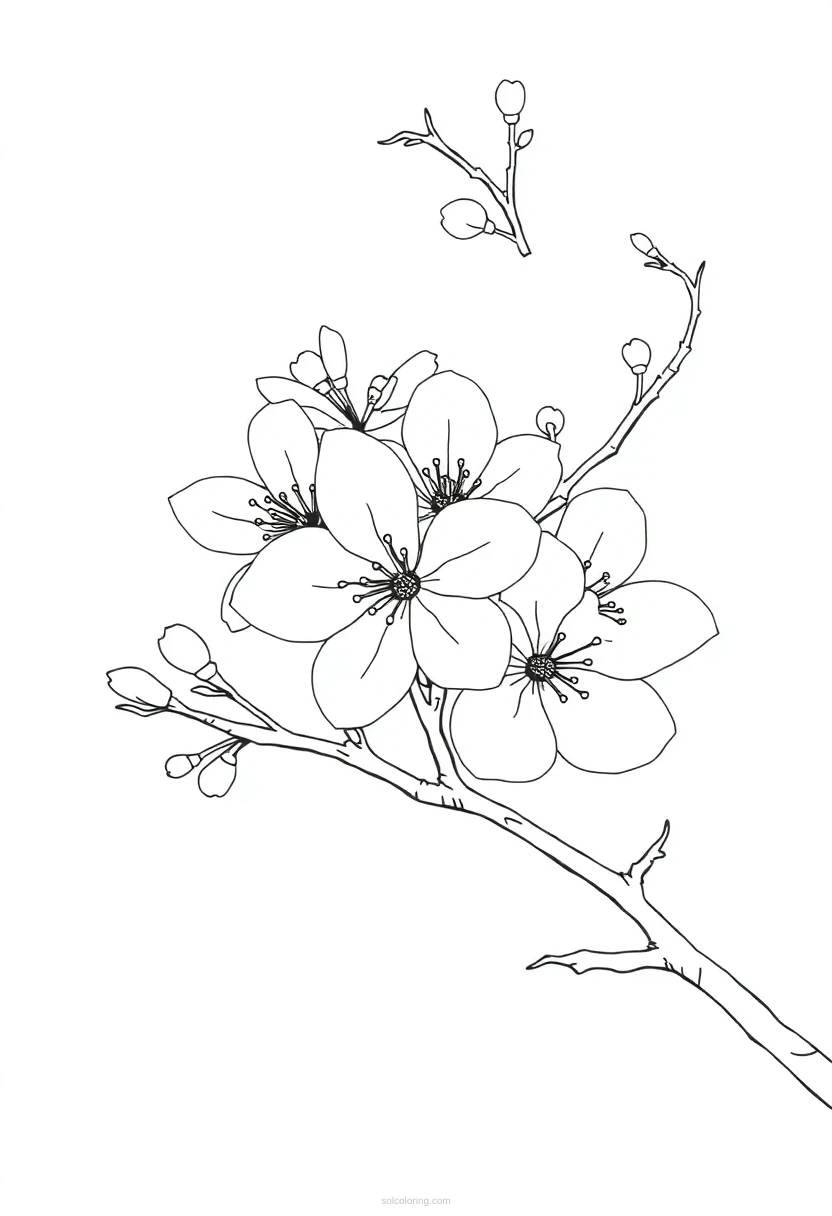
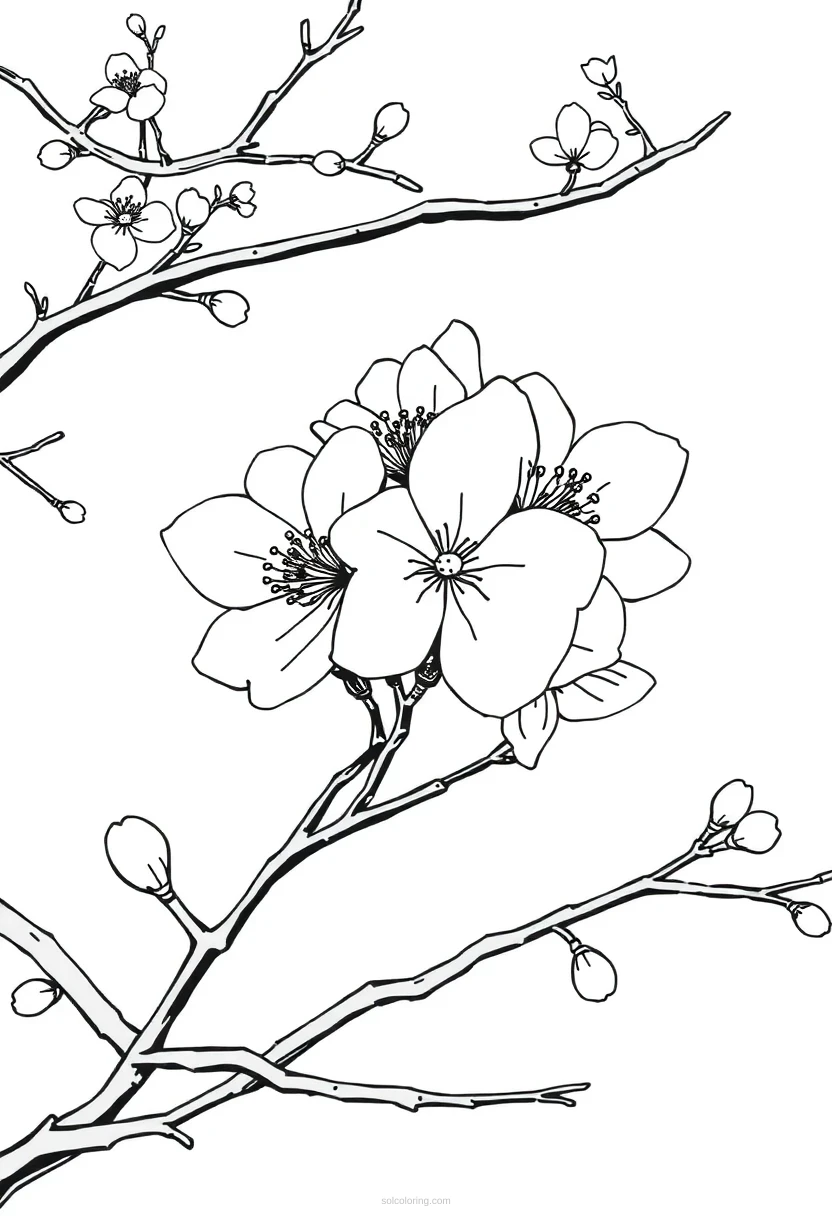
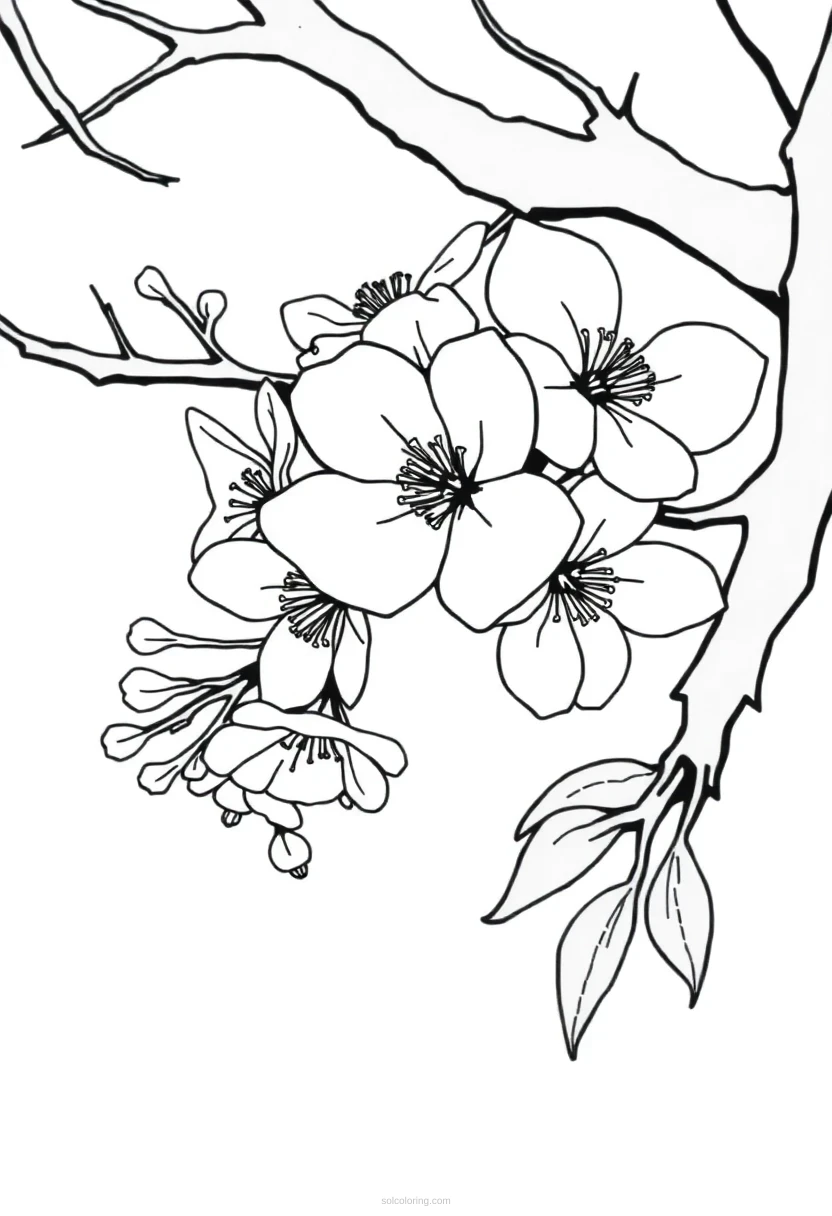
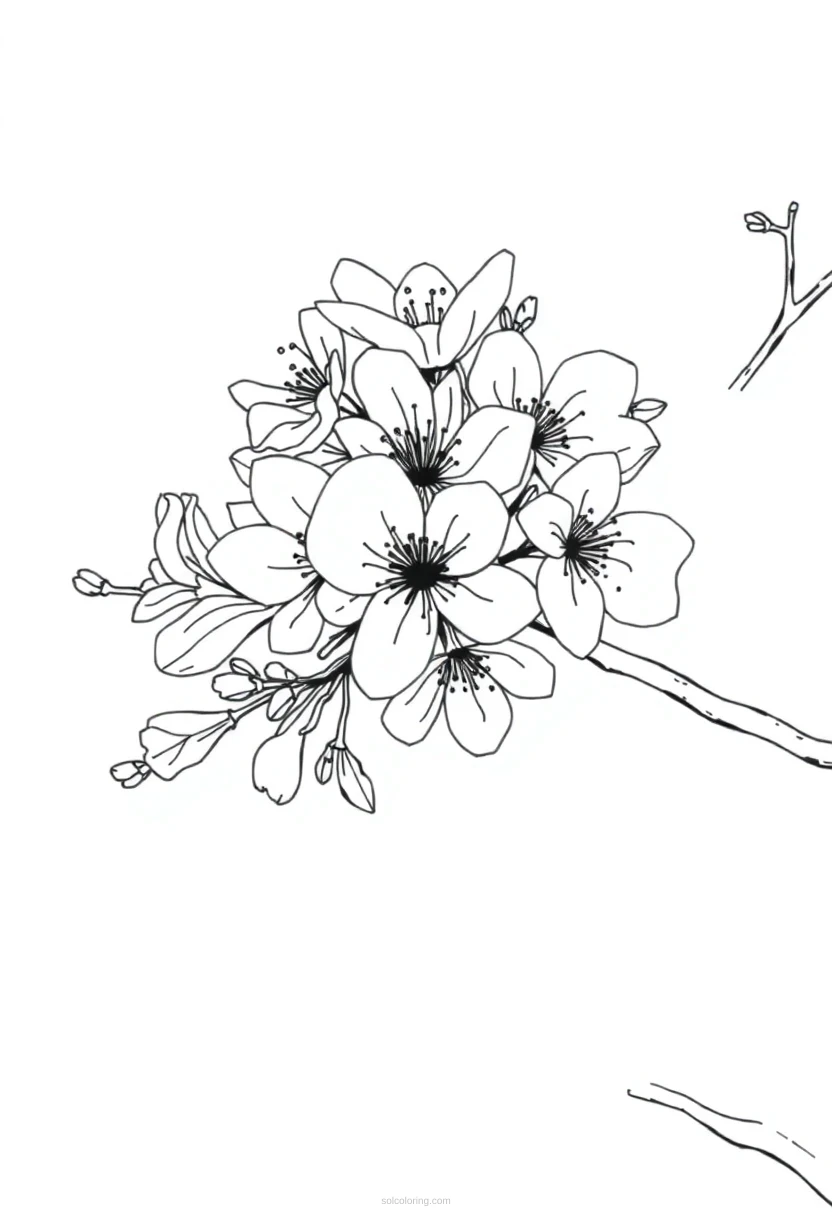
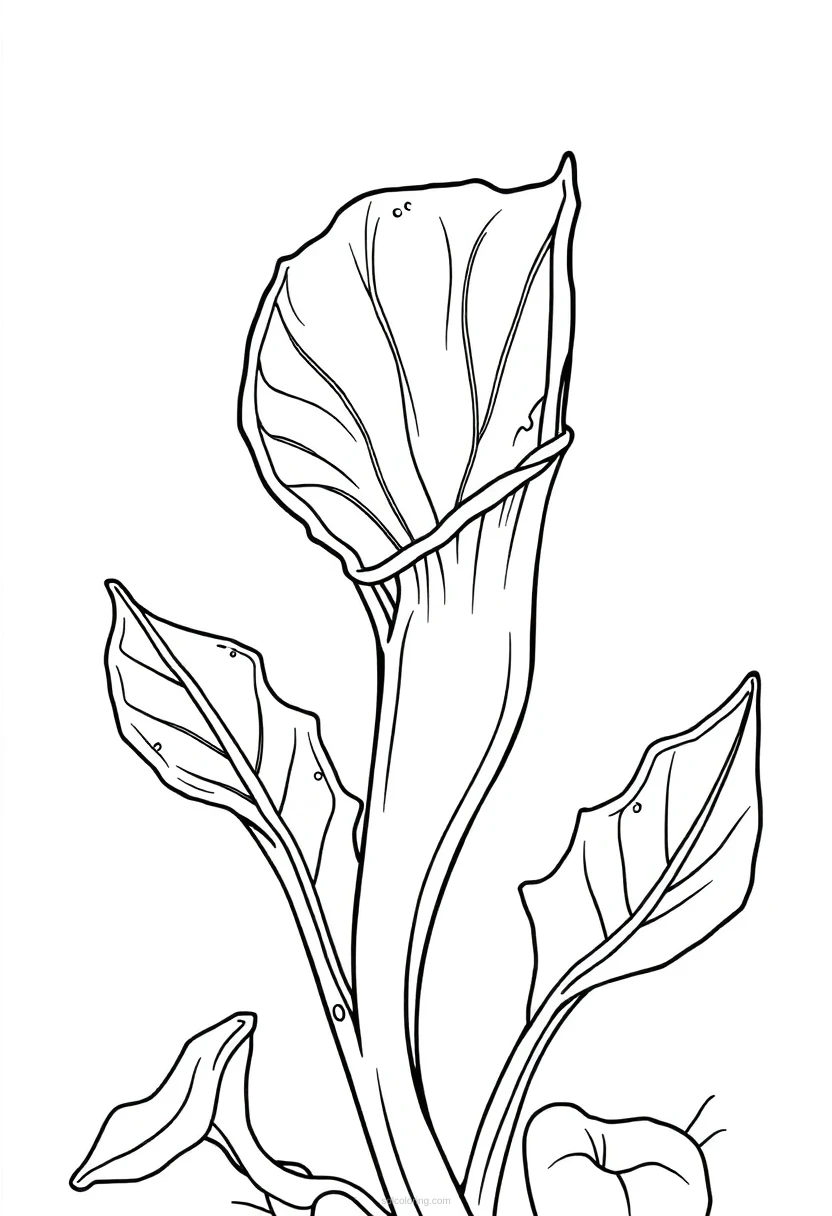
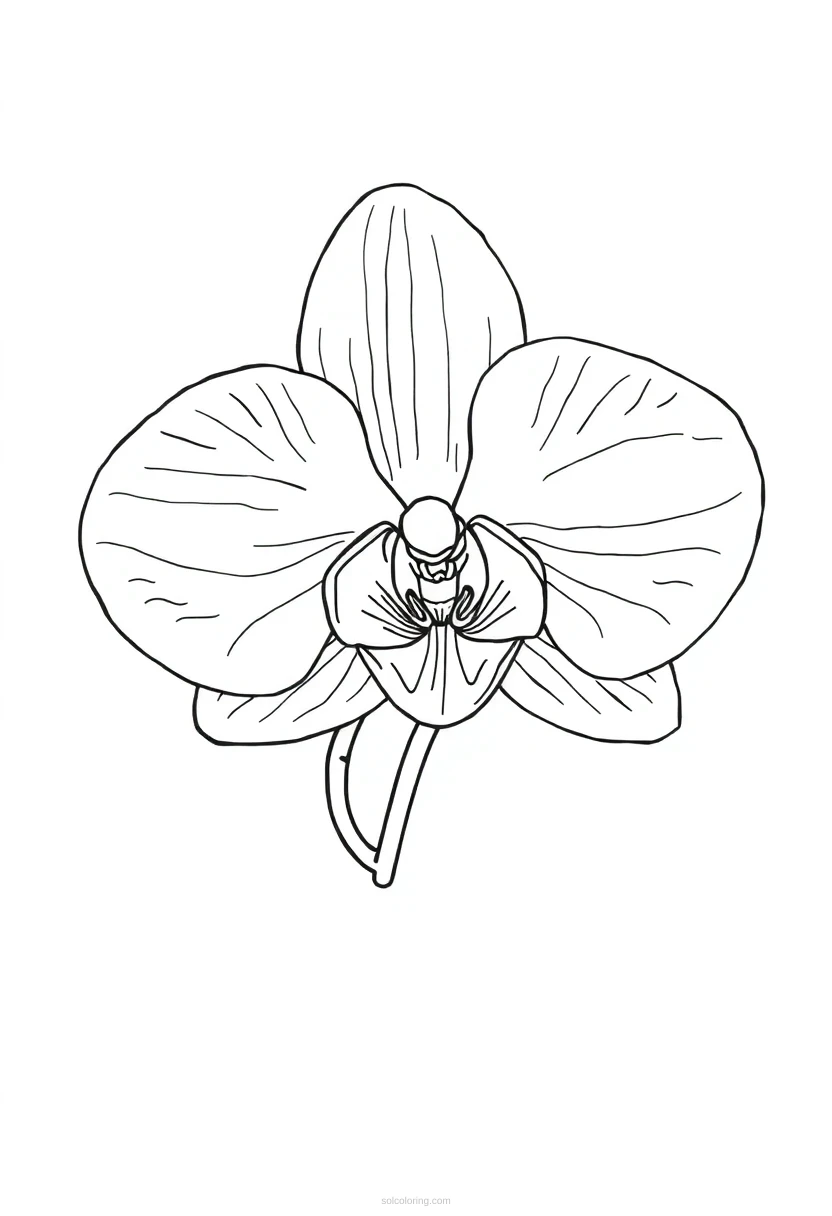
This delightful orchid coloring page showcases a charming chibi-style orchid flower with intricate, detailed petals and bold outlines that make coloring easy and enjoyable. The design features the classic orchid bloom with its distinctive shape, including the characteristic lip petal and delicate stamens, all rendered in a cute, simplified style perfect for both beginners and experienced colorists. Print this free orchid coloring sheet and bring this beautiful flower to life with your favorite colors!
Frequently asked
What makes orchids so special compared to other flowers?
Orchids are incredibly unique because they have one of the most complex flower structures in the plant kingdom. Some orchid species have evolved to look exactly like female insects to attract male pollinators. There are over 25,000 species of orchids worldwide, making them one of the largest plant families.
Where do orchids naturally grow in the wild?
Most orchids grow in tropical rainforests, though they're found on every continent except Antarctica. Epiphytic orchids grow on trees without harming them, while terrestrial orchids grow in soil. Some orchids even survive in harsh environments like deserts and cold mountains by adapting their root systems.
How long do orchid flowers typically last?
Many orchid flowers can bloom for several months, with some lasting up to three months on a single plant. This incredible longevity makes orchids popular houseplants. Some orchid varieties only bloom once yearly, while others flower multiple times throughout the year.
Are these Orchid Chibi coloring pages free?
Yes, absolutely! All our Orchid Chibi free printable coloring pages are completely free to download and print. No hidden fees, no subscriptions, and no signup required. Simply visit Sol Coloring, select your favorite design, and print it instantly on your home printer.
What age are these Orchid Chibi coloring pages for?
These coloring pages are designed for ages 8 to 14, with varying difficulty levels. Younger kids will enjoy simple outlines and large spaces, while older children and teens can tackle more detailed designs with intricate patterns and smaller areas to color.