
Trees
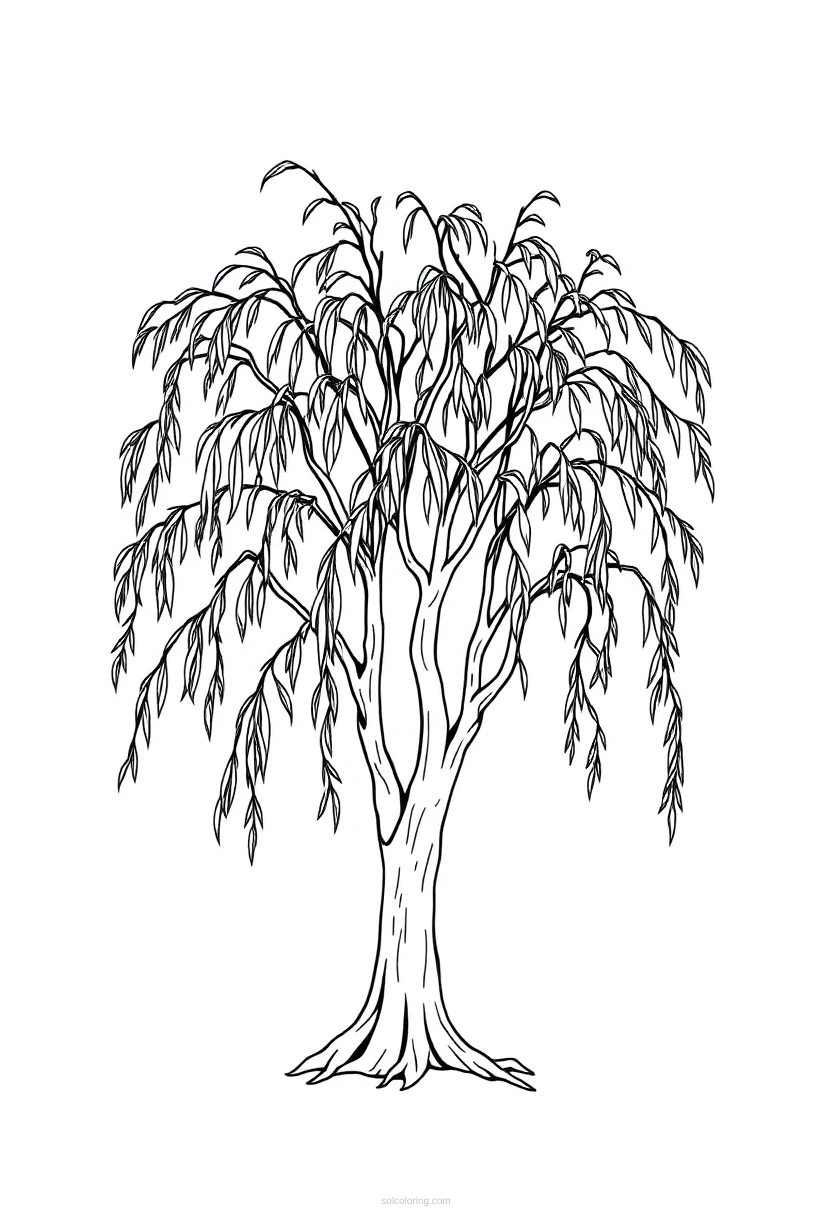
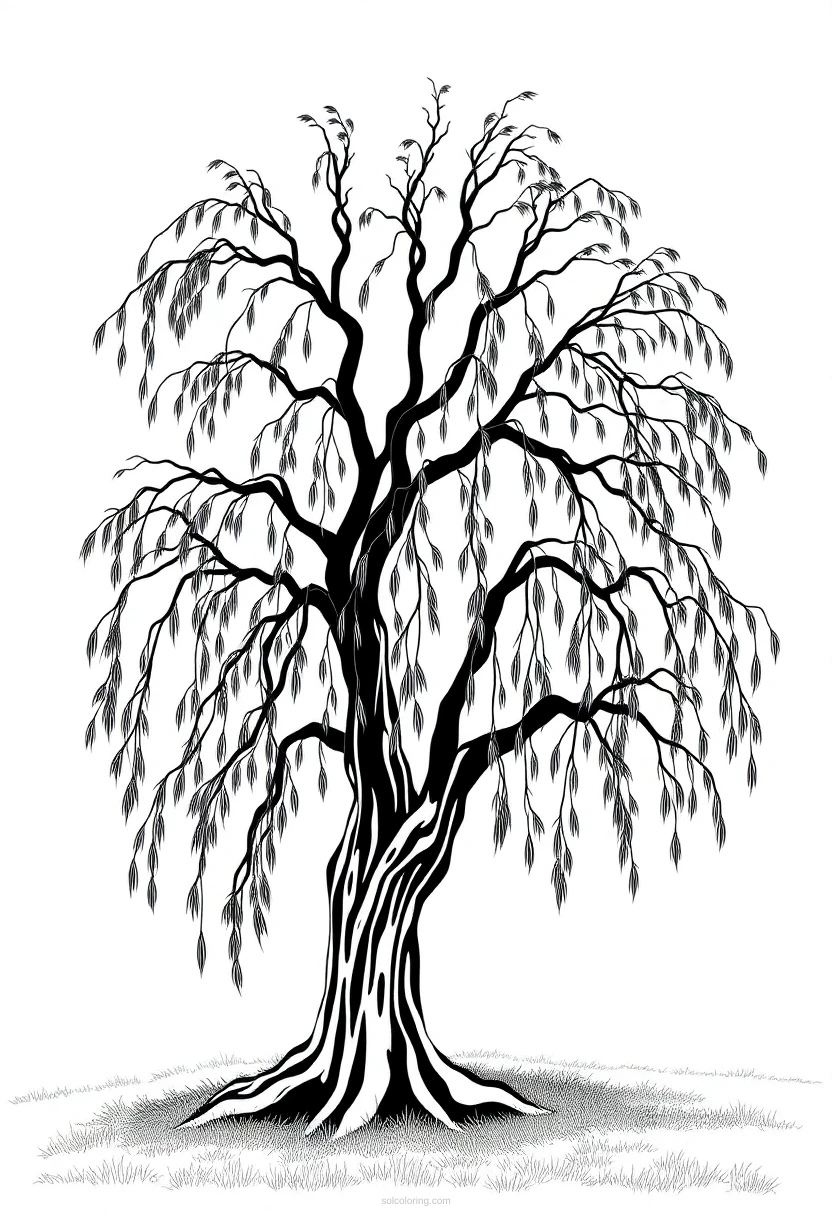
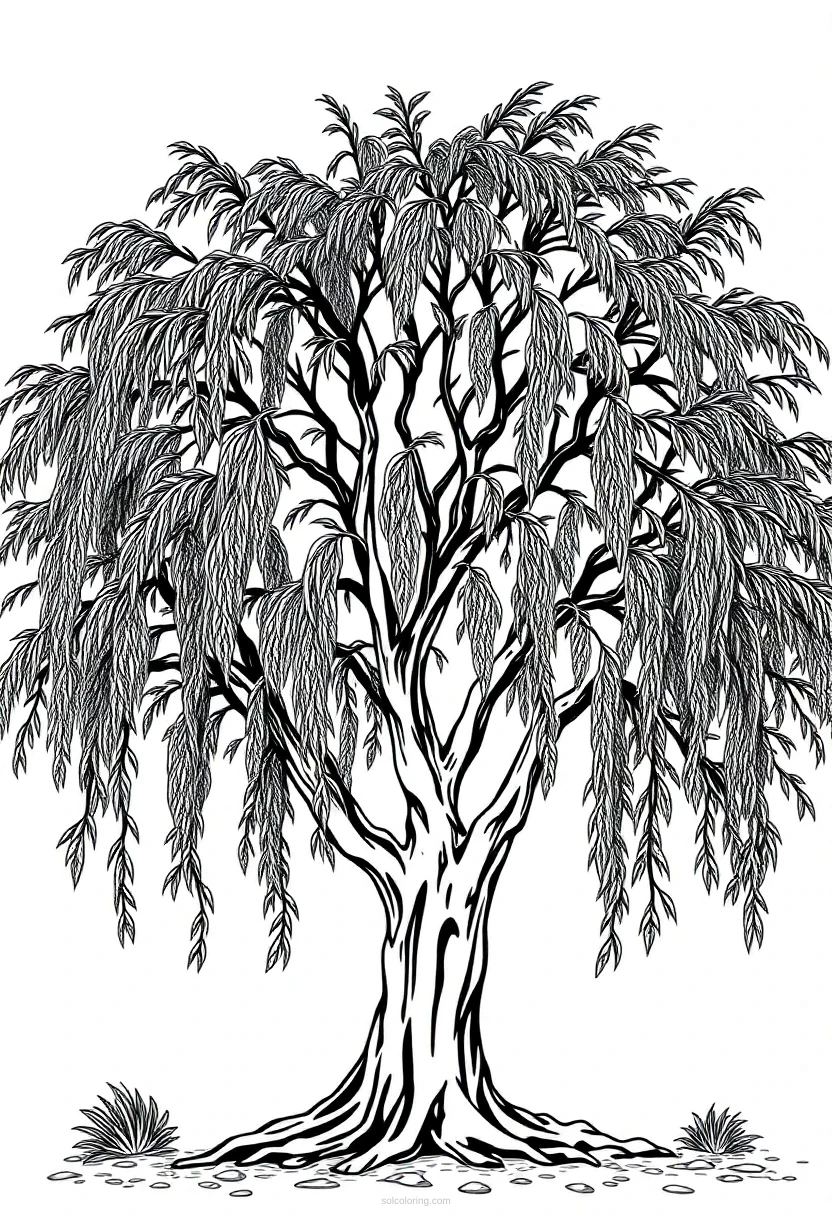
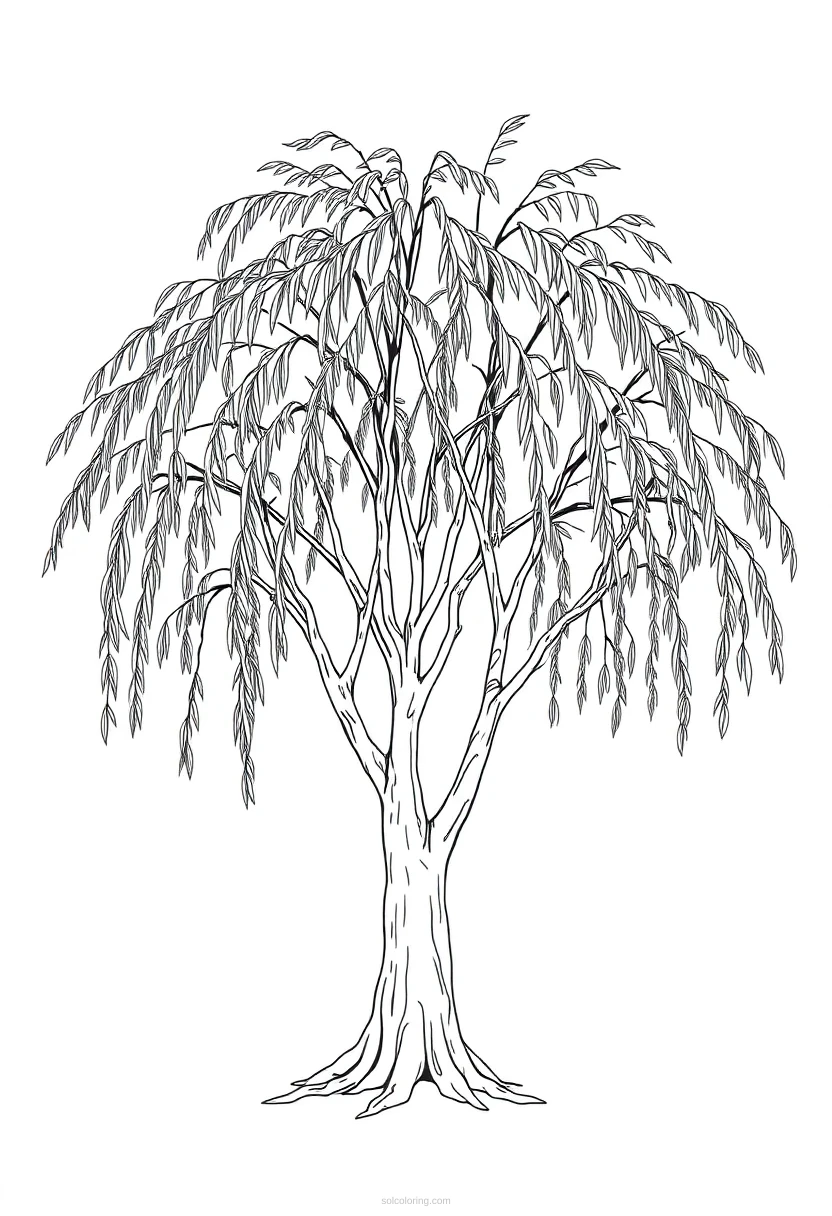
Willow Tree Simple Coloring Pages
6 free printable designs including Standard, Standard, Standard, Standard and more.
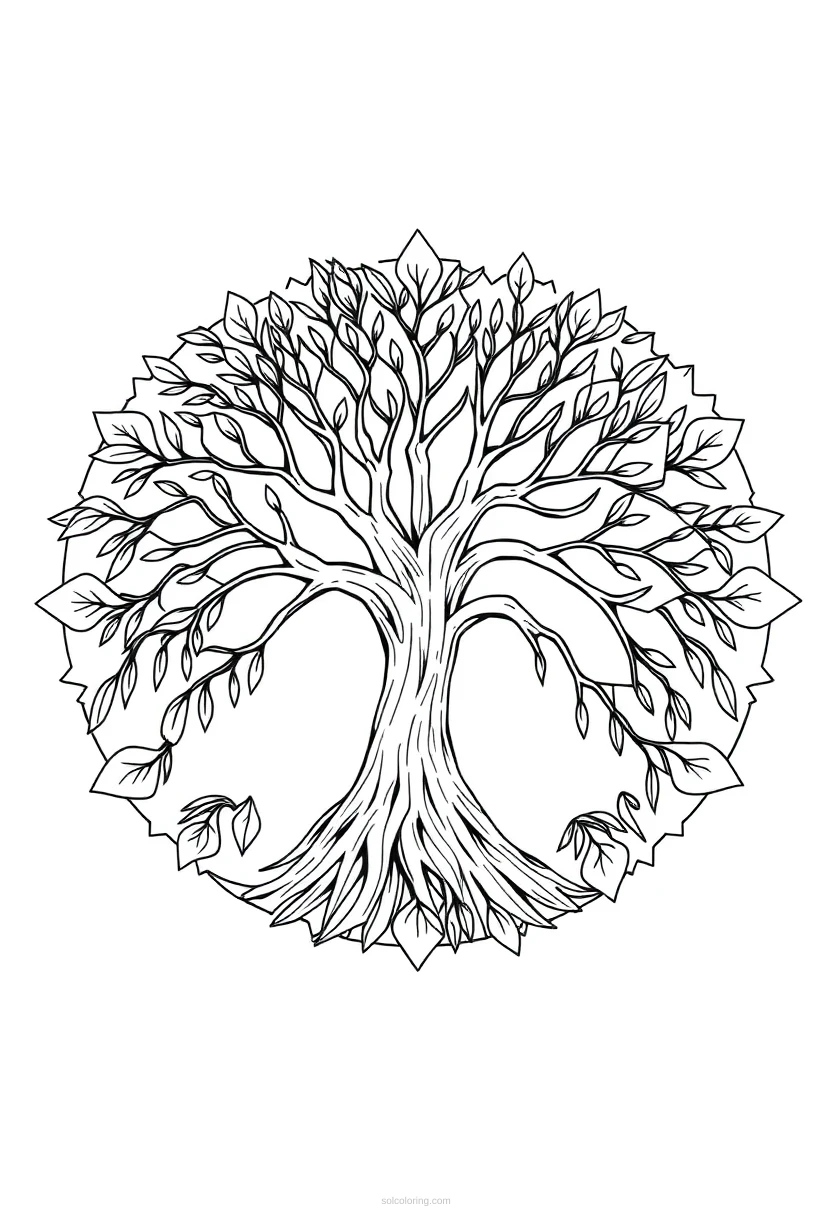
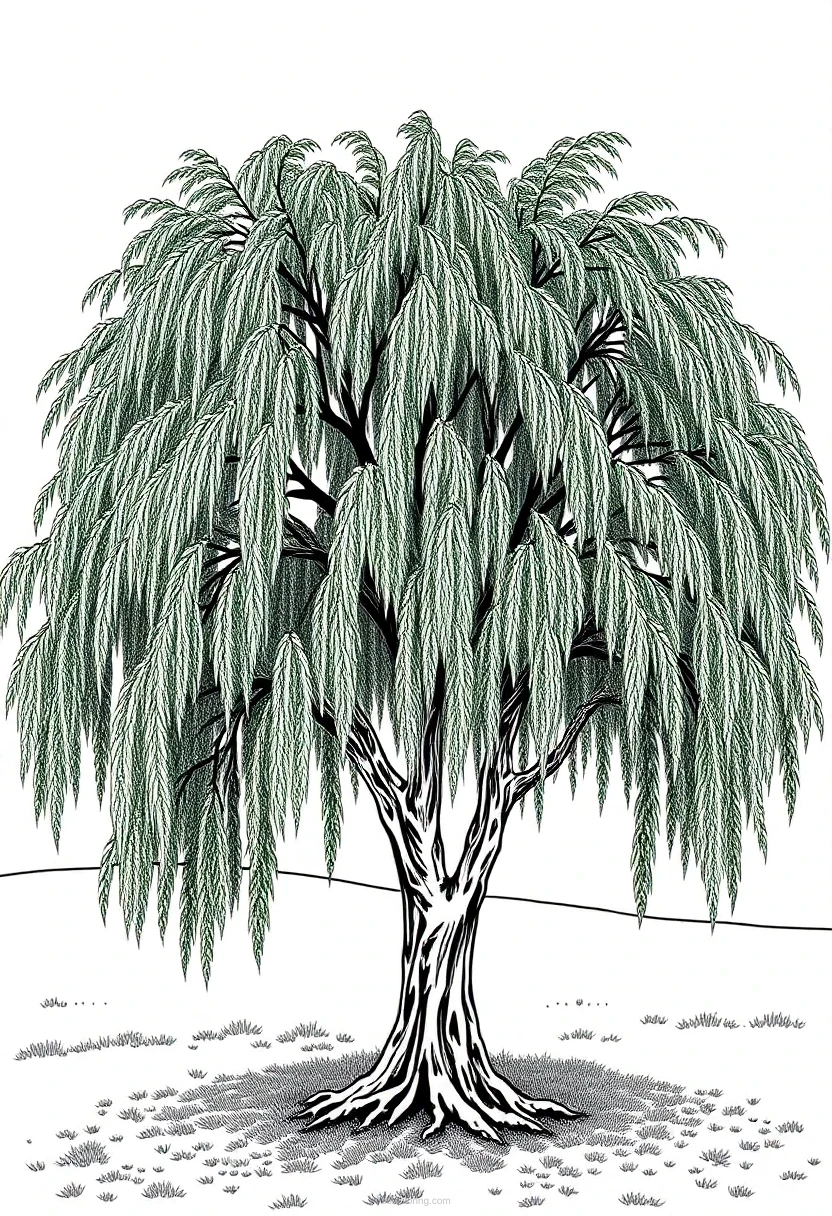
Willow trees are graceful natural wonders known for their long, drooping branches and delicate leaves that dance in the breeze. These magnificent trees have inspired poets, artists, and nature lovers for thousands of years. Our free printable coloring page featuring a simple willow tree is perfect for kids who love nature and want to explore botanical beauty through art. Whether you are interested in trees, plants, or just enjoy a relaxing creative activity, this free printable coloring page offers a wonderful way to appreciate one of nature's most elegant creations.
Read more →Read less ↑
Choose a style
Did you know?
Fun facts about Willow Tree Simple
Willow trees can live and thrive even if partially submerged in water, with some species able to survive in swampy conditions where other trees cannot grow.
The wood of willow trees is so light and flexible that it has been used to make cricket bats, racing boats, and even artificial limbs.
A single willow tree can release nearly 100 gallons of water into the atmosphere through transpiration on a hot summer day.
Weeping willows got their name because their drooping branches resembled someone who was sad or crying, and people in ancient cultures associated them with mourning and melancholy.
Willow trees grow so quickly that they can add up to 3 to 4 feet in height per year, making them one of the fastest-growing tree species in temperate climates.
About Willow Tree Simple
Why do willow trees have drooping branches?
Willow trees have evolved drooping branches that hang gracefully toward the ground, especially near water. This unique adaptation helps the tree access water sources more easily and reduces wind resistance during storms. The flexible, pendulous branches can move with strong winds without breaking, making willows remarkably hardy despite their delicate appearance.
Where do willow trees grow naturally?
Willow trees are found on nearly every continent except Antarctica, preferring cool and temperate regions. They typically grow near water sources like riverbanks, lakeshores, and wetlands, where their root systems can access moisture. Many species originated in Asia, Europe, and North America, and they have spread worldwide due to their usefulness and beauty.
How long do willow trees live?
Most willow species have relatively short lifespans for trees, typically living 40 to 50 years in the wild. Some varieties may reach 60 years or longer under ideal conditions. While this is shorter than many other tree species, willows compensate by growing quickly and reproducing readily, making them important parts of river ecosystems worldwide.
What are willow branches used for?
Willow branches have countless practical and creative uses throughout history. Flexible willow twigs are woven into baskets, fences, and furniture. Willow wood is lightweight and used for sports equipment like cricket bats. Additionally, willow bark contains salicin, a chemical similar to aspirin, which indigenous peoples used medicinally for centuries.
How do willow trees reproduce?
Willows reproduce through both seeds and vegetative reproduction. Female trees produce lightweight, cottony seeds that spread by wind and water. More importantly, willows can grow new trees from stem cuttings simply placed in moist soil or water. This method is so reliable that willows often spread along riverbanks when branch fragments break off and take root downstream.
What animals depend on willow trees?
Willow trees support diverse wildlife communities. Many bird species nest in willow branches, while insects like beetles and caterpillars feed on the leaves and bark. Beavers famously fell and use willow trees for building dams and lodges. Deer, rabbits, and other mammals browse willow foliage, making these trees crucial food sources in many ecosystems.
More Trees coloring pages
Coloring page FAQs
Are these Willow Tree Simple coloring pages free?
Yes, absolutely! All our coloring pages, including this willow tree design, are completely free to download and print. Simply visit our site, select your favorite image, and print as many copies as you like without any signup, registration, or hidden fees.
What age are these Willow Tree Simple coloring pages for?
Our Willow Tree Simple coloring page is designed for ages 8 to 14, though younger and older artists can enjoy it too. The simple line design makes it accessible for beginners, while the natural details provide enough interest for more experienced colorists seeking a relaxing project.
How do I print these Willow Tree Simple coloring pages?
Printing is easy and requires no special equipment. Simply download the image to your device, open it in any standard image viewer or PDF reader, and click print. You can print on standard A4 or Letter-sized paper using any home printer. No account or software purchase needed.