
Futuristic Tech
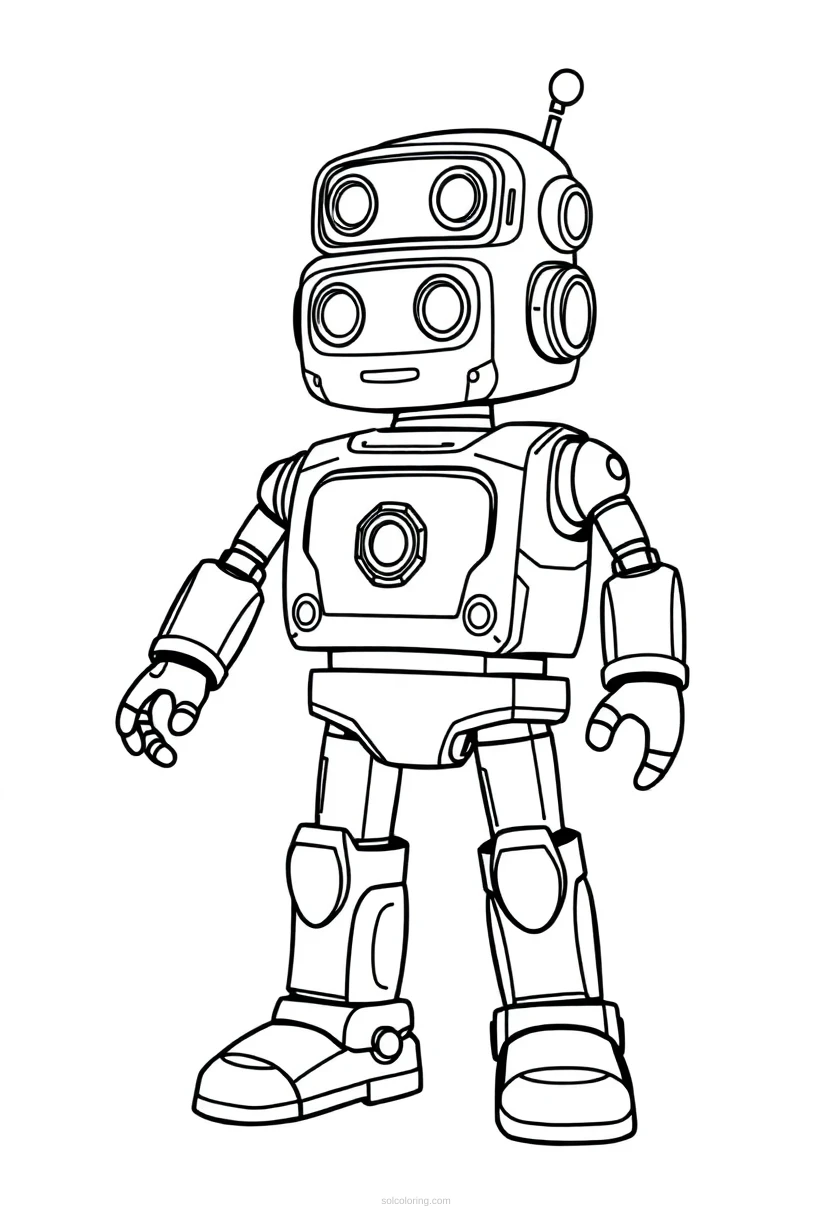
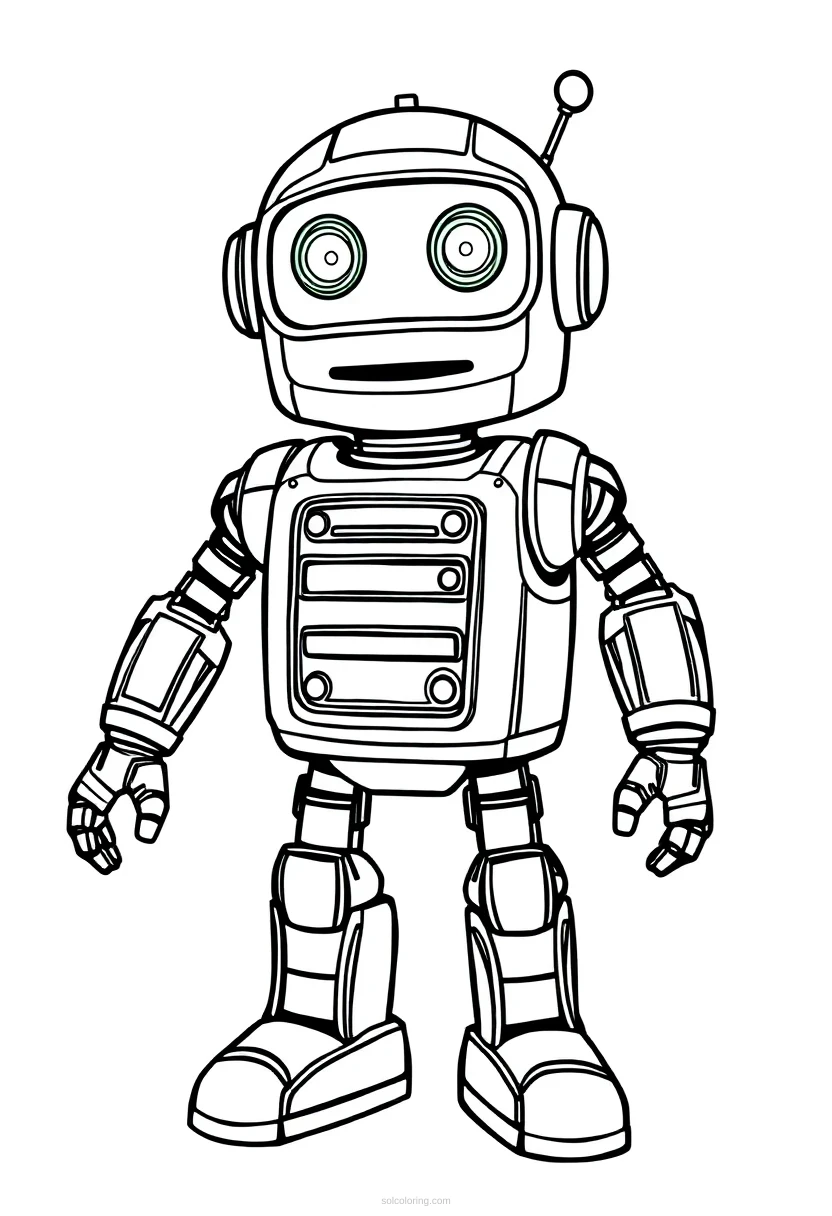
Robot Assistant Helper Coloring Pages
6 free printable designs including Standard, Standard, Standard, Standard and more.
Robot assistant helpers are amazing machines designed to make our lives easier by performing tasks, answering questions, and helping with everyday jobs. From organizing your schedule to answering homework questions, these intelligent robots represent the future of technology and human interaction. Our free printable coloring page features a friendly robot assistant with cool mechanical details, glowing screens, and futuristic features. Whether you're interested in technology or just love robots, this free printable coloring page lets you bring a helpful robot to life with your favorite colors while learning about the incredible ways robots are changing our world.
Read more →Read less ↑
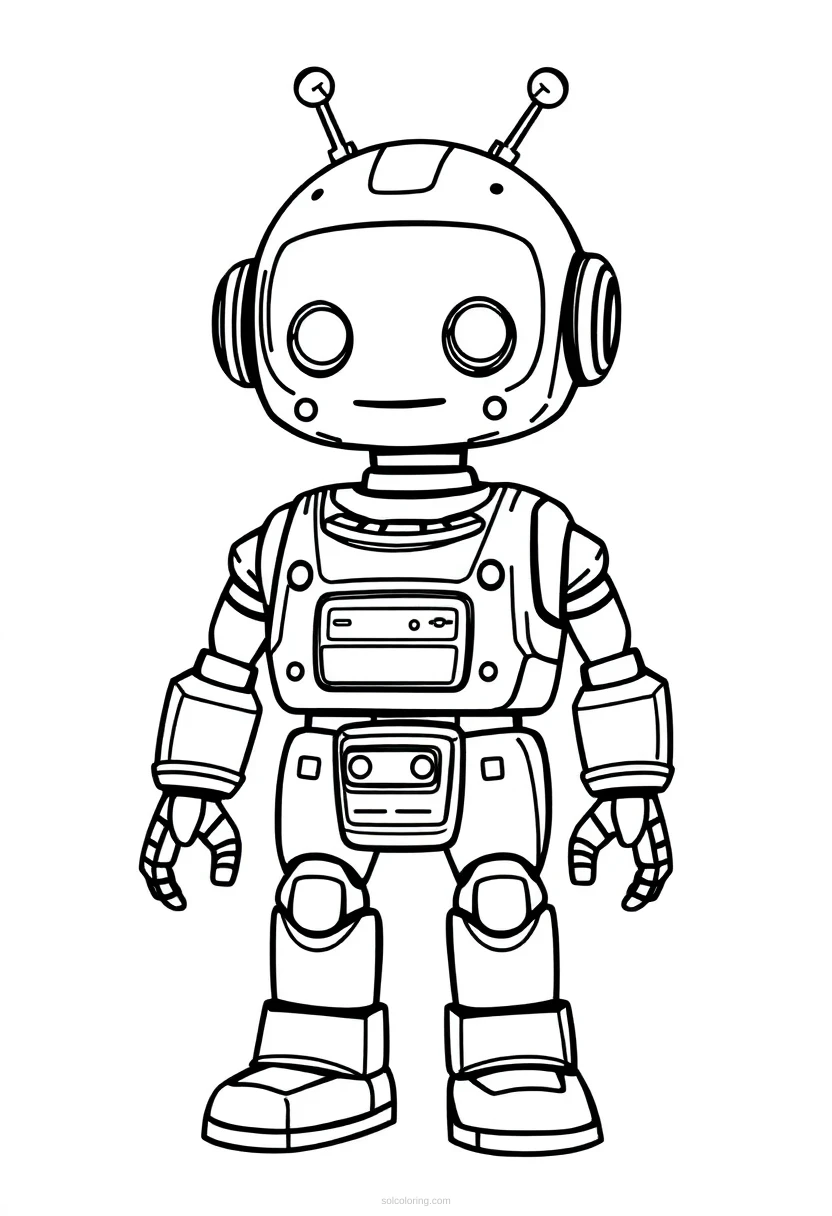
Choose a style
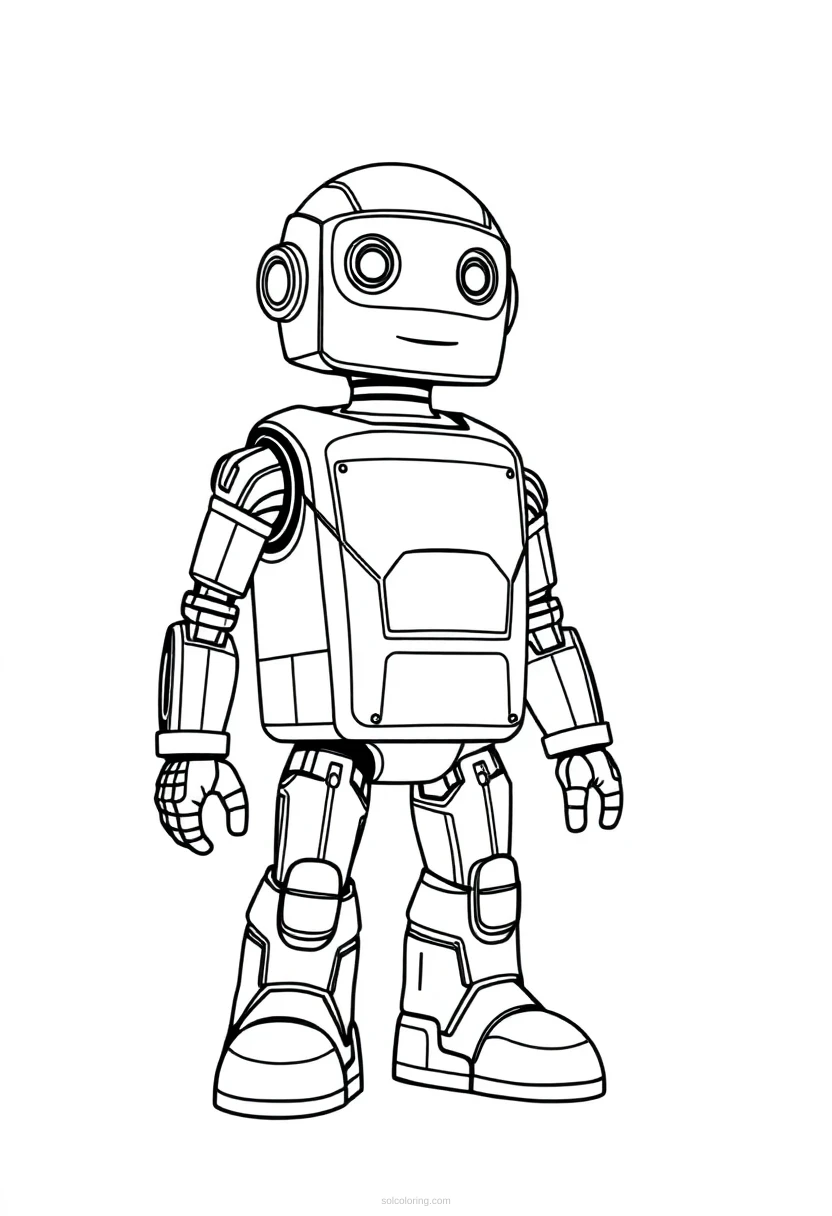
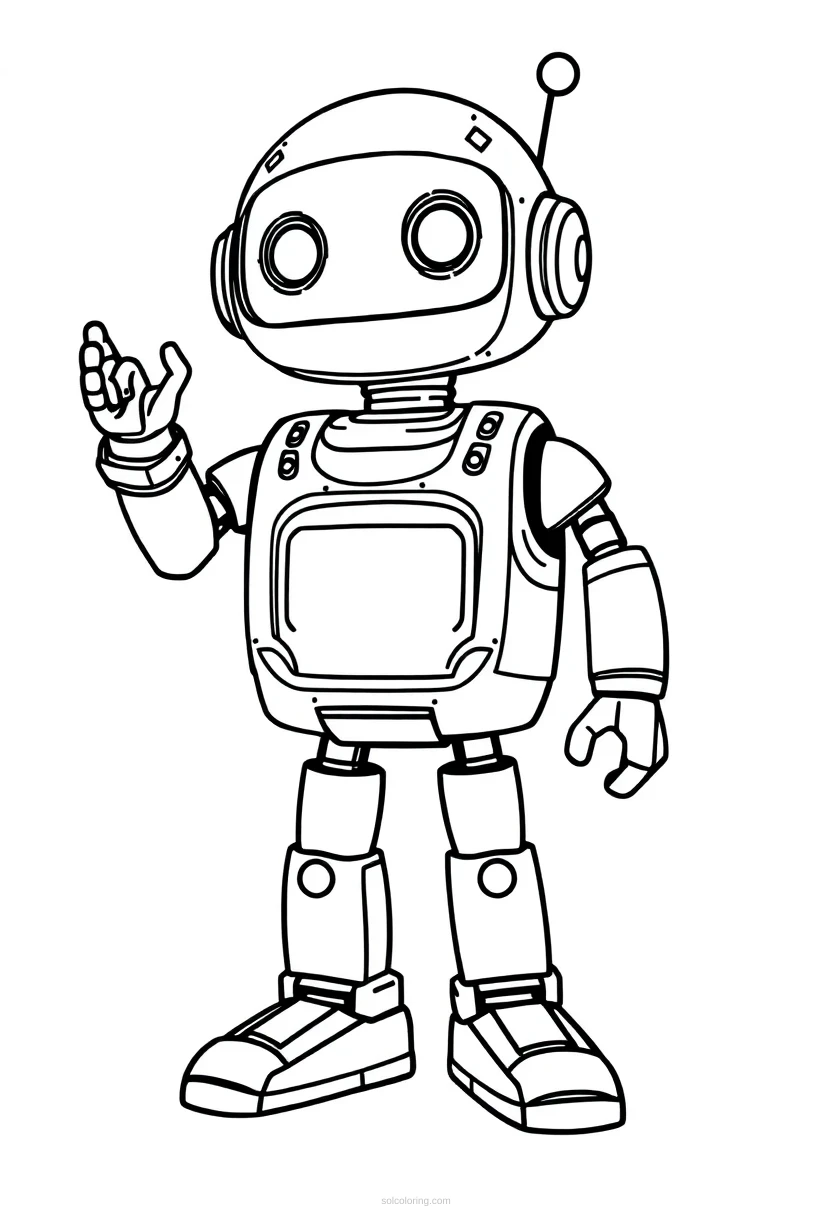
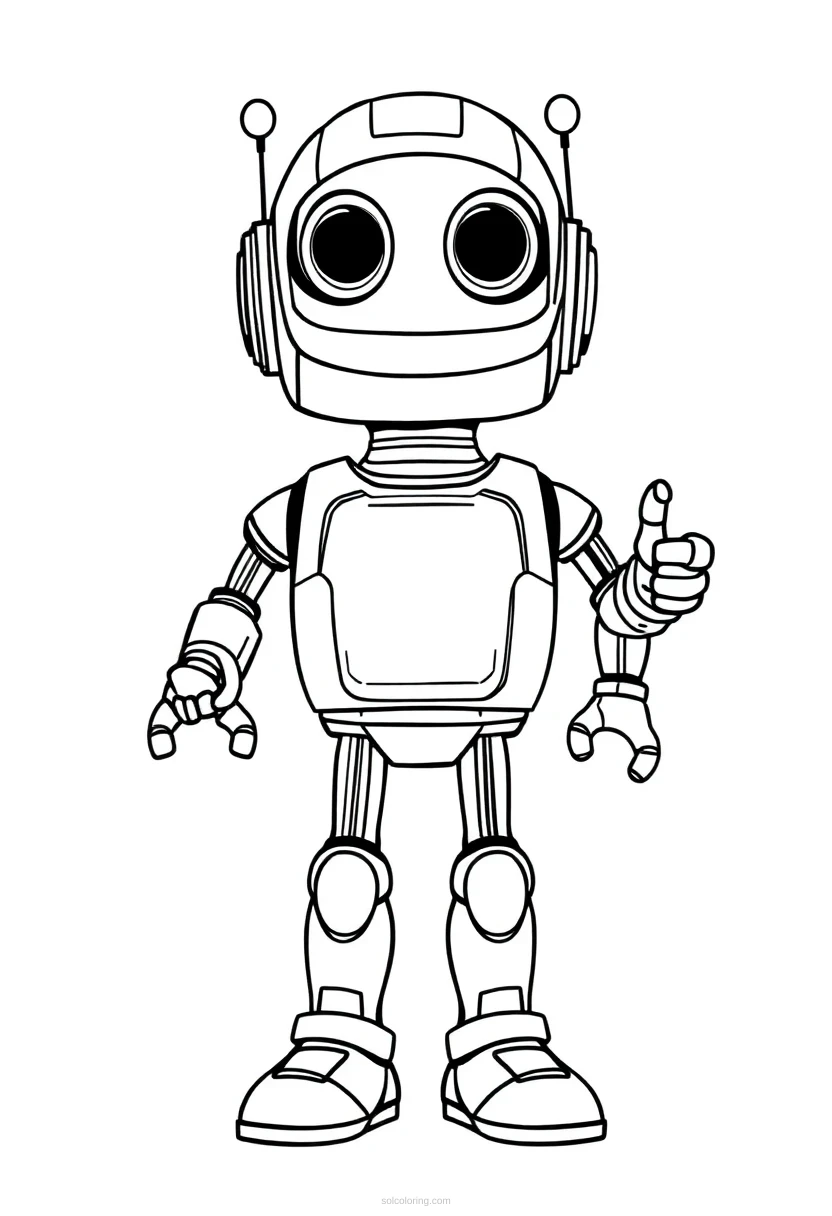
Did you know?
Fun facts about Robot Assistant Helper
The first robot assistant, called WABOT-1, was created in Japan in 1972 and could walk on two legs, recognize objects, and communicate in Japanese.
Some modern robot assistants like Pepper can recognize facial expressions and emotions, allowing them to respond with appropriate gestures and voice tones to match the person's feelings.
Robot assistants in hospitals have been shown to reduce staff stress and improve patient moods simply by providing friendly interaction and delivering items around the facility.
The most advanced robot assistants use quantum computing technology being developed, which could eventually allow them to solve complex problems millions of times faster than current computers.
Boston Dynamics created a robot dog named Spot that can climb stairs, open doors, and navigate difficult terrain, showing how assistant robots could help in emergency rescue situations and dangerous environments.
About Robot Assistant Helper
How do robot assistants actually work and what makes them intelligent?
Robot assistants use artificial intelligence, sensors, and algorithms to understand commands and perform tasks. They process information from cameras, microphones, and touch sensors, then use machine learning to improve over time. The most advanced robot assistants, like Sophia, can recognize faces and engage in conversations by analyzing language patterns and context from thousands of interactions.
What types of jobs can robot assistants perform in the real world?
Robot assistants work in hospitals helping doctors and nurses, in homes assisting elderly people with daily tasks, in factories organizing inventory, and in customer service answering questions. Some even work in dangerous environments like deep-sea exploration or nuclear cleanup where humans cannot safely go. They're increasingly used in schools, museums, and retail stores.
What are the differences between robot assistants and other types of robots?
Robot assistants are specifically designed for human interaction and daily support, while industrial robots perform repetitive manufacturing tasks. Service robots handle specific jobs like cleaning or delivery. The key difference is that assistants are programmed to understand human needs, communicate naturally, and adapt their behavior based on individual preferences and feedback.
How do robot assistants understand what people are asking them to do?
Robot assistants use natural language processing technology to understand speech and text. This technology breaks down what you say into meaningful parts, matches it against a database of commands and concepts, and determines the best action. Machine learning helps them improve their understanding over time by learning from thousands of interactions with different people.
What challenges do engineers face when designing robot assistants?
Engineers must solve problems like creating realistic human-like movement, reliable voice recognition in noisy environments, and safe physical interaction with people. Battery life is challenging because complex robots drain power quickly. Programming robots to understand context and emotions, avoid harming humans, and adapt to unexpected situations requires extremely advanced software and safety systems.
What will robot assistants be able to do in the future?
Future robot assistants may provide medical care, teach personalized lessons to every student, understand emotions and respond with genuine empathy, and handle complex decision-making tasks. Scientists predict they could become companions for lonely people, help with physical rehabilitation, and assist with scientific research. However, experts also discuss important questions about how society should responsibly develop these technologies.
More Futuristic Tech coloring pages

Coloring page FAQs
Are these Robot Assistant Helper coloring pages free?
Yes! All our Robot Assistant Helper coloring pages are completely free to download and print. No signup, no hidden fees, and no account required. Simply visit Sol Coloring, find your favorite free printable coloring page, and print it instantly on standard A4 or Letter paper at home.
What age are these Robot Assistant Helper coloring pages for?
Our Robot Assistant Helper coloring pages are designed for ages 8 to 14, though kids and adults of all ages enjoy them. We offer varying difficulty levels, from simple designs with large areas to color, to detailed pages with intricate patterns and smaller sections for more experienced colorists.
How do I print these Robot Assistant Helper coloring pages?
Printing is simple and requires no special setup. Download the free printable coloring page to your device, open it with any PDF reader, and click print. Select your printer, paper size (A4 or Letter), and print settings. No account or signup needed, just print and start coloring!