
Robots
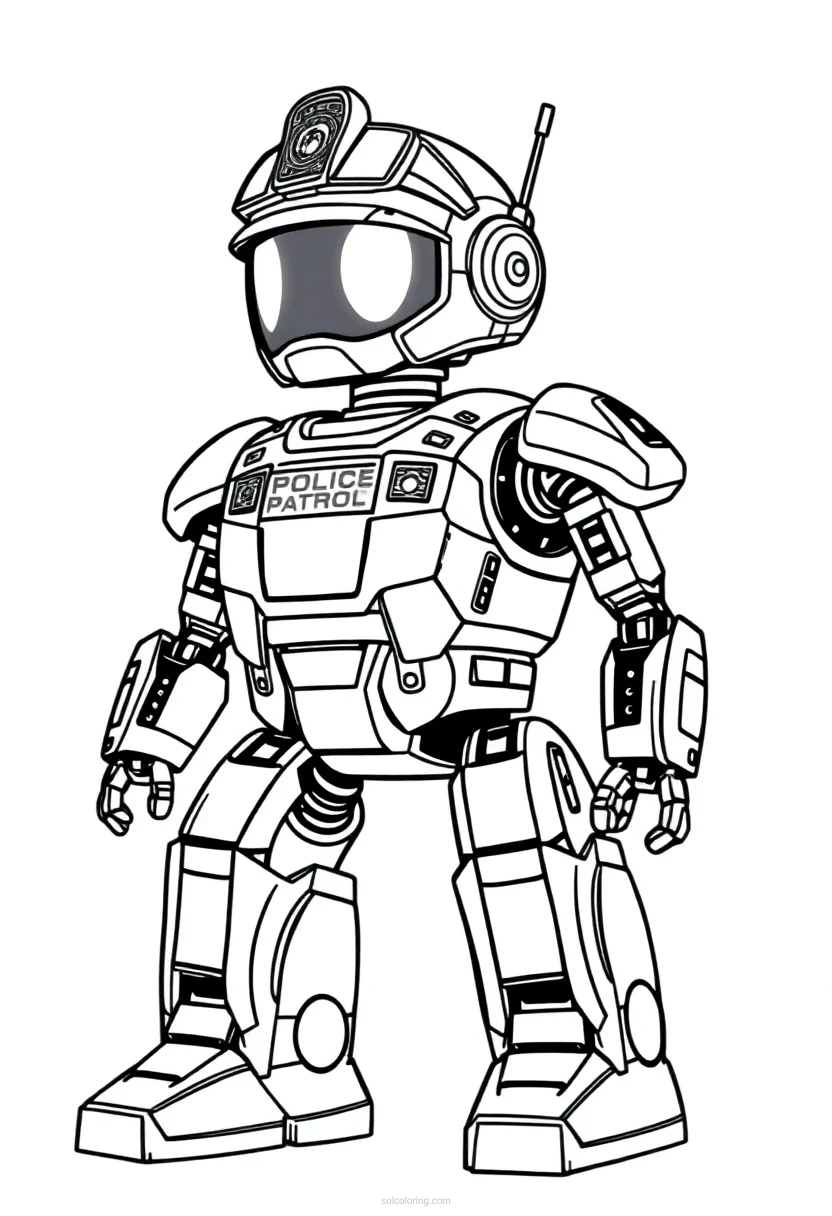
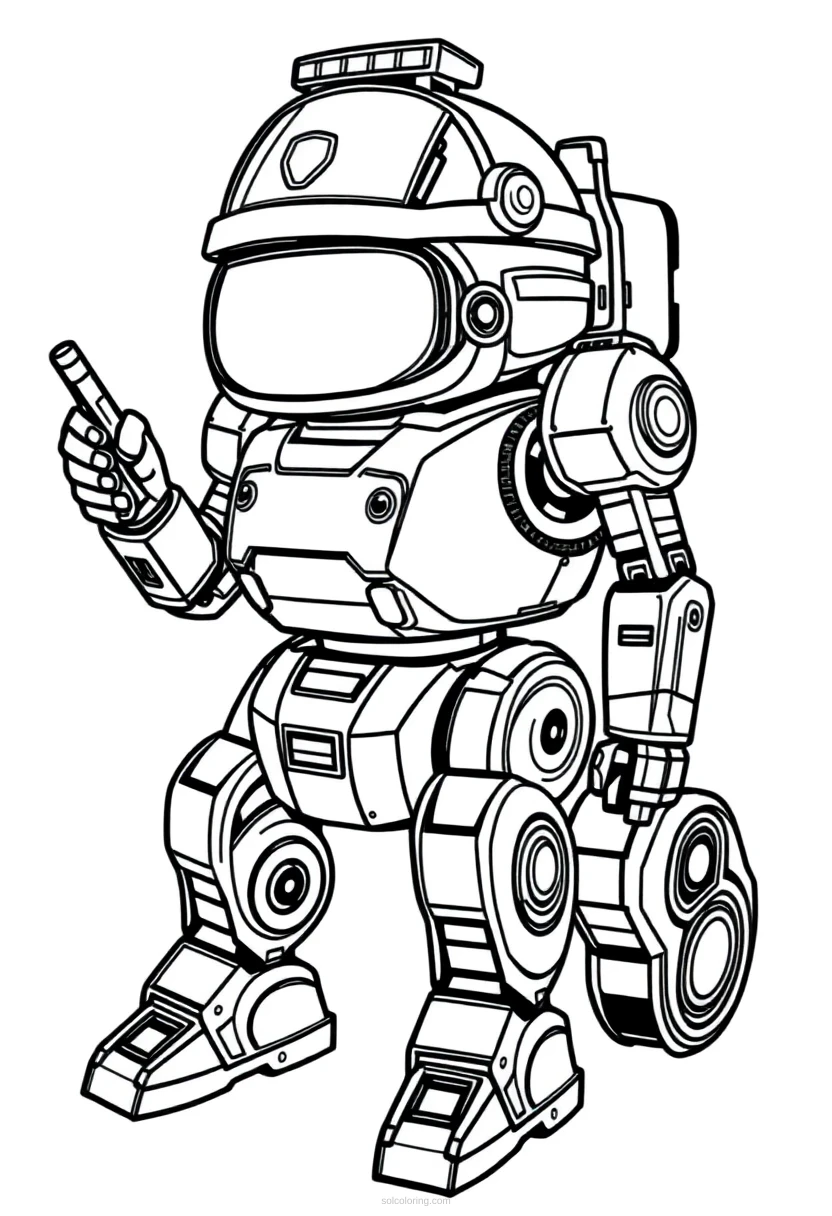
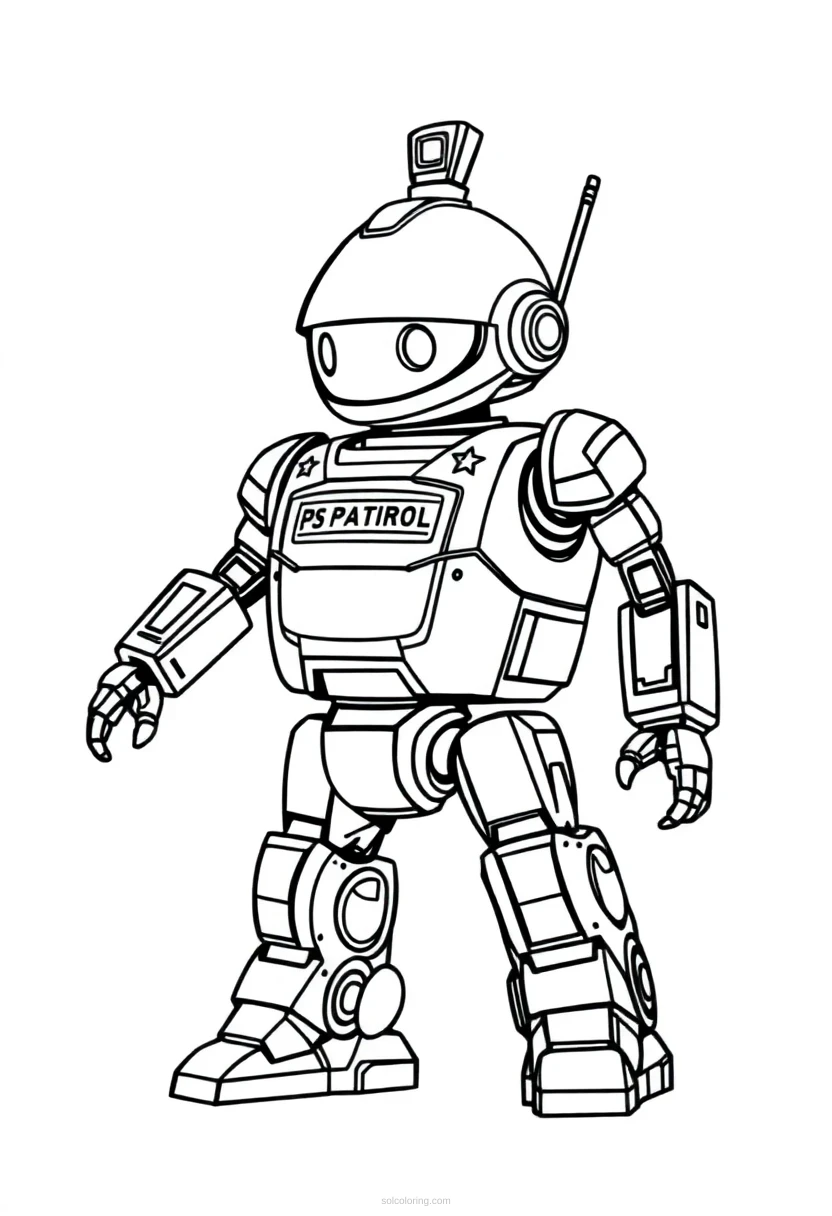
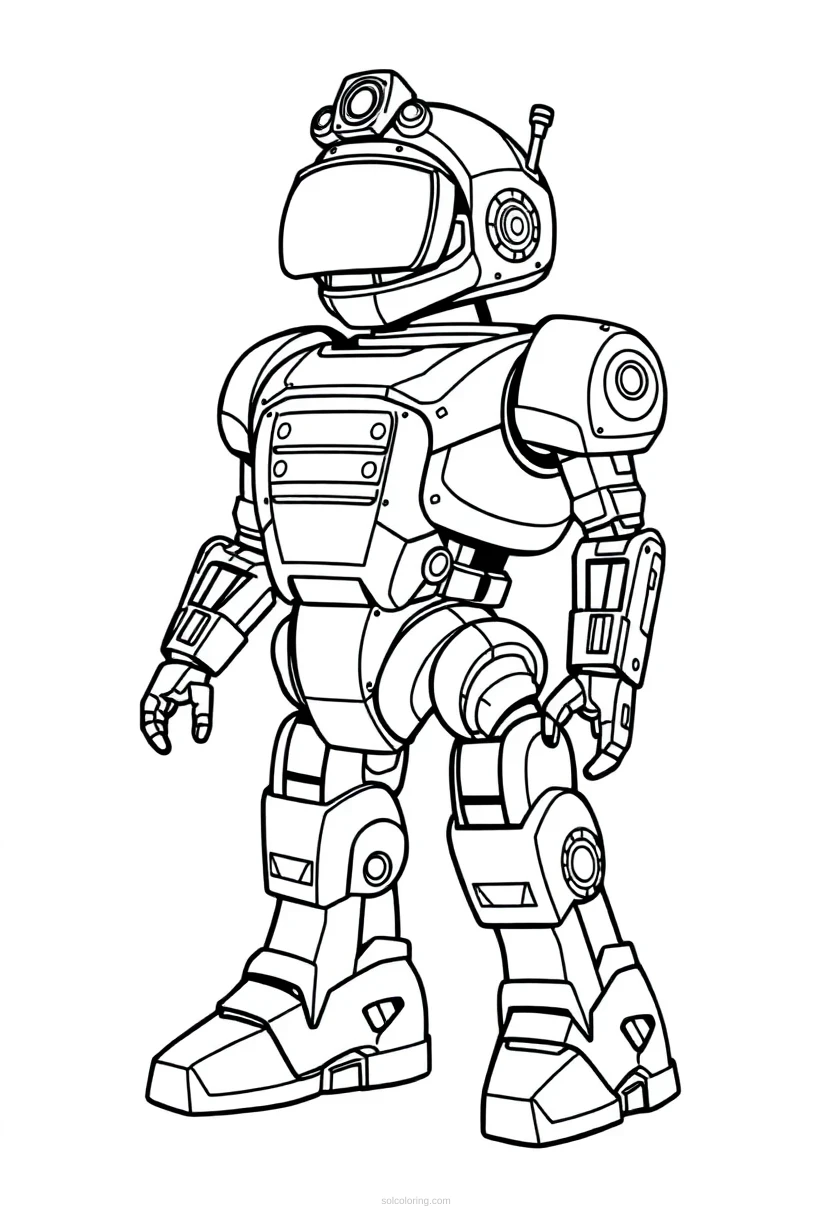
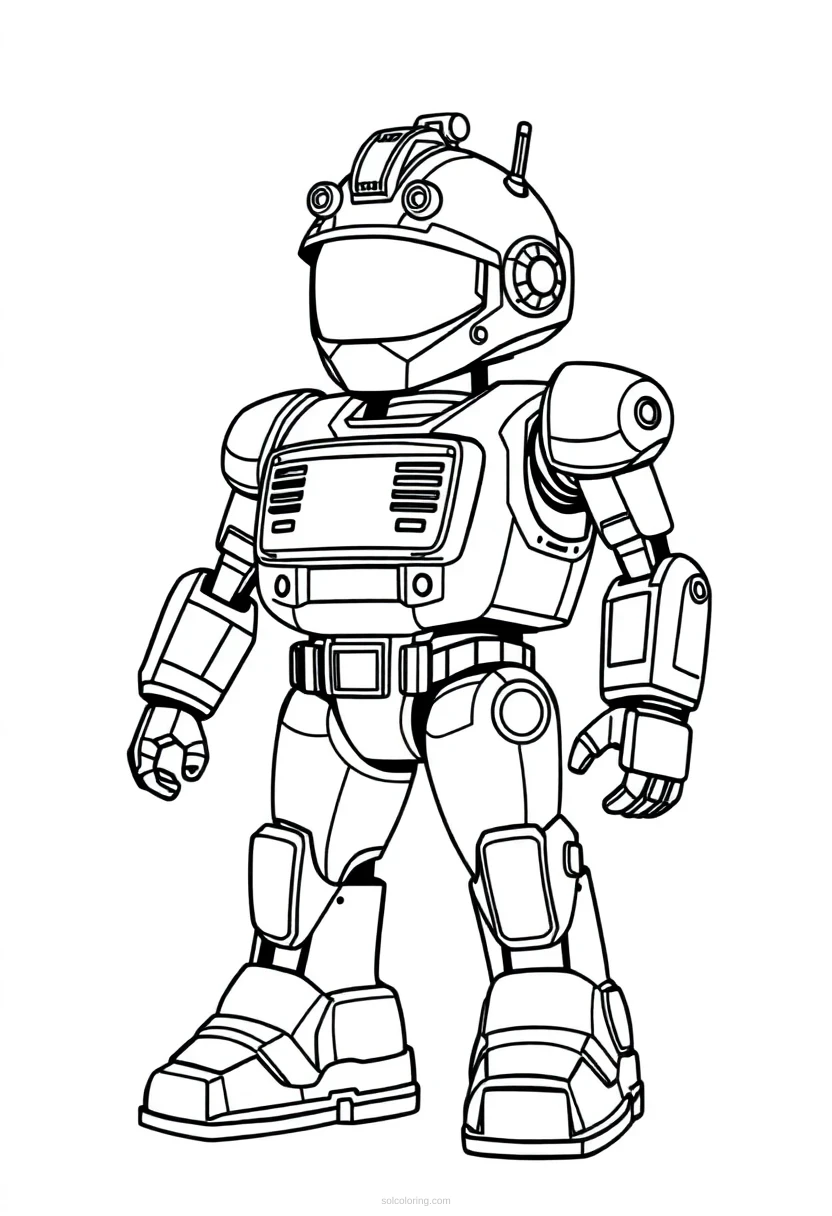
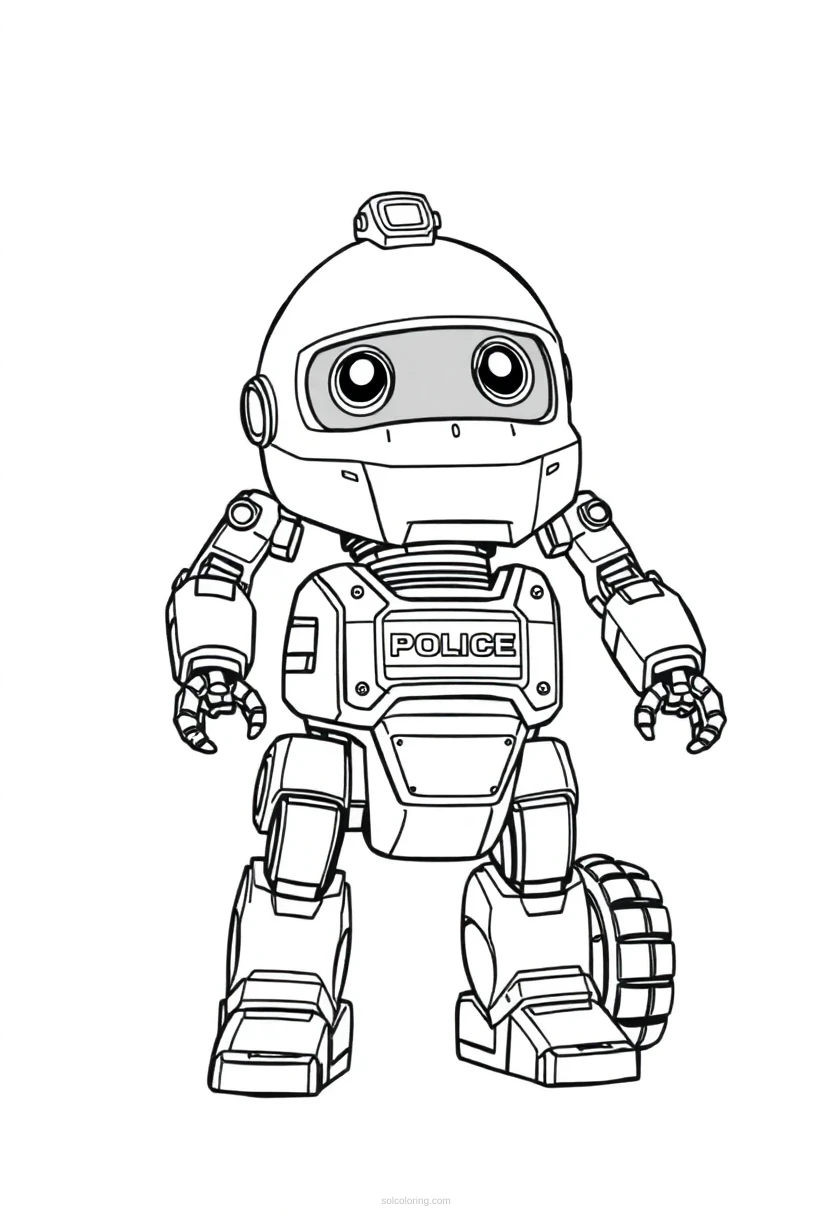
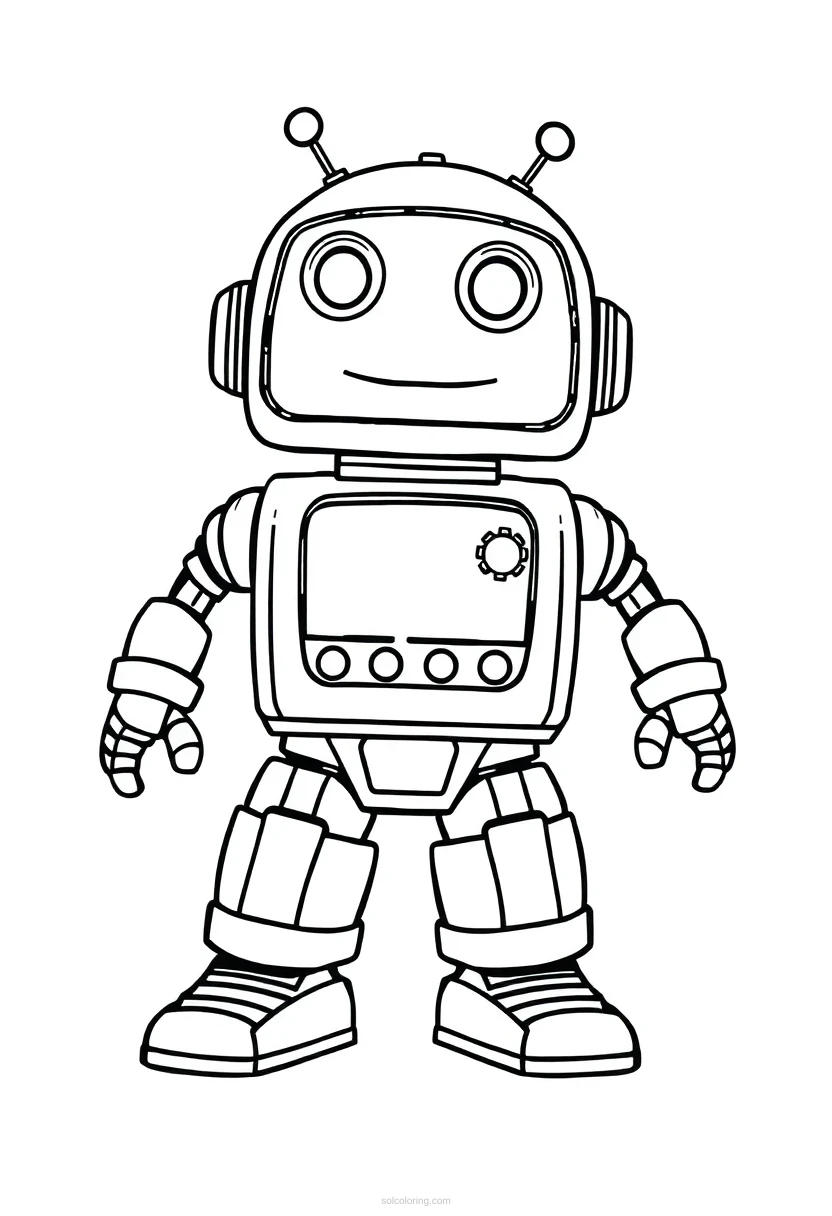
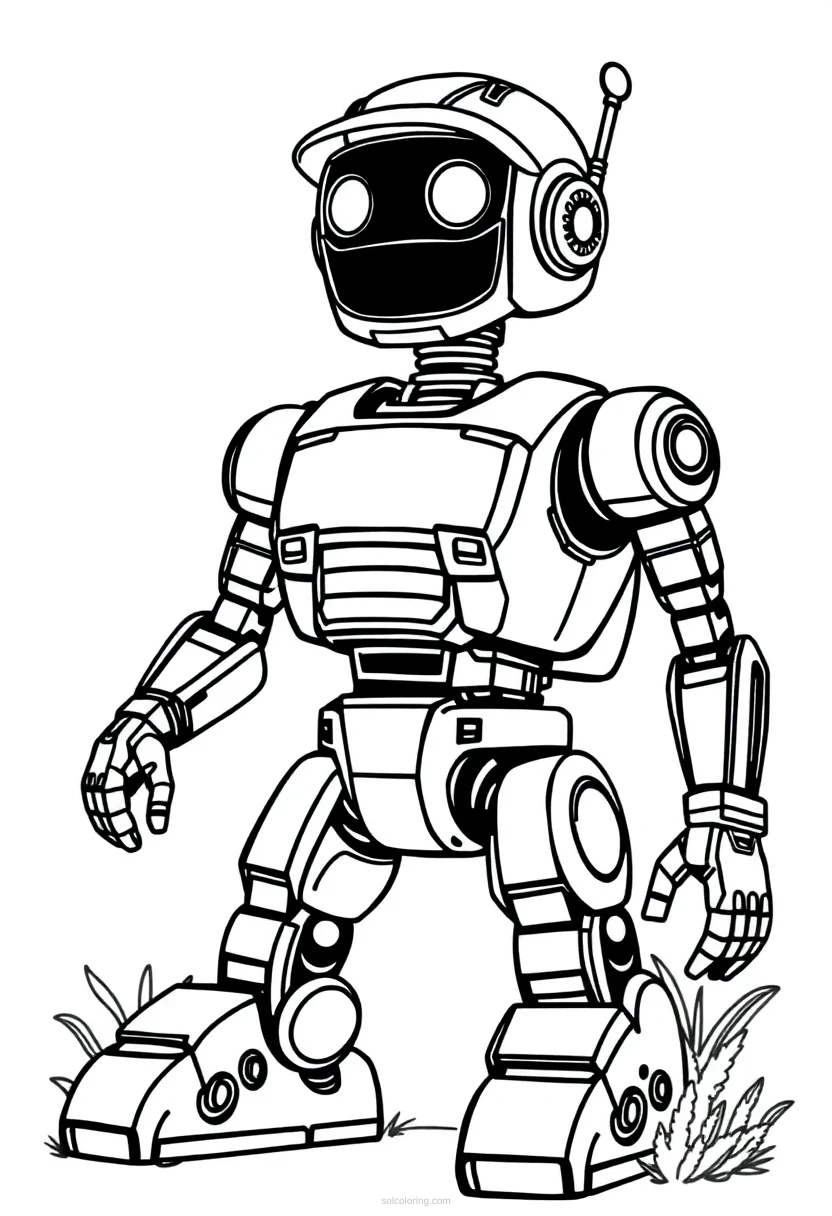
Police Patrol Robot Coloring Pages
6 free printable designs including Standard, Standard, Standard, Standard and more.
Police patrol robots are cutting-edge machines designed to assist law enforcement officers in keeping communities safe. These advanced robots can patrol streets, monitor crowds, and detect suspicious activity without putting officers in immediate danger. From autonomous security drones to ground-based surveillance units, police patrol robots represent the future of public safety technology. Download our free printable coloring page of a Police Patrol Robot and explore how robots are transforming law enforcement. This free printable coloring page is perfect for learning about robotics and modern technology while having creative fun.
Read more →Read less ↑
Choose a style
Did you know?
Fun facts about Police Patrol Robot
The K5 police robot, deployed in several U.S. cities, can detect gunshots, monitor temperature, and track license plates while being only 5 feet tall and weighing 300 pounds.
Some police patrol robots are nicknamed 'Robocops' by officers and can operate for up to 8 hours on a single battery charge while traveling at speeds up to 3 miles per hour.
Police robots in China have been programmed to recognize and stop jaywalkers by spraying them with water and publicly shaming them on screens, demonstrating how robot use varies globally.
The Spot robot by Boston Dynamics, used by some law enforcement agencies, can climb stairs, open doors, and navigate complex environments better than most four-legged animals.
Police patrol robots are equipped with thermal imaging cameras that can see heat signatures through darkness and some materials, making them excellent for searching for missing persons or suspects.
About Police Patrol Robot
How do police patrol robots help keep communities safe?
Police patrol robots enhance public safety by conducting surveillance in high-crime areas, monitoring large crowds at events, and detecting hazardous materials or suspicious packages. They can operate in dangerous conditions where sending human officers might be risky, allowing law enforcement to gather information and respond more effectively to threats.
What sensors and technology do police patrol robots use?
Modern police patrol robots are equipped with cameras, thermal imaging, motion sensors, microphones, and sometimes license plate readers. Many use artificial intelligence to detect unusual behavior or recognize faces. Some advanced models include chemical detection systems and can transmit real-time data directly to law enforcement command centers.
Can police patrol robots make arrests or use force?
No, police patrol robots are designed strictly for surveillance and information gathering, not enforcement. They cannot arrest people or use force. Instead, they alert human officers who make decisions about enforcement actions. This keeps robots as tools to assist officers rather than replace their judgment and authority.
What is the difference between police robots and military robots?
Police robots focus on community safety, surveillance, and crime prevention with non-lethal capabilities. Military robots are built for combat, defense, and warfare with more advanced weaponry and armor. Police robots prioritize civilian protection and work in populated areas, while military robots operate in conflict zones and war situations.
How much do police patrol robots cost?
Police patrol robots vary widely in price depending on their capabilities. Basic models start around $50,000 to $100,000, while advanced robots with thermal imaging, AI capabilities, and autonomous features can cost $200,000 to $500,000 or more. This significant investment helps explain why only larger police departments currently use them.
Are there any concerns about using robots in law enforcement?
Yes, there are ongoing debates about privacy, surveillance ethics, and potential bias in robot programming. Communities worry about how data is collected and stored, and whether robots could unfairly target certain neighborhoods. Many cities hold public discussions to balance safety benefits with privacy rights and fairness concerns.
More Robots coloring pages
Coloring page FAQs
Are these Police Patrol Robot coloring pages free?
Yes, absolutely! All of our Police Patrol Robot coloring pages are completely free to download and print. There are no hidden fees, subscriptions, or sign-ups required. Simply visit Sol Coloring, find your favorite design, and print it instantly on your home printer.
What age are these Police Patrol Robot coloring pages for?
Our Police Patrol Robot coloring pages are designed for kids and adults aged 8 to 14. We offer varying difficulty levels, from simple outlines for younger children to more detailed designs for older kids and teens who want a creative challenge.
How do I print these Police Patrol Robot coloring pages?
Printing is easy and hassle-free. Download the PDF file, open it on your computer, and send it to your home printer. The pages are formatted for standard A4 or Letter size paper. No special equipment or technical skills are needed.