Landscapes
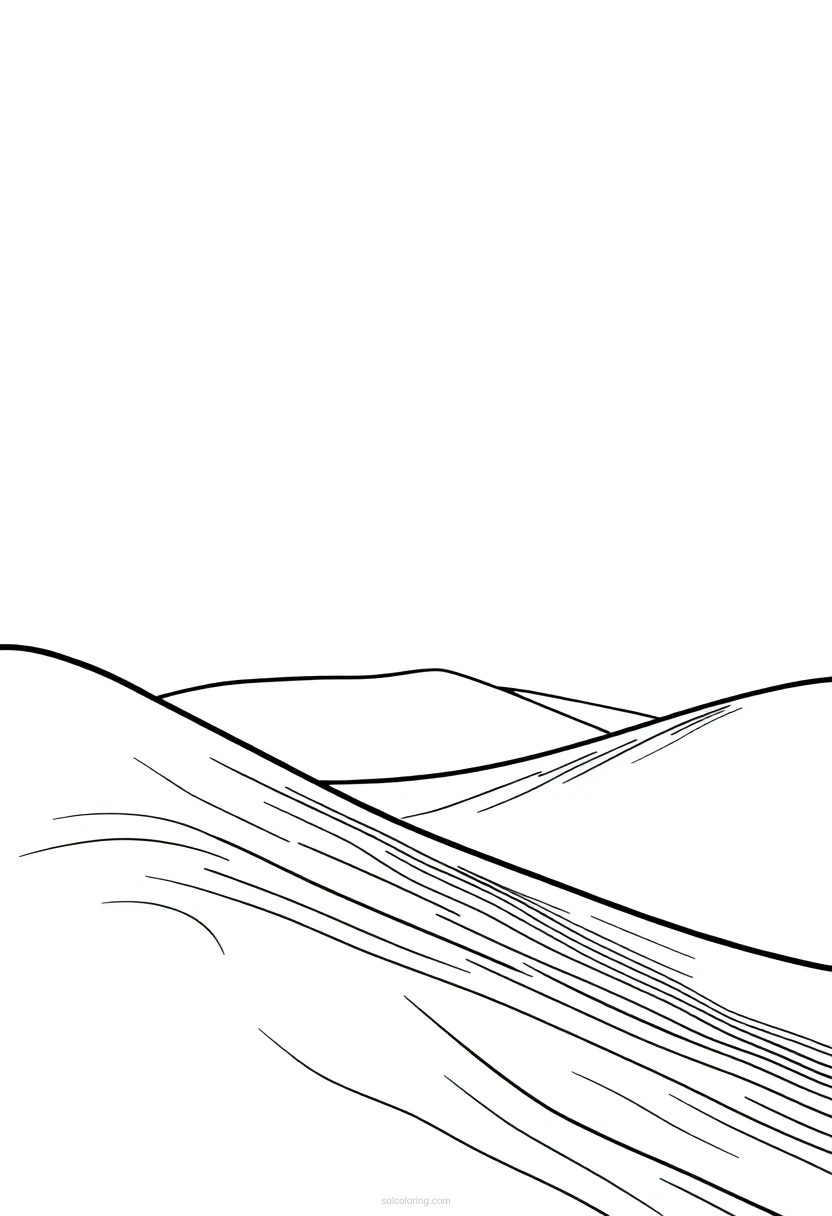
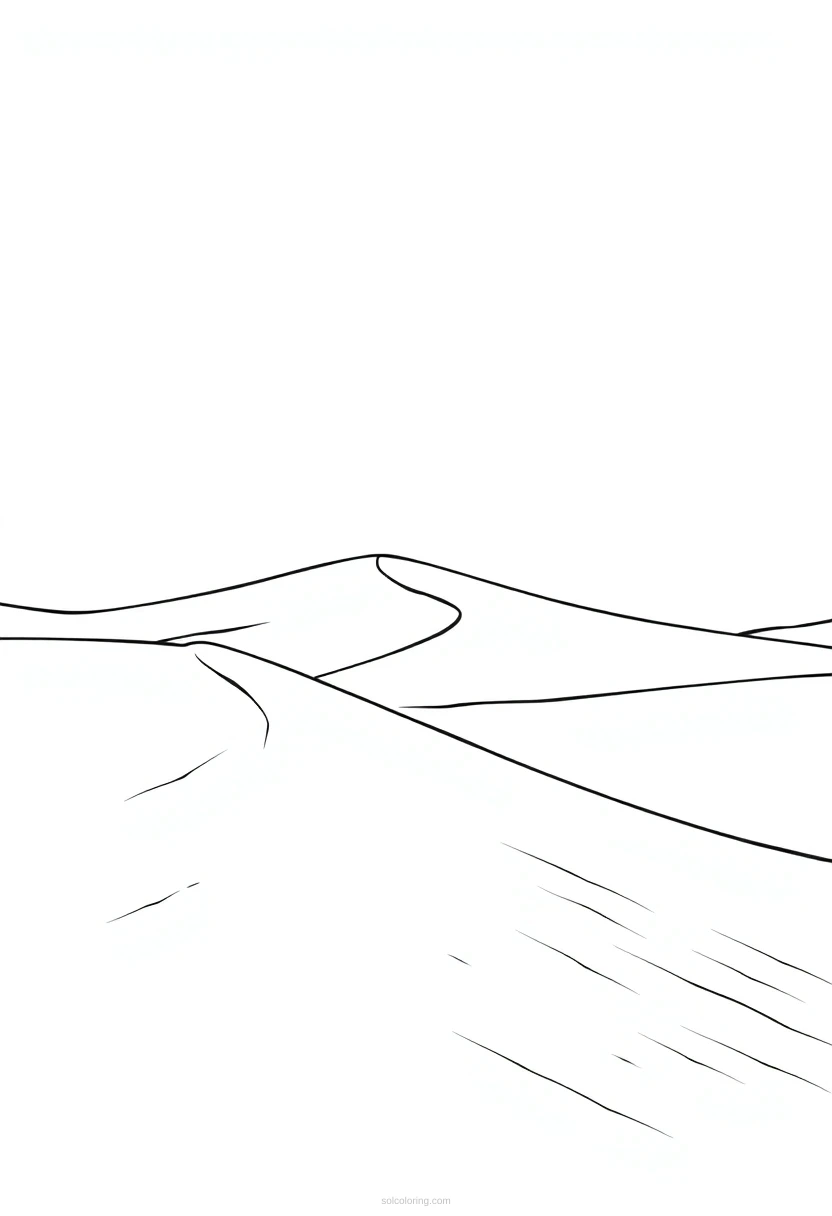
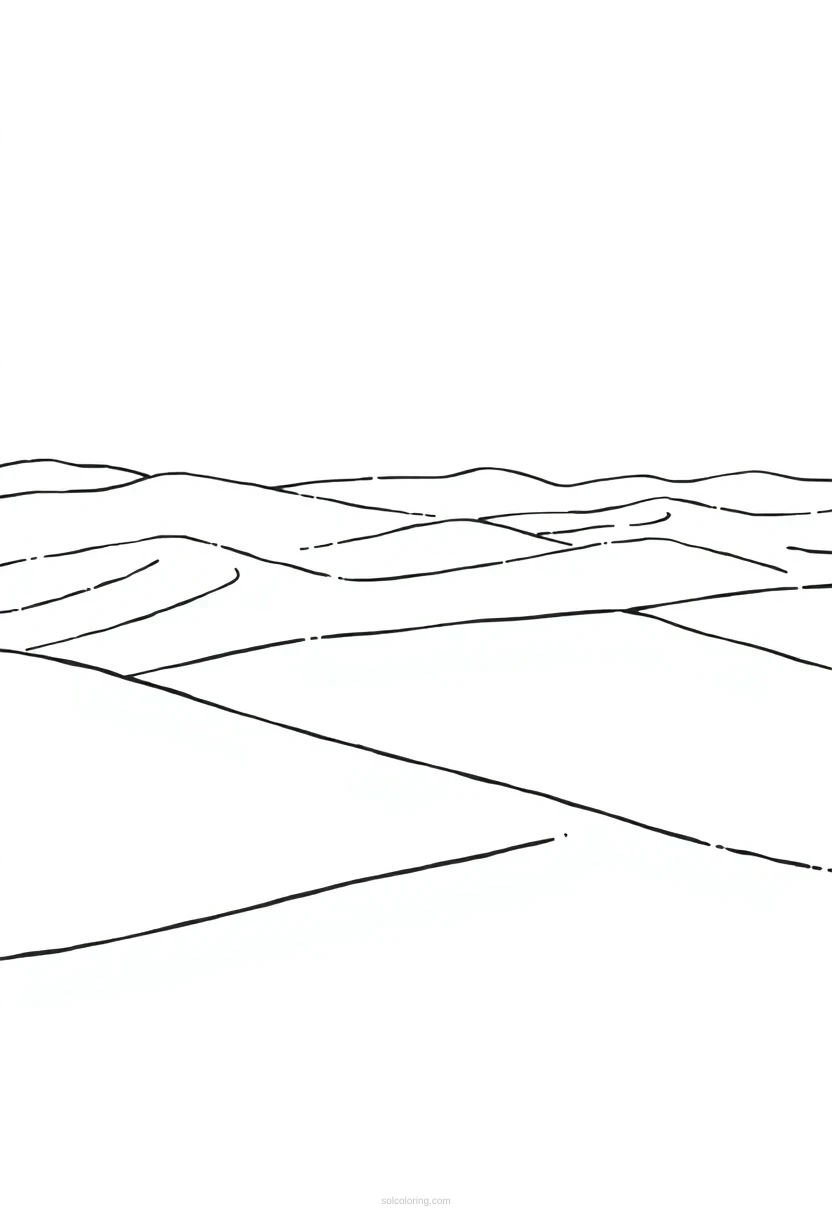
Desert Dunes Simple Coloring Pages
6 free printable designs including Standard, Standard, Standard, Standard and more.
Desert dunes are some of the most breathtaking landscapes on Earth, shaped by wind and time into magnificent golden waves of sand. These natural formations cover vast areas across deserts worldwide, from the Sahara to the Arabian Desert. Coloring a free printable coloring page of desert dunes is a wonderful way to appreciate the beauty and complexity of these extreme environments. Whether you're interested in geography, nature, or simply love scenic landscapes, our free printable coloring page lets you explore the warm colors and patterns found in these amazing desert scenes. Discover how deserts support life and shape our planet.
Read more →Read less ↑
Choose a style

Did you know?
Fun facts about Desert Dunes Simple
The Sahara Desert's Grand Erg Oriental contains dunes that are so massive they can be seen clearly from satellite photographs orbiting Earth.
Desert dune sand grains are so smooth and rounded by wind that they feel silky to the touch, unlike beach sand which is coarser.
Some desert dunes produce musical sounds when people slide down them, a phenomenon called 'singing sands' caused by friction between sand grains.
The Great Star Dune in Colorado is one of the rarest dune types in North America, formed by winds that blow from multiple directions simultaneously.
Ancient trade routes called 'The Silk Road' followed desert dunes and oases for thousands of years as merchants navigated between continents.
About Desert Dunes Simple
What causes desert dunes to form?
Desert dunes form through wind erosion and sand accumulation over many years. Wind picks up loose sand particles and carries them across the desert, depositing them in patterns determined by wind direction and obstacles. Different wind patterns create distinct dune shapes like crescent, linear, and star dunes. Some dunes can take centuries to form and constantly shift as winds change.
How tall can desert dunes grow?
Desert dunes vary dramatically in height depending on their location and type. The tallest dunes in the world are found in the Sahara Desert, with some reaching heights of over 600 feet (180 meters). However, most dunes range from 30 to 300 feet tall. Star-shaped dunes tend to be the tallest because wind from multiple directions builds them upward rather than sideways.
Why are desert dunes different colors?
Desert dunes display various colors based on the minerals and composition of the sand in that region. Red and orange dunes contain iron oxide minerals, while white dunes typically have quartz or gypsum. Yellow and tan dunes are common in most deserts. The color also changes throughout the day as sunlight hits the dunes at different angles, creating dramatic shadows and highlights.
Do plants and animals live in desert dunes?
Yes, despite harsh conditions, desert dunes support specialized life forms. Desert plants like desert roses and acacia trees have adapted deep roots to find water. Animals include desert foxes, lizards, snakes, and insects that are active at night to avoid extreme heat. Many creatures burrow beneath the sand to escape scorching daytime temperatures and stay hydrated.
How do dunes move and change?
Desert dunes are constantly moving landscapes, shifting a few feet each year through wind action. Strong winds gradually push sand from one side of a dune to another, causing the entire formation to migrate slowly across the desert. Some dunes move faster in areas with consistent wind patterns. These slow movements have been documented by satellites and aerial photography over decades.
What is the difference between sand dunes and sand sheets?
Sand dunes are distinct mounds where sand accumulates in concentrated piles, while sand sheets are flat expanses of sand without significant elevation changes. Dunes form where winds are interrupted by obstacles, creating swirling patterns that pile sand high. Sand sheets occur in areas with steady winds and minimal obstructions, spreading sand evenly. Both are important desert features with different ecological characteristics.
More Landscapes coloring pages
Coloring page FAQs
Are these Desert Dunes Simple coloring pages free?
Yes, absolutely! All our Desert Dunes Simple coloring pages are completely free to download and print. There are no hidden costs, memberships, or signups required. Simply visit Sol Coloring, select your favorite design, download it as a PDF, and print it on standard A4 or Letter paper whenever you'd like.
What age are these Desert Dunes Simple coloring pages for?
Our Desert Dunes Simple coloring pages are designed for ages 8 to 14, with simple line work that's easy to color while remaining visually interesting. The simple designs make them perfect for beginners, but the scenic details offer enough complexity to keep older kids engaged and entertained.
How do I print these Desert Dunes Simple coloring pages?
Printing is simple: download the PDF from Sol Coloring, open it on your computer, and click print. Select A4 or Letter paper size depending on your location. Any standard home printer works fine. No signup or account creation is needed. You can print as many copies as you want.