Landscapes
Mountain Range Coloring Pages
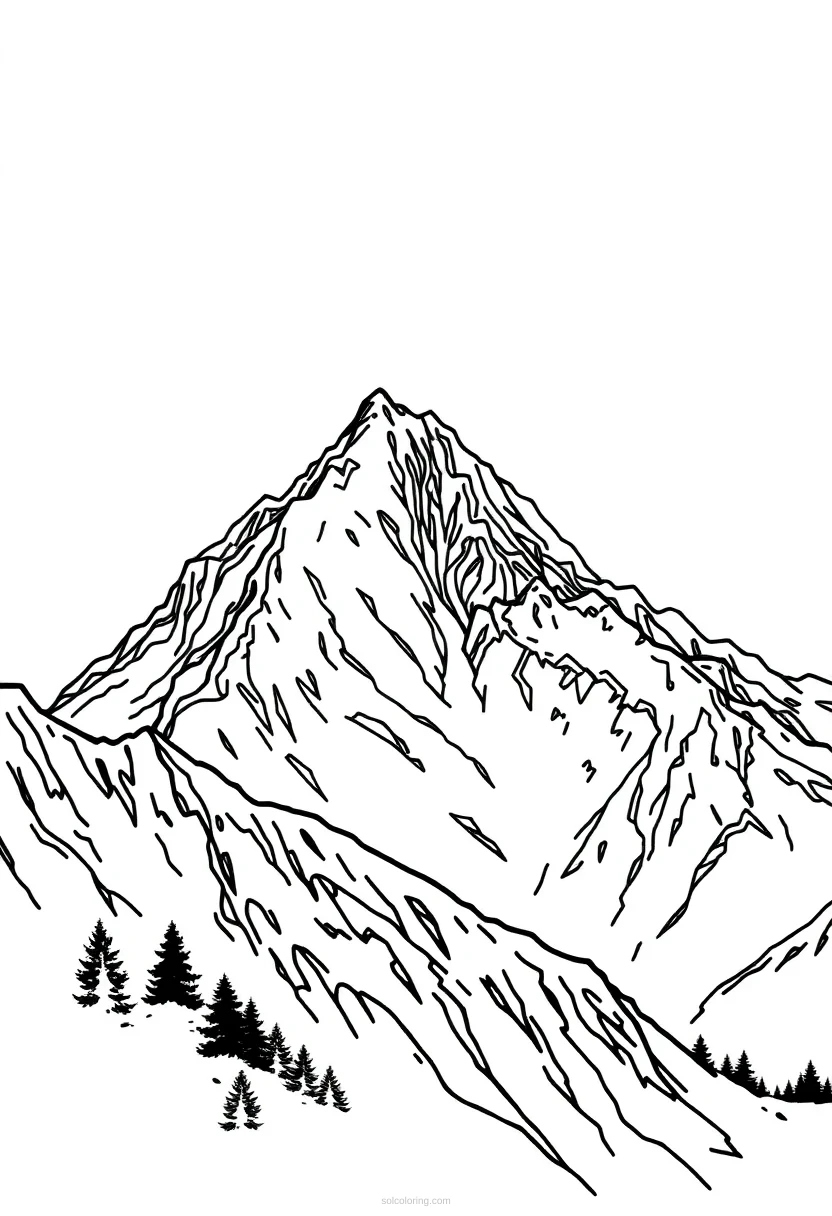
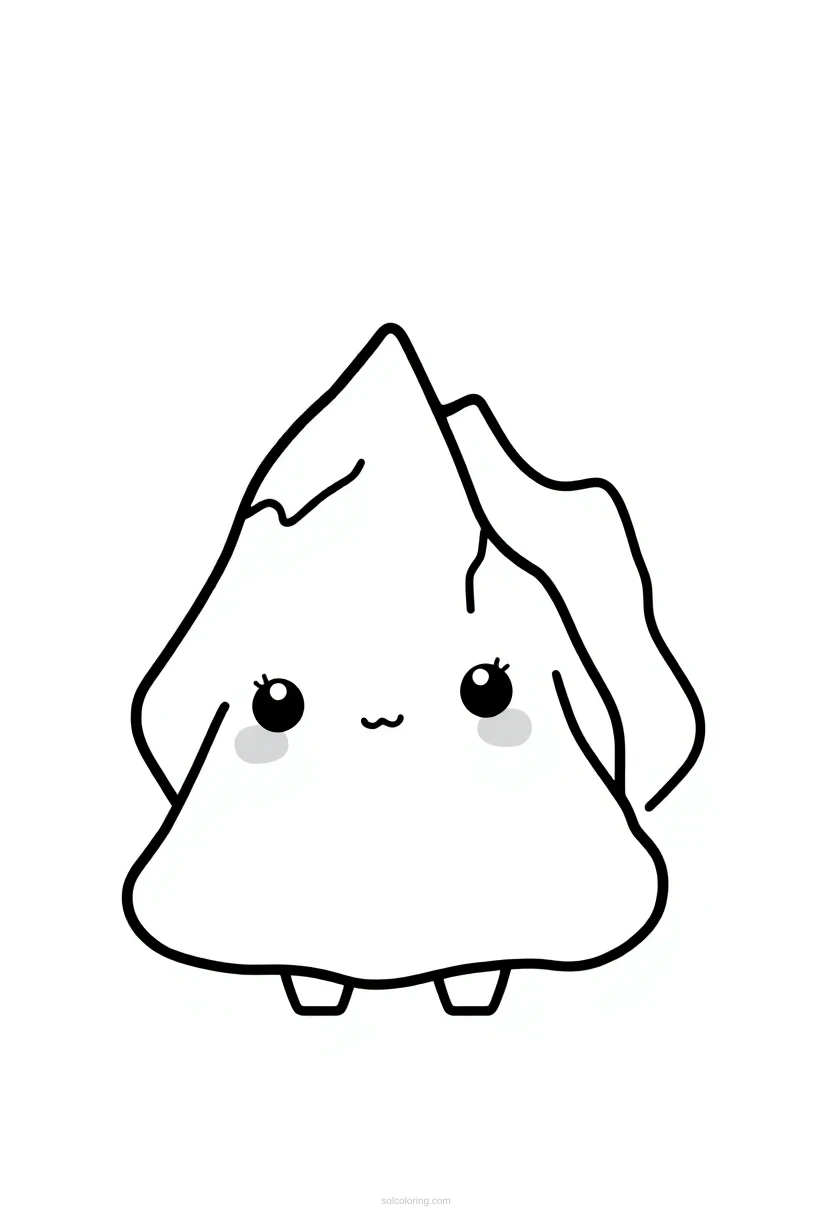
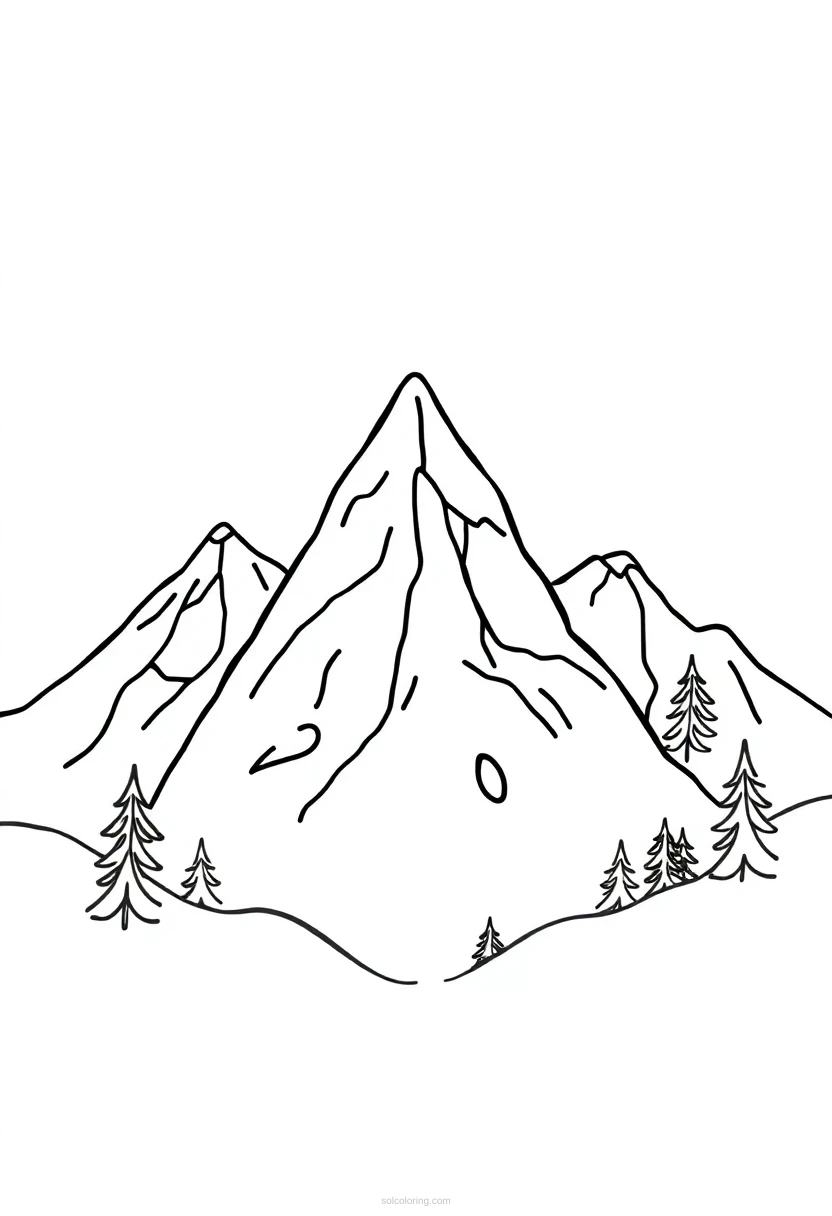
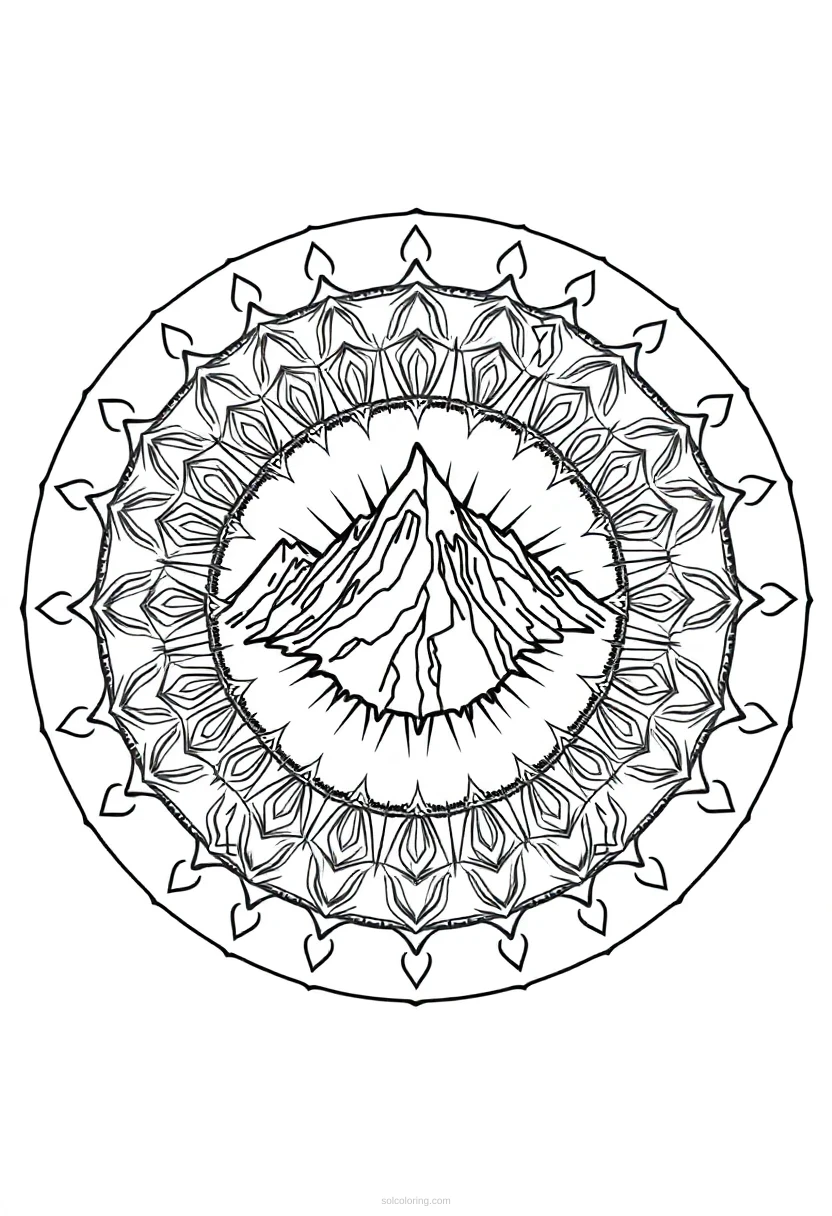
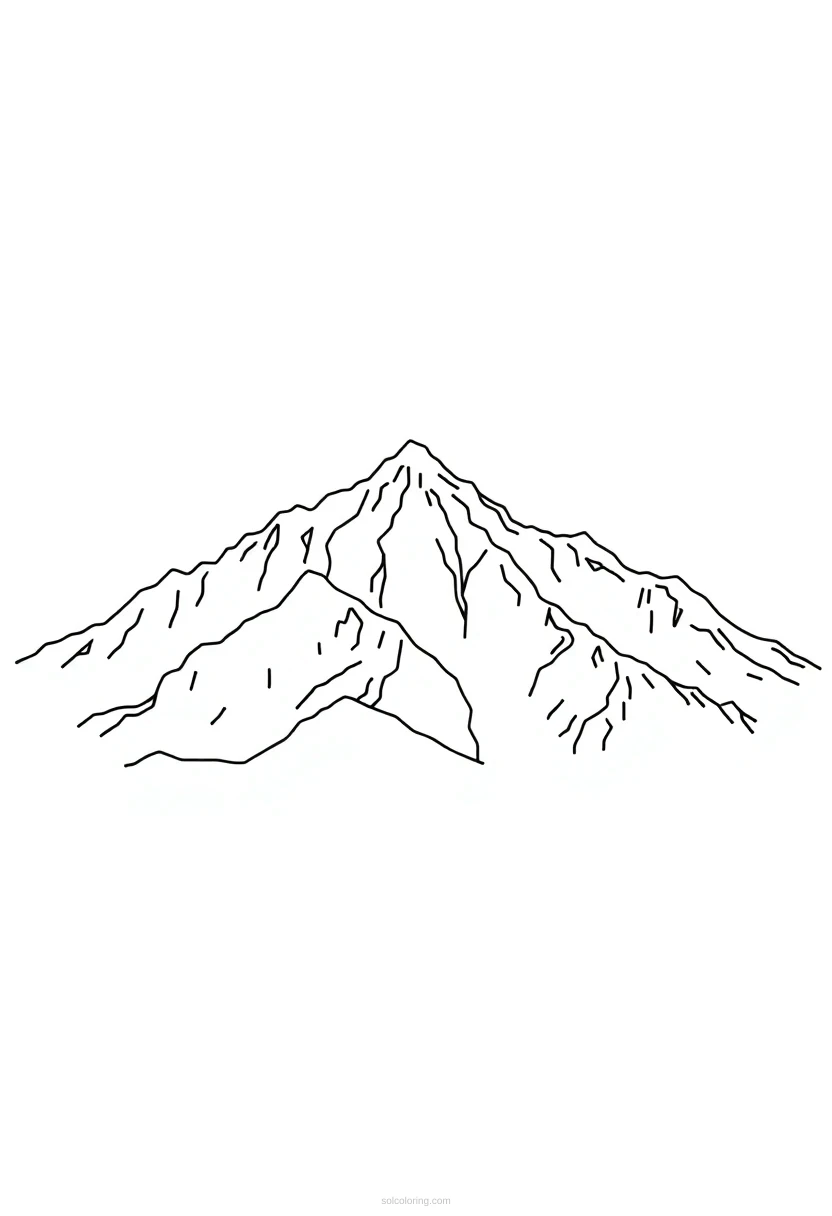
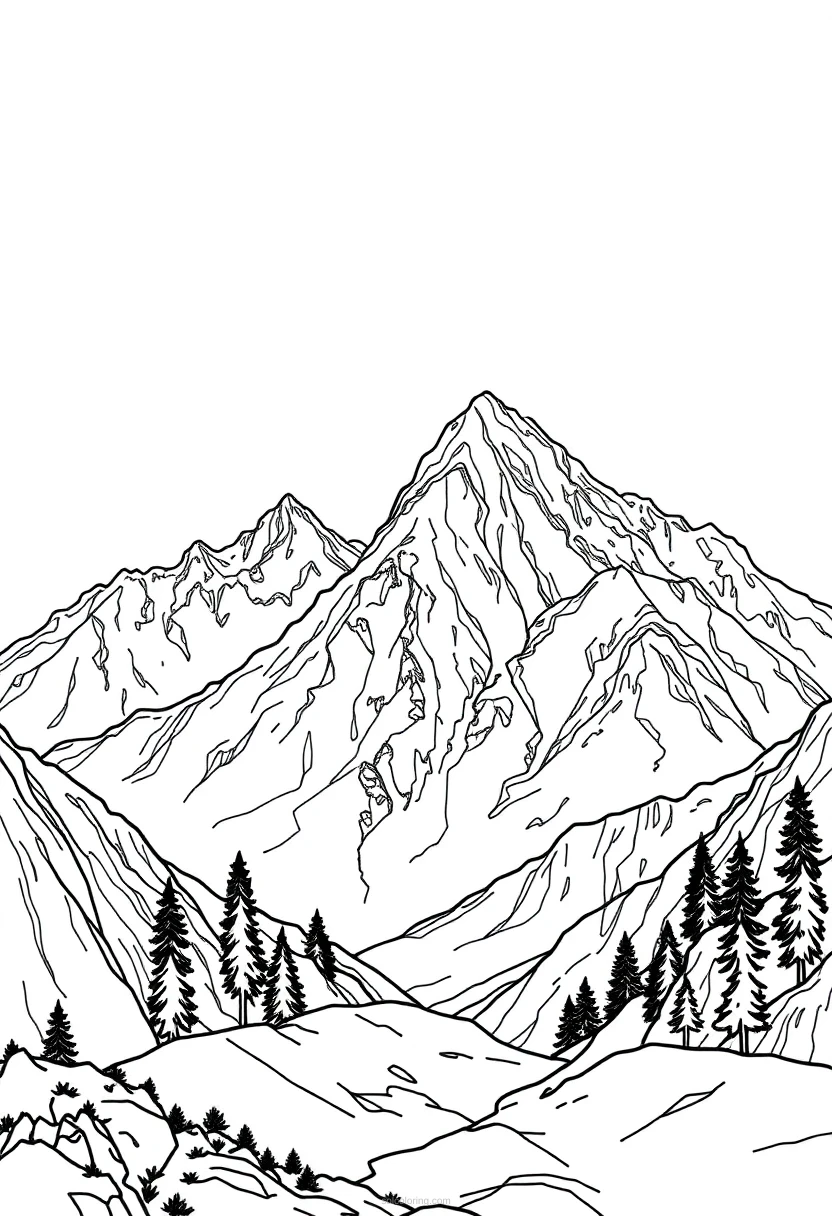
6 free printable designs including Standard, Standard, Standard, Standard and more.
Mountain ranges are some of Earth's most dramatic and awe-inspiring landscapes, formed over millions of years by powerful geological forces. These towering peaks shape our planet's climate, ecosystems, and human civilizations in remarkable ways. From the snow-capped Himalayas to the rugged Rocky Mountains, mountain ranges inspire wonder and adventure. Our free printable coloring page of mountain ranges lets you explore these natural wonders with your own creative colors. Whether you're a budding geologist or simply love nature, this free printable coloring page offers a perfect way to connect with Earth's magnificent geography while relaxing and having fun.
Read more →Read less ↑
Choose a style
Did you know?
Fun facts about Mountain Range
Mount Everest grows about 4 millimeters per year as the Indian tectonic plate continues pushing beneath the Eurasian plate.
The Andes mountain range is the longest mountain range in the world, stretching over 4,350 miles along the western coast of South America.
Mountain ranges can influence rainfall from hundreds of miles away, as air masses interact with peaks and create weather patterns far downwind.
The oldest mountain ranges on Earth are the Appalachian Mountains in North America, formed over 300 million years ago but now worn down by erosion.
More than 90% of Earth's freshwater comes from mountains, making mountain ranges critical water sources for billions of people worldwide.
About Mountain Range
How are mountain ranges formed?
Mountain ranges form primarily through tectonic plate movements. When two large pieces of Earth's crust collide, the land is forced upward, creating massive peaks. The Himalayas, for example, are still growing as the Indian plate pushes beneath the Eurasian plate. This slow-motion collision happens at just inches per year, yet over millions of years produces the world's tallest mountains.
What is the tallest mountain range in the world?
The Himalayan mountain range is Earth's tallest, containing Mount Everest at 29,032 feet above sea level. This range stretches across five countries including Nepal, Tibet, and India. The Himalayas formed from plate collision starting about 40 to 50 million years ago and continue growing today, making them geologically young compared to older ranges like the Appalachians.
Do mountain ranges affect weather and climate?
Mountain ranges dramatically influence weather and climate patterns. When moist air meets a mountain, it rises, cools, and releases rain on one side, creating wet regions. The opposite side becomes drier, creating what's called a rain shadow effect. Major ranges like the Rockies significantly alter precipitation, temperature, and wind patterns across entire continents.
What animals live in mountain ranges?
Mountain ranges host incredibly diverse wildlife adapted to extreme conditions. Snow leopards, mountain goats, eagles, and pikas thrive at high altitudes. Lower elevations support bears, deer, wolves, and porcupines. Each vertical zone has unique animals and plants suited to specific temperatures and oxygen levels. Mountains create natural zones supporting thousands of species worldwide.
How do mountains protect other ecosystems?
Mountain ranges act as natural barriers and water sources for surrounding regions. They capture moisture, creating rivers and streams that supply water to millions of people and countless ecosystems below. Mountains also regulate temperature extremes and provide habitat corridors for wildlife migration. Without mountains, many plains and valleys would face severe droughts and climate instability.
Are there different types of mountain ranges?
Yes, mountain ranges form through different geological processes. Fold mountains form from colliding tectonic plates, creating ranges like the Alps and Himalayas. Block mountains form when large fault lines push sections of crust upward, like the Sierra Nevada. Volcanic mountain ranges form from eruptions building peaks, such as the Cascade Range. Each type has unique characteristics and geological histories.
More Landscapes coloring pages
Coloring page FAQs
Are these Mountain Range coloring pages free?
Yes, all our mountain range coloring pages are completely free to download and print. Simply visit Sol Coloring, select your favorite design, and print instantly on standard paper. No subscription, registration, or hidden fees required. You can print as many copies as you'd like for personal or educational use.
What age are these Mountain Range coloring pages for?
Our mountain range coloring pages are designed for ages 8 to 14, with varying complexity levels. Younger colorers can enjoy simple, bold outlines, while older kids appreciate intricate details and shading opportunities. Adults also love these pages for relaxation and mindfulness. Each design offers something for different skill levels and interests.
How do I print these Mountain Range coloring pages?
Printing is simple and requires no special setup. Download the PDF file, then open it on your computer or device. Click print and select your preferred paper size, such as A4 or Letter. Any standard home printer works perfectly. No account creation or software installation needed.