Landscapes
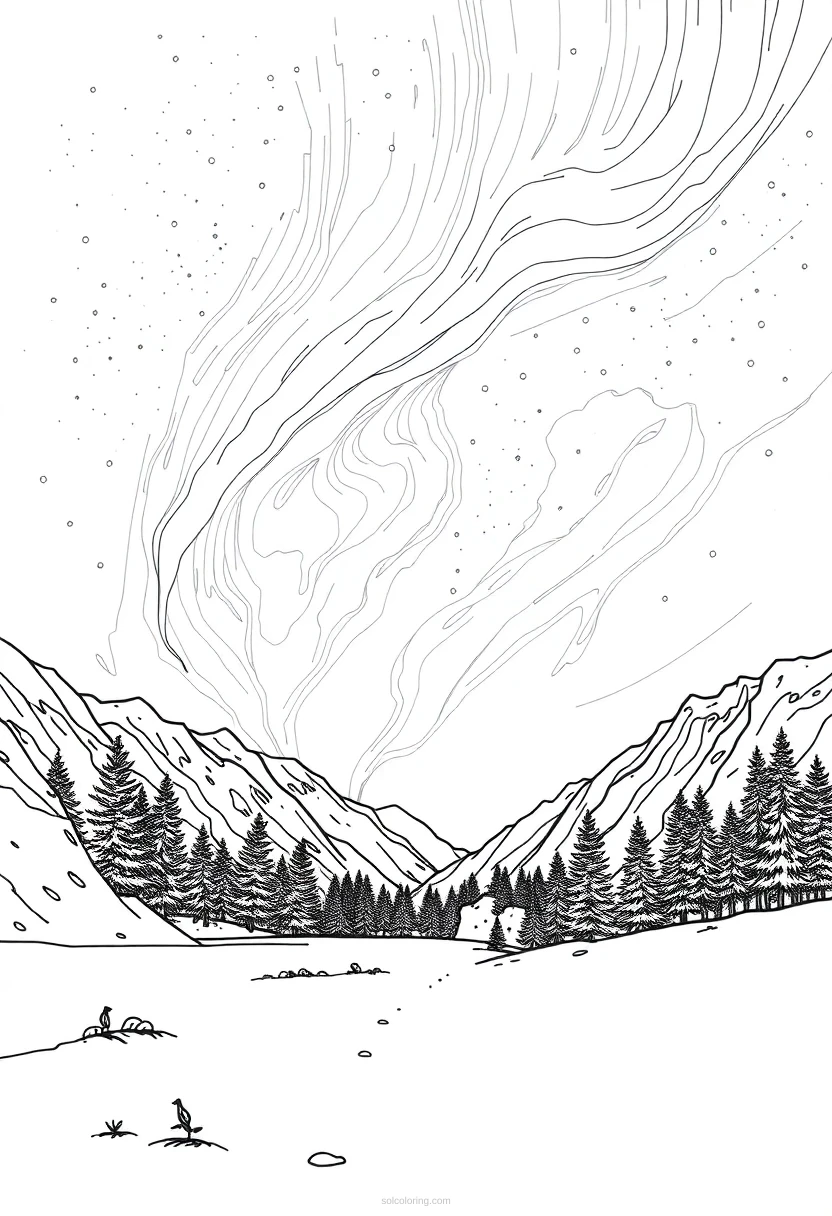
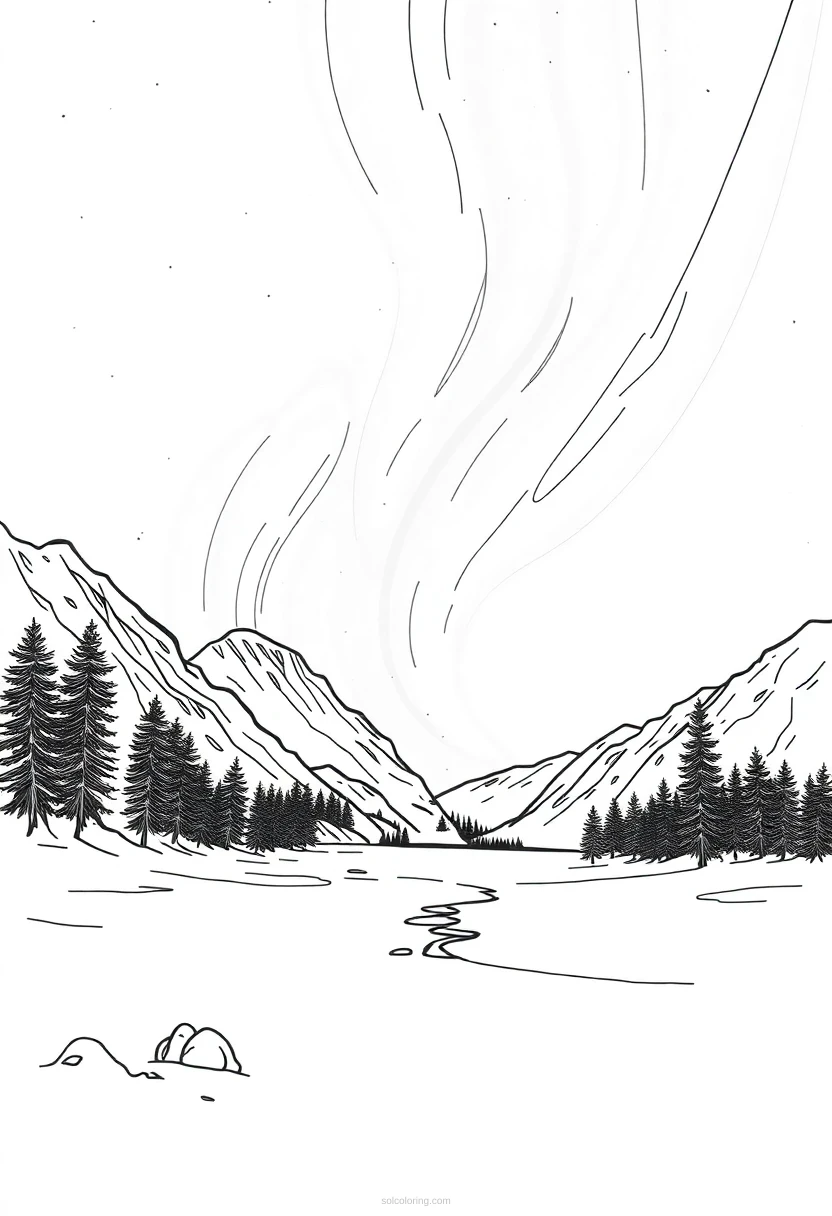
Northern Lights Coloring Pages
6 free printable designs including Standard, Standard, Standard, Standard and more.
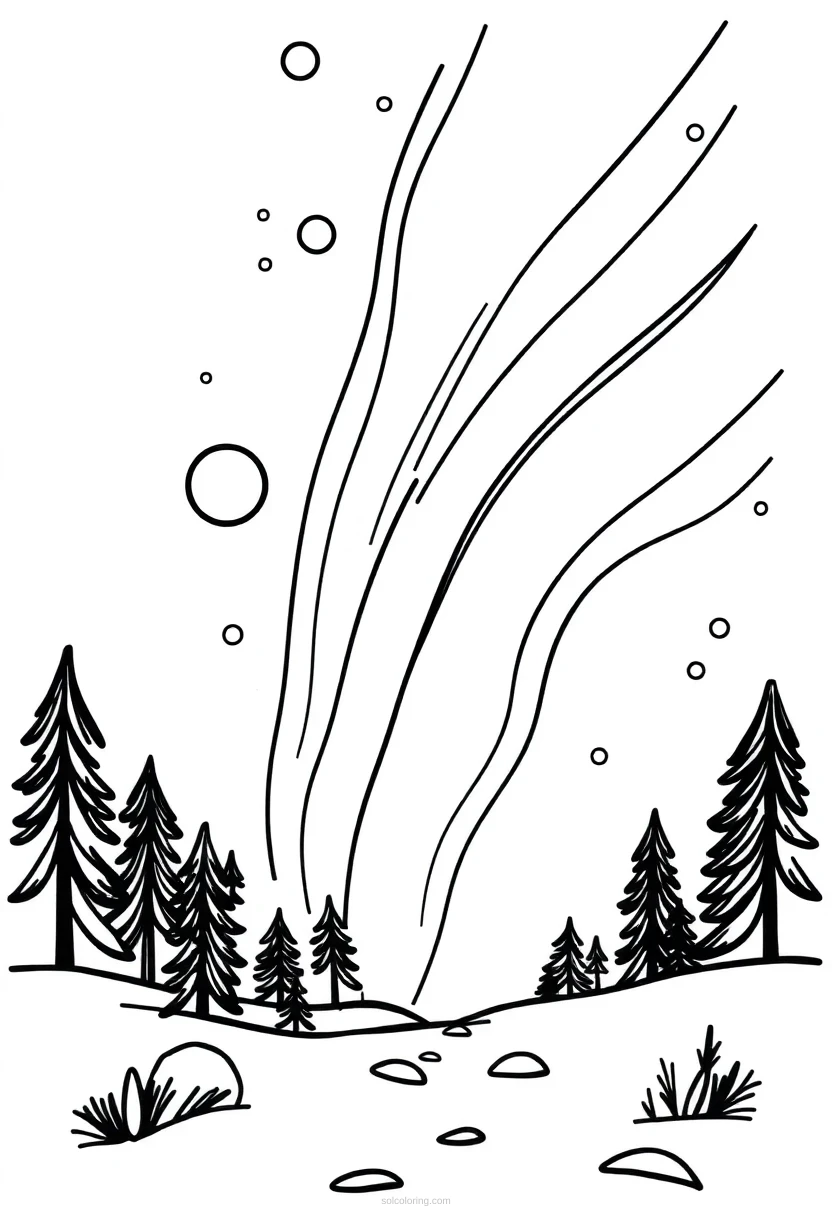
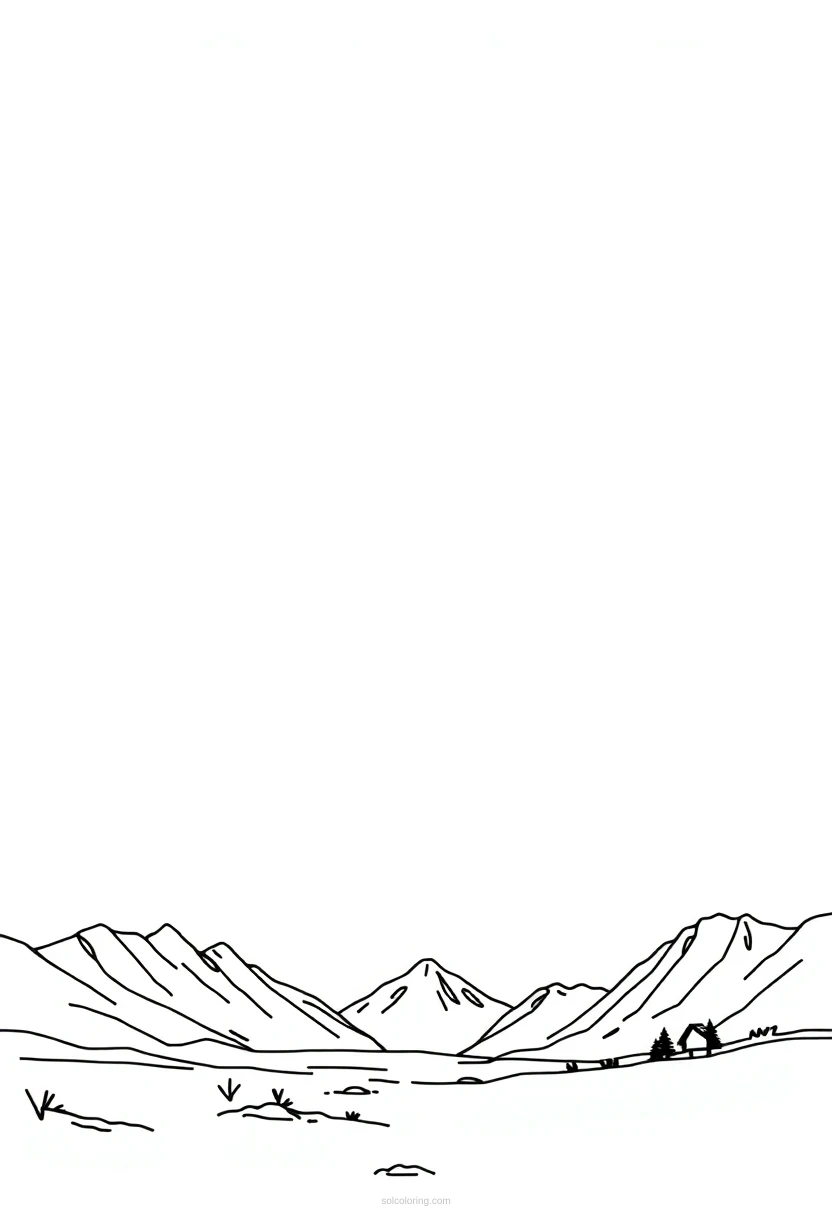
The Northern Lights, also called the Aurora Borealis, are one of nature's most spectacular light shows. These dancing curtains of green, purple, and red light appear in the night sky near the Arctic Circle, creating an unforgettable natural spectacle. The Northern Lights have fascinated humans for thousands of years and continue to inspire awe in everyone who sees them. Our free printable coloring page captures the magic of this phenomenon, letting you bring these amazing lights to life with your own colors. Whether you're learning about Earth's science or simply love creating beautiful artwork, this free printable coloring page is perfect for exploring one of nature's greatest wonders.
Read more →Read less ↑
Choose a style

Did you know?
Fun facts about Northern Lights
The Northern Lights can reach temperatures of 2,500 degrees Celsius, hotter than the surface of the Sun, but they don't feel hot because they're so far away in the upper atmosphere.
Ancient Vikings thought the Northern Lights were reflections of armor worn by female warriors called Valkyries riding across the sky.
Scientists can predict Northern Lights activity by monitoring the Sun with special satellites that watch for solar storms and eruptions.
The Northern Lights are so bright during intense solar storms that they can be seen even in twilight, and some people can read by their light.
A similar light show called the Southern Lights, or Aurora Australis, appears in the Southern Hemisphere near Antarctica at exactly the same time the Northern Lights appear in the north.
About Northern Lights
What causes the Northern Lights?
The Northern Lights happen when particles from the Sun hit Earth's magnetic field. These solar particles collide with oxygen and nitrogen in our atmosphere, causing them to glow and create colorful light displays. The colors depend on which gas is hit and how high up it occurs, producing greens, reds, purples, and blues.
Where can you see the Northern Lights?
The Northern Lights appear in high-latitude regions near the Arctic Circle, including Alaska, Canada, Scandinavia, Greenland, and Russia. People living in these areas see them most often, but during strong solar storms, they can be visible much farther south. The best viewing happens during winter when nights are longest and darkest.
Why are the Northern Lights usually green?
The most common color is green because there's lots of oxygen in the upper atmosphere where the aurora forms. When solar particles collide with oxygen at heights between 100 and 300 kilometers, it produces the signature green glow. Red auroras happen at higher altitudes, and blue and purple occur when nitrogen gets hit.
When is the best time to see the Northern Lights?
The best viewing occurs during winter months from September through March when nights are longest and darkest. However, the Northern Lights actually happen year-round whenever solar activity is strong enough. Clear, cloudless skies away from light pollution give you the best chance of seeing this amazing natural phenomenon.
How fast do the Northern Lights move?
The Northern Lights can move incredibly fast, sometimes dancing across the sky in just seconds. However, they can also appear completely still and frozen in place. The speed depends on how strong the solar activity is and changes constantly. Some auroras flicker, some wave gently, and some shimmer like curtains blowing in the wind.
Can you hear the Northern Lights?
Most scientists say the Northern Lights are silent, but some people report hearing cracking or popping sounds. These sounds remain mysterious because auroras occur so high in the atmosphere that sound shouldn't reach us. Some researchers think the sounds might come from Earth's magnetic field releasing energy, though this is still being studied.
More Landscapes coloring pages
Coloring page FAQs
Are these Northern Lights coloring pages free?
Yes! All our Northern Lights coloring pages are completely free to download and print. Simply visit Sol Coloring, find the Northern Lights page, and click download. There are no hidden fees, no signup required, and no watermarks on your coloring pages. Print as many copies as you'd like.
What age are these Northern Lights coloring pages for?
Our Northern Lights coloring pages work great for ages 8 to 14. We offer different complexity levels, so younger kids can enjoy simple designs while older kids tackle more detailed versions with intricate aurora patterns and layered skies for a greater challenge.
How do I print these Northern Lights coloring pages?
Printing is simple! Download the PDF file to your computer, then open it with any PDF reader. Select print and choose your paper size (A4 or Letter work best). Use any standard home printer and regular paper. No special equipment or account needed.