
Deep Space
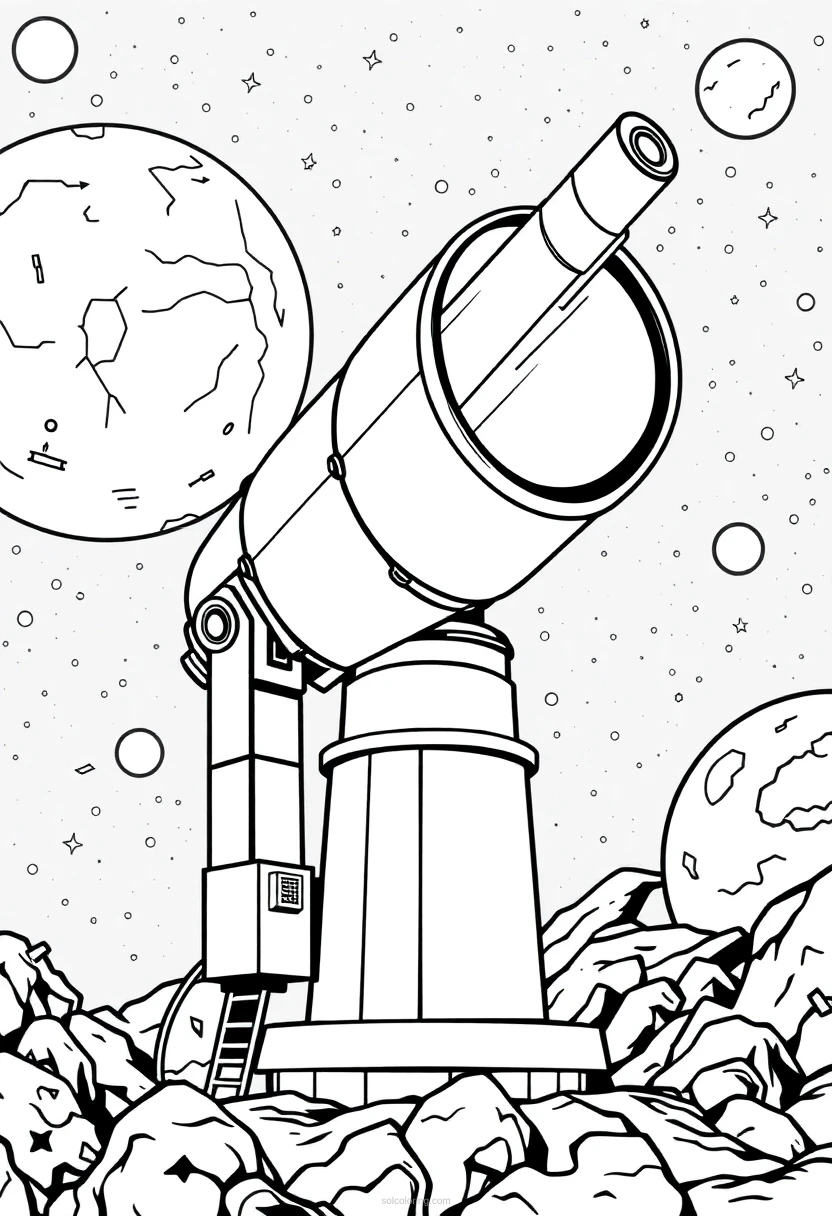
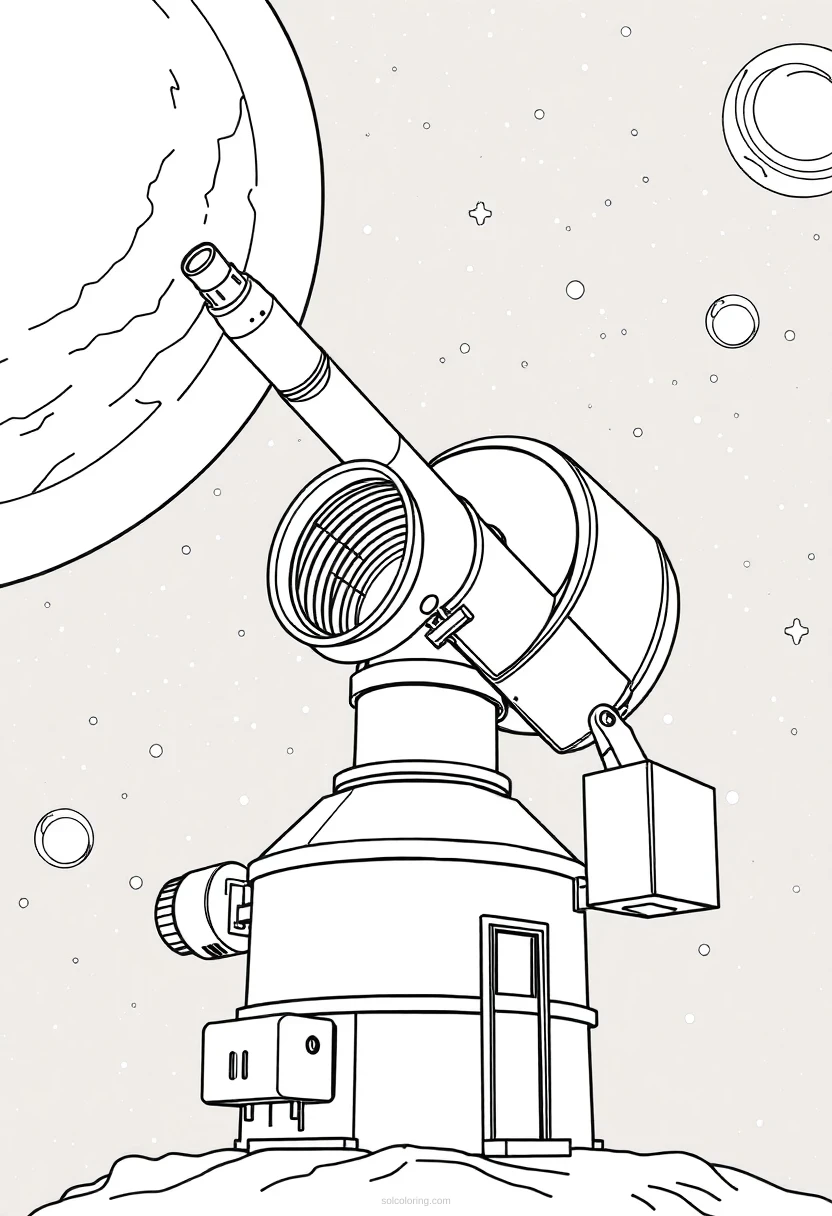
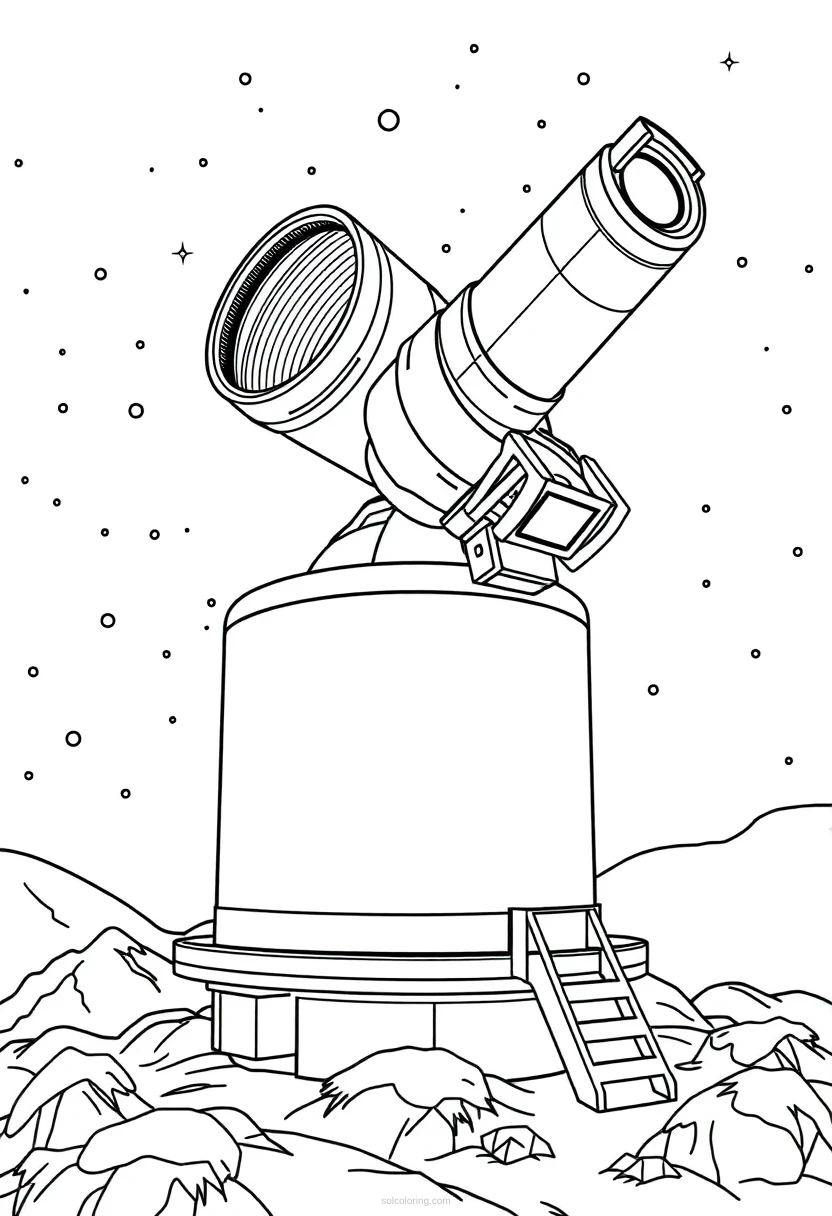
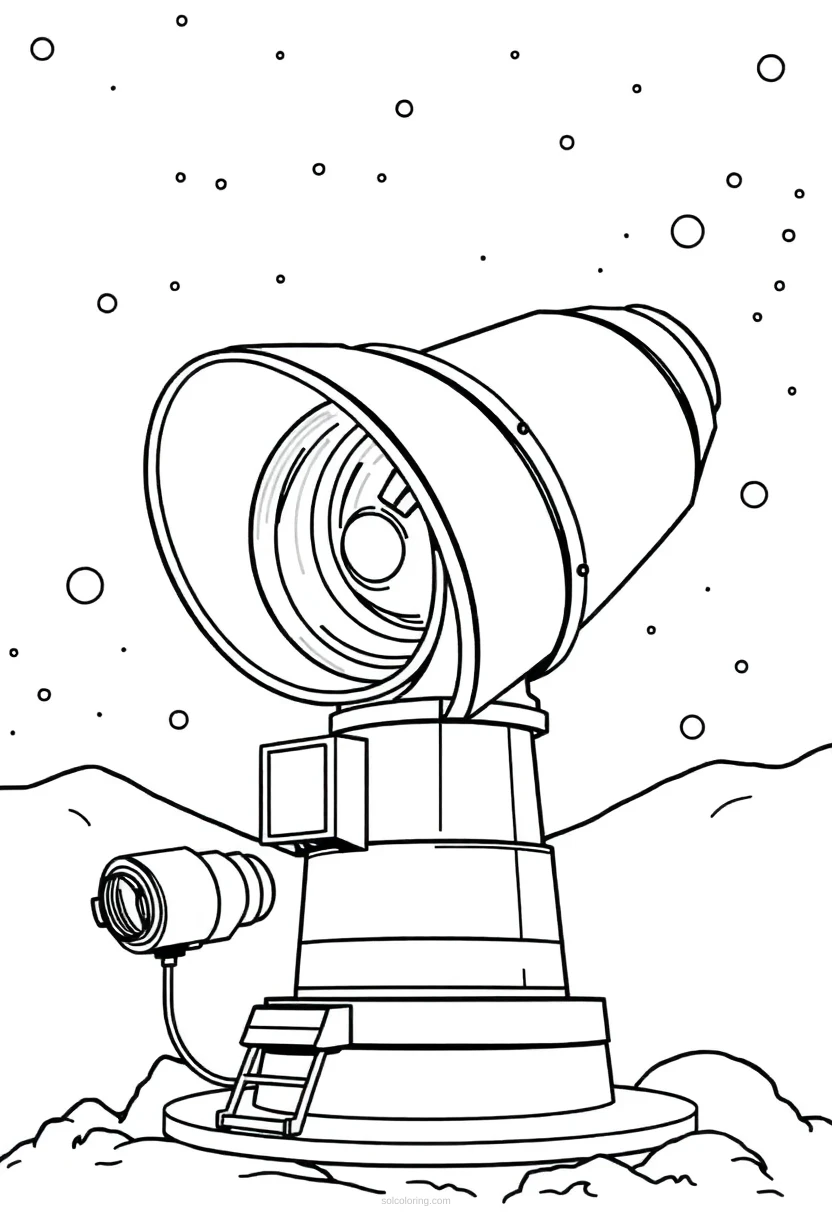
Deep Space Observatory Telescope Coloring Pages
6 free printable designs including Standard, Standard, Standard, Standard and more.
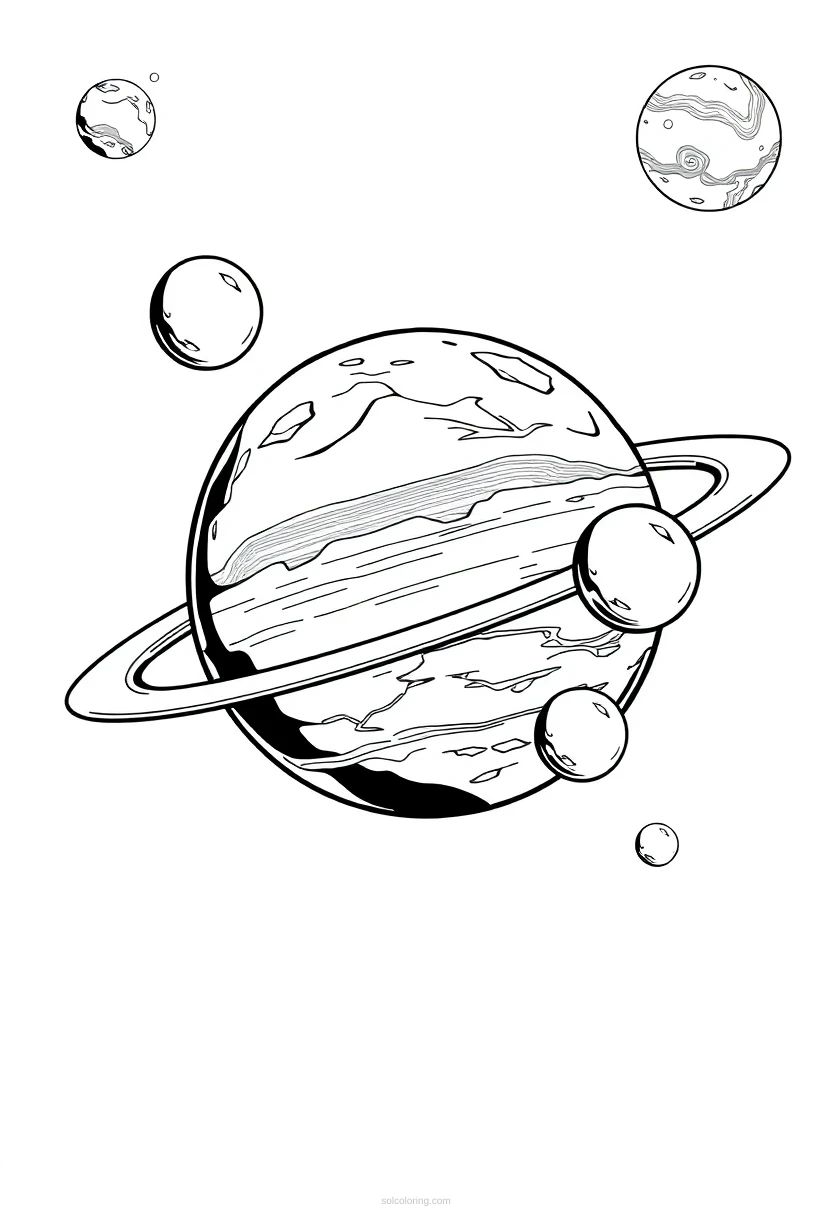
Imagine peering billions of miles into the universe and seeing galaxies that formed shortly after the Big Bang itself. Deep space observatory telescopes like the James Webb Space Telescope are humanity's most powerful eyes on the cosmos, revealing stunning secrets hidden in the darkness of space. These incredible instruments use advanced mirrors and infrared technology to detect light from the most distant objects in the universe. Our free printable coloring page lets you explore the wonder of these magnificent telescopes while learning about space science. Grab your colored pencils and bring this free printable coloring page to life as you discover the tools that help scientists unlock the mysteries of the universe.
Read more →Read less ↑
Choose a style
Did you know?
Fun facts about Deep Space Observatory Telescope
The James Webb Space Telescope's mirror is made of beryllium coated with gold, which is lightweight yet incredibly strong and perfect for reflecting infrared light.
Deep space telescopes can see light that has been traveling through the universe for over 13 billion years, essentially letting us look back in time to when the universe was young.
The James Webb Space Telescope is about the size of a tennis court when fully deployed and had to fold like origami to fit inside its rocket for launch.
A single deep space telescope observation can discover hundreds of previously unknown galaxies in an area of sky no larger than a grain of sand held at arm's length.
Deep space observatories have revealed that the universe is expanding faster than scientists predicted, suggesting a mysterious force called dark energy fills most of the cosmos.
About Deep Space Observatory Telescope
What is a deep space observatory telescope and what makes it special?
A deep space observatory telescope is a powerful instrument designed to observe extremely distant galaxies, stars, and nebulae billions of light-years away. What makes them special is their ability to detect infrared radiation and gather incredibly faint light, revealing objects so distant their light has traveled for billions of years to reach us.
How do deep space telescopes like the James Webb see so far into space?
Deep space telescopes use enormous mirrors and advanced detectors to collect massive amounts of light from distant objects. The James Webb Space Telescope, launched in 2021, has a mirror made of 18 hexagonal segments coated with gold, which reflects infrared light perfectly. This design allows it to see objects from over 13 billion years ago.
Why do scientists use infrared technology in deep space telescopes?
Infrared technology is crucial because light from the most distant galaxies gets stretched and shifted toward infrared wavelengths as the universe expands. This phenomenon, called redshift, means visible light becomes invisible. Deep space telescopes equipped with infrared detectors can convert this invisible infrared light into images humans can study and understand.
How long does it take to build a deep space observatory telescope?
Building a deep space observatory telescope takes many years of planning, design, and construction. The James Webb Space Telescope took over 25 years and billions of dollars to develop and build. Teams of thousands of engineers, scientists, and technicians work together to create these incredibly complex machines with precision parts.
What kinds of discoveries have deep space telescopes made?
Deep space telescopes have revealed ancient galaxies formed only a few hundred million years after the Big Bang, discovered thousands of exoplanets orbiting distant stars, captured stunning images of nebulae where stars are born, and helped scientists understand how the universe evolved over 13.8 billion years of cosmic history.
Where are deep space observatory telescopes located and why?
Major deep space telescopes are positioned in space, like the James Webb at Lagrange Point 2, roughly one million miles from Earth. Space-based telescopes avoid Earth's atmosphere and light pollution, which interfere with observations. Ground-based observatories sit in remote, high-altitude locations like mountains or deserts for the clearest possible views.
More Deep Space coloring pages

Coloring page FAQs
Are these Deep Space Observatory Telescope coloring pages free?
Yes, absolutely! All our Deep Space Observatory Telescope coloring pages are completely free to download and print. Simply visit Sol Coloring, select your favorite design, and print it on standard A4 or Letter paper. No account creation, subscriptions, or hidden fees required. Start coloring instantly.
What age are these Deep Space Observatory Telescope coloring pages for?
Our Deep Space Observatory Telescope coloring pages are designed for kids and adults aged 8 to 14 years old. We offer varying difficulty levels, from simple designs for younger colorists to intricate details for more experienced artists seeking a creative challenge.
How do I print these Deep Space Observatory Telescope coloring pages?
Printing is easy and straightforward. Download the coloring page as a PDF, open it on your computer, and click print. Choose standard A4 or Letter paper, select your printer settings, and print. No special software or technical knowledge needed. Use any home printer.