
Baseball
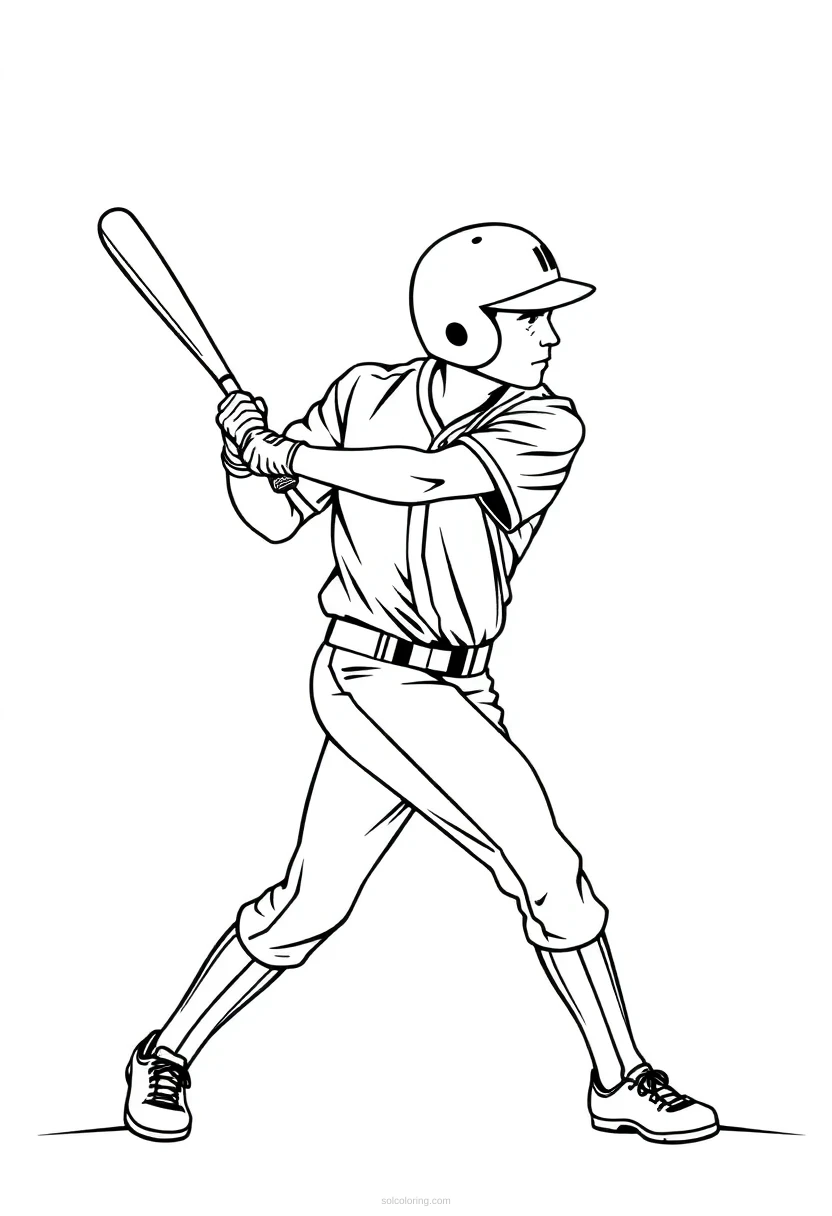
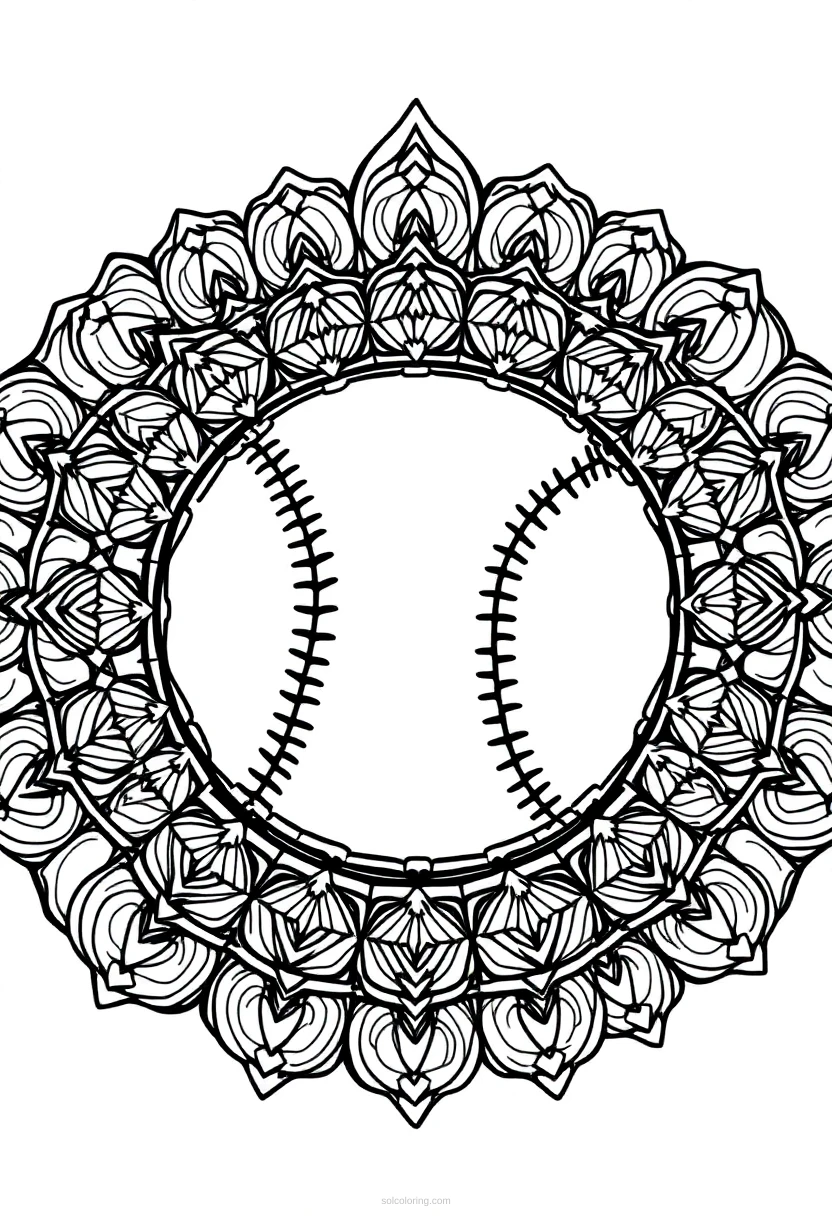
Baseball Batter Mandala Coloring Pages
6 free printable designs including Standard, Standard, Standard, Standard and more.
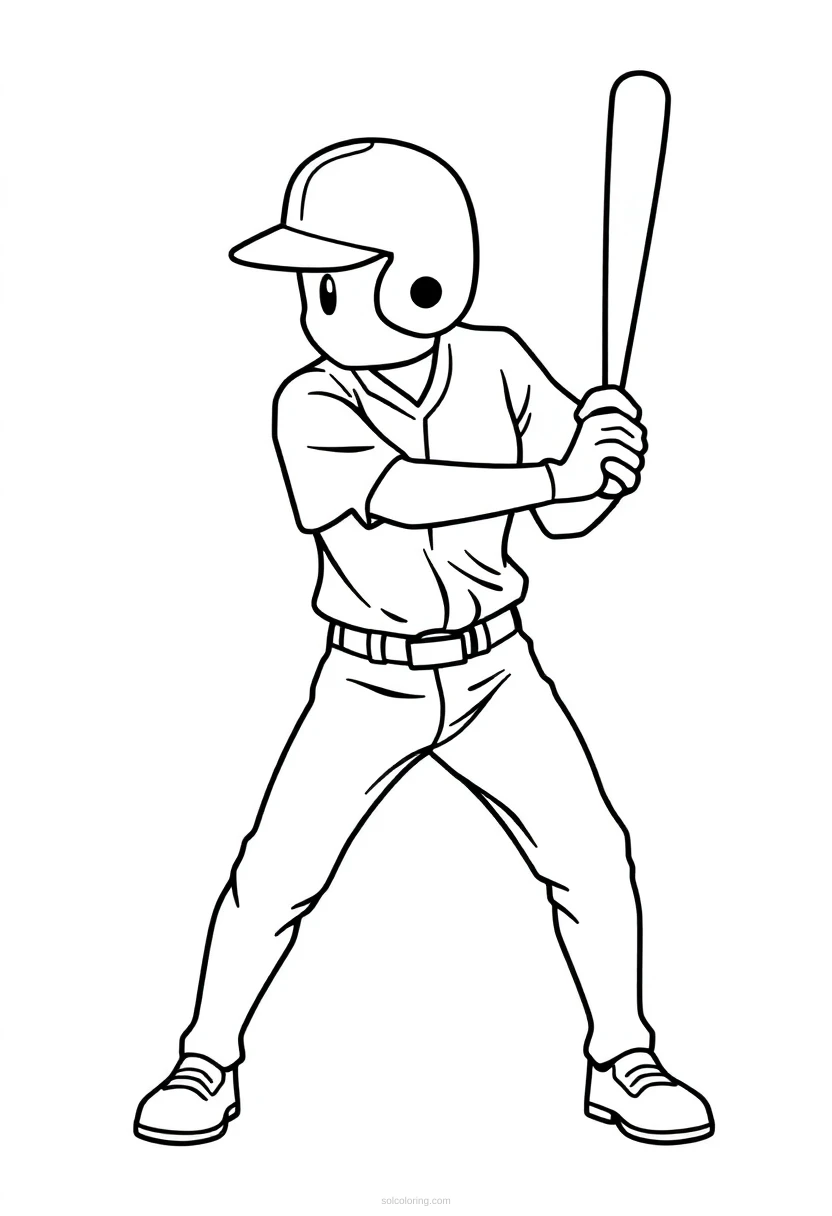
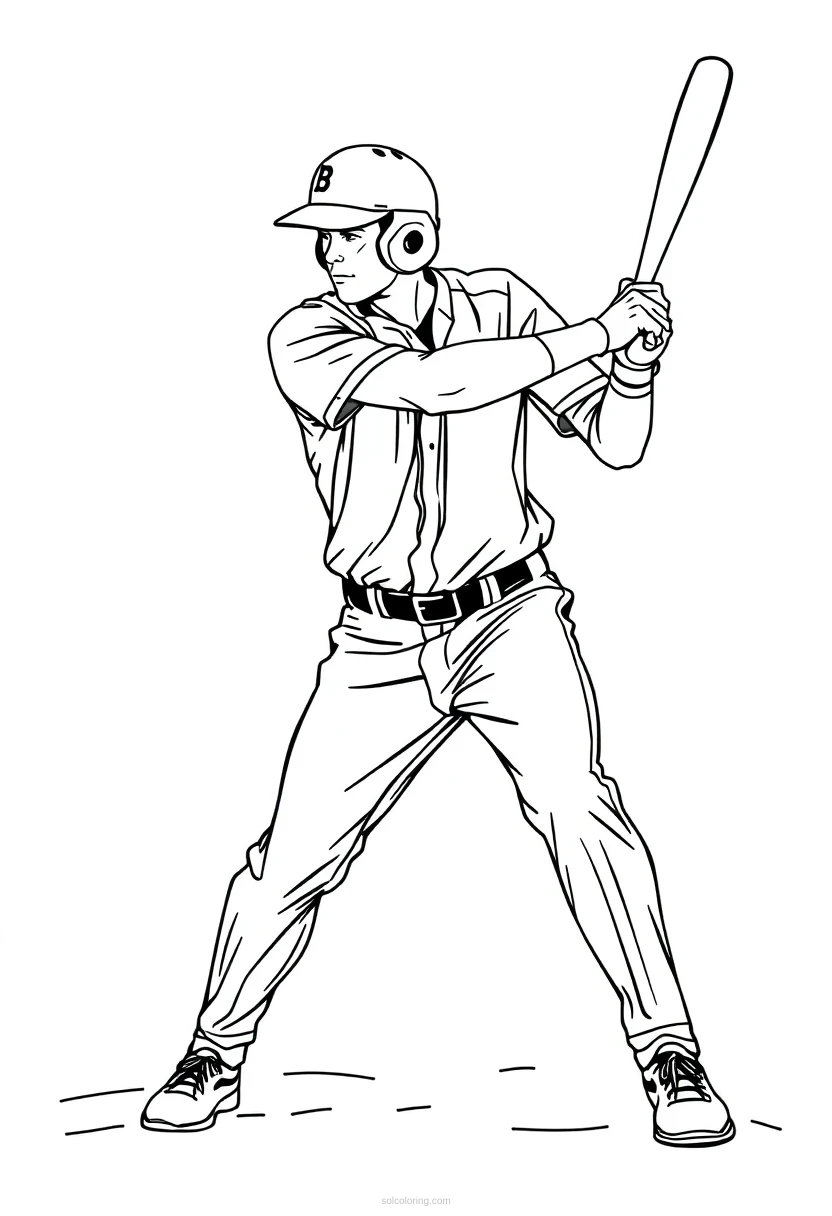
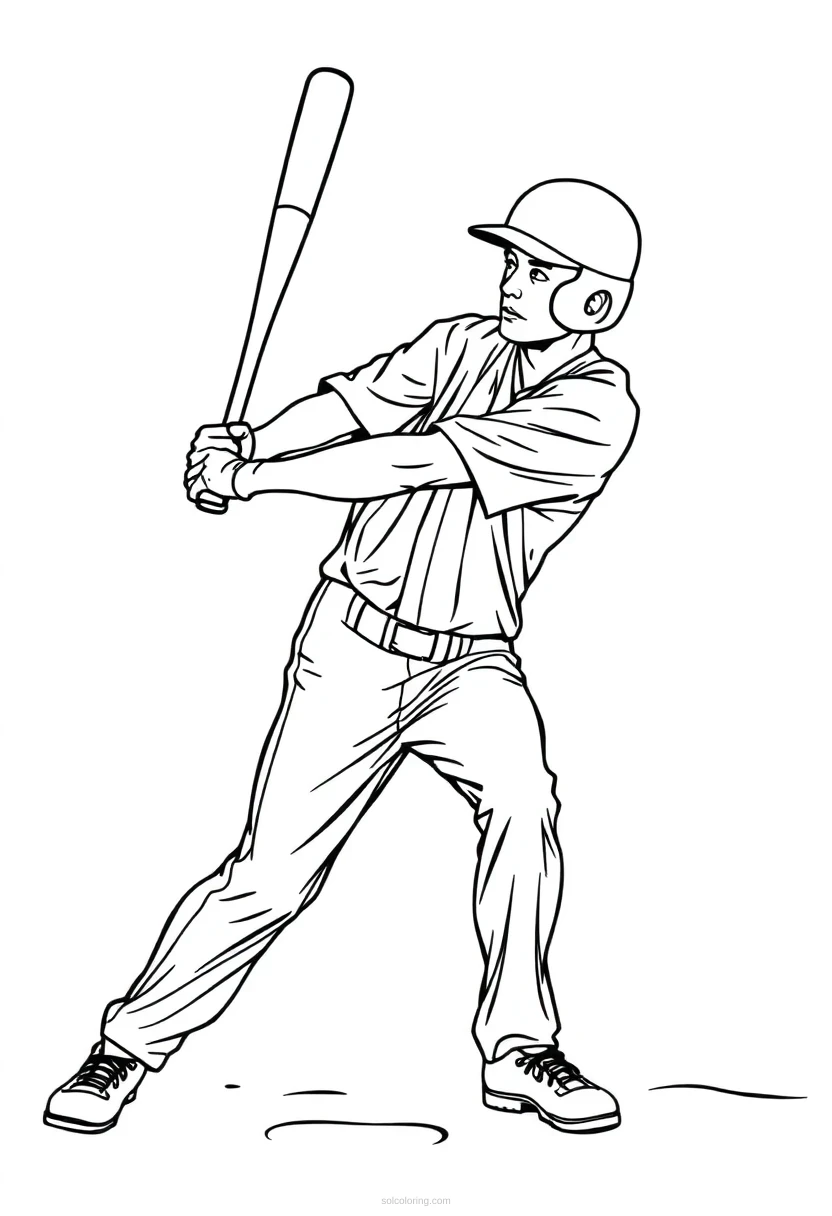
Step up to the plate with this unique Baseball Batter Mandala free printable coloring page that combines two beloved pastimes: baseball and meditative mandala art. This intricate design features a baseball player in a batter's stance surrounded by symmetrical patterns inspired by traditional mandalas. Mandalas have been used for centuries in various cultures as tools for focus and creativity, making this free printable coloring page perfect for relaxation and artistic expression. Whether you are a baseball fan or simply love detailed coloring projects, this design offers hours of creative enjoyment while celebrating one of America's favorite sports.
Read more →Read less ↑
Choose a style
Did you know?
Fun facts about Baseball Batter Mandala
The fastest recorded pitch in Major League Baseball history was thrown by Aroldis Chapman at 105.1 miles per hour, yet batters must decide to swing in just 100 to 150 milliseconds.
A batter's box has specific dimensions (6 feet long by 4 feet wide) and has remained largely unchanged since baseball's official rules were established in 1876.
The record for most home runs in a single season is 73, hit by Barry Bonds in 2001, achieved through countless hours perfecting his batting stance and swing mechanics.
Professional batters can see the seams on a baseball spinning toward them at high speed, allowing them to identify the pitch type and adjust their swing accordingly.
Some batters use different stances against left-handed and right-handed pitchers, with certain stances proving more effective depending on the pitcher's handedness and the batter's strengths.
About Baseball Batter Mandala
What is the history of the batter's stance in baseball?
The modern batting stance evolved significantly from baseball's early days. In the 1800s, batters stood very upright with minimal knee bend. Today's batters use a crouch or athletic stance with bent knees for better balance and power generation. This evolution came from decades of experimentation by players and coaches discovering what produces the strongest, most controlled swings and improved hitting statistics.
Why is hand-eye coordination so important for baseball batters?
Hand-eye coordination is crucial because batters must track a ball traveling at speeds up to 100 miles per hour and decide in milliseconds whether to swing. Professional batters have exceptional visual processing abilities, tracking the ball's rotation, spin, and trajectory. This skill takes years of practice to develop and separates elite players from average ones on the diamond.
What does a batter's stance tell you about their playing style?
A batter's stance reveals their approach and strengths. An open stance faces the pitcher more directly for better visibility of outside pitches. A closed stance helps pull inside pitches with power. Stance width and depth affect balance and swing speed. Wide stances provide stability but slower movement, while narrow stances allow quicker reactions. Coaches analyze each player's stance to optimize their performance.
How do batters prepare mentally before stepping into the box?
Professional batters use various mental preparation techniques including visualization, focusing on specific pitch types to expect, and controlled breathing to manage anxiety. Many develop pre-at-bat routines like adjusting their gloves or taking practice swings to build confidence. This mental preparation helps them stay calm under pressure and react instinctively when the pitch arrives.
What are the different types of batting grips and why do they matter?
Common grips include the overlapping grip (pinky overlaps index finger), interlocking grip (pinky interlocks with index), and the ten-finger grip used by some younger or weaker players. Grip choice affects bat control, swing speed, and power generation. A proper grip allows the batter to maintain control while generating bat speed, with most professional players using overlapping or interlocking grips.
How does a batter's weight distribution during their swing create power?
Proper weight transfer is fundamental to powerful hitting. Batters start with weight on their back leg, then explosively drive their hips forward, transferring weight to their front leg as they swing. This hip rotation generates tremendous rotational force, which transfers through the core, shoulders, arms, and finally to the bat. Professional sluggers master this weight transfer to hit home runs over 400 feet.
More Baseball coloring pages
Coloring page FAQs
Are these Baseball Batter Mandala coloring pages free?
Yes, absolutely! All Baseball Batter Mandala coloring pages on Sol Coloring are completely free to download and print. There are no hidden fees, subscriptions, or charges. Simply visit our website, select your design, and print as many copies as you need at home.
What age are these Baseball Batter Mandala coloring pages for?
These coloring pages are designed for kids and adults aged 8 to 14, though anyone can enjoy them. The intricate mandala patterns provide a moderate to advanced challenge, making them perfect for older children and teens who enjoy detailed coloring work and want to develop patience and focus.
How do I print these Baseball Batter Mandala coloring pages?
Printing is simple and requires no signup. Download the PDF file, open it on your computer, and click print. The pages fit standard A4 or Letter-sized paper and work best with a home printer. You can print multiple copies, adjust colors and size in your printer settings before printing.