NBA
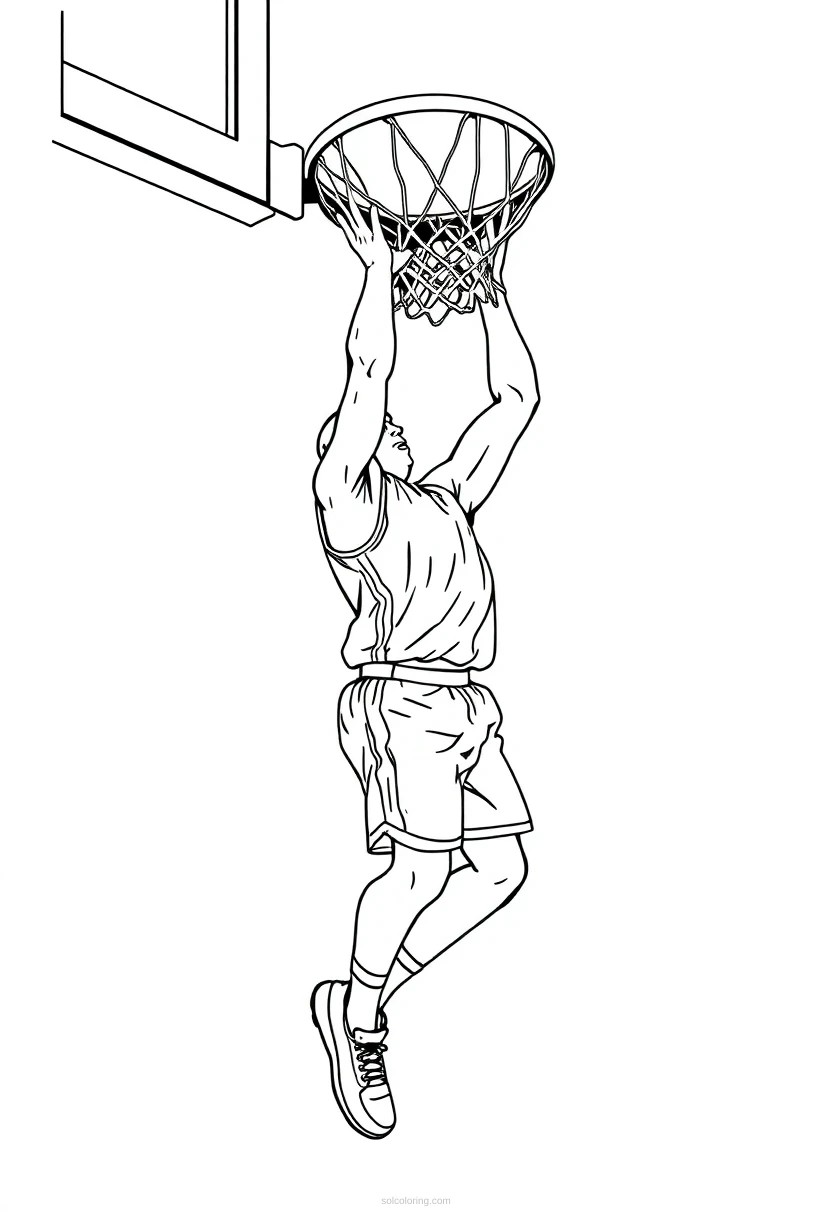
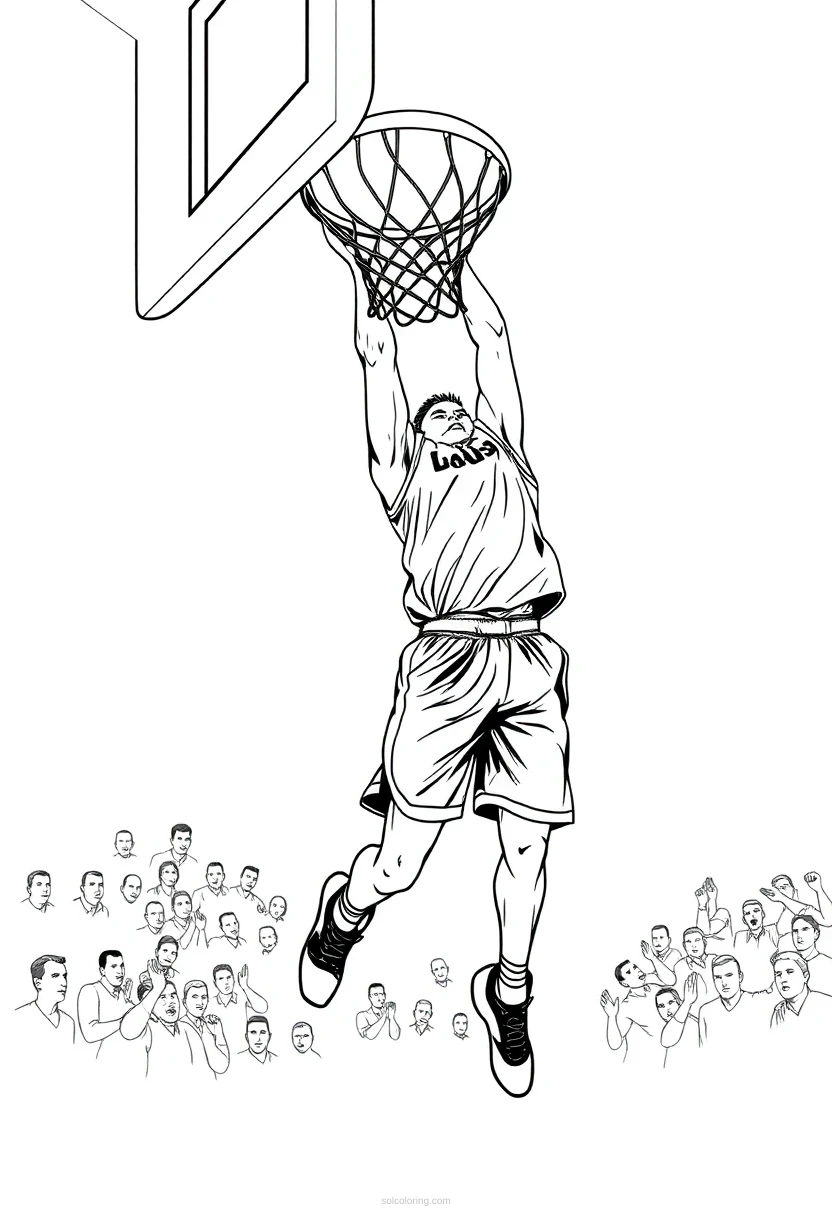
Center Player Dunking Coloring Page
Standard style
About this coloring page
This exciting Center Player Dunking coloring page features a powerful basketball player mid-dunk with bold, clear outlines perfect for detailed coloring. The free printable design captures the athletic intensity of a center making a slam dunk, making it ideal for young basketball fans and sports enthusiasts who love action-packed coloring pages.
Frequently asked
What position does a center player have on a basketball team?
The center is typically the tallest player on the team and plays near the basket on both offense and defense. Centers are responsible for scoring inside the paint, rebounding, and defending against opposing players. This position requires height, strength, and excellent footwork to compete effectively against other centers.
Why is dunking so impressive in basketball?
Dunking is impressive because it requires extreme athleticism, including vertical jump height and explosive power. A typical NBA dunk requires a player to jump at least 28 inches off the ground to reach the 10-foot rim. When centers dunk, they often demonstrate incredible strength and control while descending from that height.
How tall do basketball centers need to be?
Most NBA centers are between 6'10" and 7'3" tall, with some exceeding 7 feet. This exceptional height gives centers a significant advantage when dunking, rebounding, and defending the basket. Height allows centers to dunk with more ease and control compared to shorter players.
Are these Center Player Dunking coloring pages free?
Yes, all of our Center Player Dunking coloring pages are completely free to download and print. There are no hidden costs, subscriptions, or membership fees required. Simply visit our website, select your favorite design, and start coloring right away.
What age are these Center Player Dunking coloring pages for?
Our Center Player Dunking coloring pages are designed for kids and adults aged 8 to 14, with varying difficulty levels. Younger colorers can enjoy simpler designs with larger areas to fill, while older kids and teens can tackle more detailed illustrations with intricate line work and shading opportunities.