Tennis
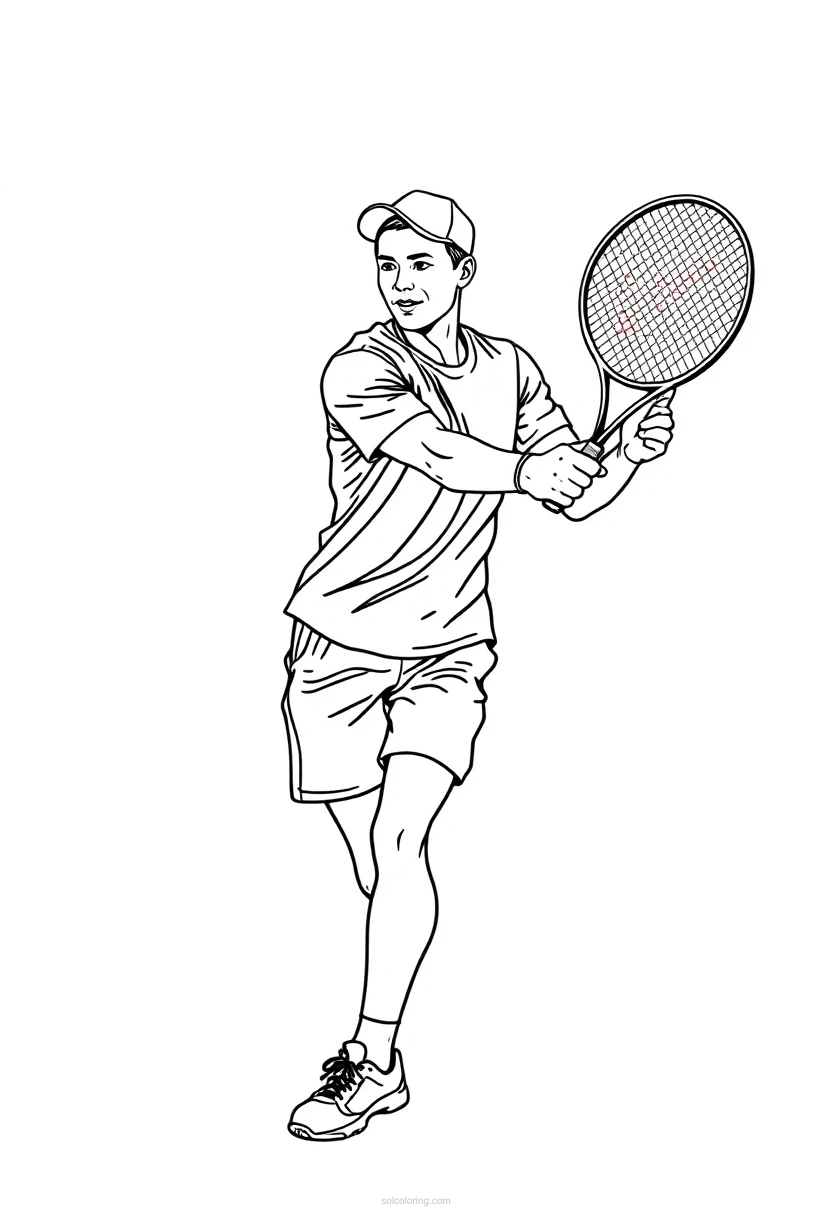
Tennis Player Coloring Page
Standard style
About this coloring page
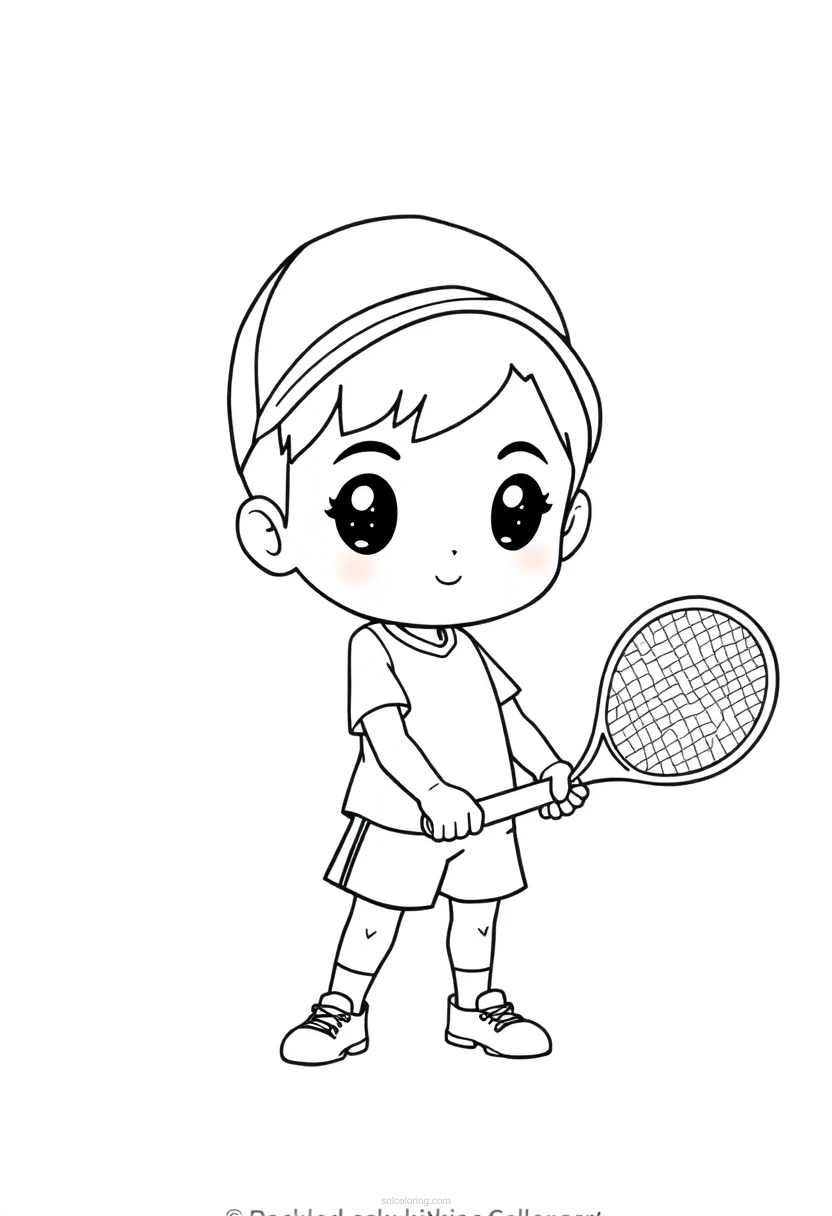
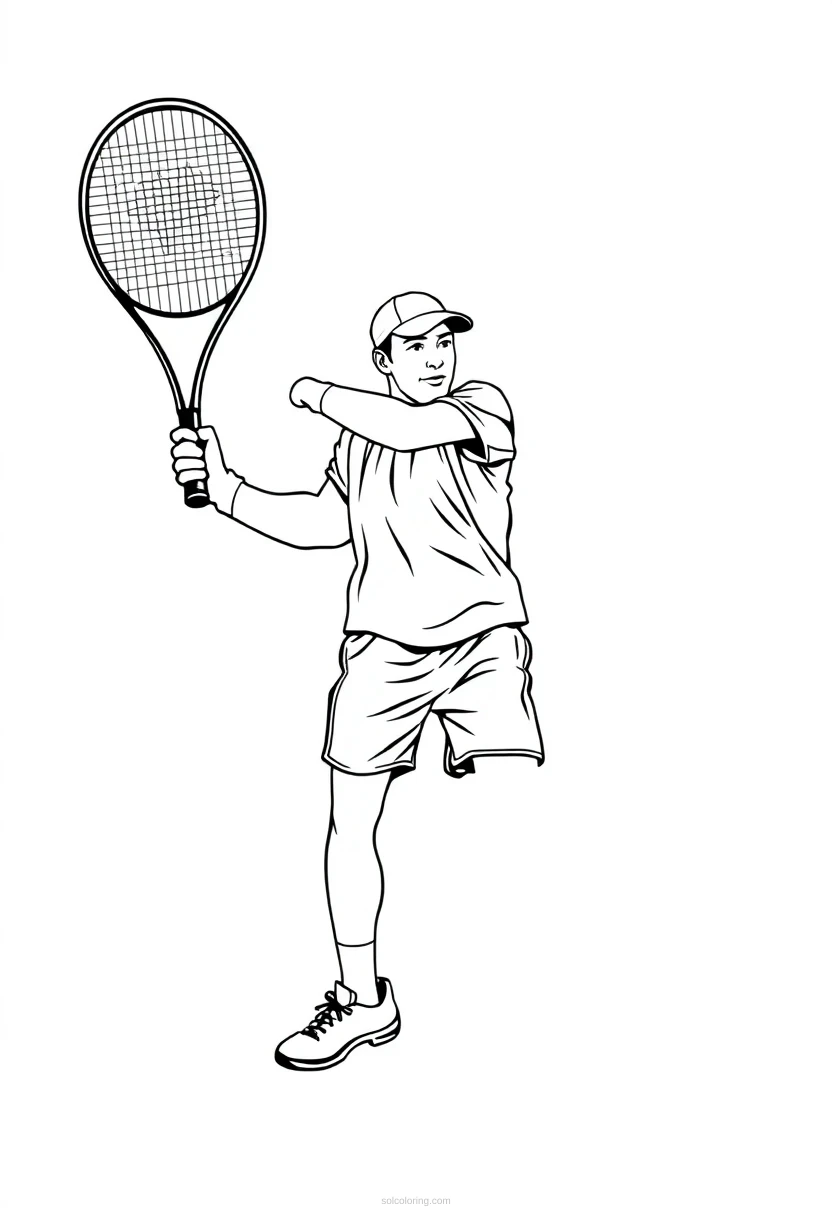
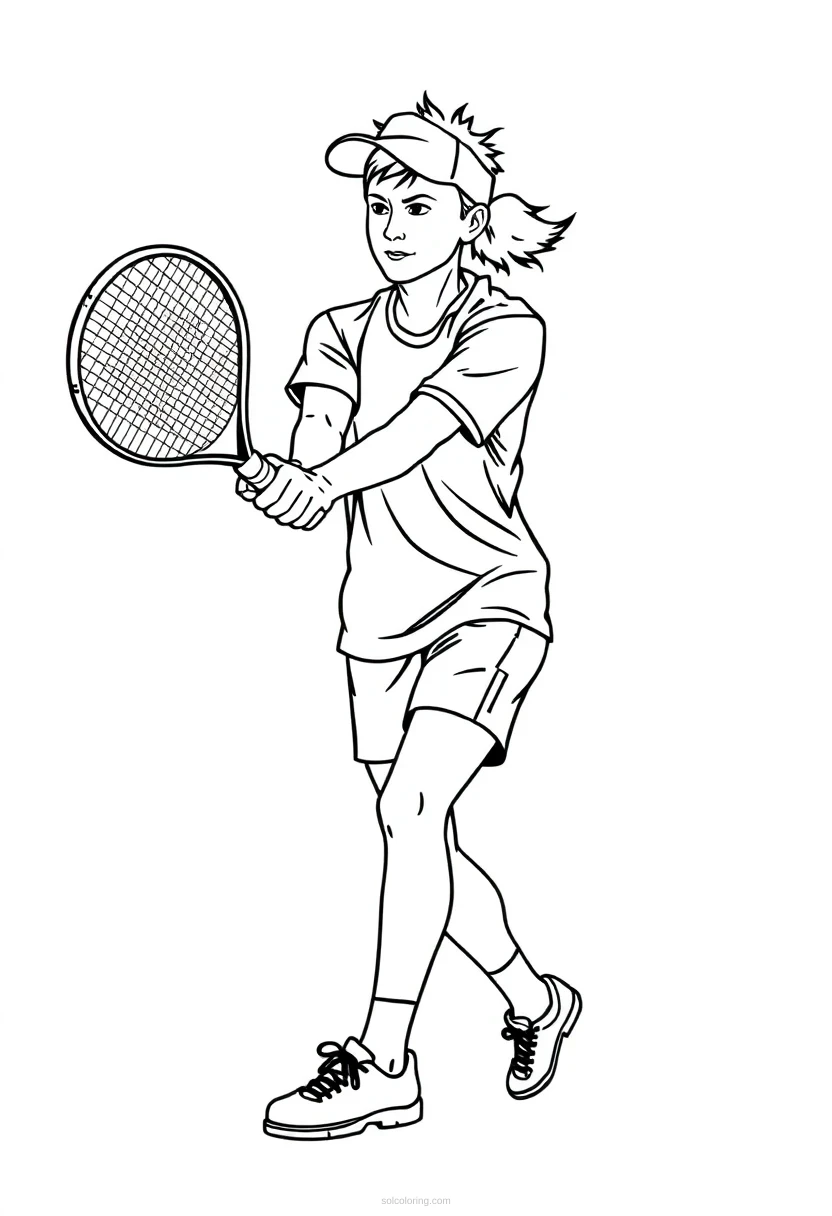
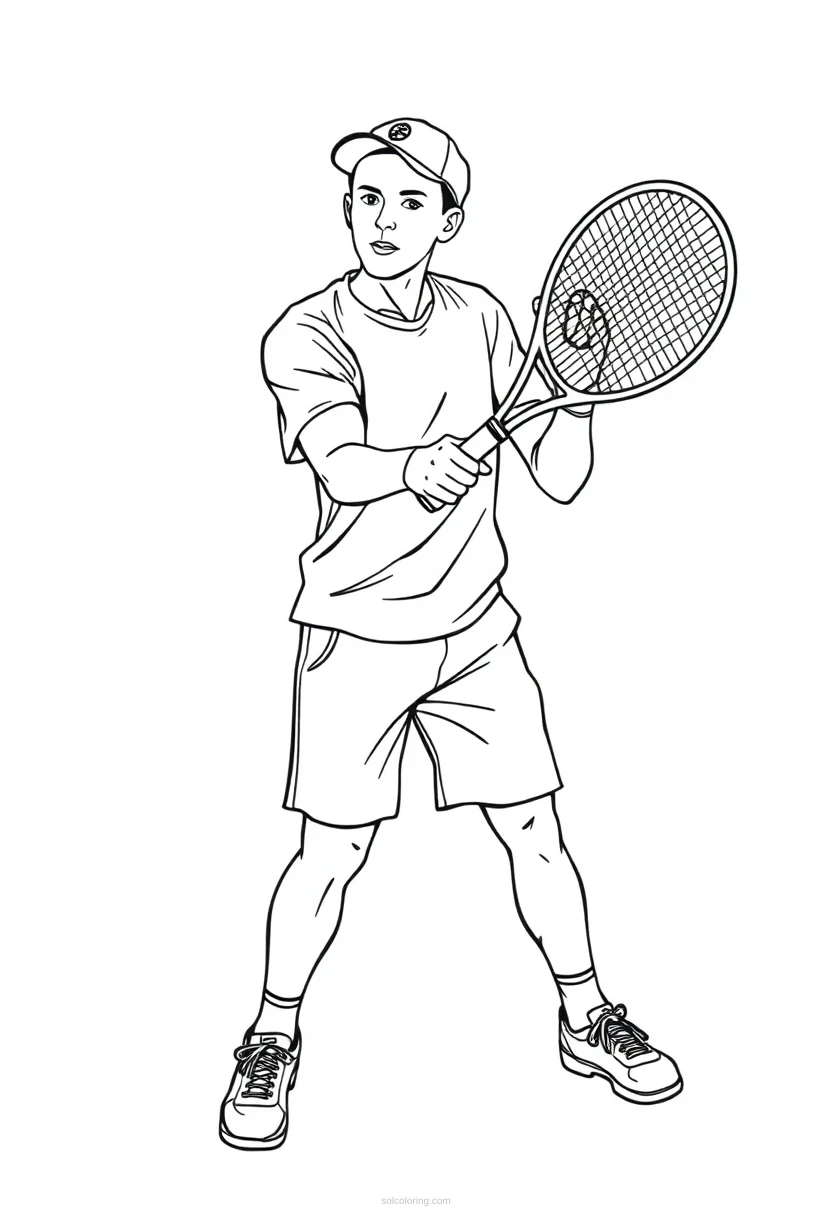
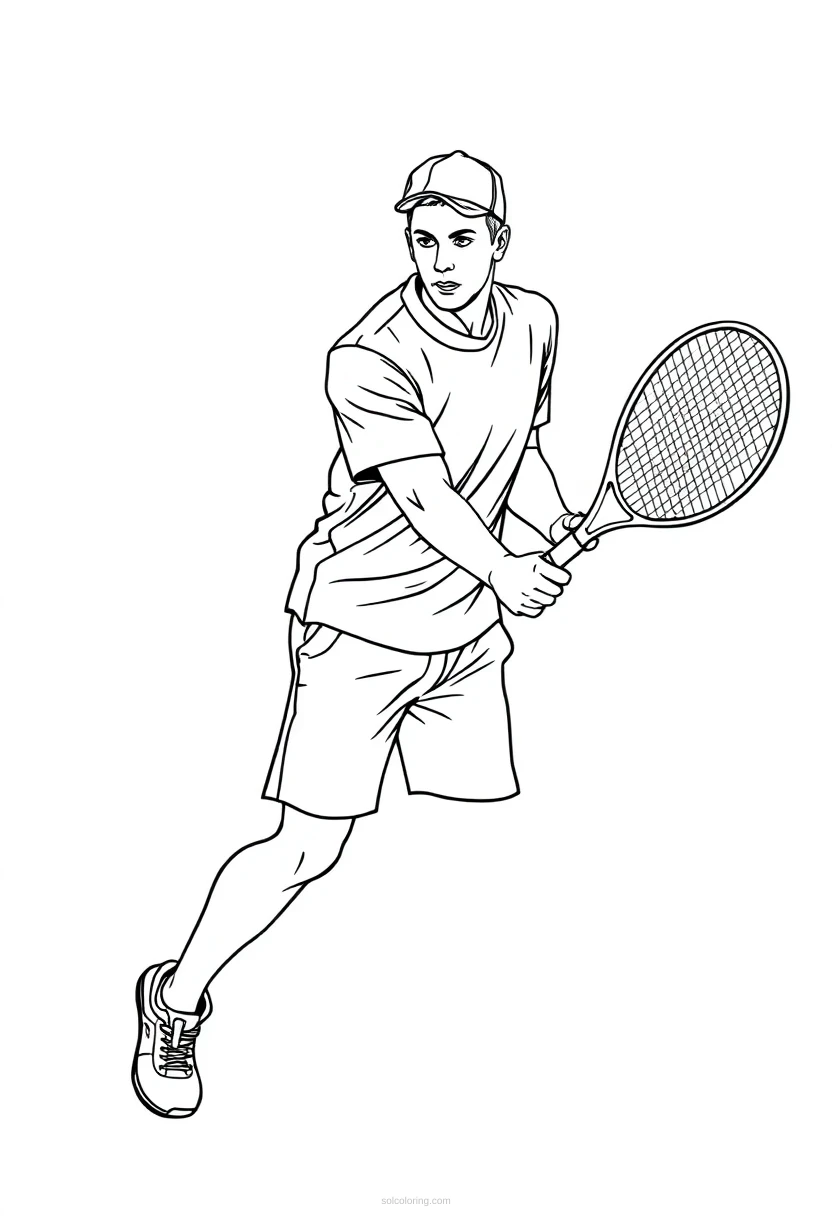
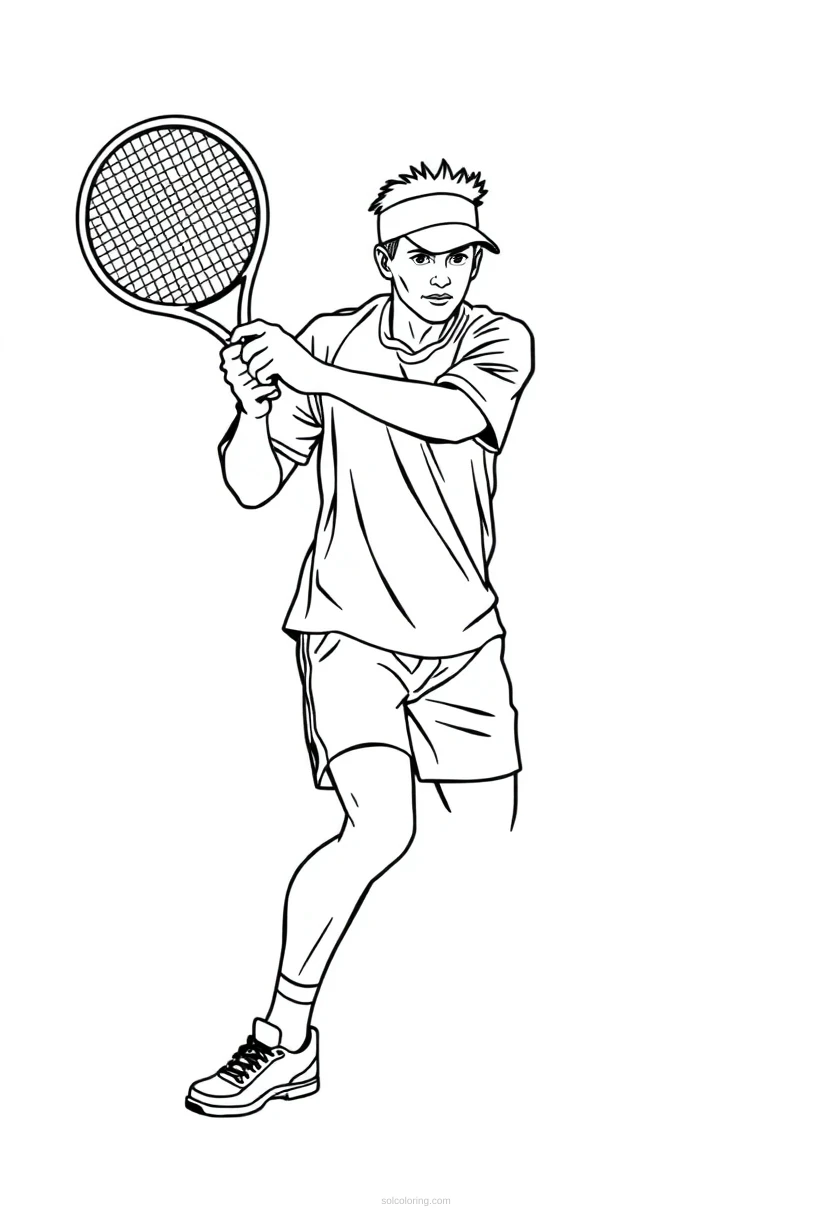
This Tennis Player coloring page features a dynamic athlete in action with bold, clear outlines that make it perfect for colorists of all ages. The detailed design shows a tennis player mid-swing with their racket, capturing the excitement of the sport while remaining easy to color. Free to download and print, this page offers hours of creative fun for tennis fans and sports enthusiasts alike!
Frequently asked
What are the main shots used in tennis?
Tennis players use several essential shots: the forehand and backhand ground strokes, the serve, the volley, and specialty shots like the slice and lob. Each shot requires different technique, timing, and footwork. Professional players spend years mastering these techniques to control the ball's speed, spin, and direction on court.
How did tennis originate?
Tennis evolved from a game called 'jeu de paume' played by French monks in the 11th century. Players originally used their hands to hit a ball, then invented rackets. Modern tennis began in England during the 1870s when Major Walter Wingfield standardized the rules and created the first lawn tennis tournament.
What do the different tennis court surfaces mean?
Tennis courts come in three main types: grass, clay, and hard court. Grass courts are fast, clay courts are slow and favor spin, and hard courts offer medium speed. Players must adapt their techniques for each surface. Wimbledon uses grass, the French Open uses clay, and the Australian Open uses hard courts.
Are these Tennis Player Simple coloring pages free?
Yes, absolutely! All coloring pages on Sol Coloring, including our Tennis Player Simple design, are completely free to download and print. No subscription, registration, or payment is required. Simply visit our website, select your page, and print it instantly from home.
What age are these Tennis Player Simple coloring pages for?
Our Tennis Player Simple coloring pages are designed for ages 8 to 14, though kids of any age can enjoy them. The simple line work makes it accessible for younger children, while older kids can add more intricate color details and shading for a more advanced finished product.