Characters
Copper Cyborg Coloring Page
Standard style
About this coloring page
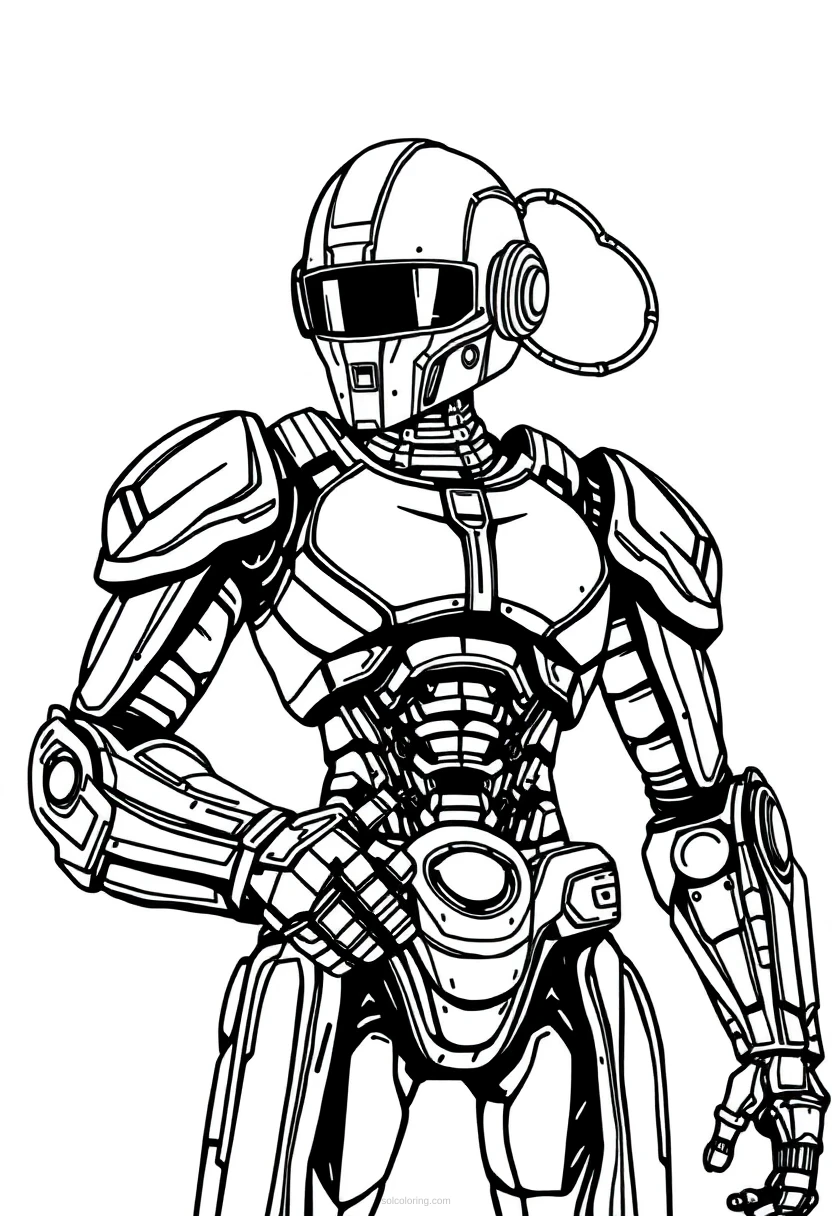
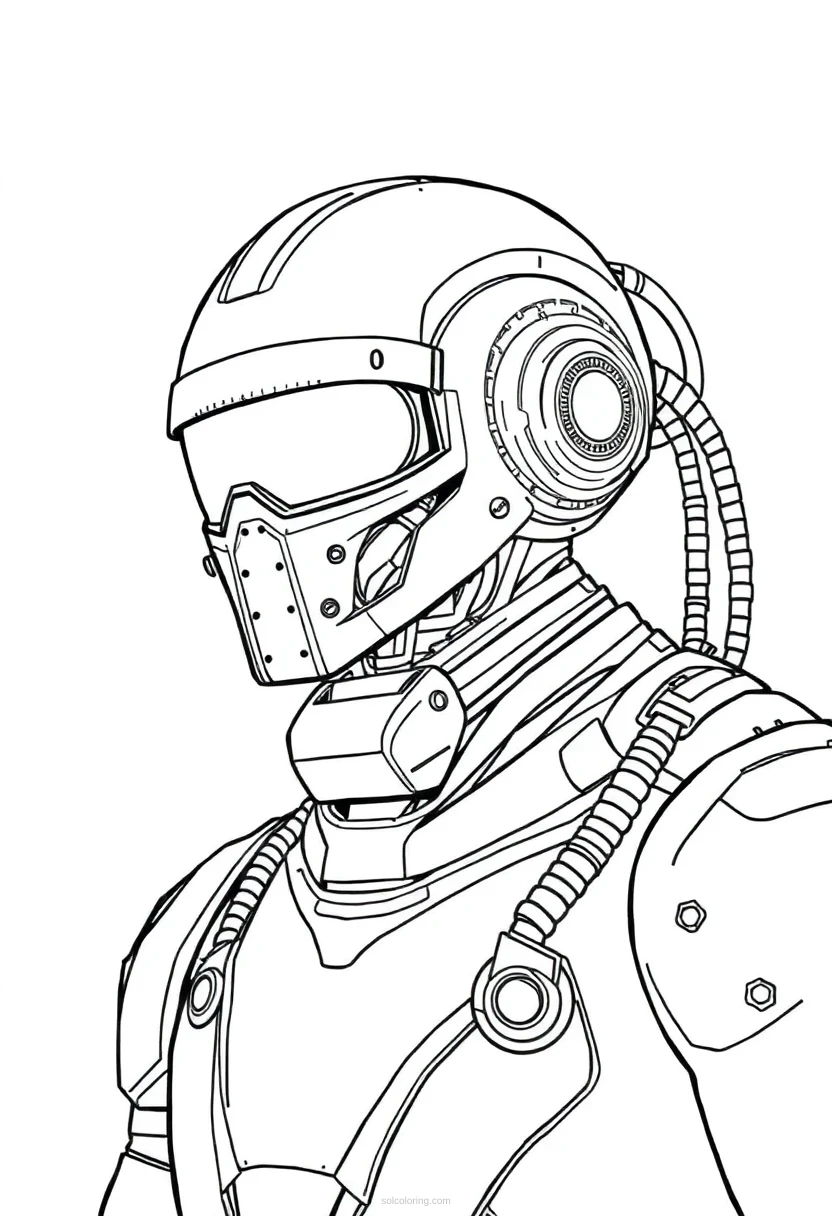
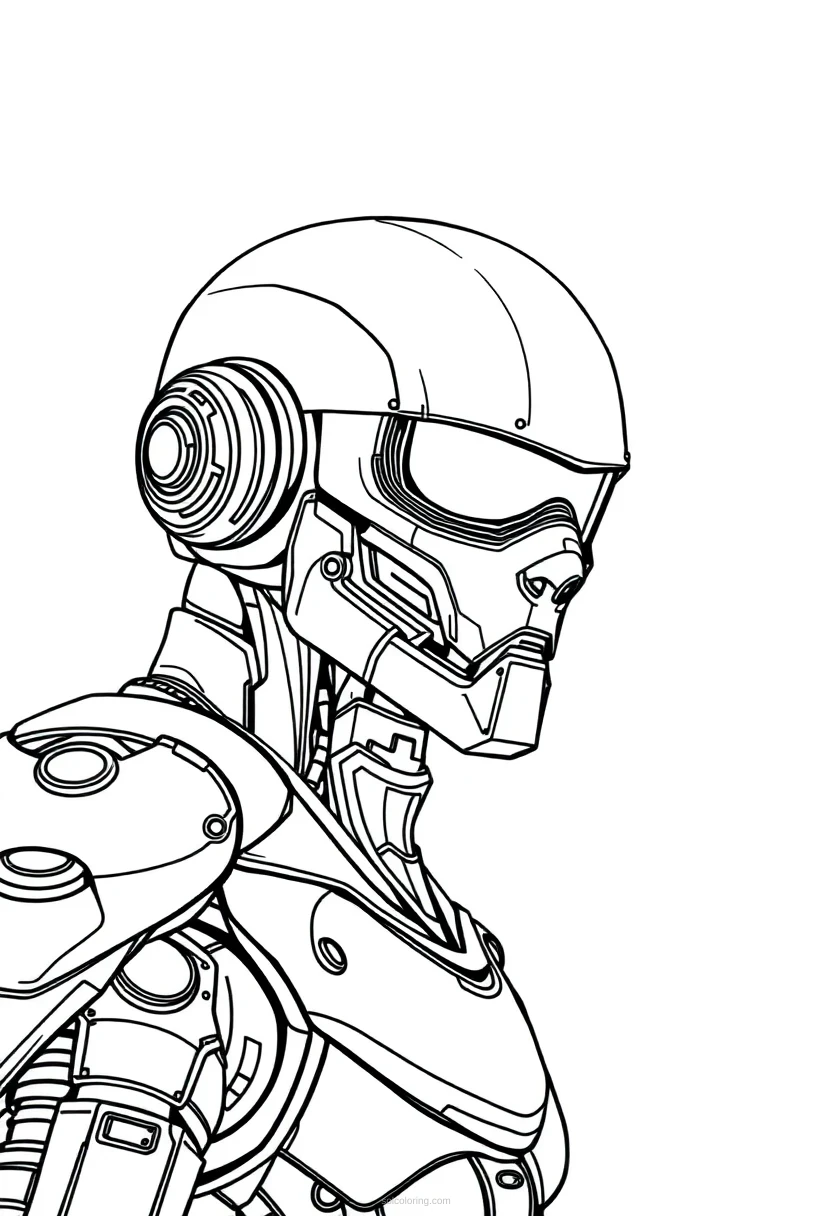
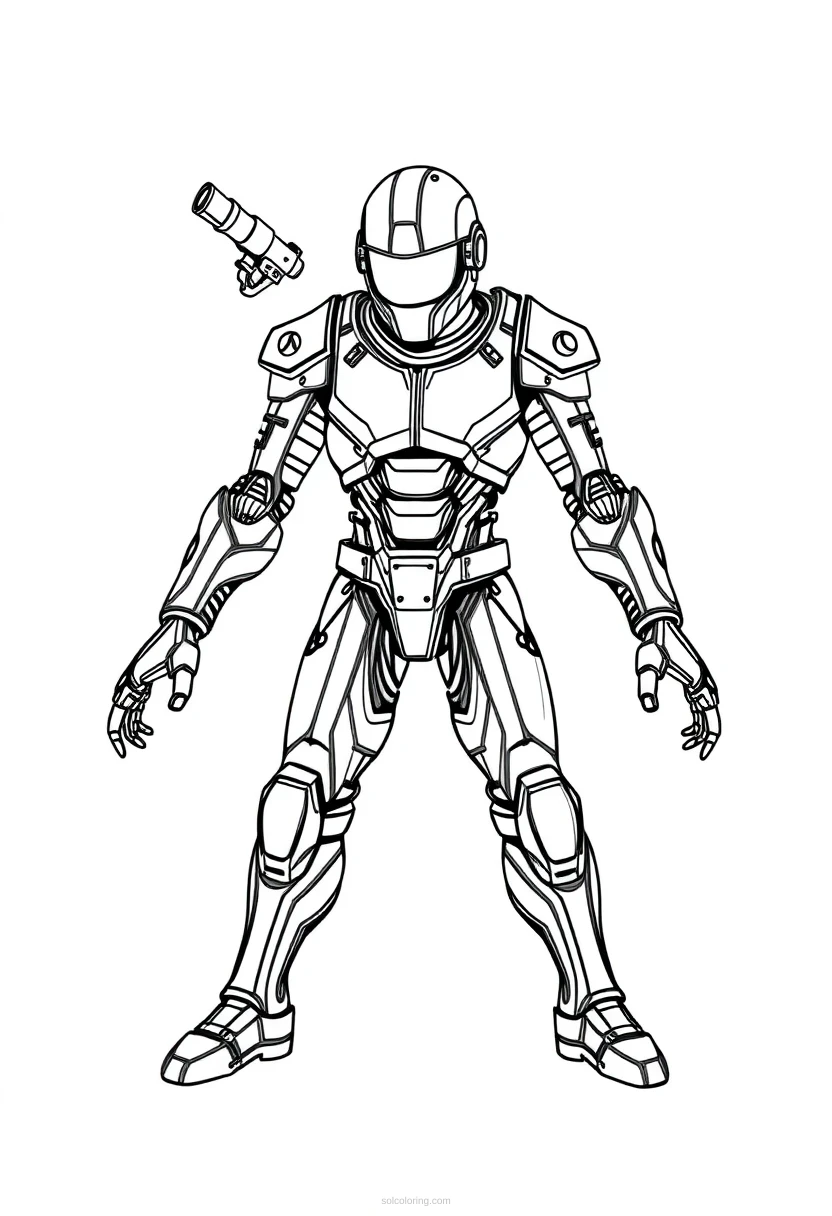
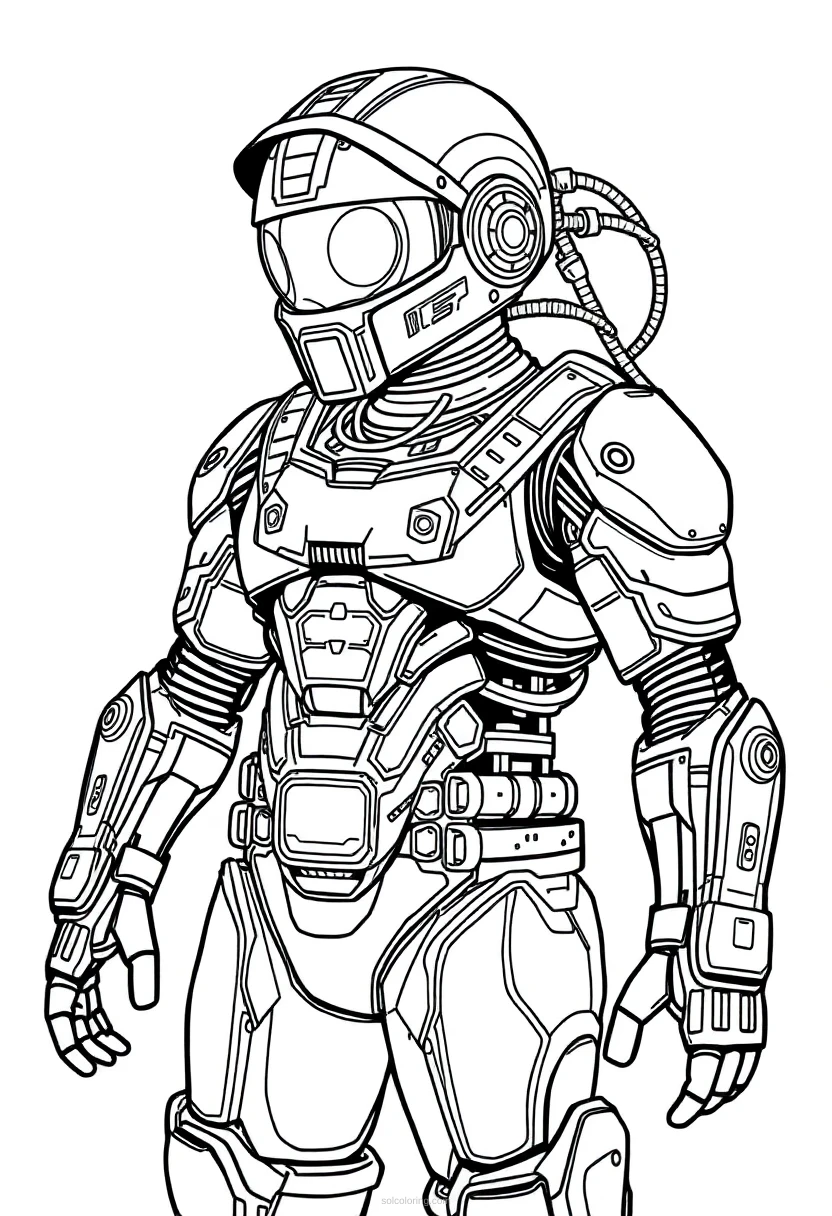
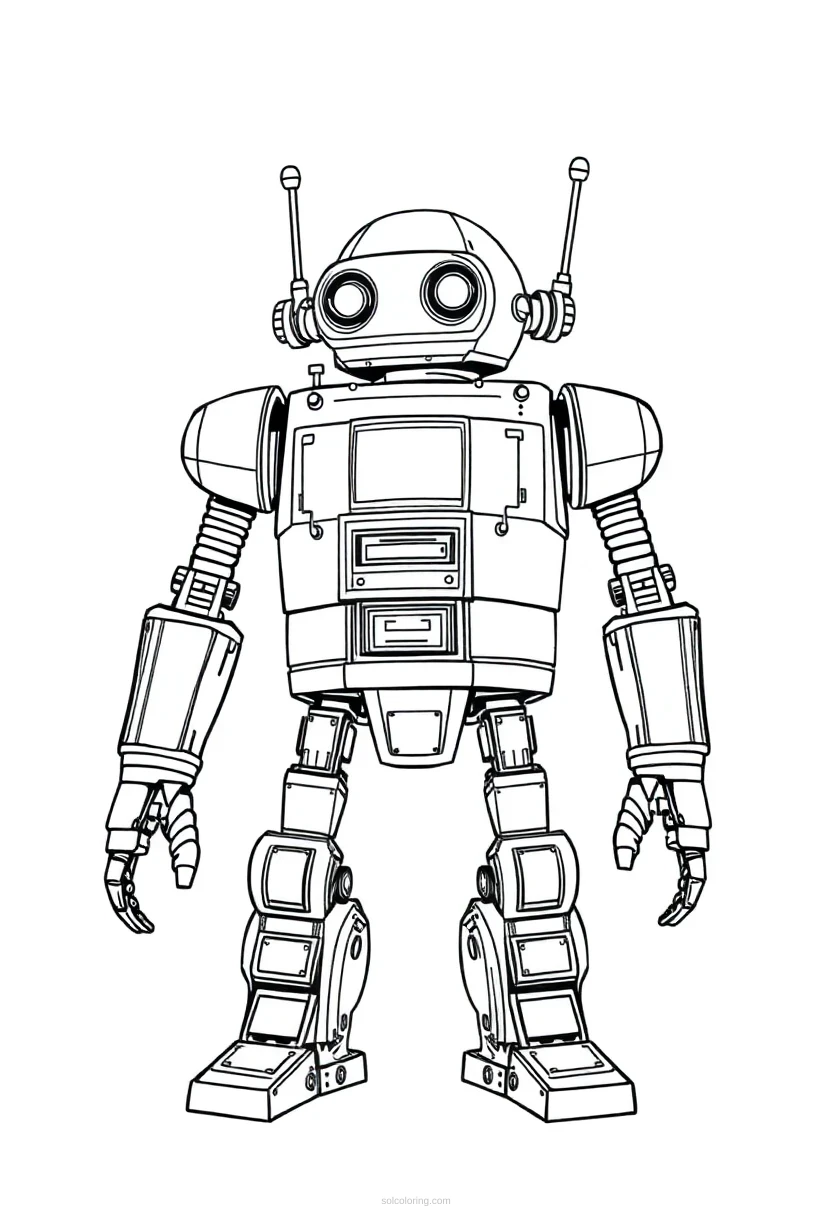
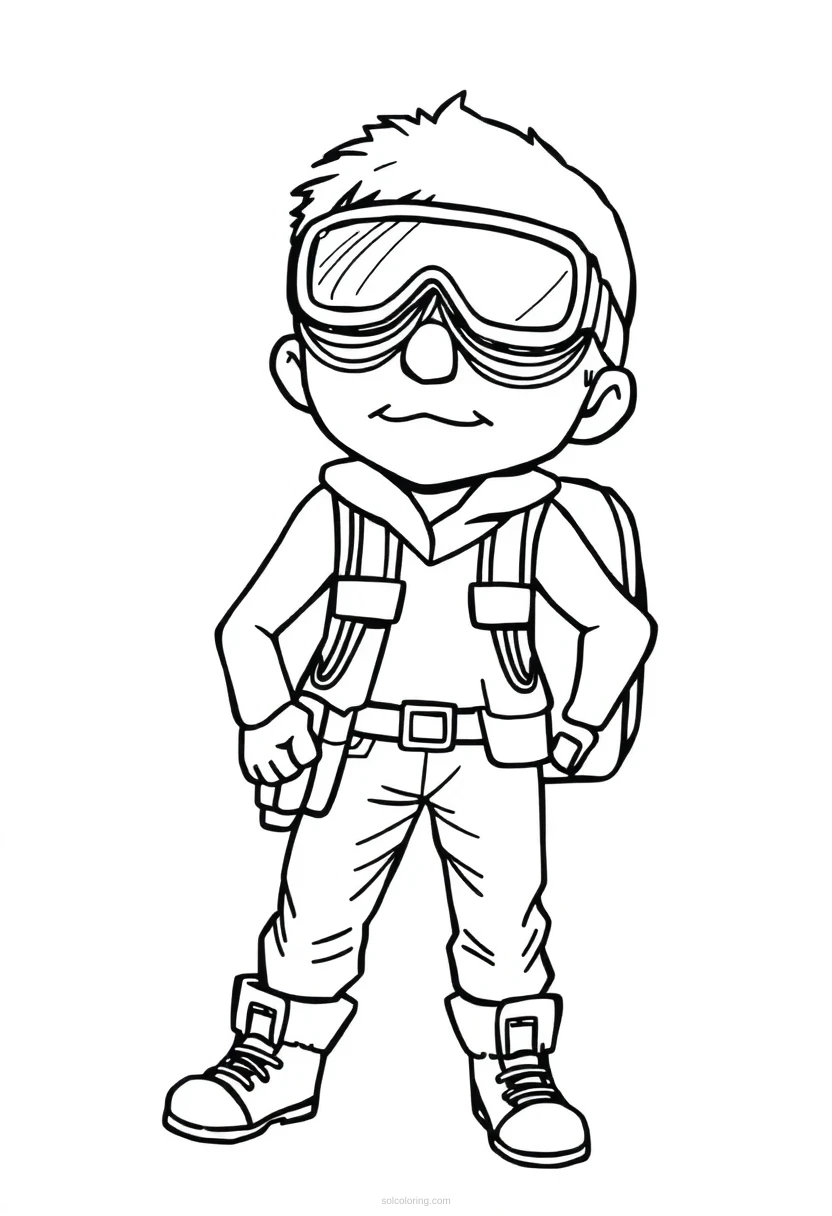
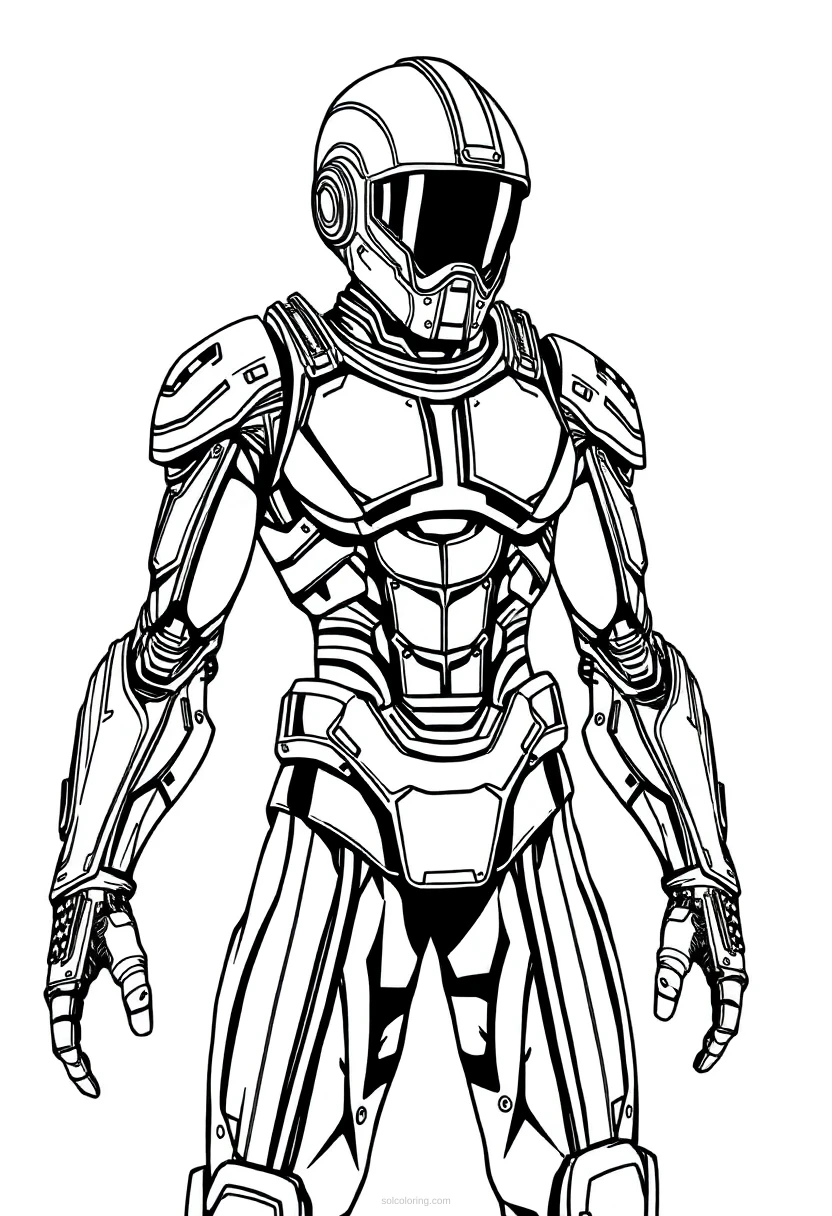
This enchanting Copper Cyborg coloring page features a adorable chibi-style character with intricate steampunk mechanical elements and copper-toned details. The bold, clear outlines make it perfect for colorists of all skill levels, while the detailed gears, pipes, and robotic features provide an engaging challenge for those who love intricate designs. Print this free steampunk coloring page and bring your own creative vision to this charming mechanical character!
Frequently asked
What makes copper the perfect metal for steampunk cyborgs?
Copper was widely used during the Victorian era for pipes, wiring, and machinery due to its excellent conductivity and malleability. In steampunk fiction, copper's warm reddish-brown color and ability to develop beautiful patina over time makes it ideal for creating that authentic vintage-industrial aesthetic that defines the genre.
How do steam-powered cyborg enhancements supposedly work?
In steampunk fiction, cyborg enhancements are powered by miniature steam engines and pressure systems. These mechanical limbs and organs use a network of copper tubes, brass valves, and clockwork mechanisms to replicate biological functions, creating a fascinating blend of Victorian engineering and cybernetic concepts.
Where did the steampunk cyborg concept originate?
Steampunk cyborgs emerged from 1980s science fiction literature, combining cyberpunk themes with Victorian aesthetics. Authors like K.W. Jeter and Tim Powers imagined how cybernetic enhancement might look if developed during the steam age, creating characters with brass limbs and clockwork hearts instead of electronic implants.
Are these Copper Cyborg coloring pages free?
Yes, absolutely! All our Copper Cyborg coloring pages are completely free to download and print. No payment, subscription, or hidden fees required for unlimited access.
What age are these Copper Cyborg coloring pages for?
These coloring pages are designed for ages 8 to 14, with varying complexity levels. Younger kids can focus on larger areas while teens can tackle intricate mechanical details.