Characters
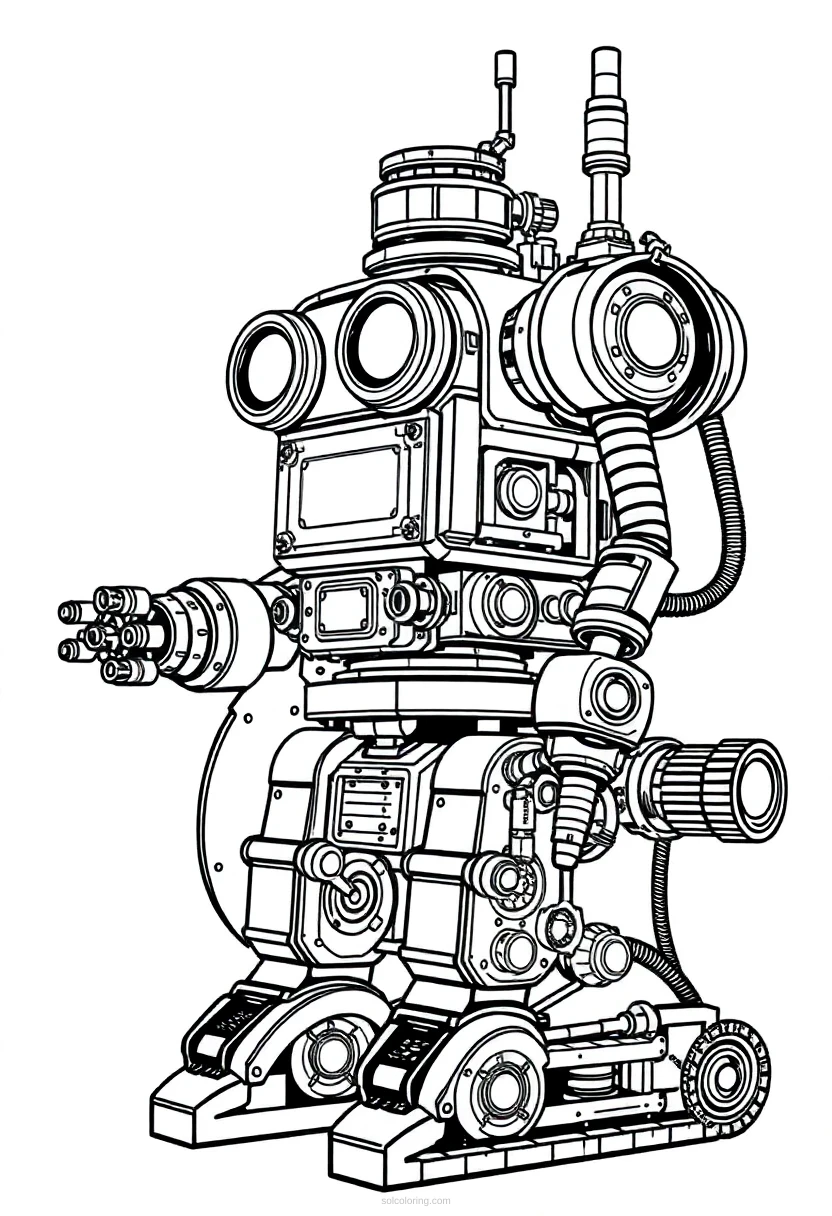
Steam-Powered Robot Coloring Page
Standard style
About this coloring page
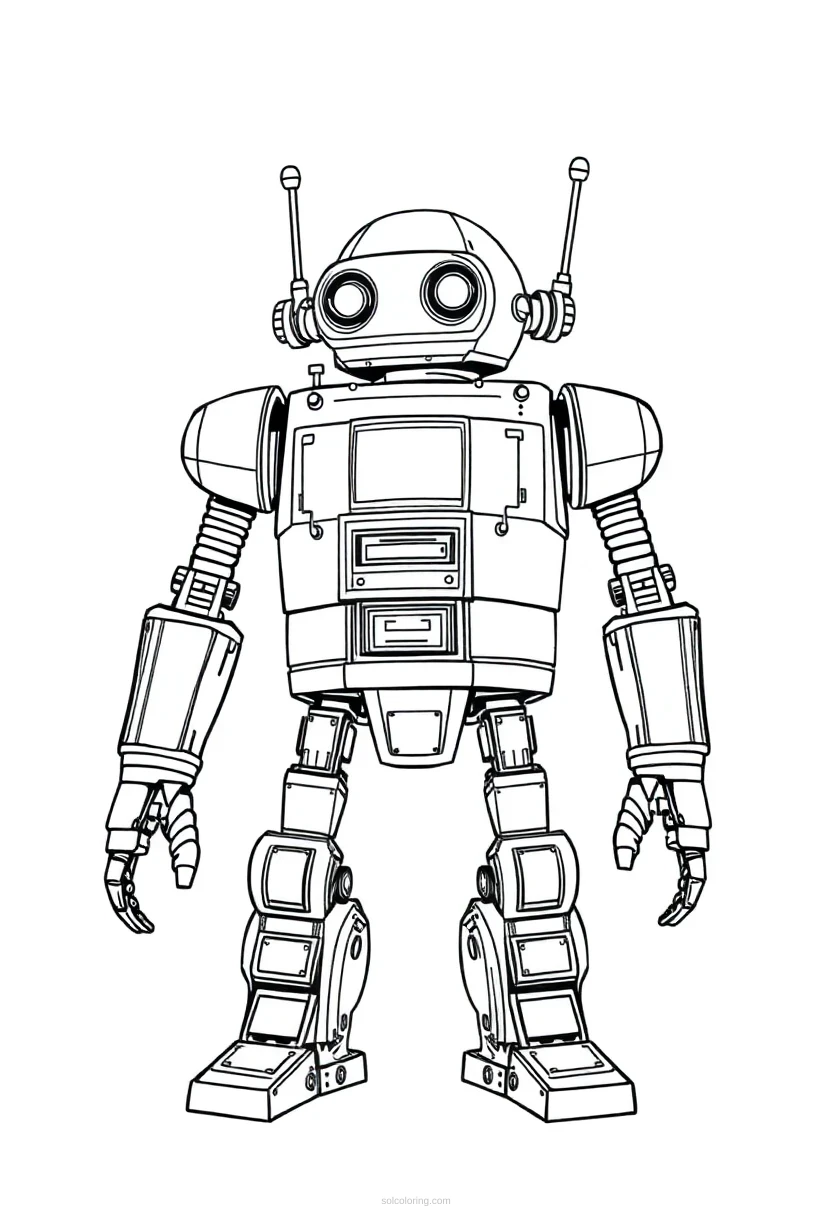
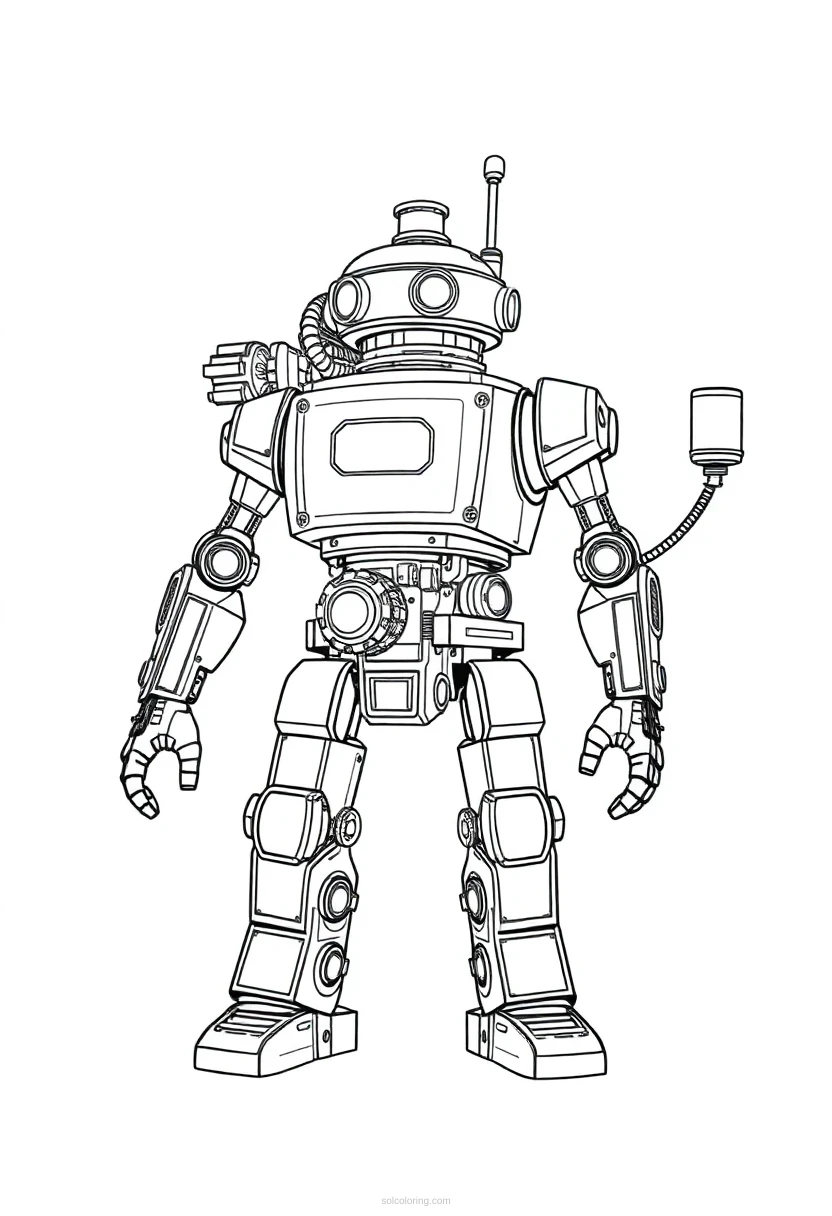
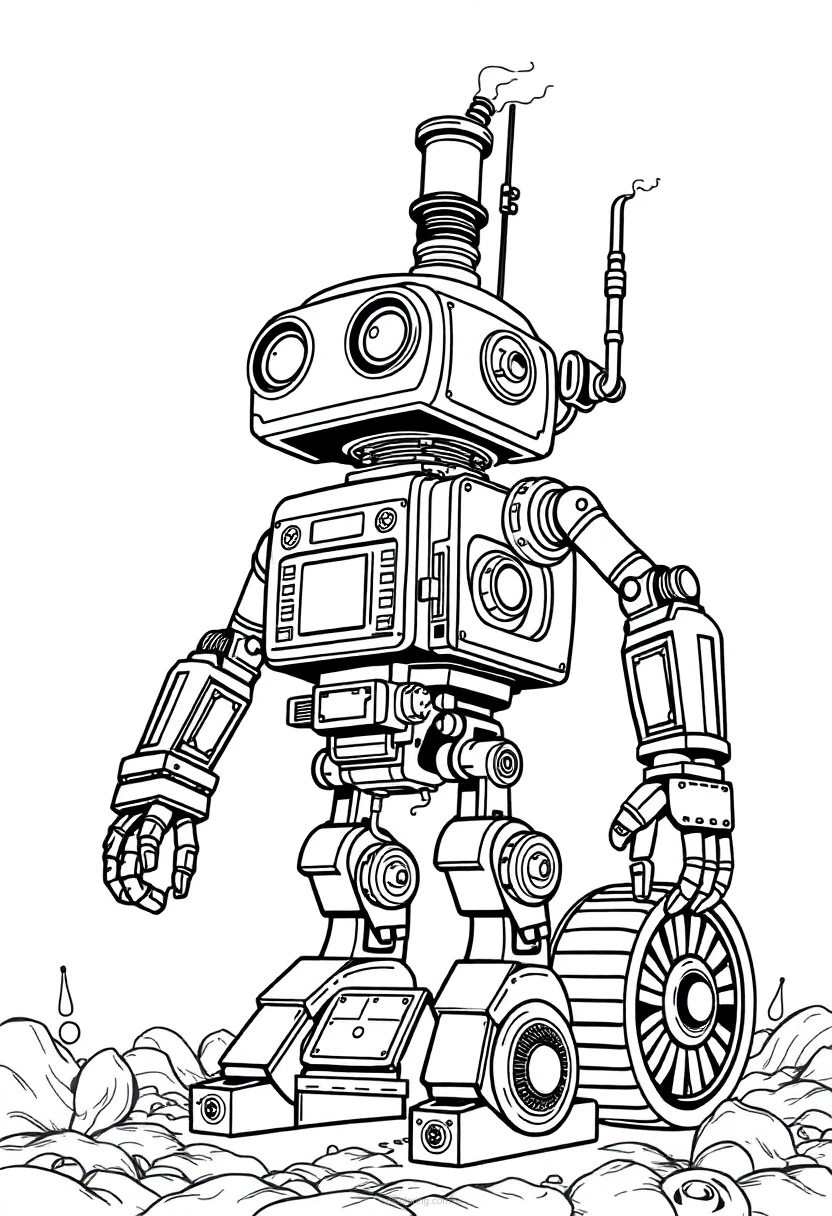
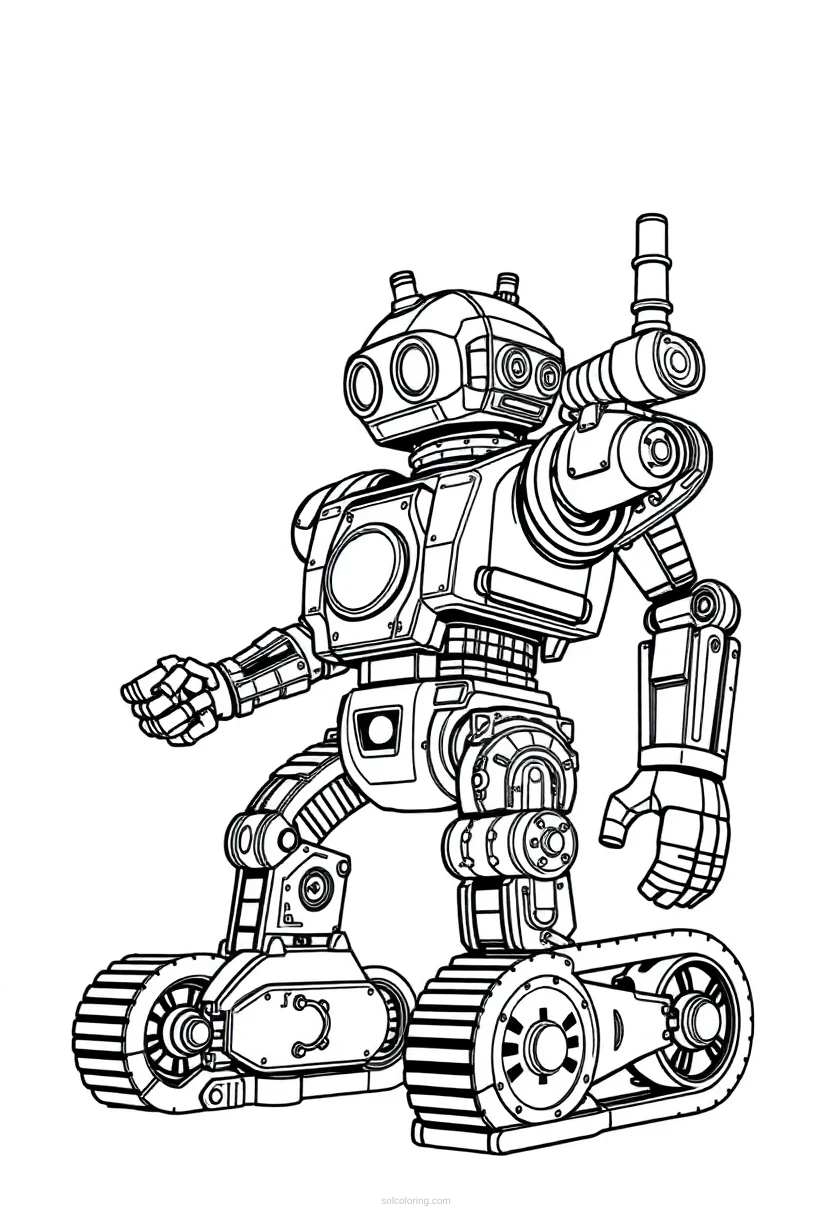
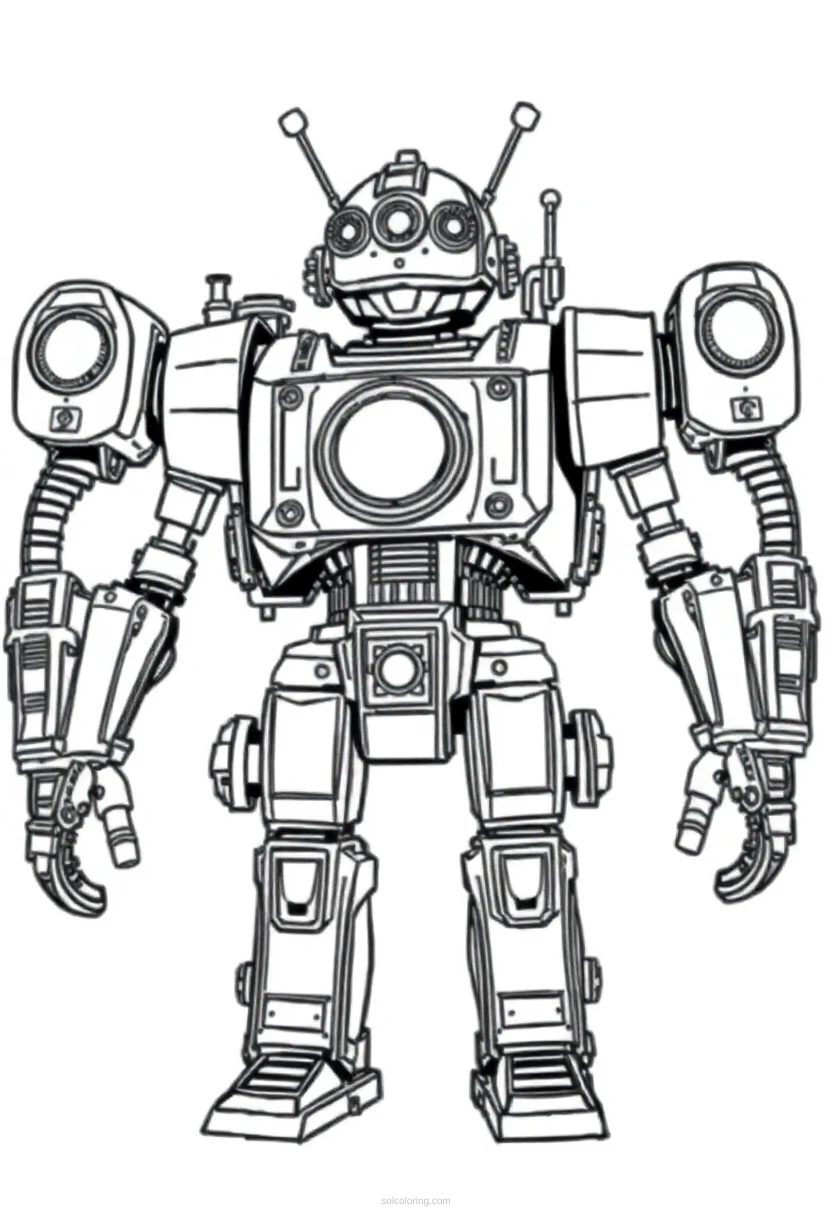
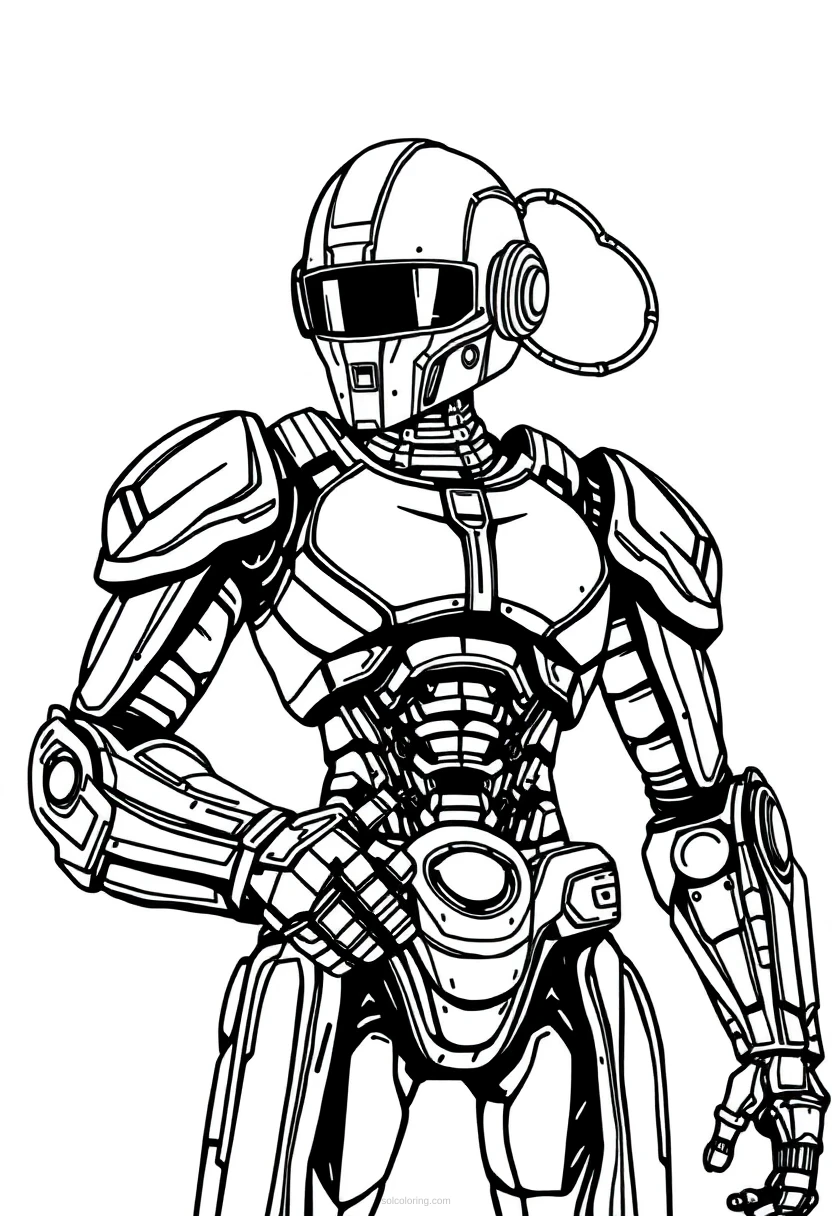
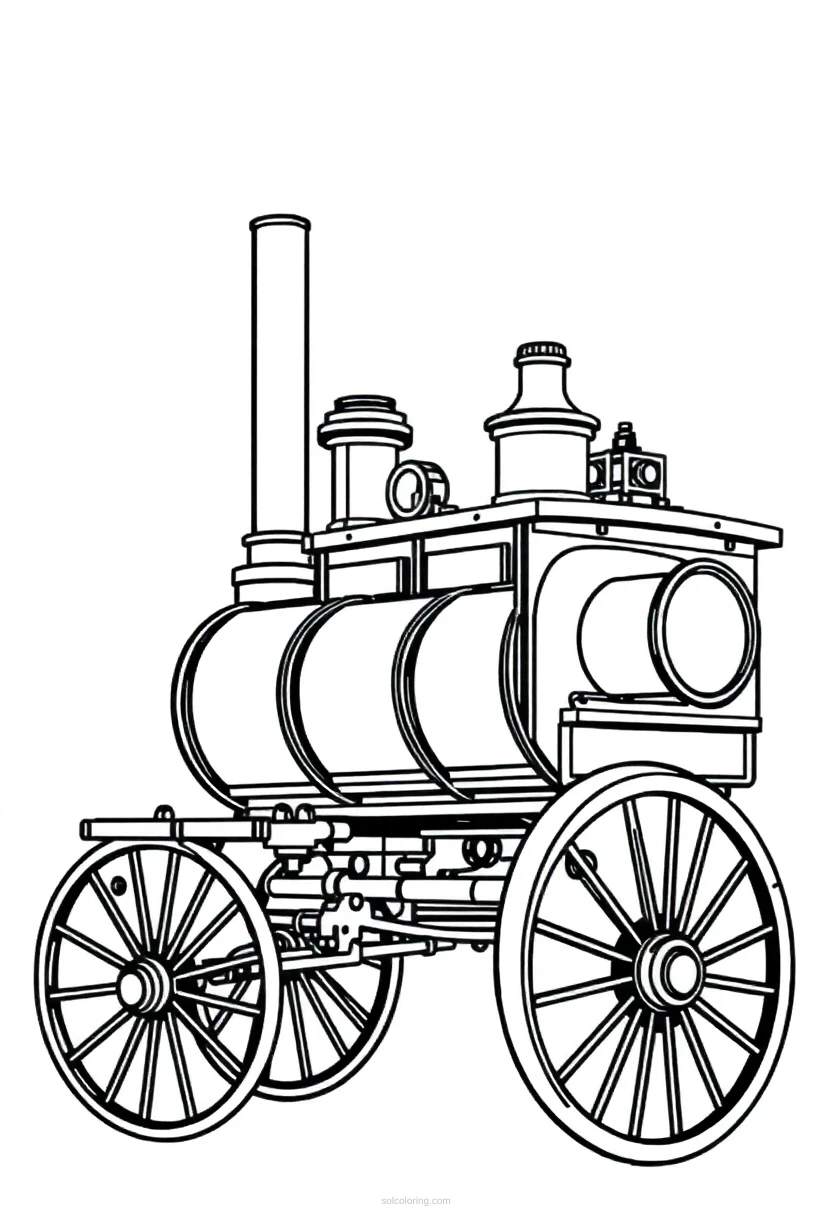
This delightful Steam-Powered Robot coloring page features a friendly mechanical character with gears, pipes, and steam vents in a simple design perfect for young artists. The bold outlines and uncomplicated details make this free printable steampunk coloring page ideal for children who love robots and imaginative adventures.
Frequently asked
What exactly is steampunk and where did it come from?
Steampunk is a creative genre blending Victorian-era aesthetics with advanced steam-powered technology. It emerged in the 1980s from science fiction literature, imagining an alternate past where steam power remained the dominant technology. Authors like Jules Verne inspired this imaginative fusion of history and futurism.
How do steam powered robots actually work in the steampunk universe?
In steampunk fiction, steam powered robots use pressurized steam to power pistons and mechanical joints, creating movement and action. Large boilers generate steam, which flows through pipes and valves to operate gears and motors. This system powers everything from walking mechanisms to articulated arms and rotating heads.
What materials are typically used to build steampunk robots?
Steampunk robots feature brass, copper, iron, and steel as primary materials, reflecting Victorian industrial craftsmanship. These metals are chosen for their durability, aesthetic appeal, and historical accuracy. Rivets, bolts, and exposed gears showcase the mechanical nature and handmade quality of these imaginative machines.
Are these Steam Powered Robot coloring pages free?
Yes! All our Steam Powered Robot coloring pages are completely free to download and print. No hidden charges, no signup required. Simply visit our website, select your favorite free printable coloring page, and print it at home on standard paper.
What age are these Steam Powered Robot coloring pages for?
Our Steam Powered Robot coloring pages are designed for ages 8 to 14, with varying difficulty levels. Younger kids enjoy simpler designs with larger areas to color, while older teens can tackle intricate details with smaller sections and complex mechanical patterns.