Aircraft
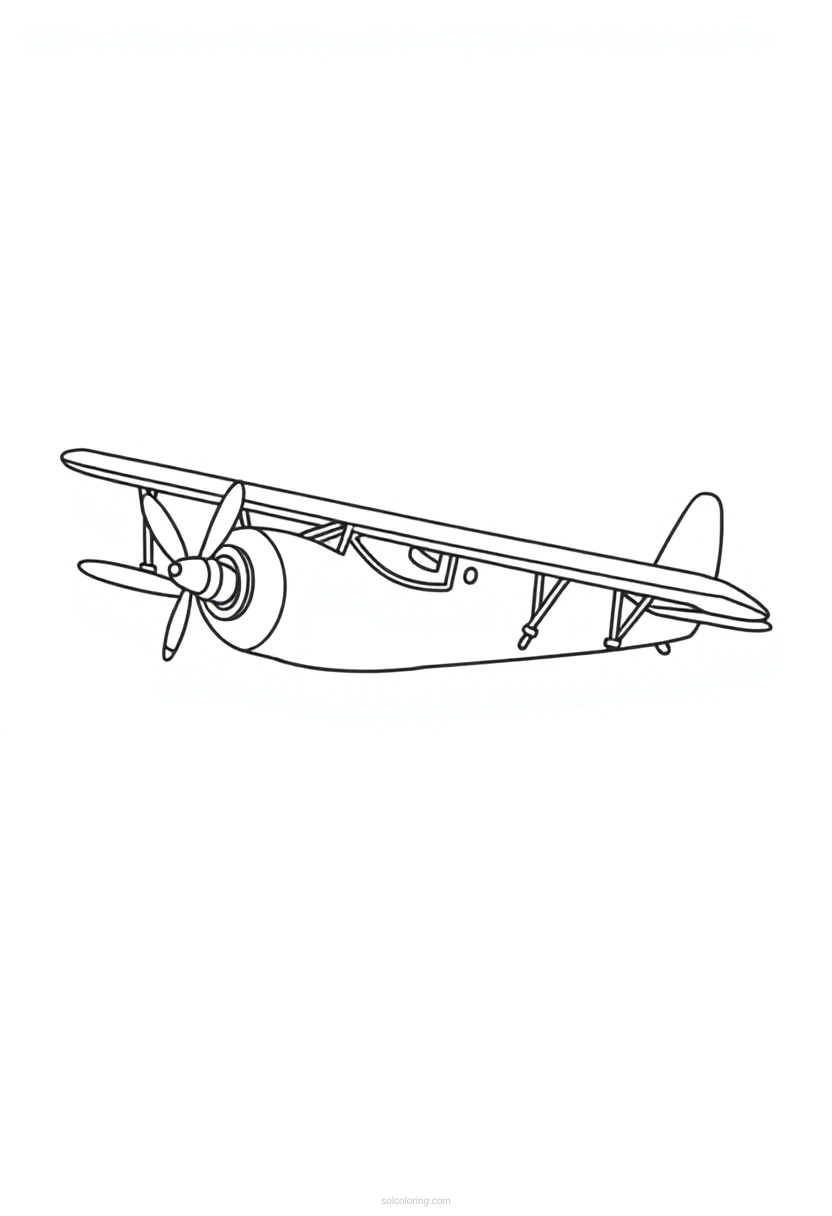
Biplane Coloring Page
Standard style
About this coloring page
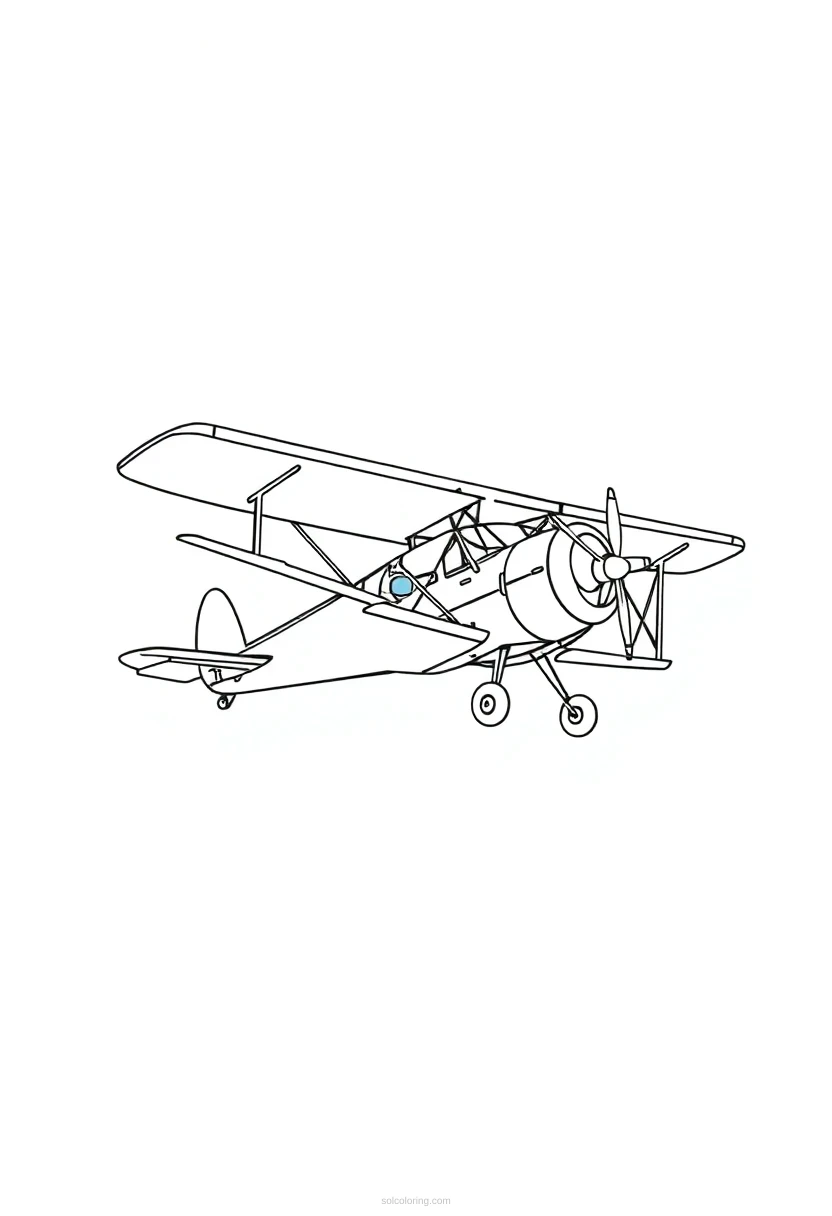
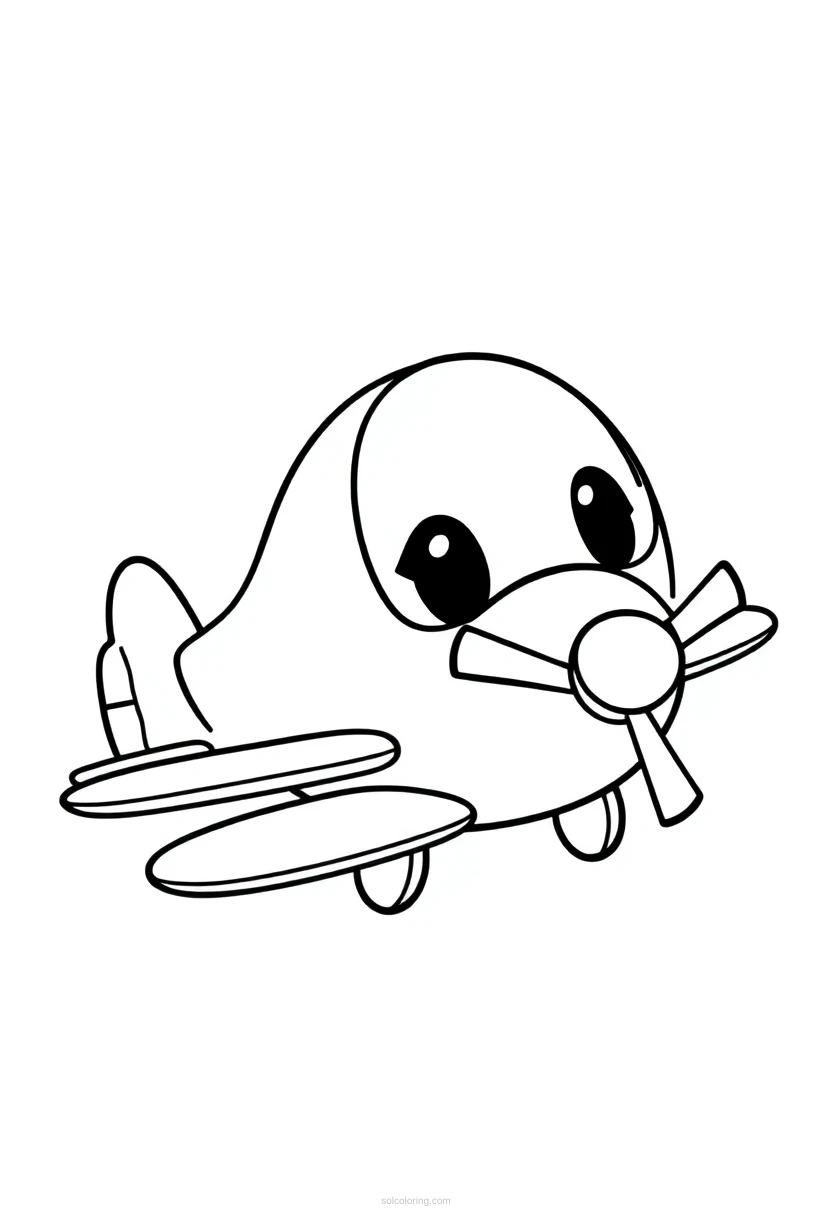
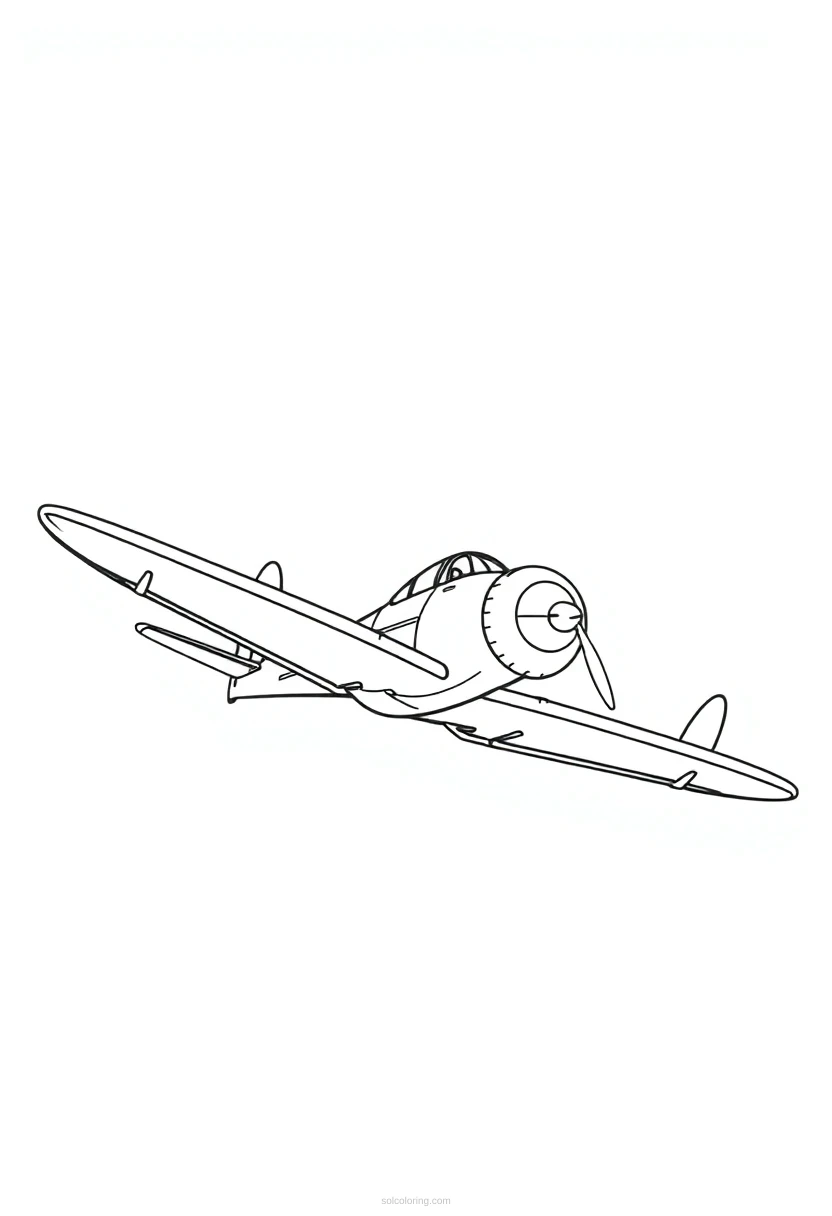
This delightful biplane coloring page features a classic double-winged aircraft with bold, simple outlines perfect for young aviation enthusiasts. The vintage-style plane design includes clear details like propeller, landing gear, and distinctive wing structure, making it an ideal free printable activity for children learning about transportation and aircraft history.
Frequently asked
Why did biplanes have two sets of wings instead of one?
Early engineers used two wings because they believed it created better lift and strength without making the wings extremely long. The two wings were braced together with struts and wires, creating a rigid structure that could support heavier aircraft while keeping the wingspan manageable for takeoff and landing.
What was the most famous biplane in history?
The Sopwith Camel was probably the most famous World War I fighter biplane, credited with shooting down more enemy aircraft than any other Allied plane. Another iconic biplane was the de Havilland Tiger Moth, which became the world's most popular training aircraft and flew for decades.
How fast could biplanes fly?
Early biplanes flew around 50 to 100 miles per hour, but by the 1940s, advanced biplanes could reach speeds of 300 miles per hour or more. The sleek design and powerful engines of later biplanes made them surprisingly fast, though monoplanes eventually proved faster overall.
Are these Biplane Simple coloring pages free?
Yes, absolutely! All our biplane coloring pages are completely free to download and print. There are no hidden costs, subscriptions, or payment requirements. Simply visit Sol Coloring, select your biplane design, and print it instantly to your home printer.
What age are these Biplane Simple coloring pages for?
Our biplane coloring pages are designed for ages 8 to 14, with simple line work that's easy to color while still being engaging for older kids. The straightforward design makes it perfect for beginners, while the aviation theme appeals to children interested in history and transportation.