Cars
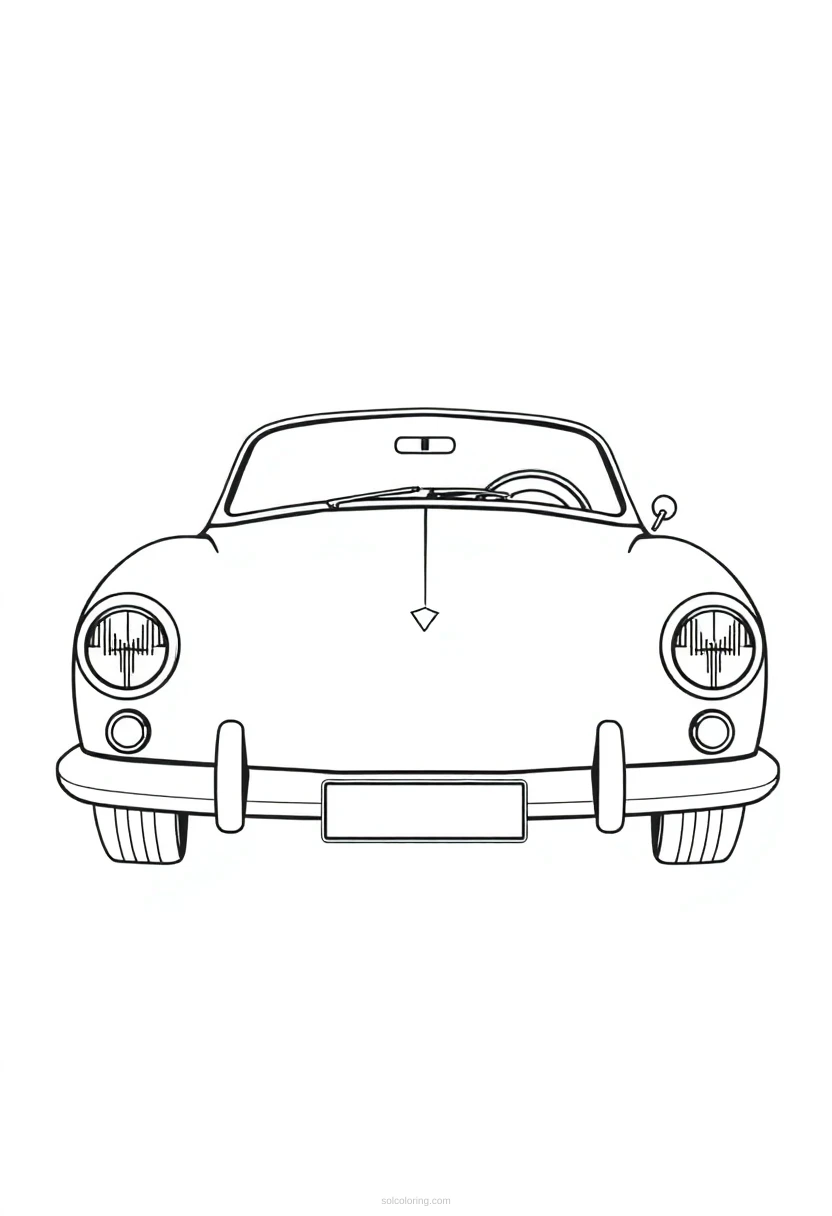
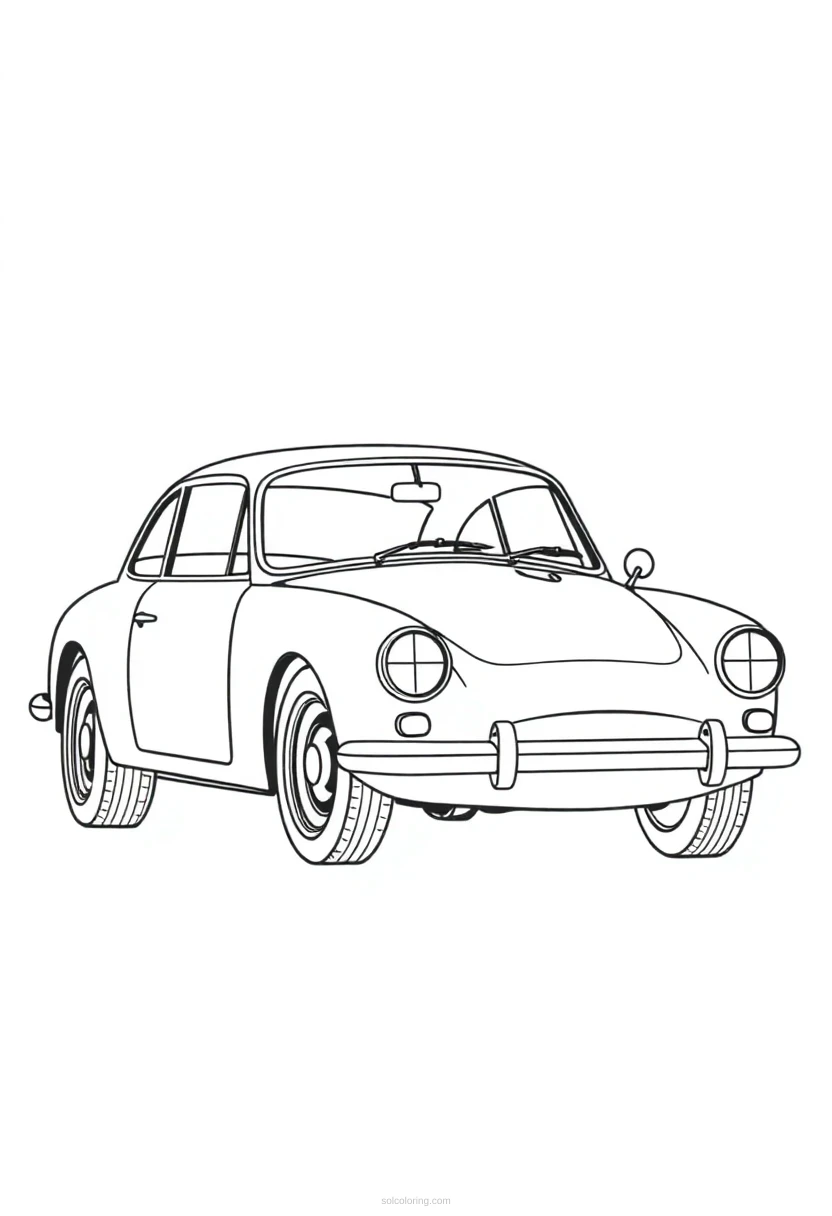
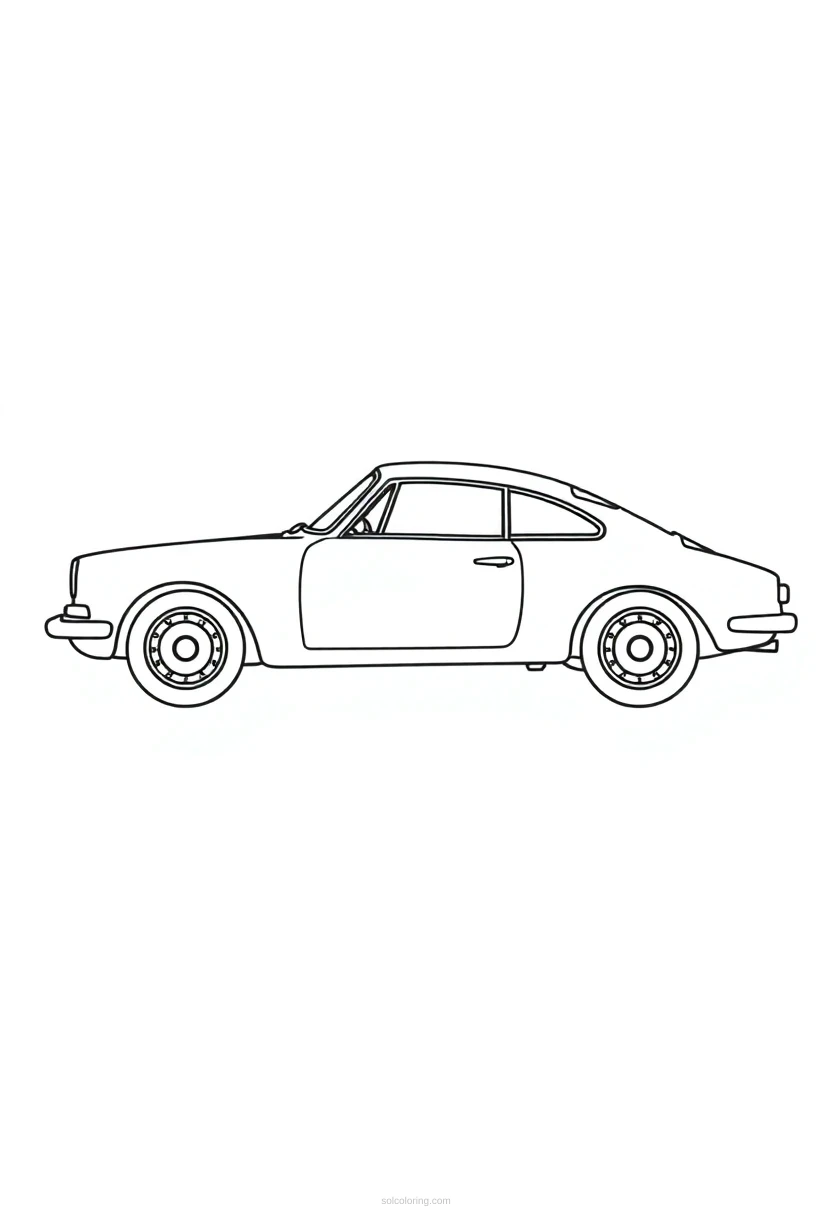
Classic Car Coloring Pages
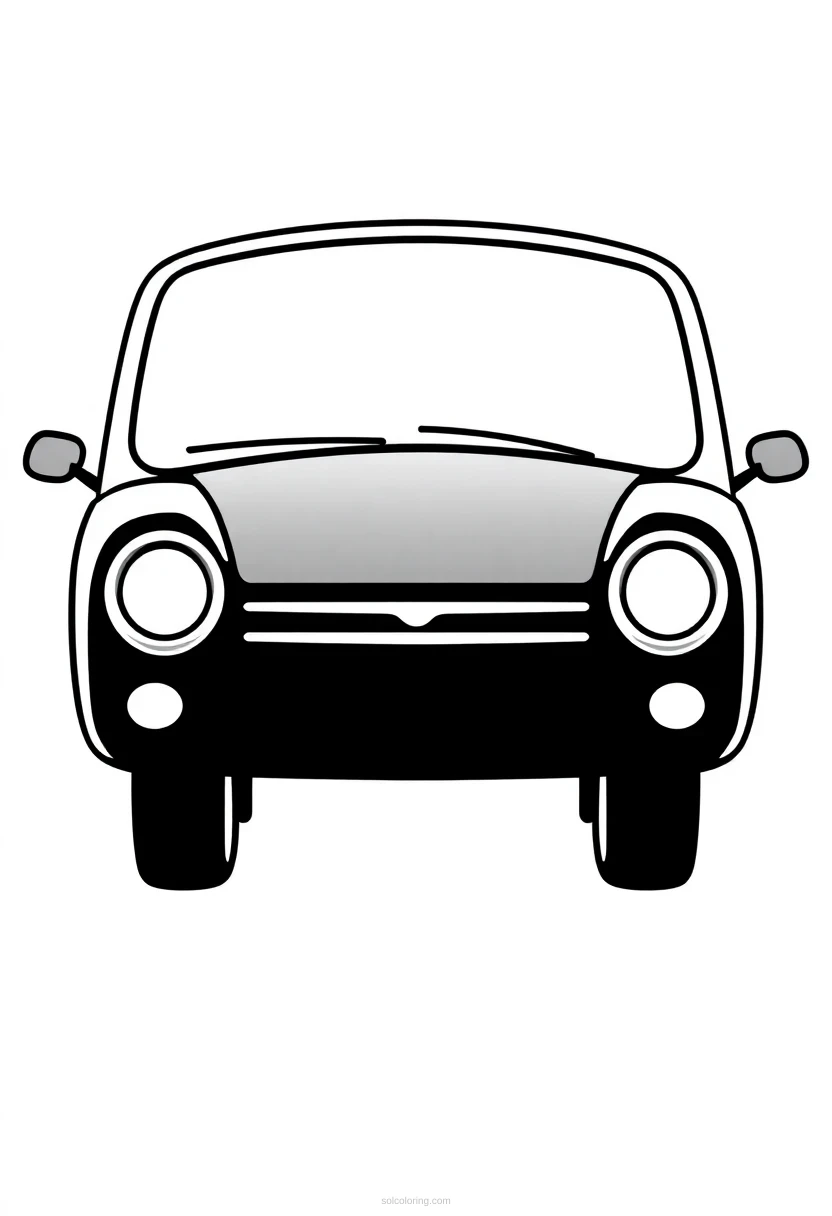
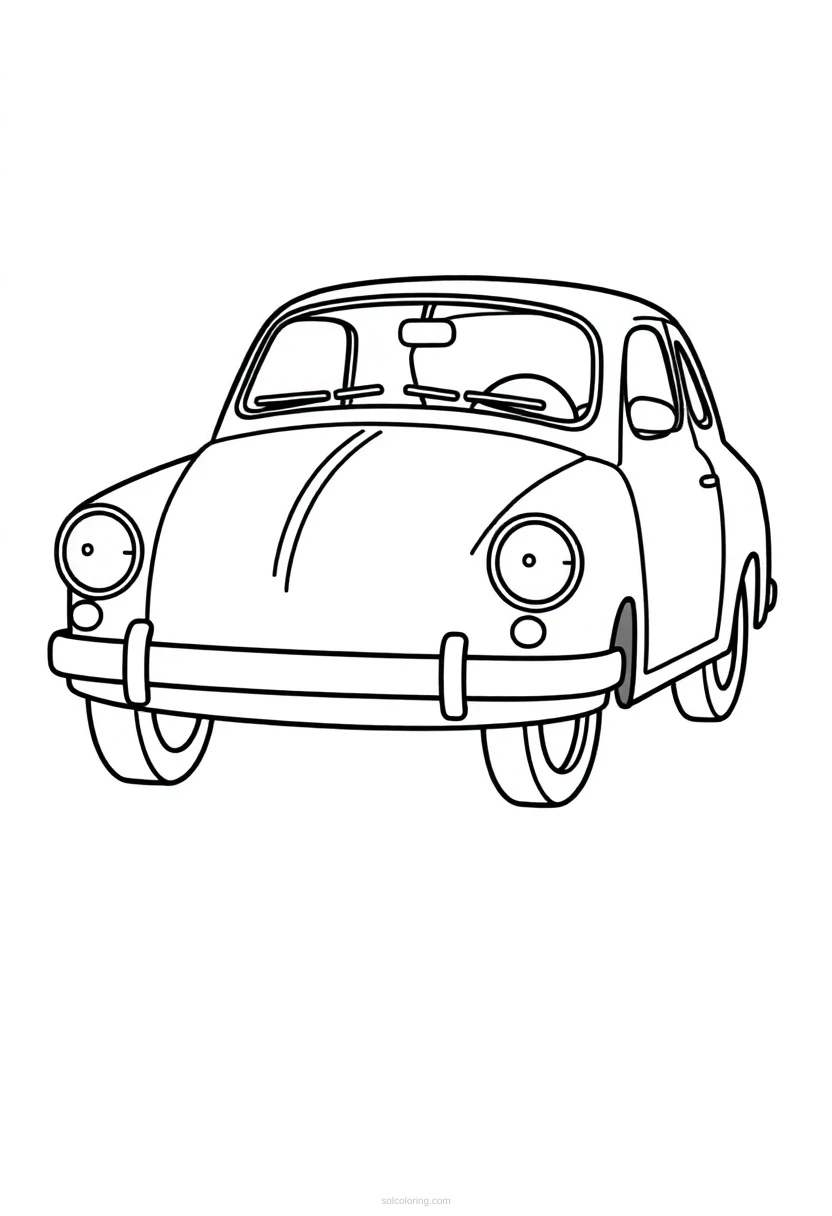
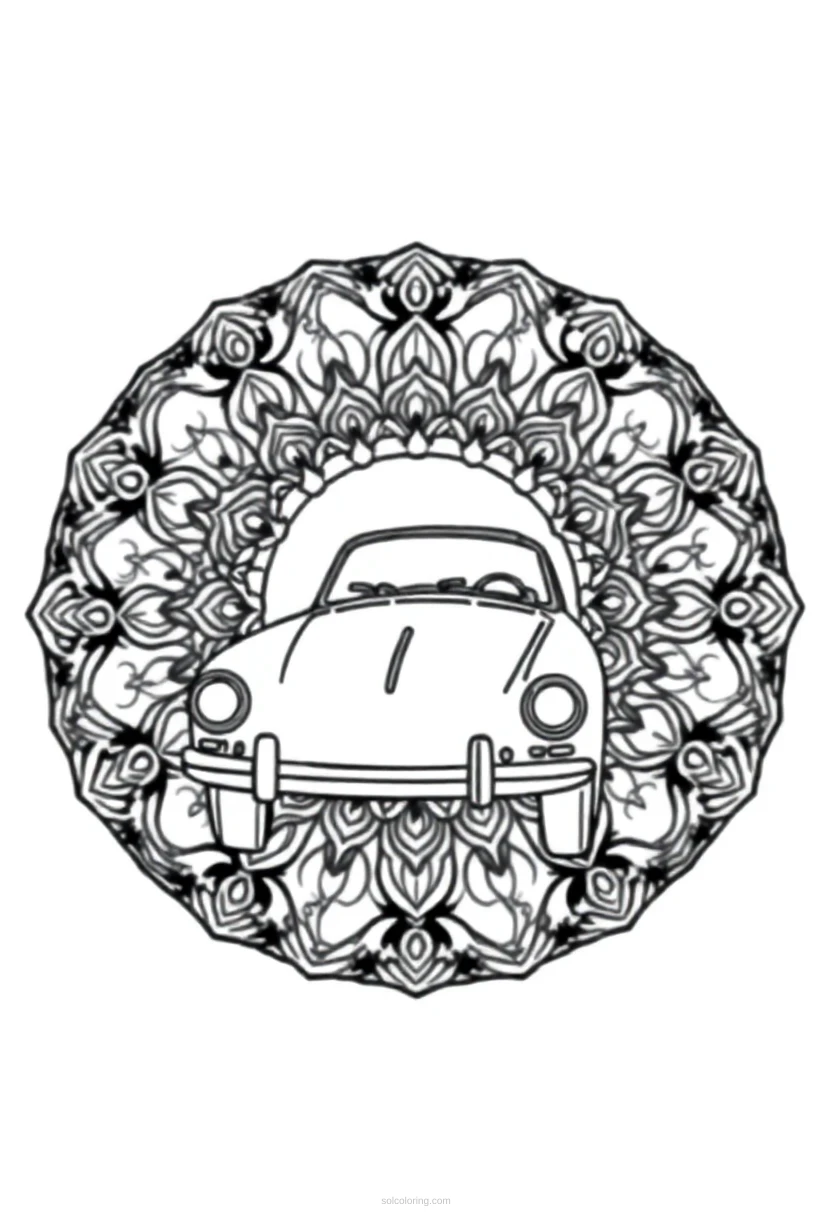
6 free printable designs including Standard, Standard, Standard, Standard and more.
Classic cars represent some of the most iconic and beautifully designed vehicles in automotive history. These timeless machines, typically from the 1920s through 1970s, showcase incredible craftsmanship, unique styling, and innovative engineering that captured the spirit of their eras. Whether you love the sleek curves of a 1950s convertible or the powerful presence of a vintage muscle car, our free printable coloring page lets you bring these automotive treasures to life with your own creative colors. Coloring classic cars is a fantastic way to appreciate automotive design while relaxing and having fun with a free printable coloring page perfect for all ages.
Read more →Read less ↑
Choose a style
Did you know?
Fun facts about Classic Car
The 1961 Jaguar E-Type was so beautiful that Enzo Ferrari called it the most beautiful car ever made.
Classic muscle cars like the 1970 Dodge Challenger could accelerate from 0 to 60 mph in less than 6 seconds, which was incredibly fast for that era.
Henry Ford's Model T, produced from 1908 to 1927, was the best-selling vehicle of its time with over 15 million cars built.
The iconic 1957 Chevrolet Bel Air featured a distinctive three-piece rear window and a V8 engine that could run on regular gasoline.
Classic cars from the 1960s often had no computer systems or safety features like airbags, seatbelts, or crumple zones that modern cars have today.
About Classic Car
What makes a car considered a classic?
A classic car is typically defined as a vehicle that is at least 20 to 30 years old and represents an important period in automotive history. Most classic cars date from the 1920s through 1970s and are valued for their design, rarity, and mechanical significance. Some cars become classics within a decade due to their iconic status or limited production numbers.
Why do people collect and restore classic cars?
Classic car enthusiasts collect these vehicles for many reasons: they appreciate unique design and engineering, enjoy the challenge of restoration work, value automotive history, and love the driving experience of older machines. Restored classics can also become valuable investments, with some rare models worth hundreds of thousands of dollars at auctions.
How did car design change from the 1920s to the 1970s?
Early 1920s cars were boxy and simple, but the 1930s brought streamlined designs influenced by Art Deco. The 1950s introduced chrome details and curved shapes. The 1960s brought muscle cars with powerful engines, while the 1970s emphasized aerodynamics and safety features. Each decade reflected the cultural values and technology of its time.
What is the difference between a classic car and a vintage car?
Generally, vintage cars are older, usually built before 1930, while classic cars date from 1930 to 1980. However, definitions vary by country and collector groups. Some use 'antique' for pre-1920 vehicles. The terms can overlap, but classic cars are often more refined and better preserved than their vintage predecessors.
What engine types powered classic cars?
Classic cars used various engine types: small four-cylinder engines in economy models, powerful V8 engines in muscle cars, and luxury inline-six engines. The 1960s and 1970s saw massive engines producing hundreds of horsepower. Modern engines are smaller but more efficient, making vintage engines feel surprisingly raw and powerful by comparison.
Why did classic cars have so much chrome and shiny details?
Chrome plating became affordable and popular after the 1930s, representing luxury, modernity, and quality to consumers. Designers used chrome to highlight features and create visual interest on car bodies. It was also practical, as chrome resists rust better than plain steel. Today, chrome remains a hallmark of classic car aesthetics and collector appeal.
More Cars coloring pages
Coloring page FAQs
Are these Classic Car coloring pages free?
Yes, absolutely! All our classic car coloring pages are completely free to download and print. There are no hidden fees, subscriptions, or sign-ups required. Simply visit Sol Coloring, select your favorite classic car design, and print it instantly from home on standard A4 or Letter paper.
What age are these Classic Car coloring pages for?
Our classic car coloring pages are designed for ages 8 and up. We offer varying complexity levels, so beginners can enjoy simpler designs with fewer details, while older children and adults can tackle more intricate pages featuring detailed engines, interiors, and chrome details.
How do I print these Classic Car coloring pages?
Printing is easy and requires no special setup. Download the PDF, open it on your computer, and click print. Choose your paper size (A4 or Letter), adjust color settings if desired, and print from any home printer. No account creation or software download is necessary.