Heavy
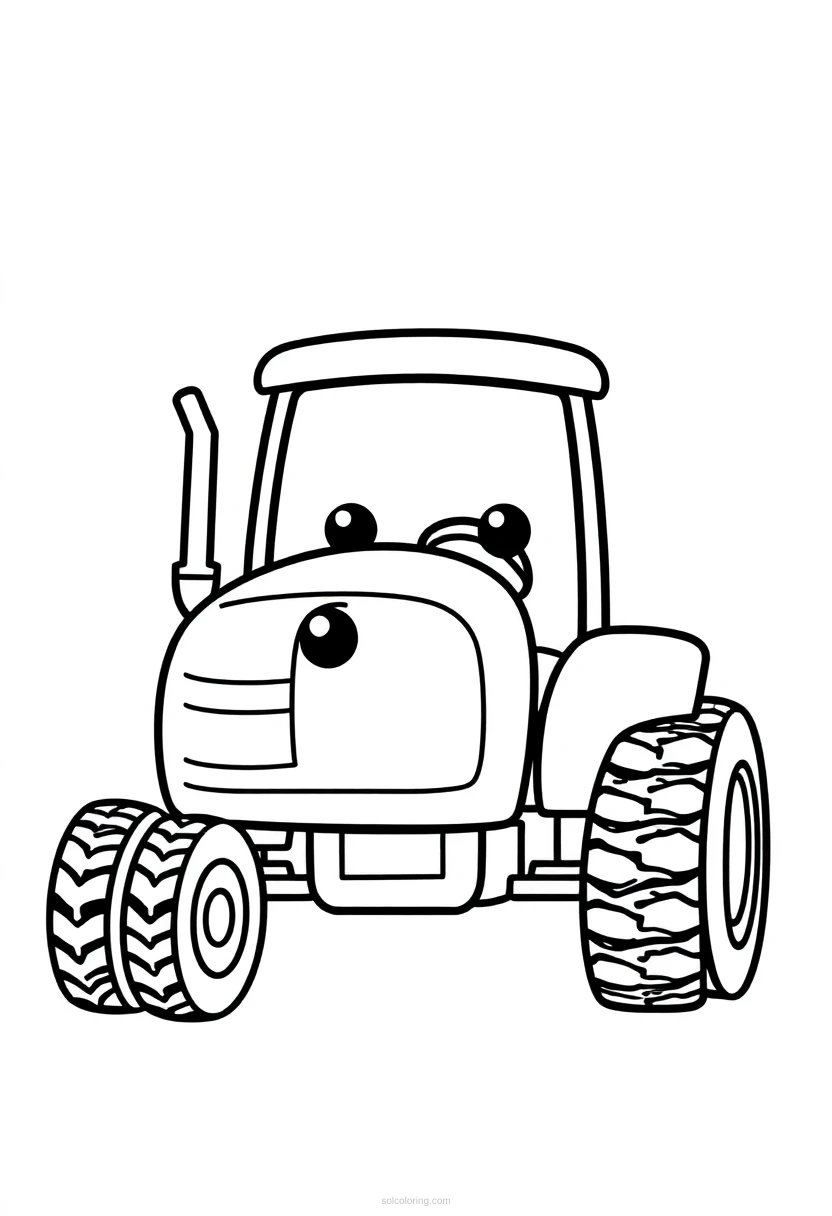
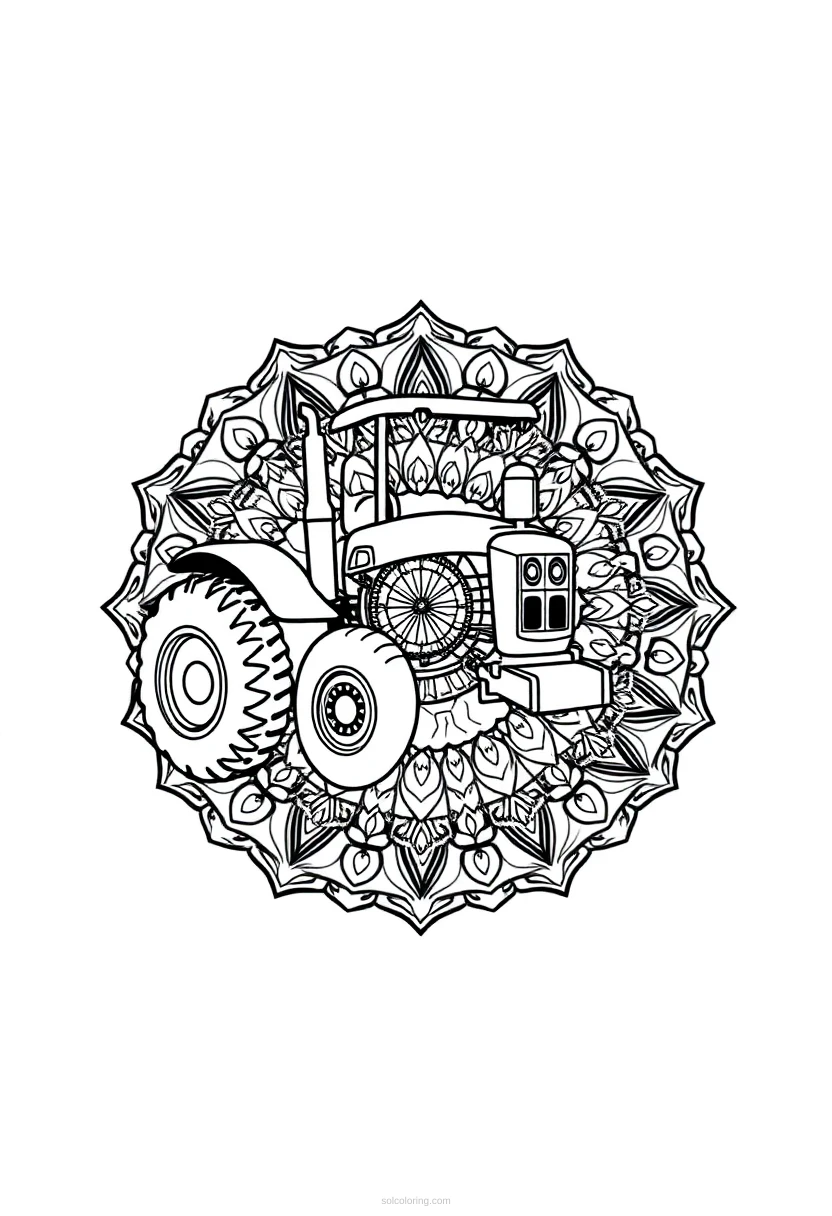
Tractor Coloring Page
Standard style
About this coloring page
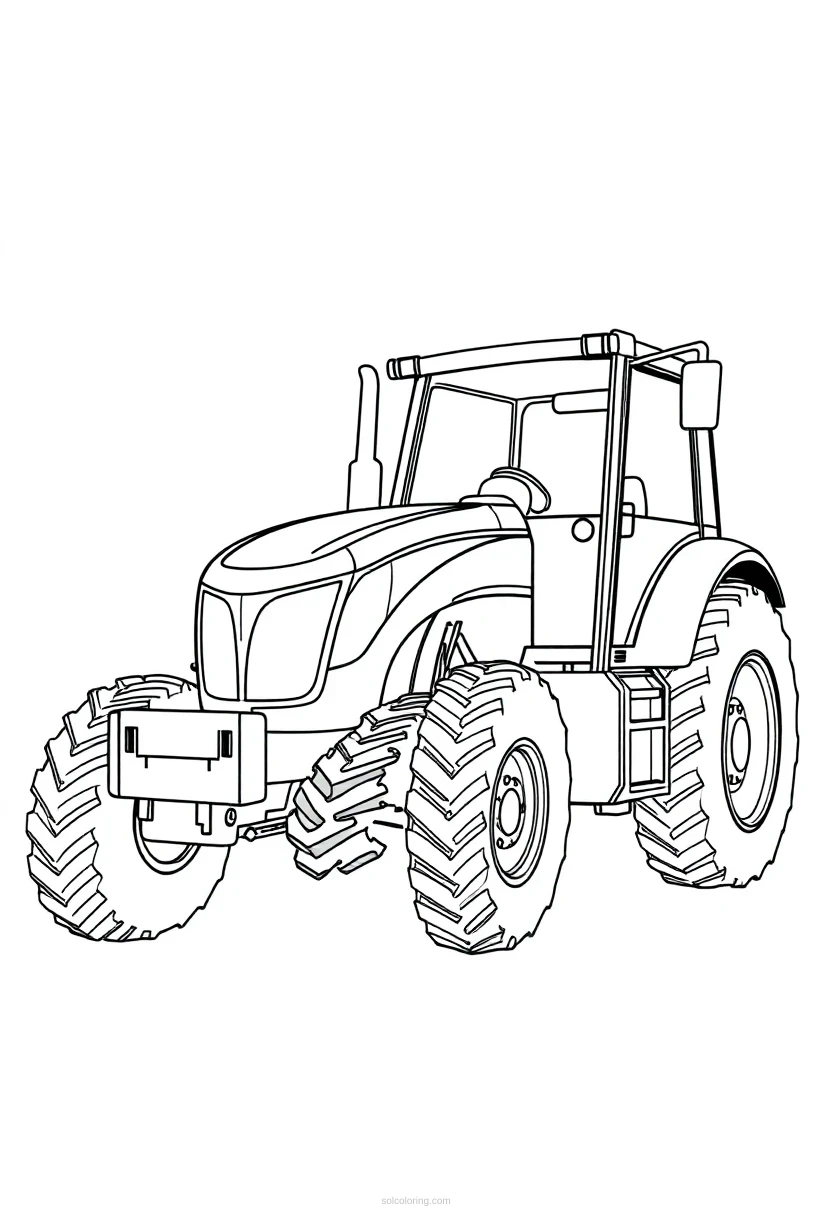
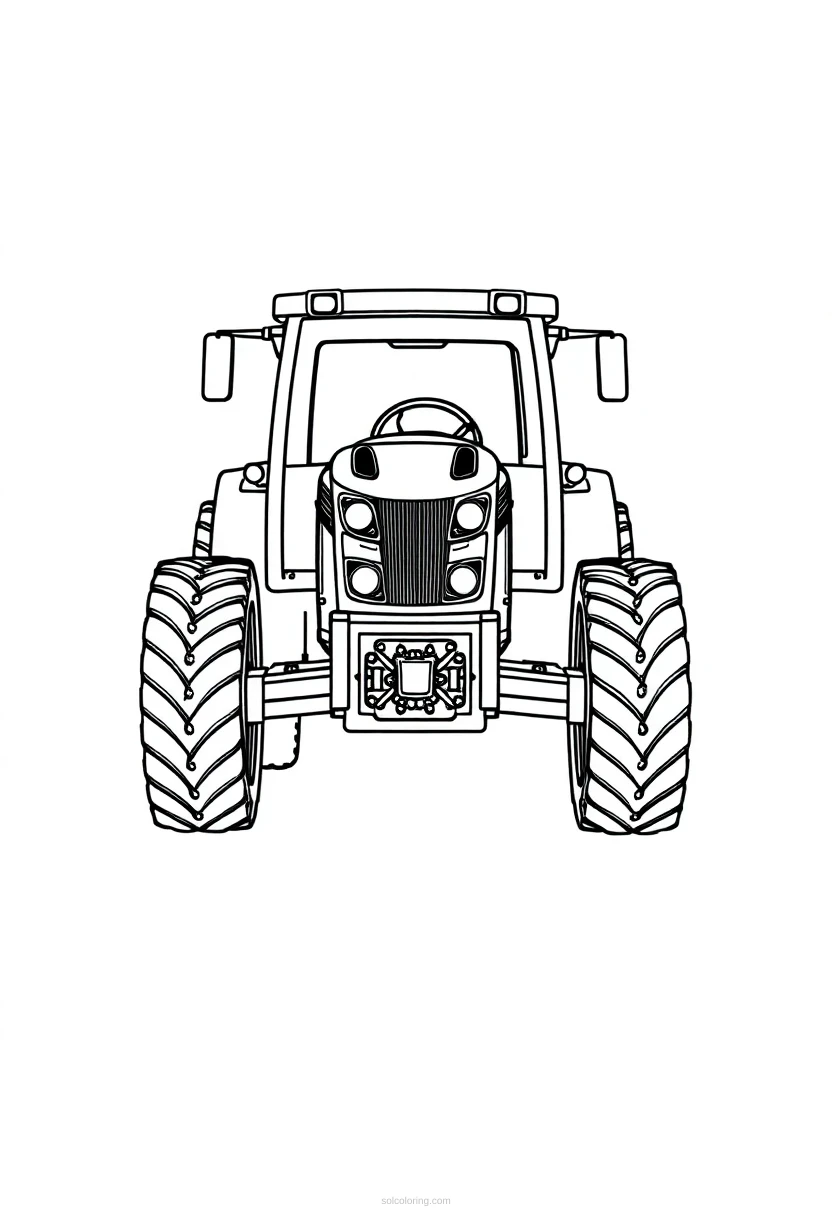
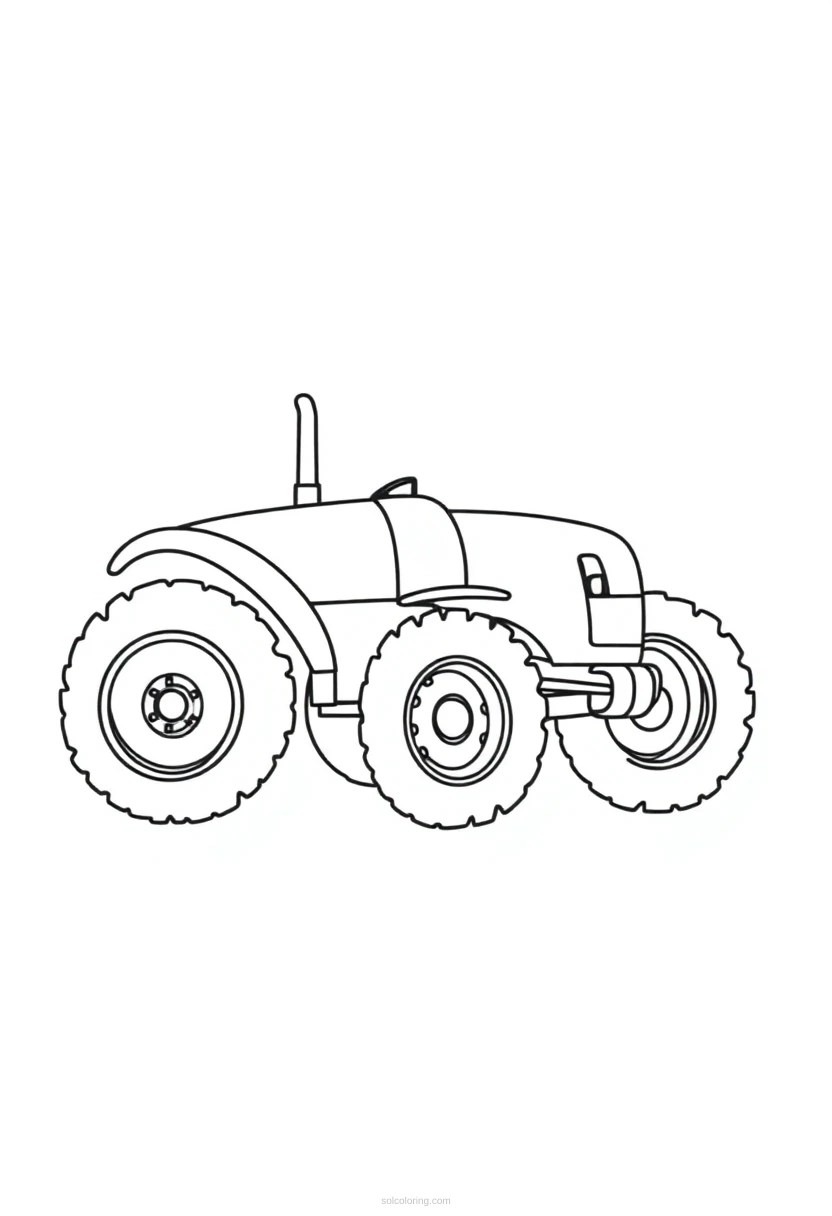
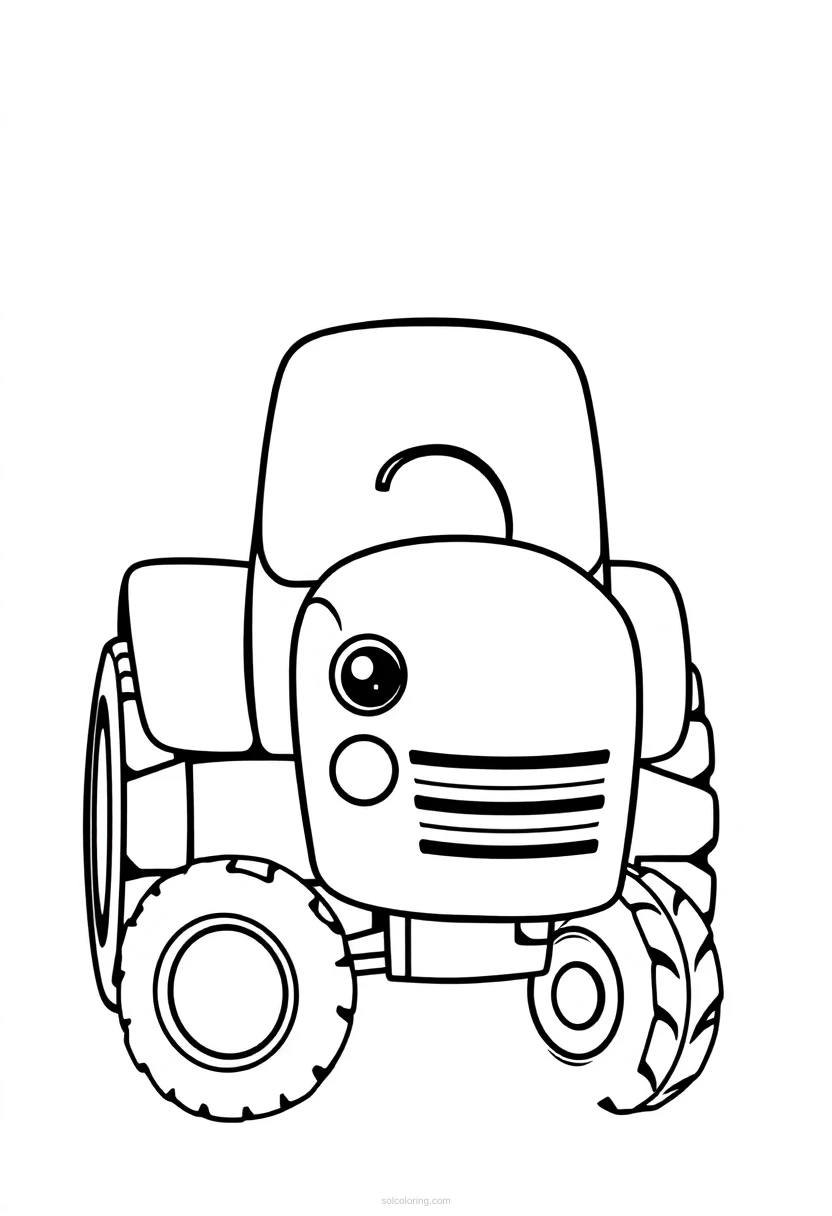
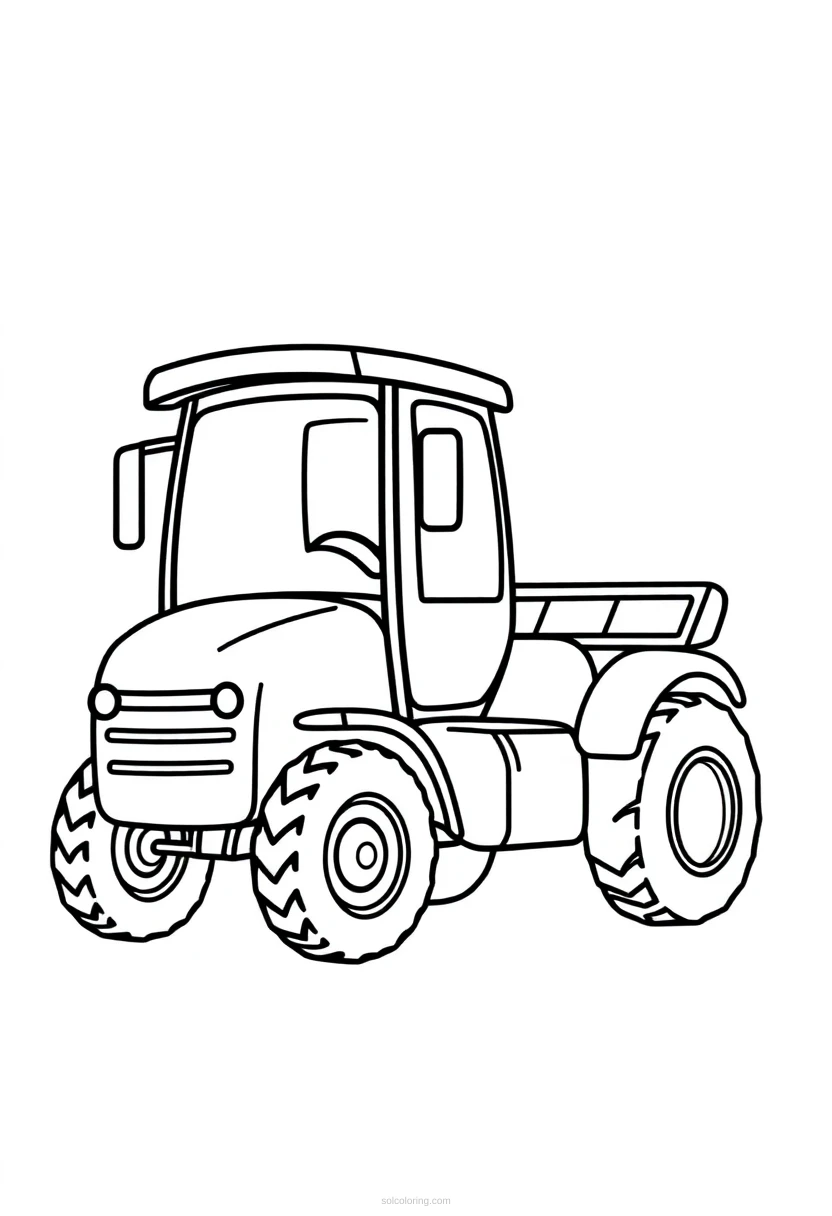
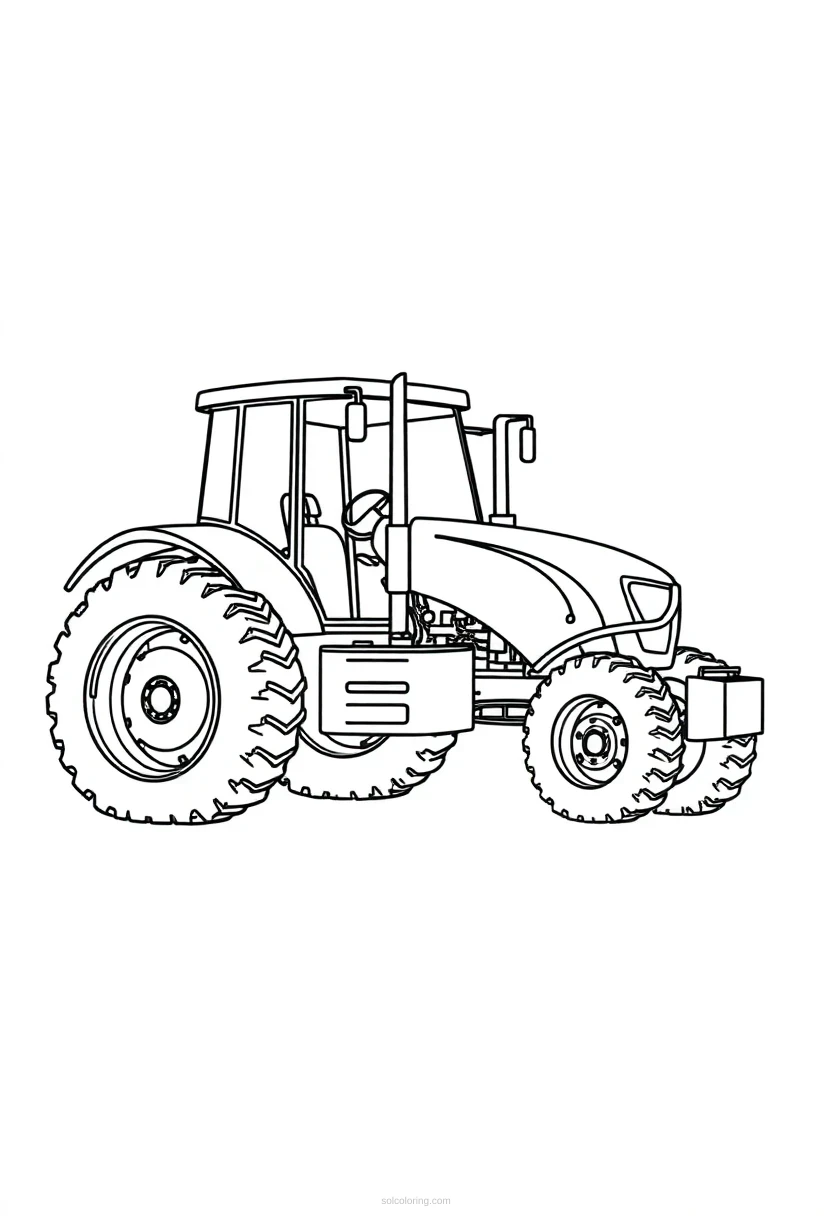
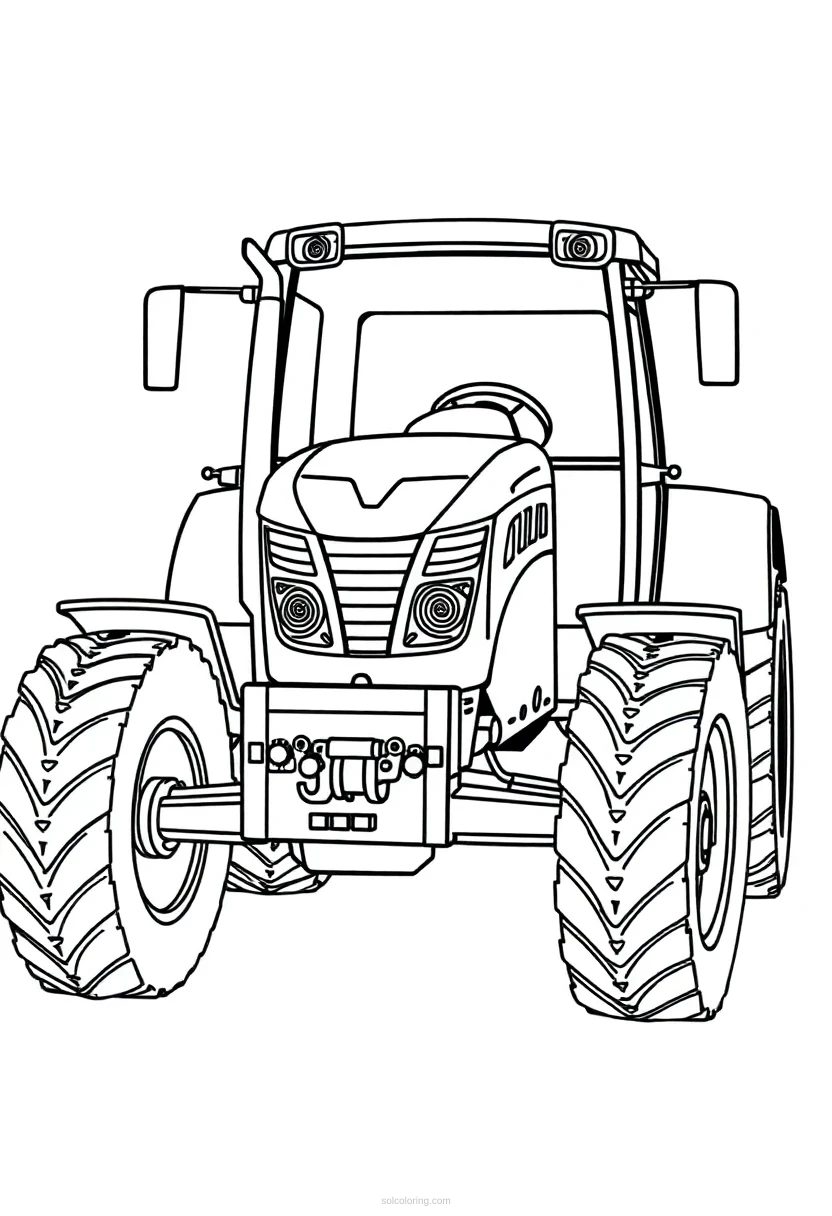
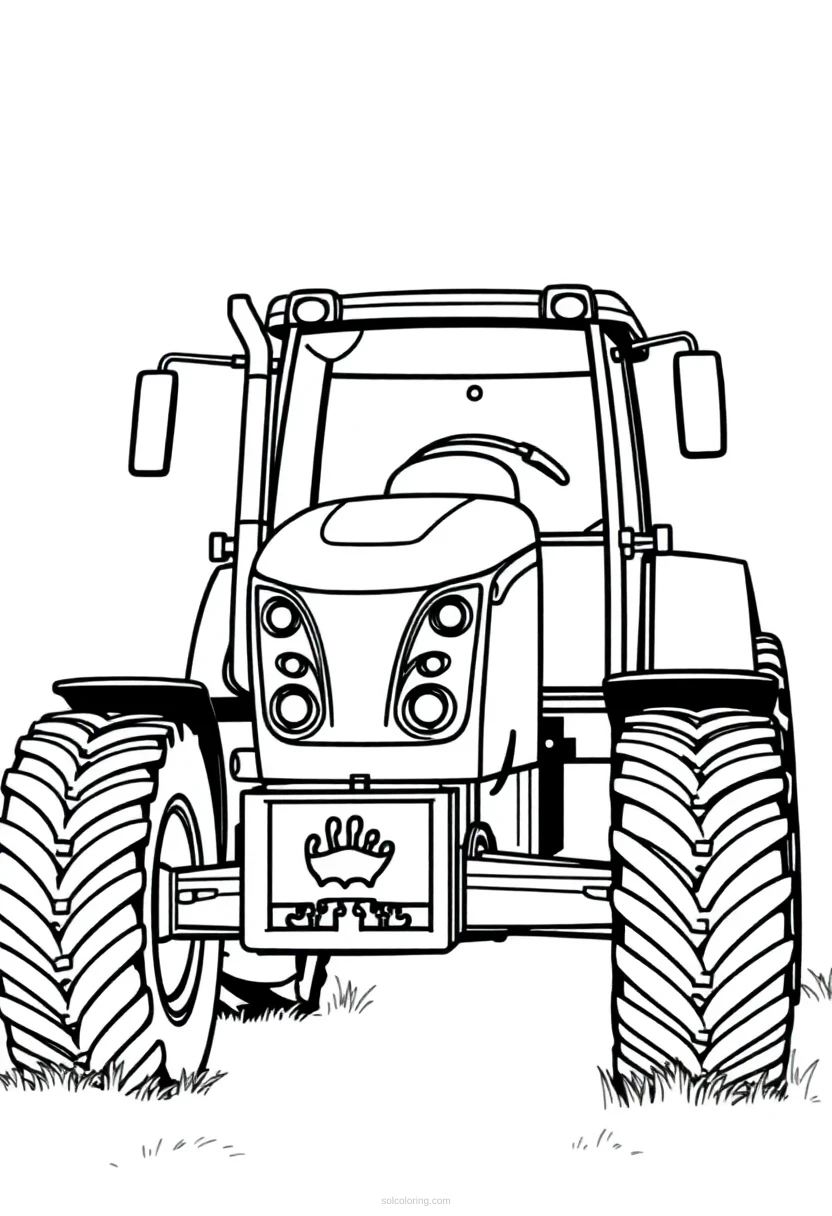
This adorable tractor coloring page combines a friendly cartoon farm vehicle with beautiful mandala-inspired decorative elements, creating the perfect blend of fun and creativity. The design features bold, clear outlines that make it easy for children of all ages to color, while the intricate mandala details provide an engaging challenge for older kids and adults who enjoy more detailed coloring activities.
Frequently asked
What are the big wheels on tractors for?
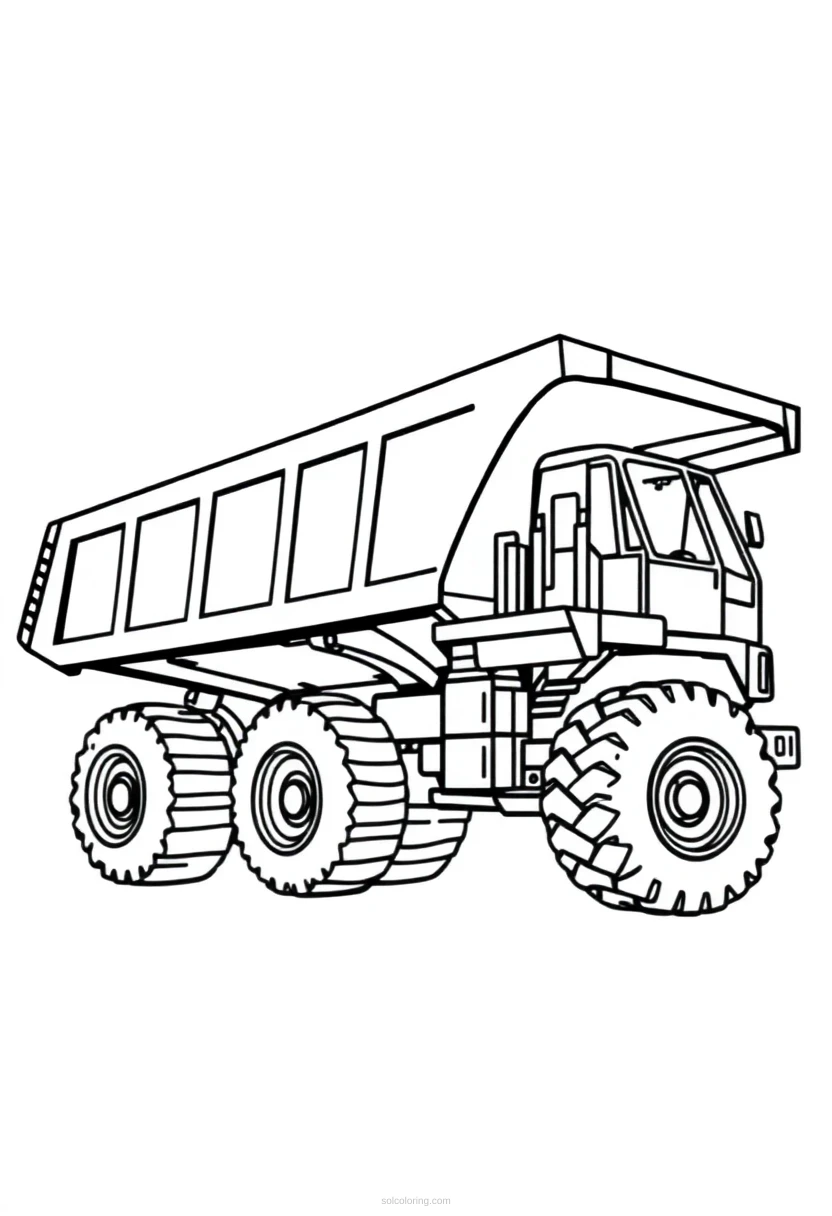
Tractor wheels are specially designed for farming work. The large, deep treads grip mud and dirt without getting stuck, while the wide tires spread the tractor's weight evenly across soft ground. This prevents the soil from getting too compacted, which keeps farmland healthy for growing crops year after year.
How long have tractors been used in farming?
The first steam-powered tractor appeared in the 1850s, but gasoline tractors became popular in the early 1900s. Before tractors, farmers relied on horses and oxen to plow fields, which was much slower and harder. Today's modern tractors can do the work of dozens of horses in a single day.
What makes tractors different from regular trucks?
Tractors are built specifically for farming, with a powerful engine, big wheels designed for rough terrain, and a hitch system to pull heavy farm equipment like plows and harvesters. Regular trucks are designed for road travel and carrying loads on smooth surfaces, making them less useful on muddy farms.
Are these Tractor Cute Cartoon coloring pages free?
Yes! All of our Tractor Cute Cartoon coloring pages are completely free to download and print. There are no hidden fees, subscriptions, or charges. Simply visit Sol Coloring, find your favorite free printable coloring page design, and start creating beautiful artwork whenever you want.
What age are these Tractor Cute Cartoon coloring pages for?
These Tractor Cute Cartoon coloring pages are designed for kids and adults aged 8 to 14. We offer different difficulty levels to match various skill levels. Younger children can enjoy simple designs with larger areas to color, while older artists can tackle more detailed versions with intricate patterns.