Heavy
Tractor Coloring Page
Standard style
About this coloring page
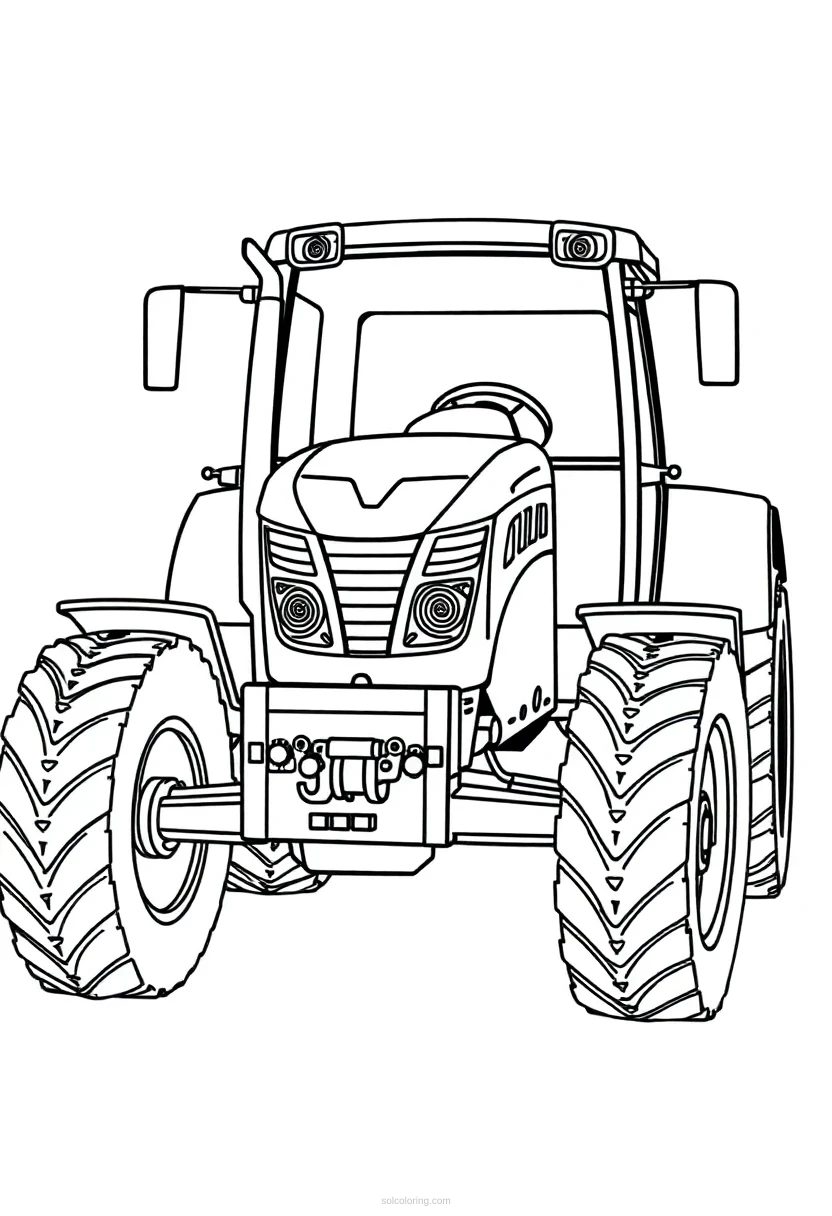
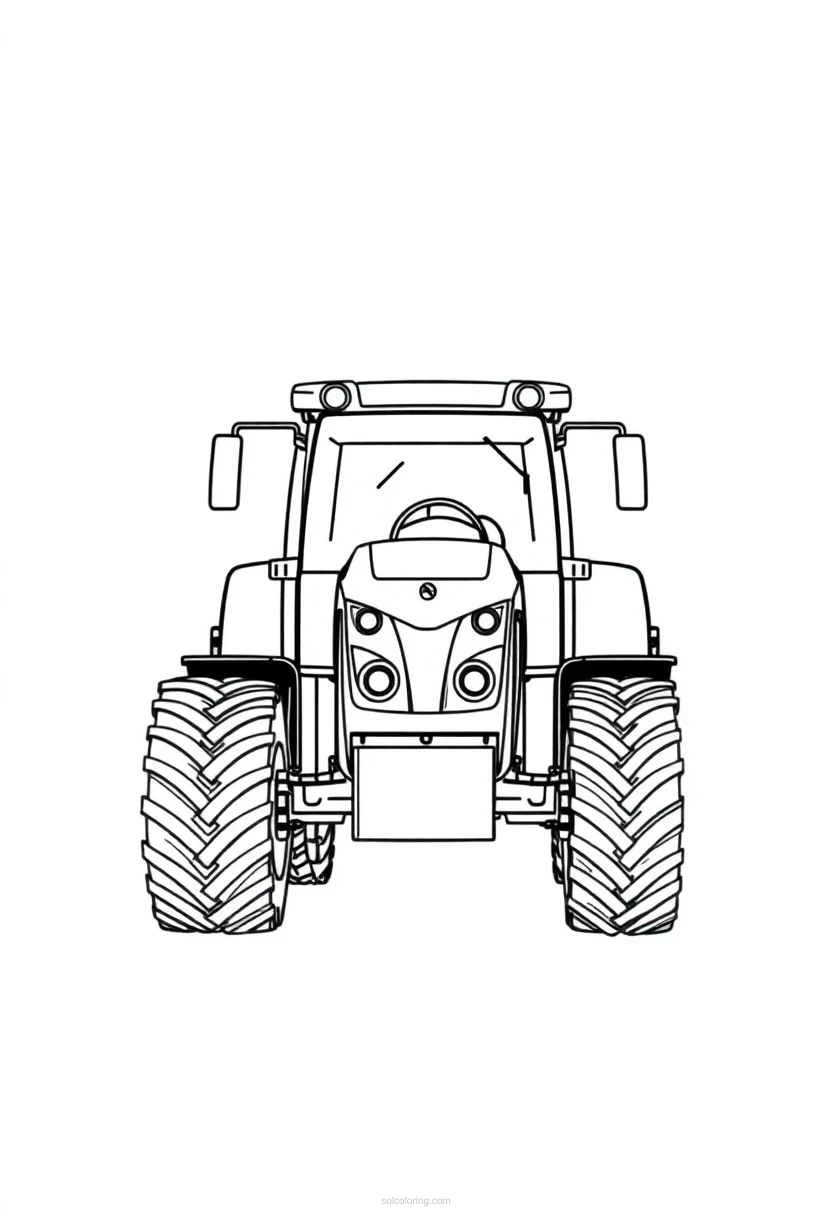
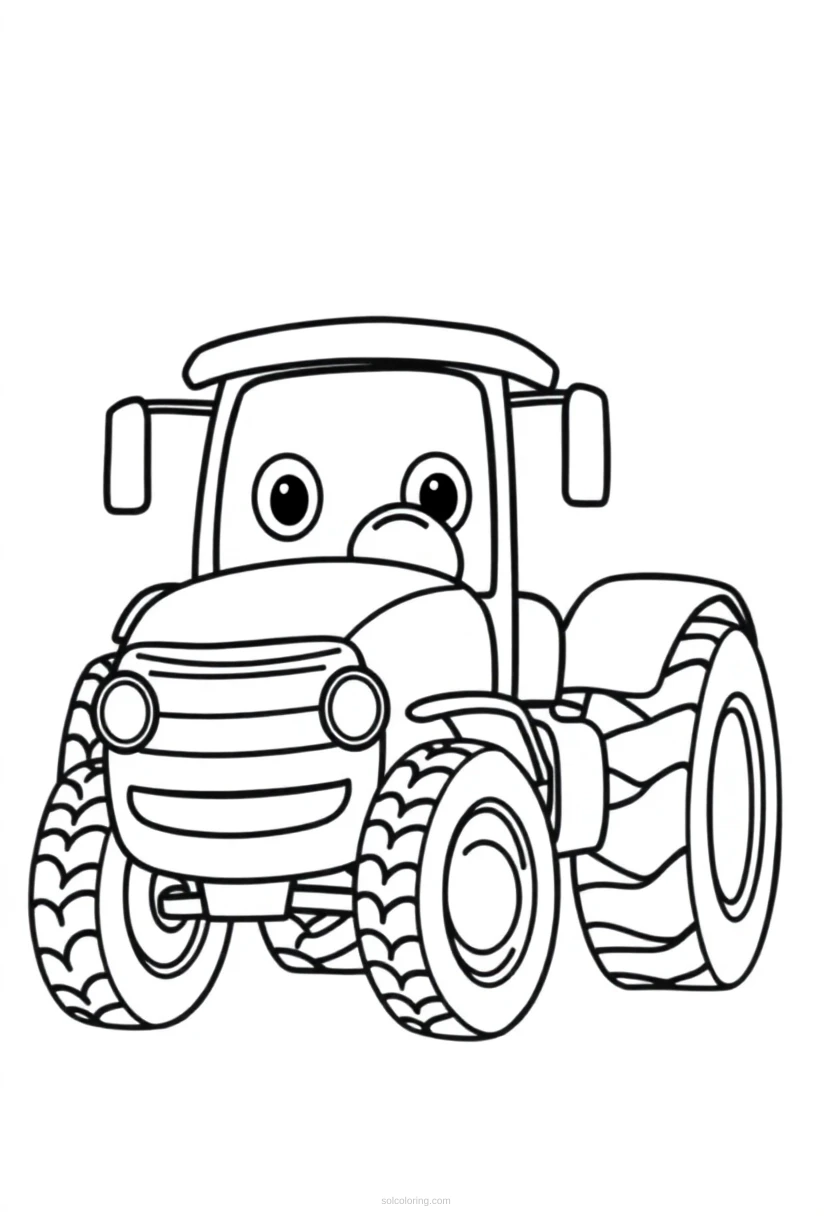
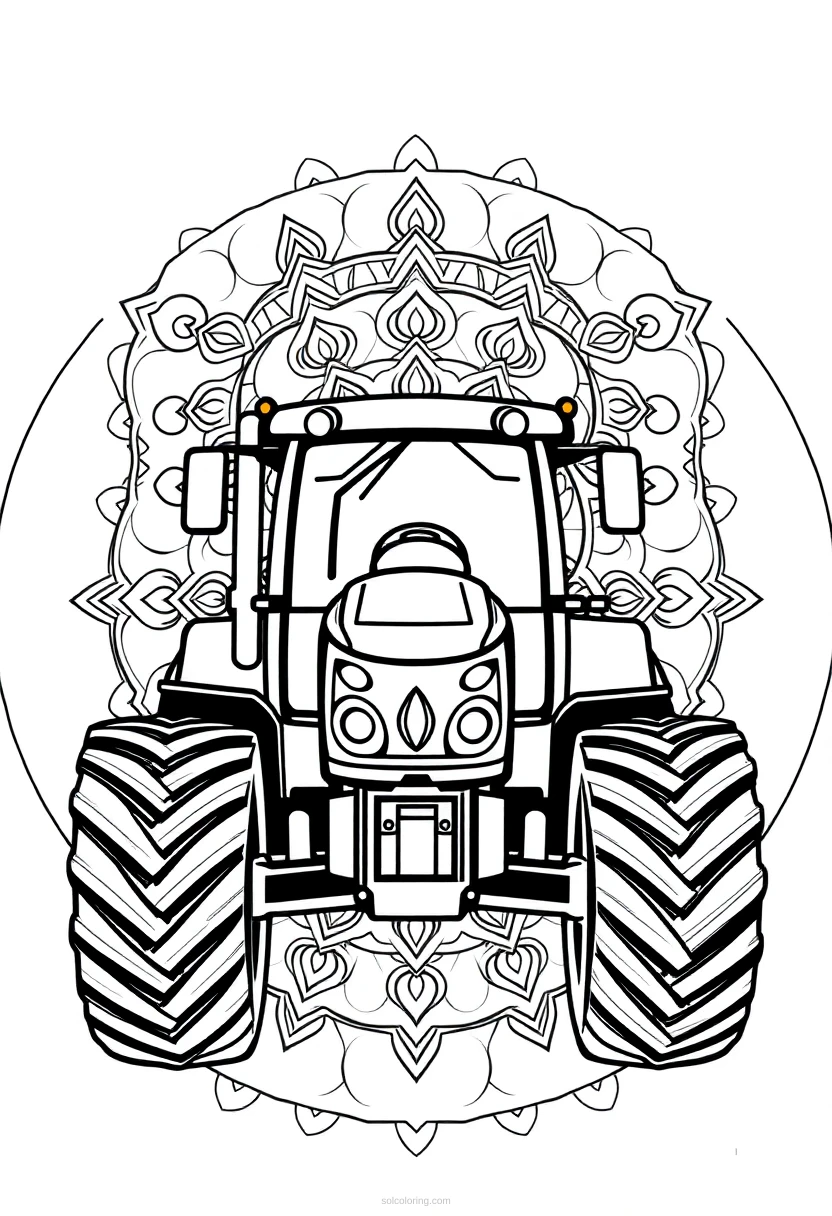
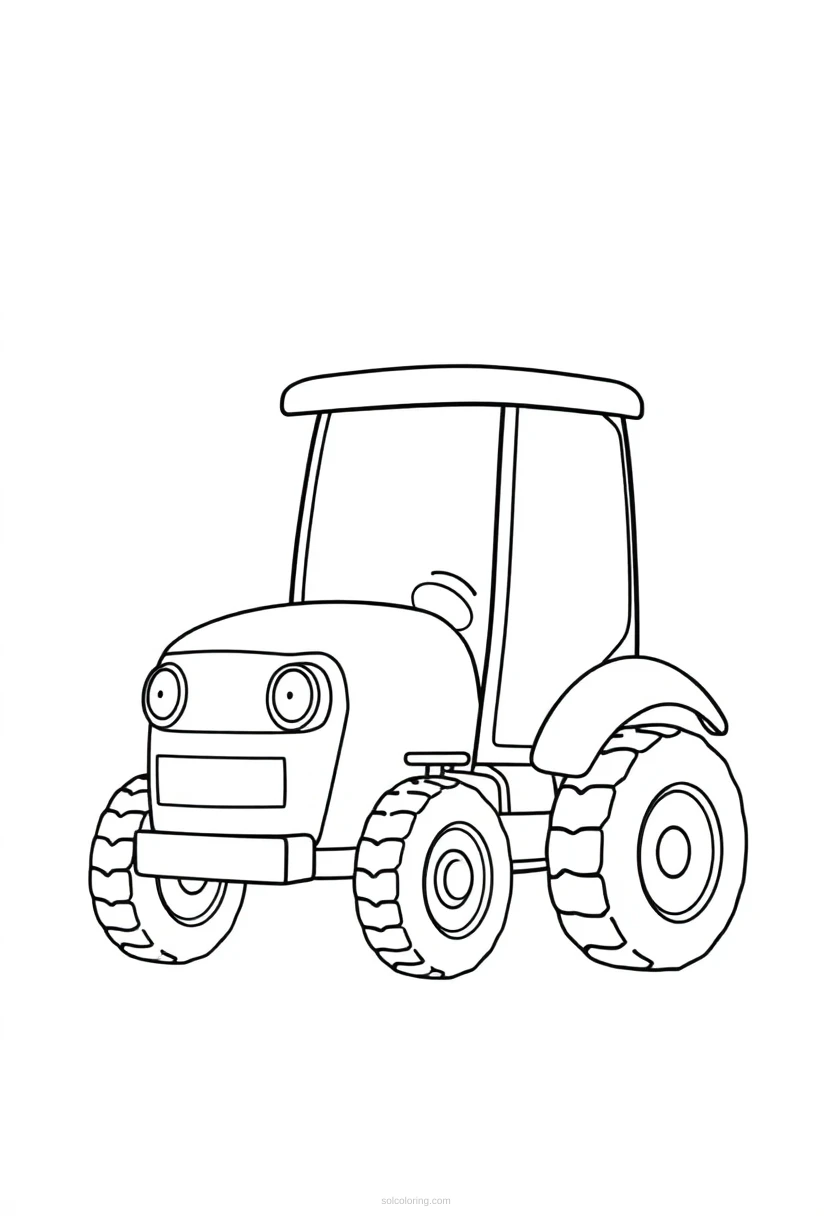
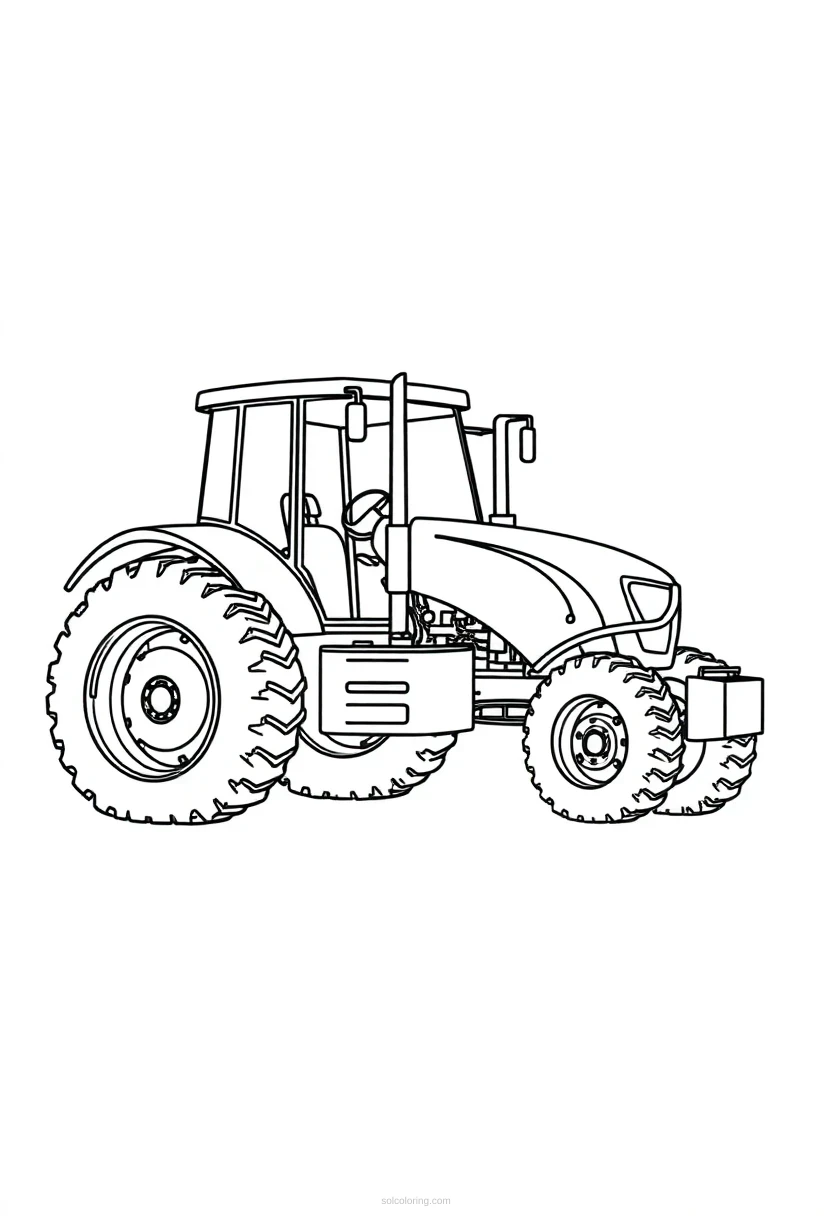
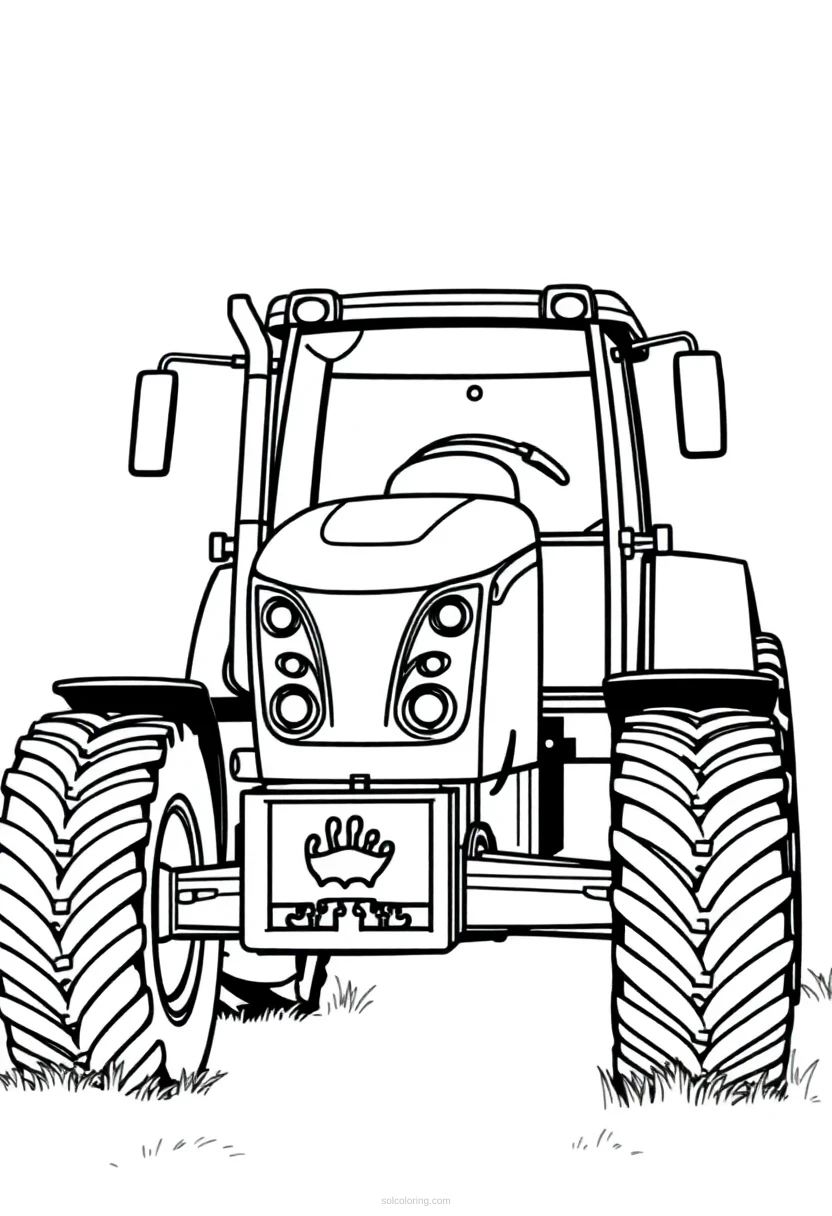
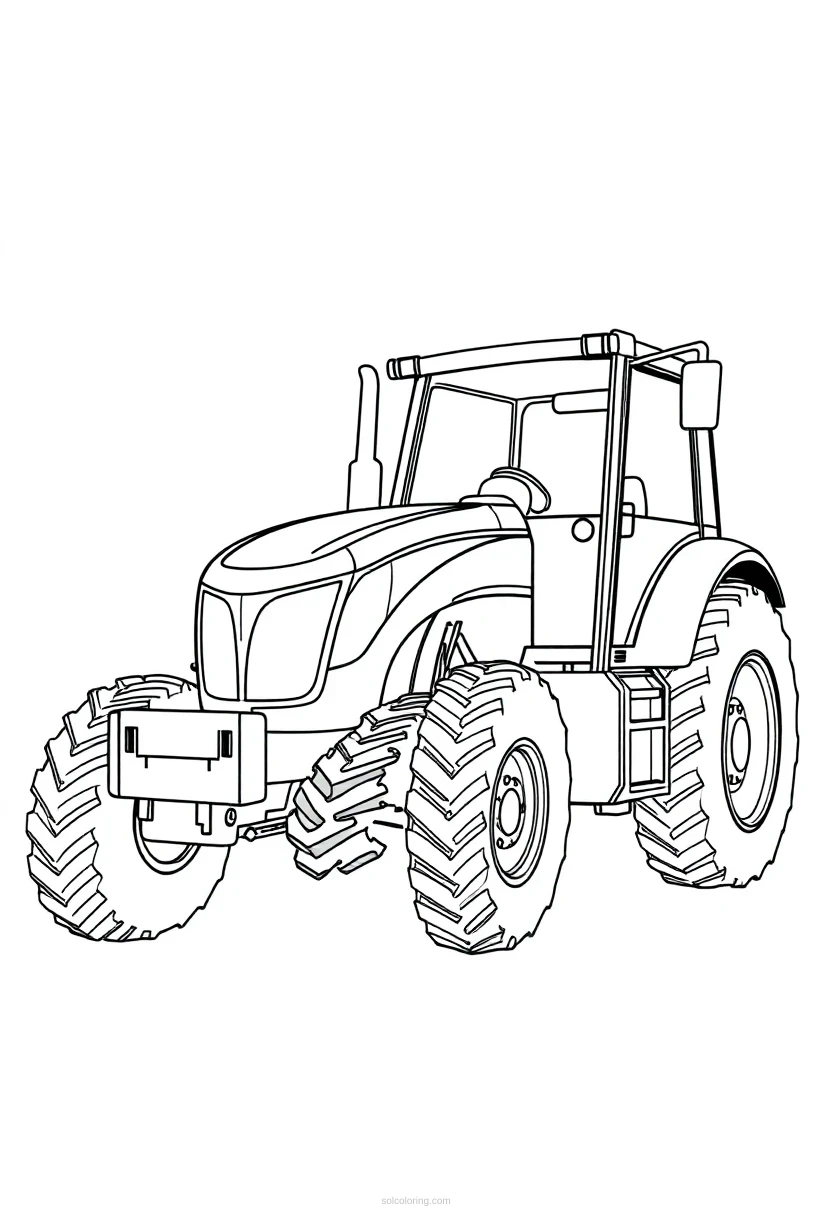
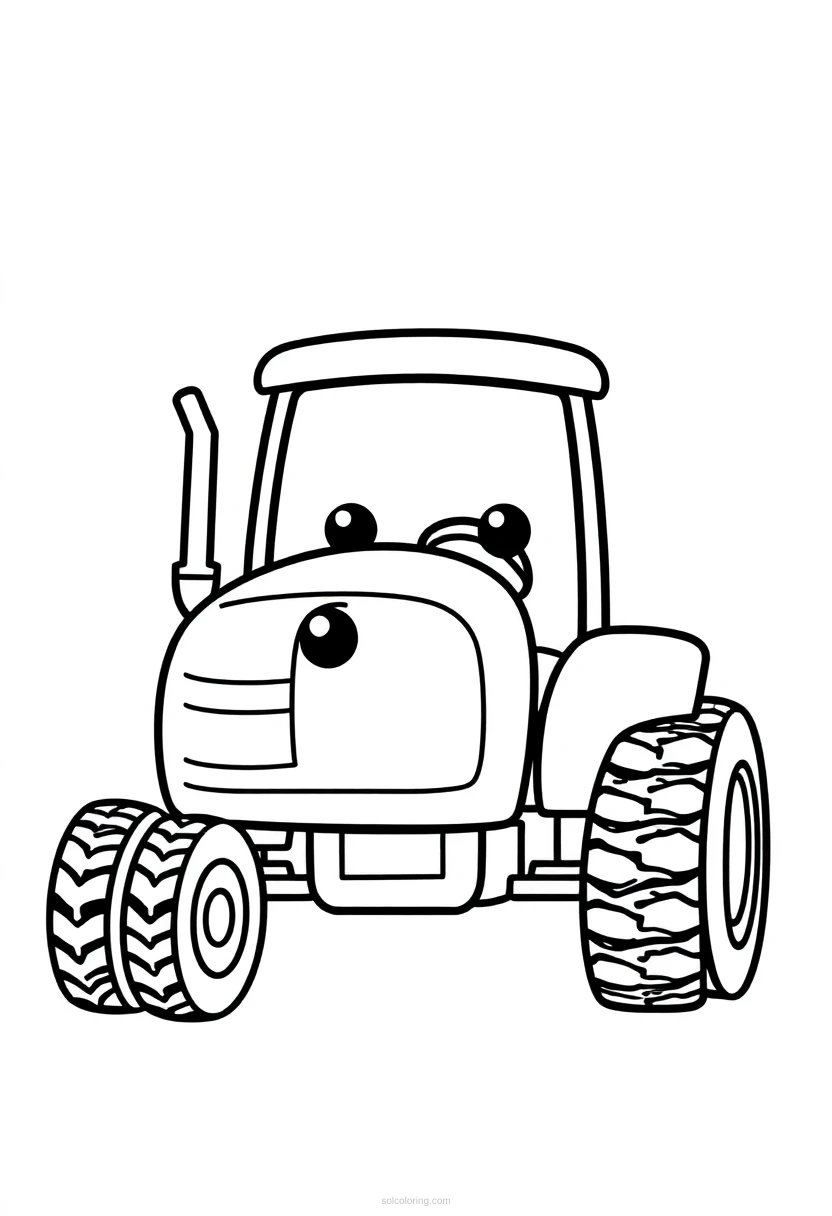
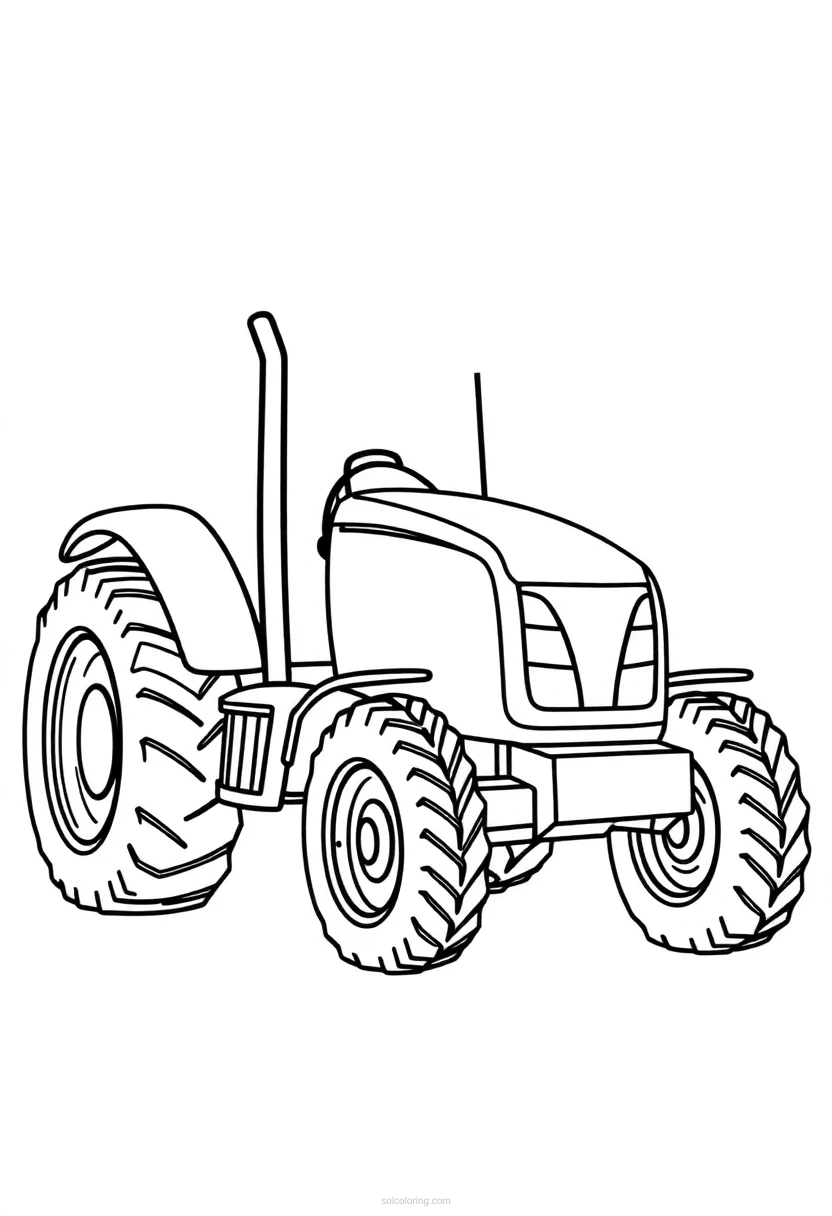
This delightful tractor coloring page features a friendly farm vehicle with bold, simple outlines that make it perfect for young artists. The design showcases a classic tractor with large wheels, a comfortable cab, and easy-to-color details that help children develop their creativity while learning about important farm machinery.
Frequently asked
What is the history of the tractor?
The first successful tractor was invented in 1892 by John Froelich in Iowa, using a gasoline engine instead of steam. Before this invention, farmers relied on horses and oxen for farm work. The tractor revolutionized agriculture by making farming faster, easier, and less dependent on animal labor, allowing one farmer to work much larger areas of land.
How do tractor engines work?
Most tractors use diesel engines, which burn fuel to create power. The engine has pistons that move up and down, converting fuel energy into mechanical power. This power transfers through a transmission to the wheels, allowing the tractor to move forward, backward, and turn. Modern tractors can also transfer power to attached equipment through a power takeoff shaft.
Why do tractors have such big wheels?
Large, deep-treaded wheels serve several important purposes. They provide extra grip in mud and soft soil, preventing the tractor from getting stuck. The size distributes the tractor's weight over a larger area, reducing soil compaction that can harm crops. Big wheels also help tractors navigate rough terrain and cross ditches more easily than smaller wheels would.
Are these Tractor Simple coloring pages free?
Yes, absolutely! All our coloring pages at Sol Coloring are completely free to download and print. There's no signup, subscription, or payment required. Simply visit our website, find the Tractor Simple coloring page, and print as many copies as you'd like for home or classroom use.
What age are these Tractor Simple coloring pages for?
Our Tractor Simple coloring page is designed for ages 8 to 14, though it's enjoyable for all ages. The simple line art makes it accessible for younger children, while older kids and adults appreciate the classic design. Different skill levels can add their own creative details and shading techniques.