Heavy
Tractor Coloring Page
Standard style
About this coloring page
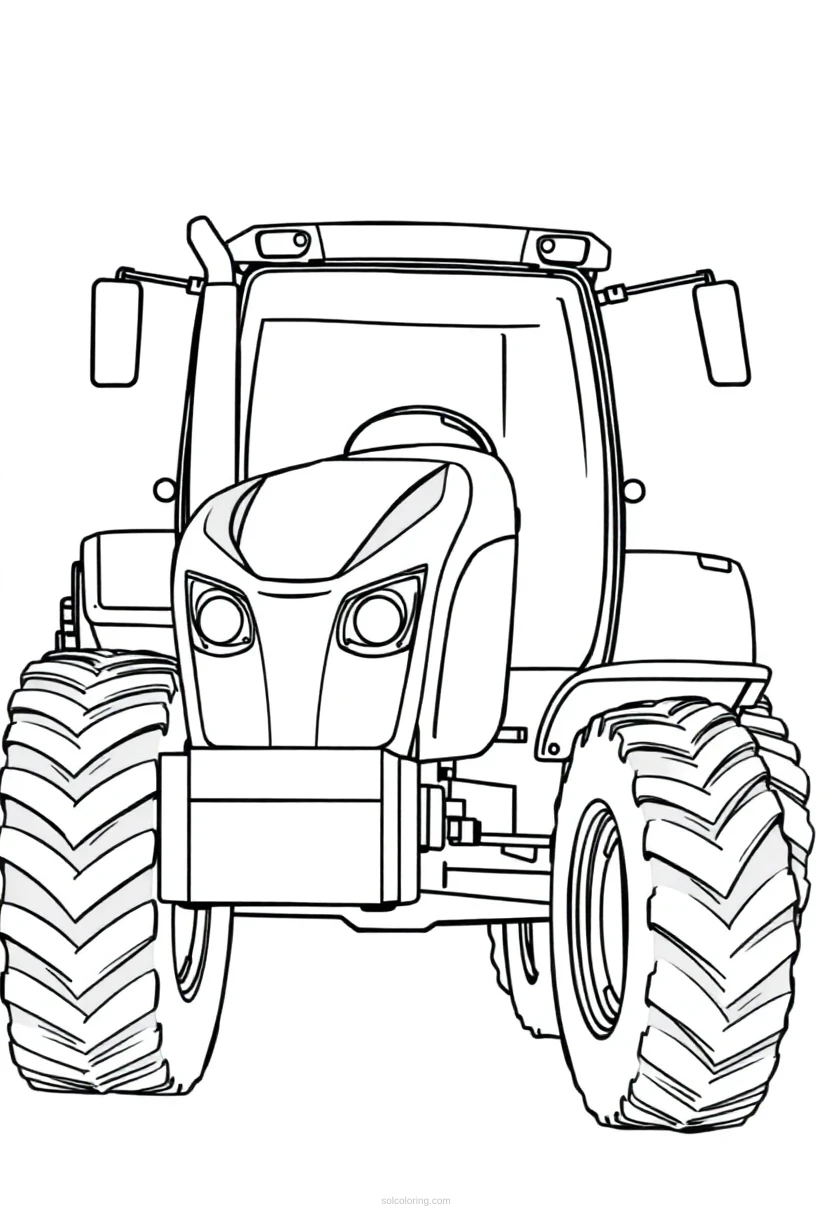
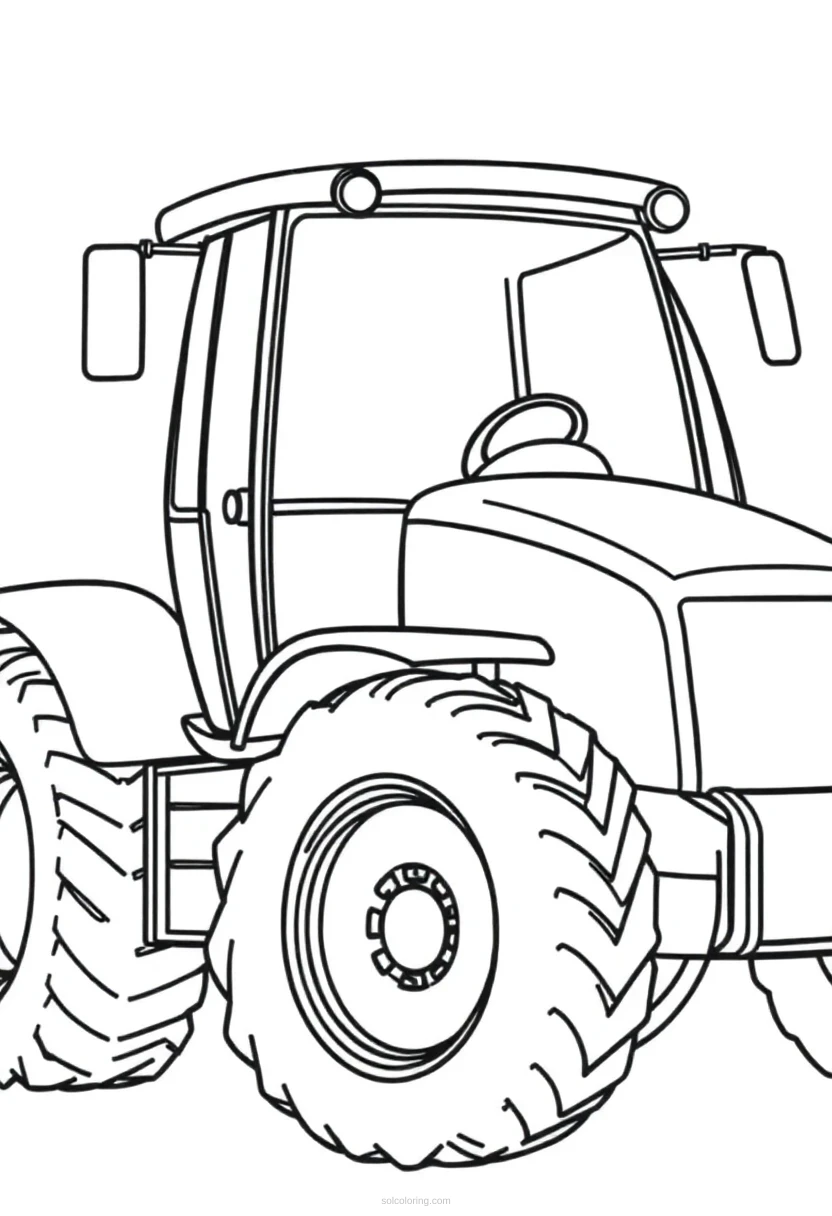
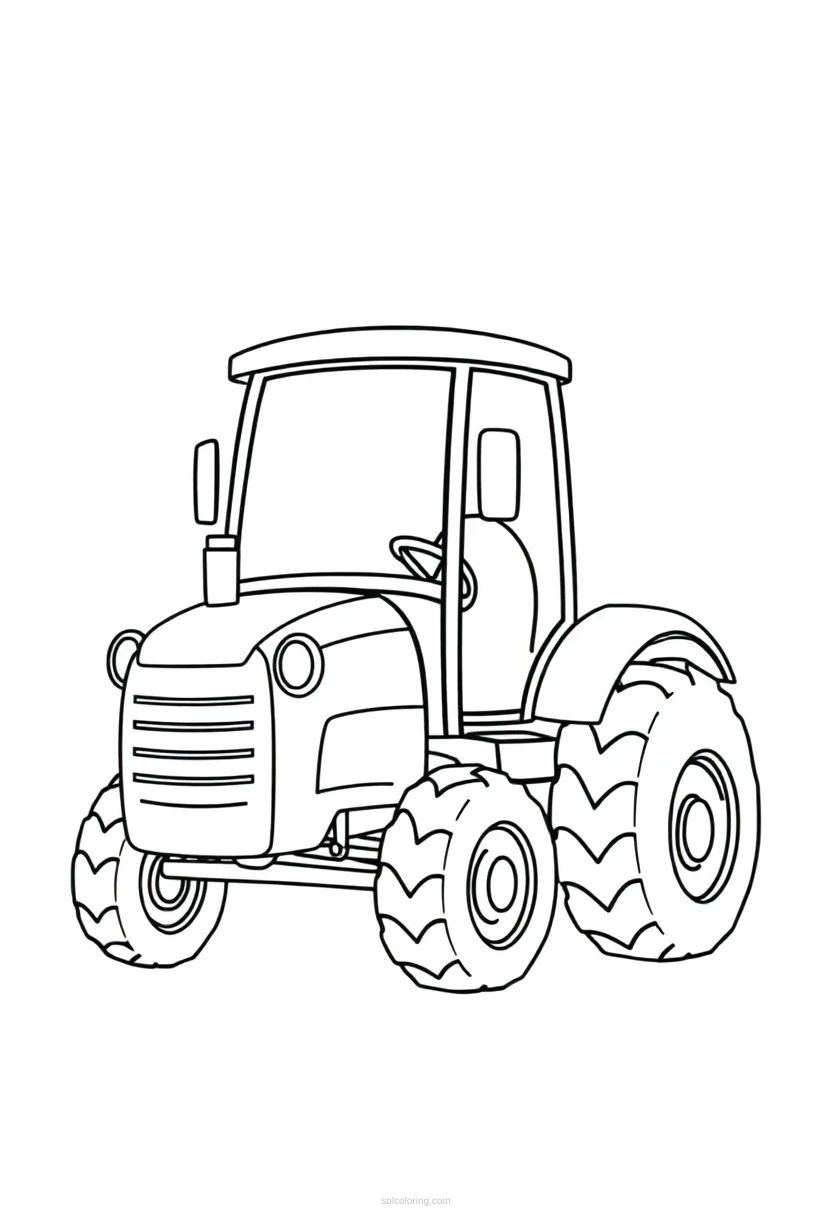
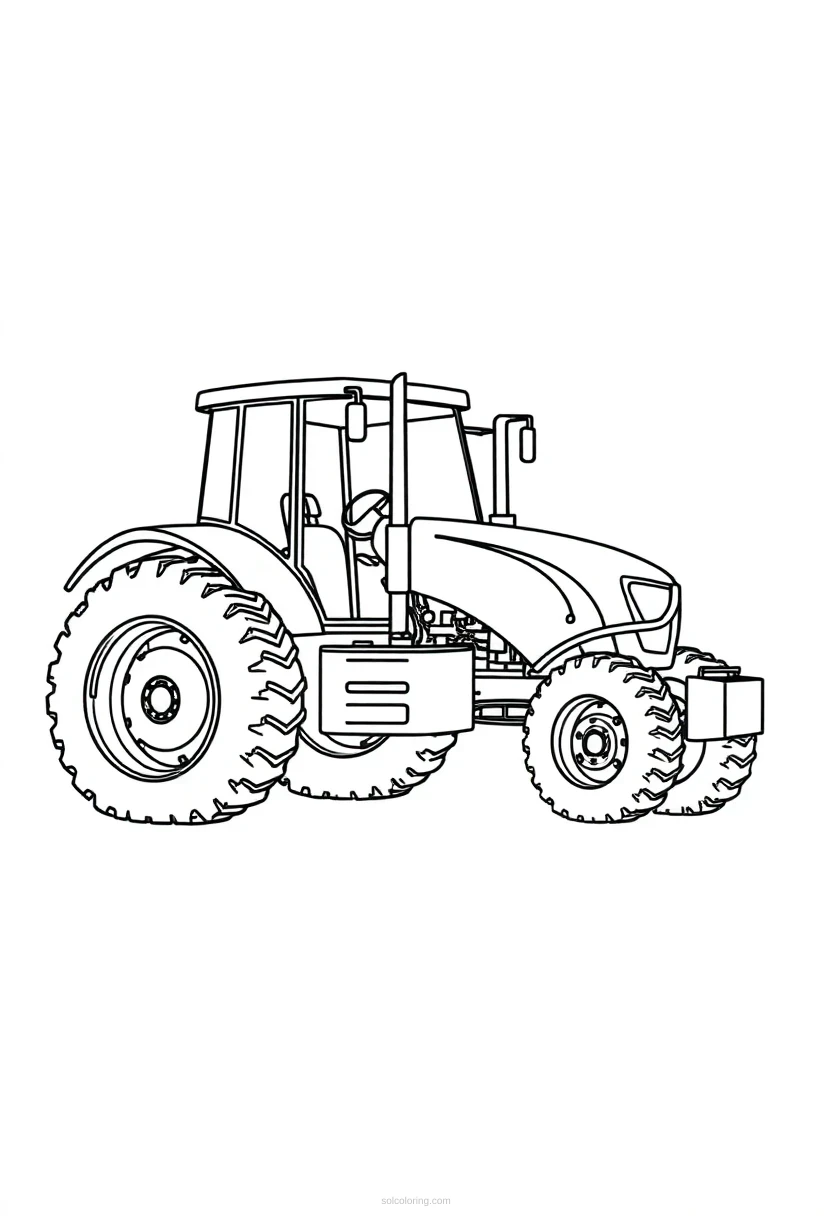
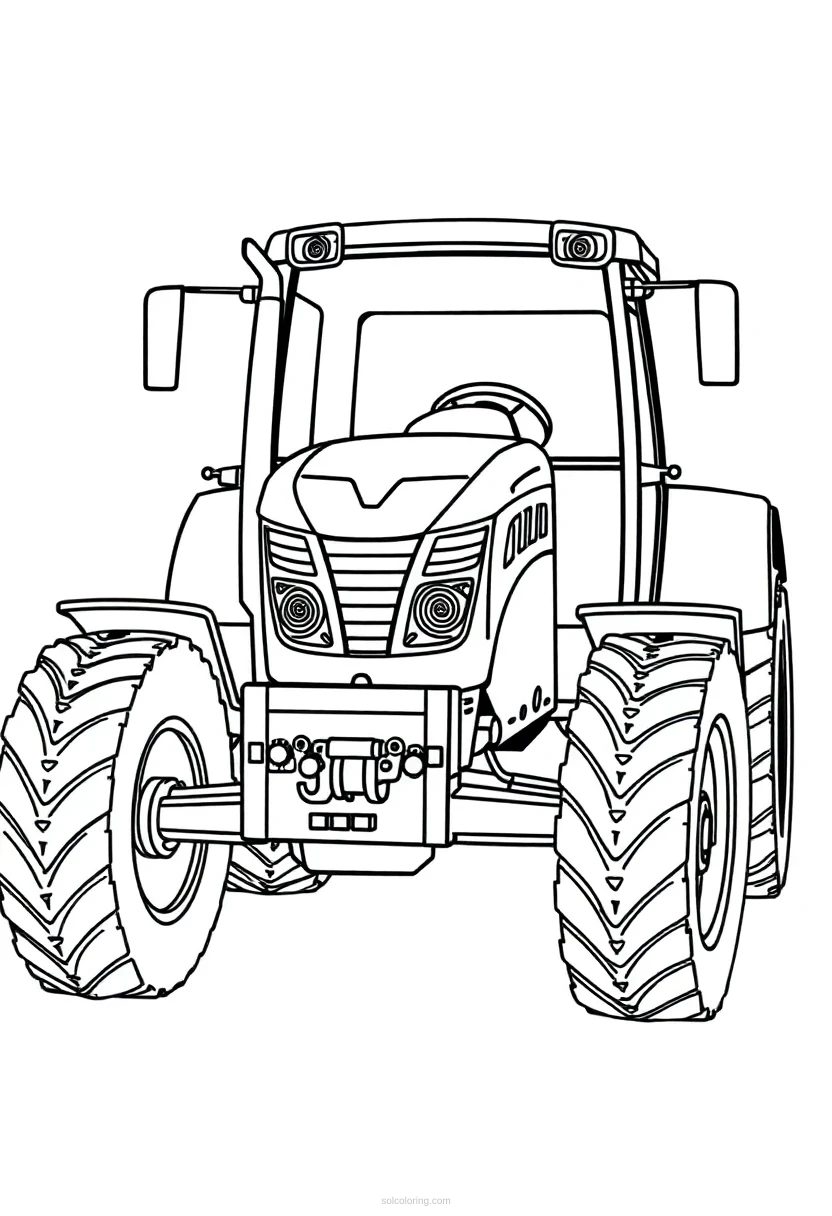
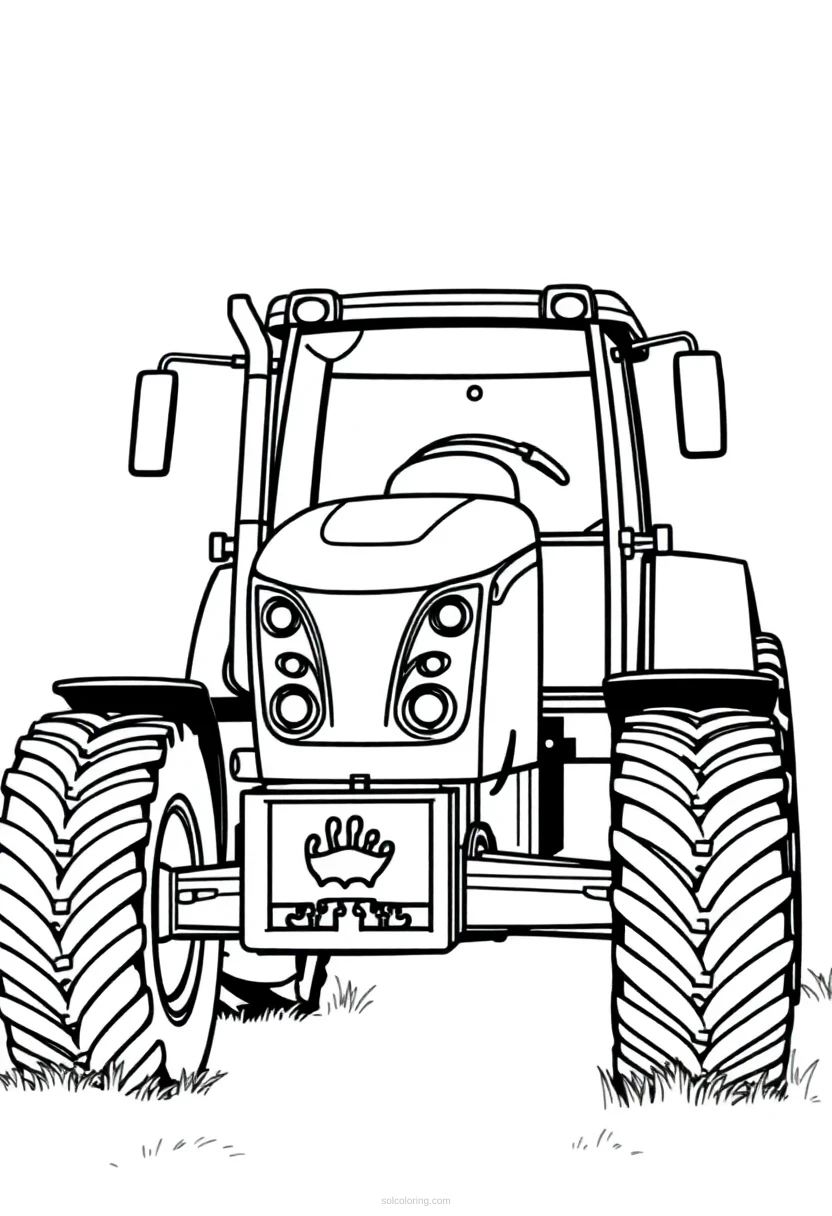
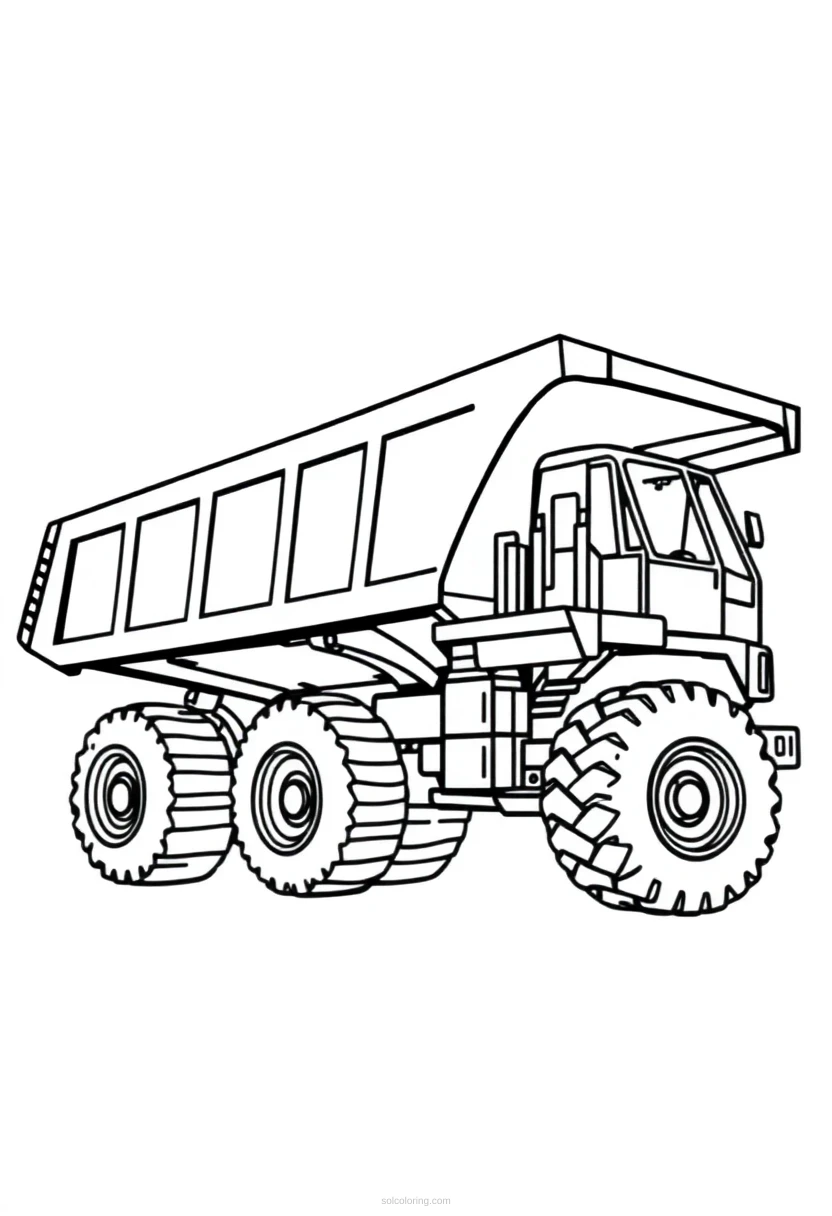
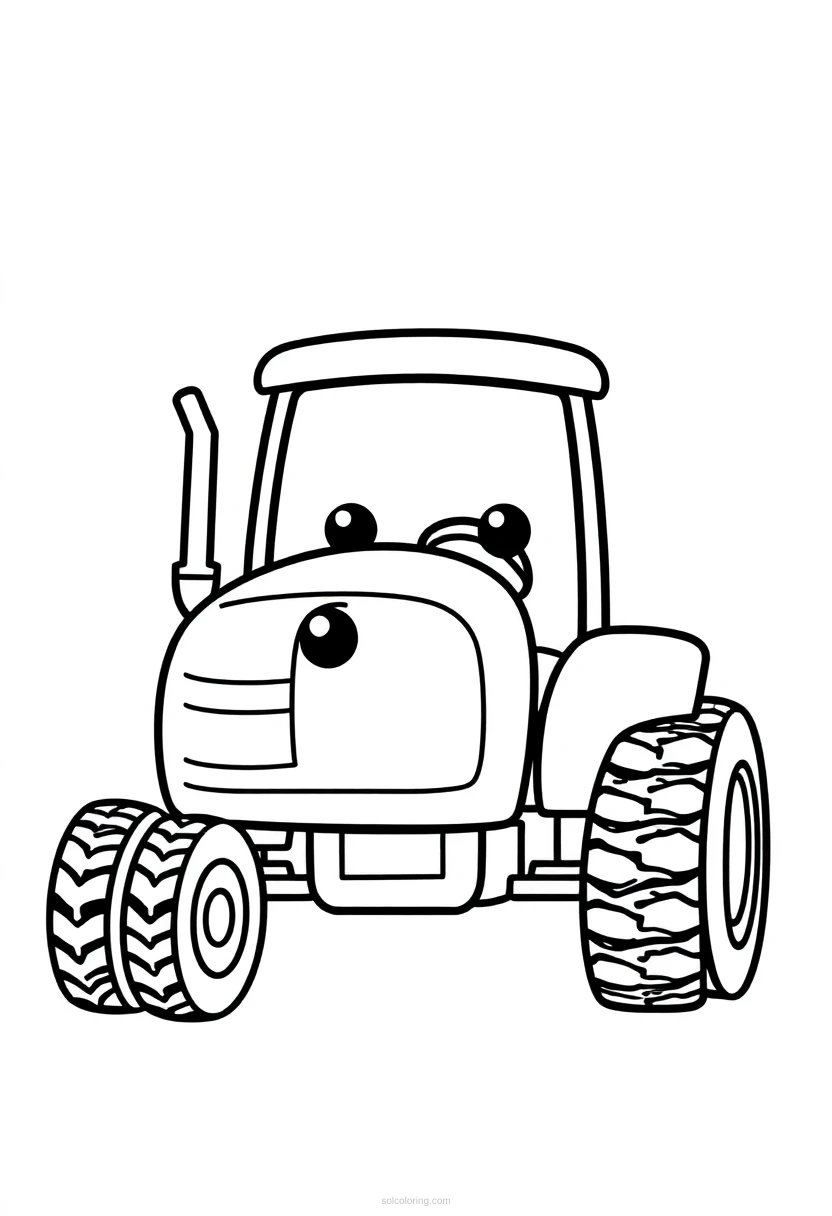
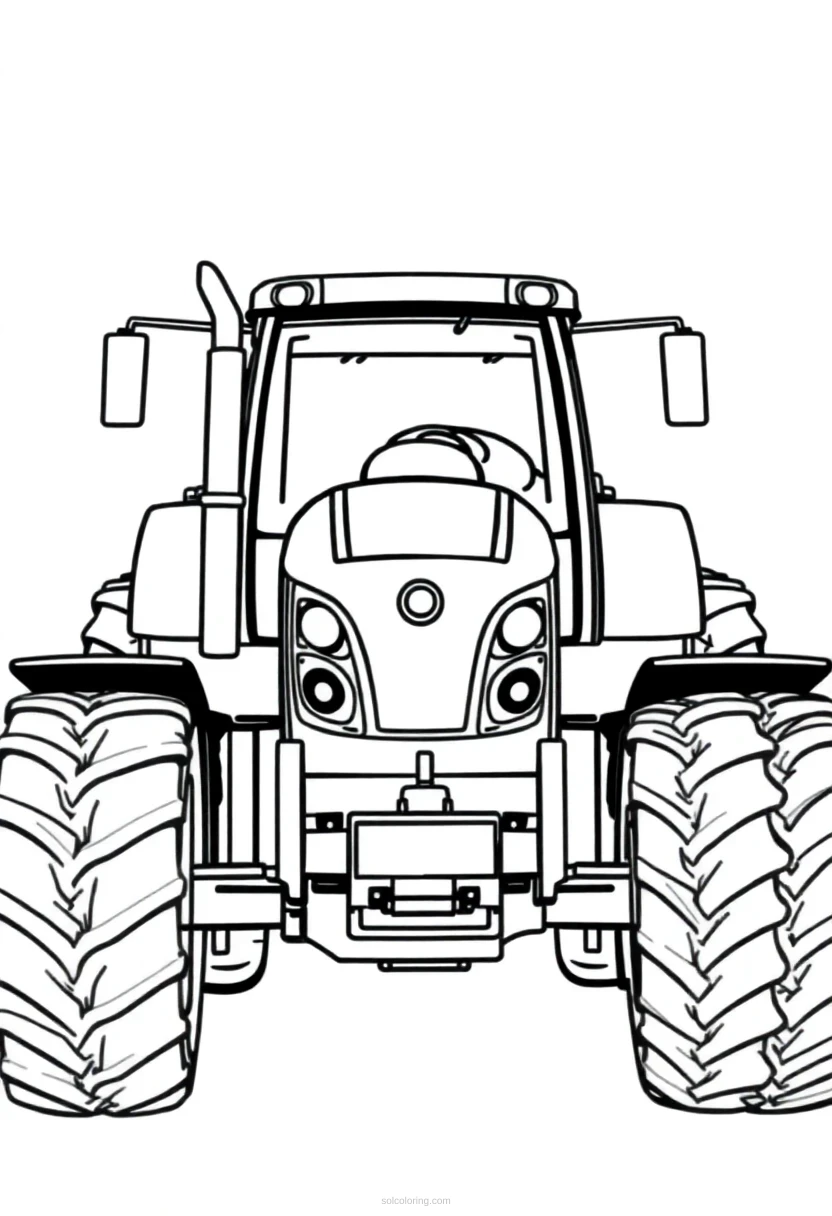
This realistic tractor coloring page showcases a detailed heavy farm vehicle with bold, clear outlines perfect for coloring enthusiasts of all ages. The design features authentic tractor elements including large wheels, cab details, and farming equipment attachments. Free to download and print, this transportation-themed coloring page offers an engaging way to explore agricultural machinery while developing fine motor skills.
Frequently asked
When were tractors first invented?
The first gasoline-powered tractor was built in 1892 by John Froelich, a farmer from Iowa. However, tractors didn't become widely popular until the early 1900s. The invention completely transformed farming, allowing farmers to do more work faster and with less physical strain than horses and manual labor.
How do tractors actually work?
Tractors use diesel or gasoline engines connected to a transmission that transfers power to the wheels. The large rear wheels provide traction and grip in muddy fields, while the engine's torque, or rotational force, allows tractors to pull incredibly heavy loads like plows and trailers without getting stuck.
Why do tractors have such big wheels?
Large rear wheels on tractors serve multiple purposes: they provide better traction in soft or muddy soil, distribute the tractor's weight over a larger area to prevent sinking, and create more ground clearance for crops. The size difference between front and rear wheels helps with steering and balance while working.
Are these Tractor coloring pages free?
Yes, absolutely! All tractor coloring pages on Sol Coloring are completely free to download and print. No signup, no hidden fees, no watermarks. Simply visit our site, select your favorite tractor design, download the PDF, and print as many copies as you need at home.
What age are these Tractor coloring pages for?
Our tractor coloring pages are designed for ages 8 to 14, with varying difficulty levels. Younger kids enjoy simpler designs with larger spaces, while older children can tackle detailed tractors with more intricate features and textures to color.