Transit
Steam Train Coloring Pages
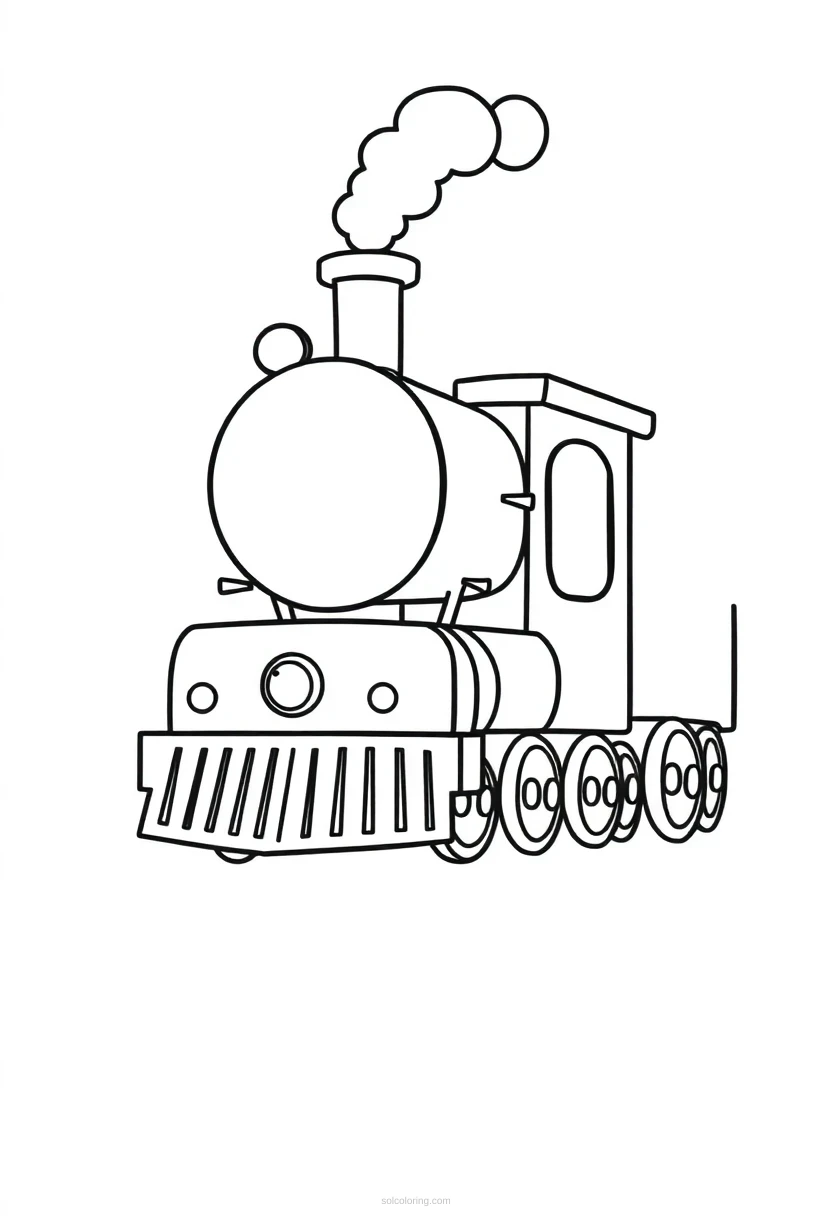
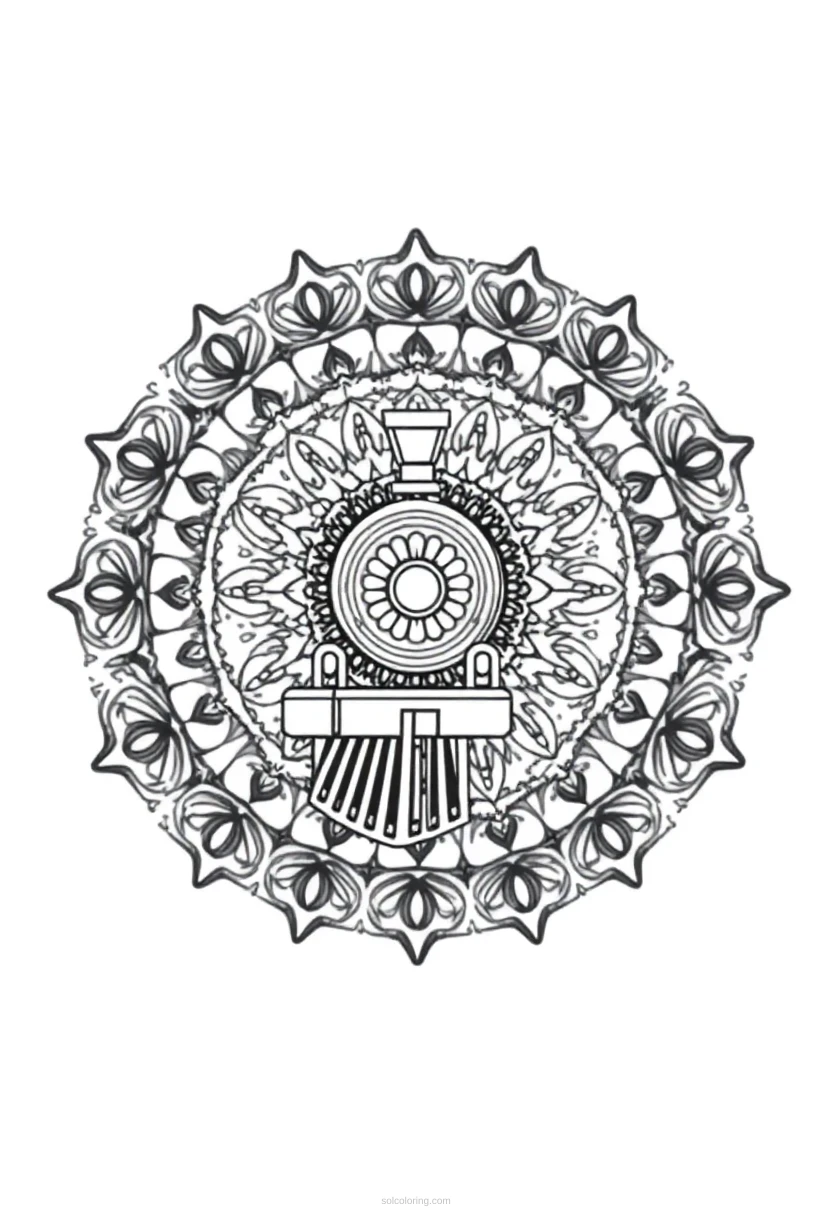
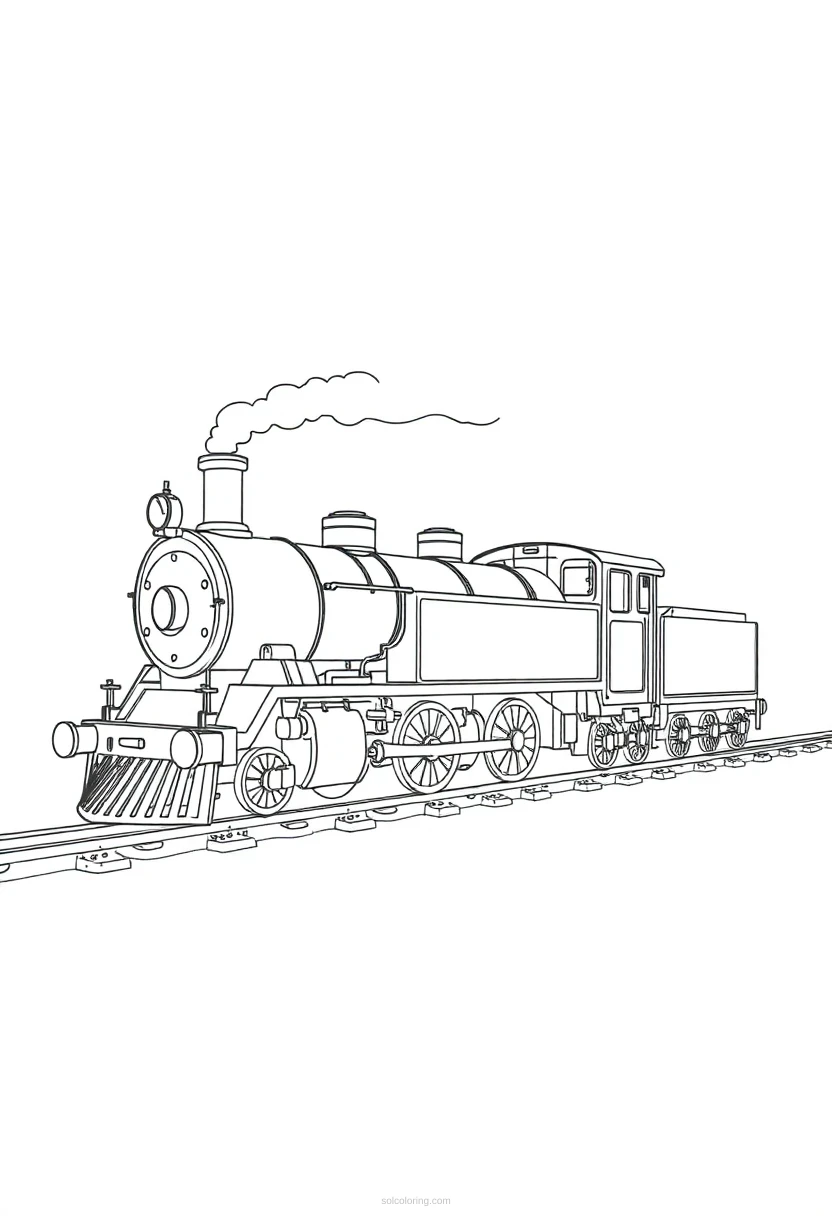
6 free printable designs including Standard, Standard, Standard, Standard and more.
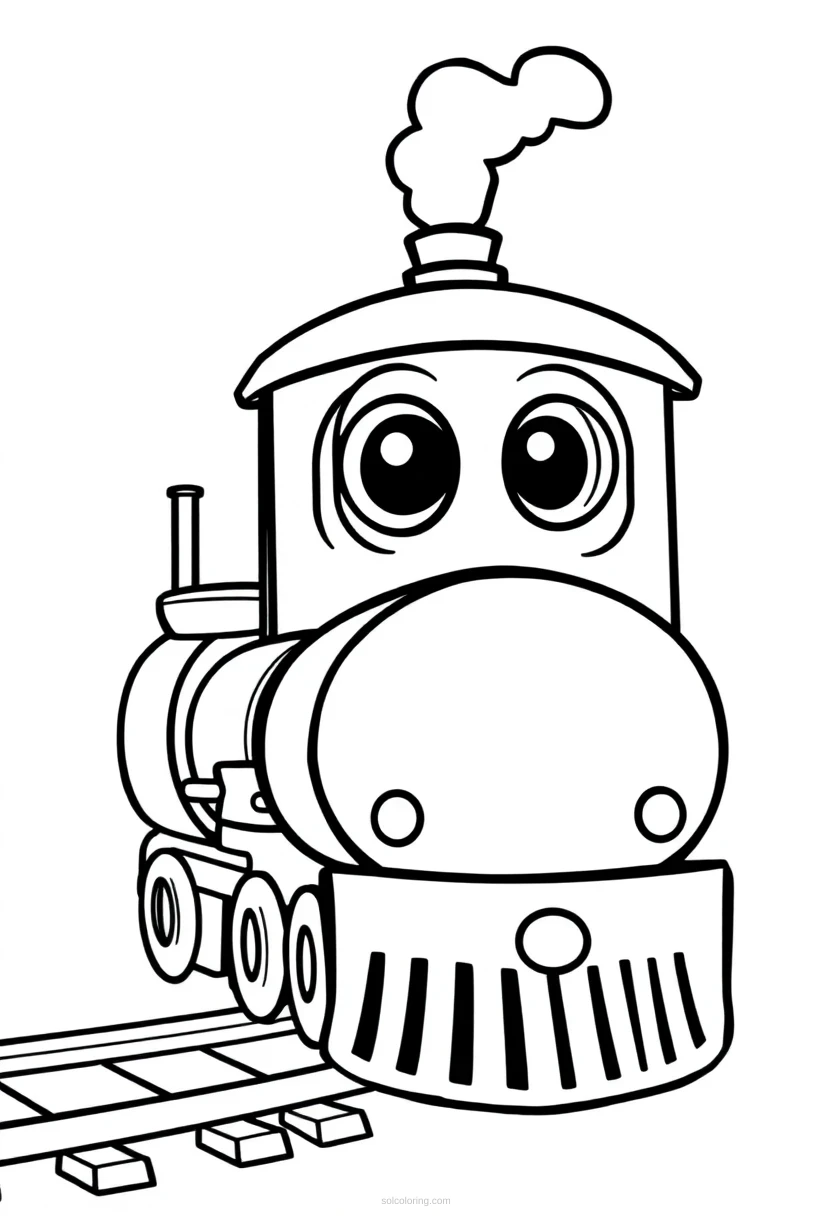
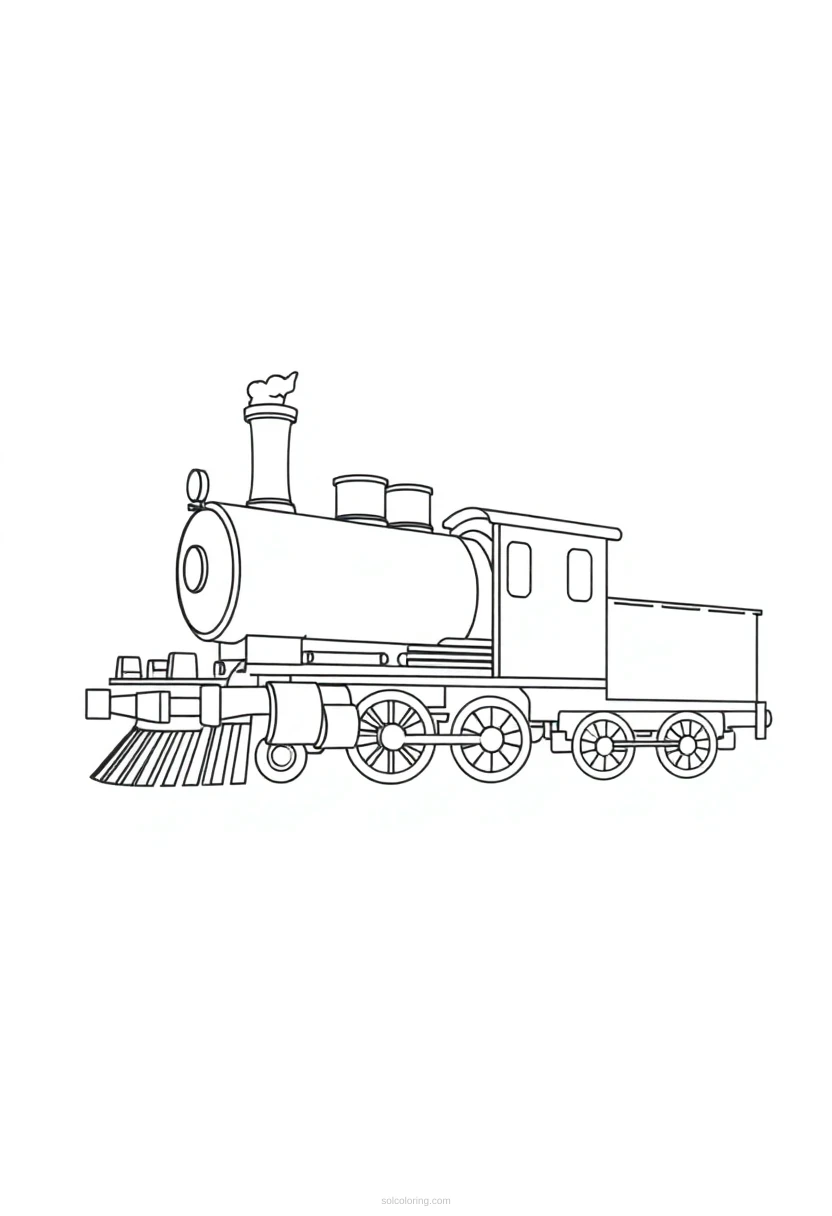
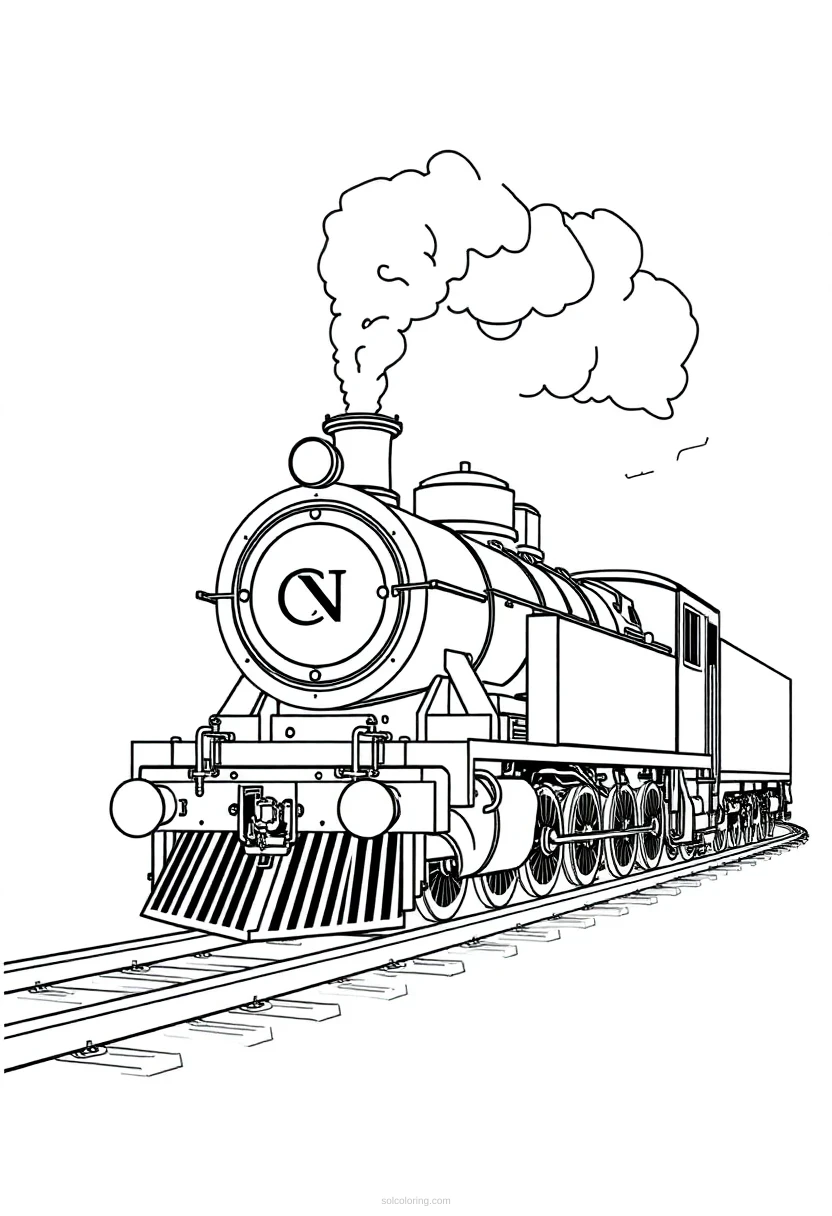
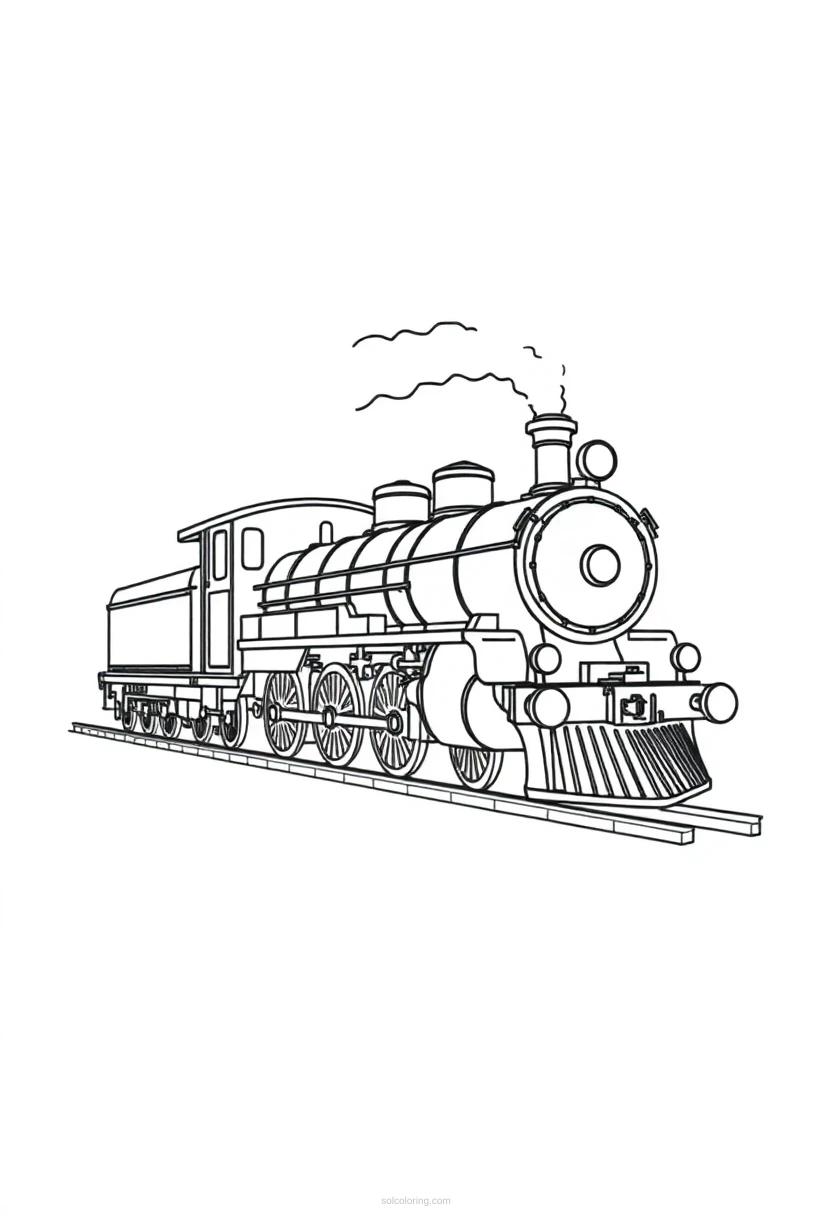
Steam trains are powerful locomotives that transformed transportation and industry during the 19th and 20th centuries. These magnificent machines used fire, water, and coal to create steam that powered their massive wheels, allowing them to carry passengers and cargo across entire continents. Steam trains became symbols of progress and adventure, inspiring writers, artists, and dreamers everywhere. Our free printable coloring page of steam trains lets you bring these incredible machines to life with your favorite colors. Whether you love history, engineering, or just the romance of rail travel, this free printable coloring page captures the majesty and power of these legendary locomotives.
Read more →Read less ↑
Choose a style
Did you know?
Fun facts about Steam Train
The Flying Scotsman, a famous British steam locomotive built in 1923, traveled over two million miles during its lifetime and can still run today.
Steam trains required a crew of three people: an engineer, a fireman, and a conductor, and they communicated using hand signals and whistle codes.
The largest steam locomotive ever built was the Big Boy, which weighed as much as 1,200 cars and could pull 110 freight cars up steep mountains.
Steam trains revolutionized mail delivery, allowing letters to travel across entire countries in days instead of weeks or months by horse.
A single steam locomotive could use 30 tons of coal and 10,000 gallons of water to travel just 100 miles.
About Steam Train
How did steam trains actually work and create power?
Steam trains burned coal in a firebox to heat water in a large boiler. The hot water turned into steam under high pressure. This steam pushed pistons back and forth, which connected to the wheels through rods, making them spin. The locomotive had to be refueled and refilled with water regularly at designated stations.
When was the first steam train invented and who created it?
The first successful steam locomotive was created by George Stephenson in 1825 in England. His locomotive, called the Locomotion, pulled the first public passenger railway between Stockton and Darlington. This invention changed transportation forever and sparked the Railway Age across Europe and America.
How fast could steam trains travel compared to other transportation at the time?
Steam trains could travel 30 to 50 miles per hour, which was incredibly fast for the 1800s. This was much faster than horses, wagons, or ships of that era. By the early 1900s, express trains reached speeds of 80 to 100 miles per hour, making them the fastest way to travel long distances.
What was it like to work on a steam train as an engineer or fireman?
Engineers and firemen had demanding, dangerous jobs. Firemen constantly shoveled coal and monitored water levels in extreme heat. Engineers controlled the train's speed and brakes. Both workers faced burns, smoke inhalation, and had to work long shifts in cramped, hot conditions. It required skill, strength, and courage.
Why did steam trains eventually get replaced by diesel and electric trains?
Diesel and electric locomotives were more efficient, required less maintenance, and didn't need constant refueling at water and coal stations. They were cleaner, faster, and could operate more reliably. By the 1960s, most countries had replaced steam trains on major routes, though heritage railways still operate them today.
Are steam trains still used anywhere in the modern world today?
Yes! Many heritage railways and tourist attractions operate restored steam trains for passengers who love history and nostalgia. Countries like India, China, and Australia still use a few steam locomotives for freight. These trains remind us of the incredible engineering and romance of the railway age.
More Transit coloring pages
Coloring page FAQs
Are these Steam Train coloring pages free?
Yes, all our Steam Train coloring pages are completely free to download and print. There are no hidden fees, subscriptions, or sign-ups required. Simply visit Sol Coloring, find the Steam Train design you like, download it as a PDF, and print it at home on standard paper.
What age are these Steam Train coloring pages for?
Our Steam Train coloring pages are designed for ages 8 to 14, with varying complexity levels. Younger children can enjoy simple designs with bold outlines, while older kids and teens can tackle detailed versions with intricate patterns and smaller sections for more advanced coloring skills.
How do I print these Steam Train coloring pages?
Printing is simple and requires no special skills. Download the PDF file to your computer, open it, and select print. Choose standard A4 or Letter size paper, check your printer settings, and hit print. No account or signup is necessary. You can print multiple copies anytime you want.