
Ancient Greece
Ancient Greek Amphitheater Coloring Pages
6 free printable designs including Standard, Standard, Standard, Standard and more.
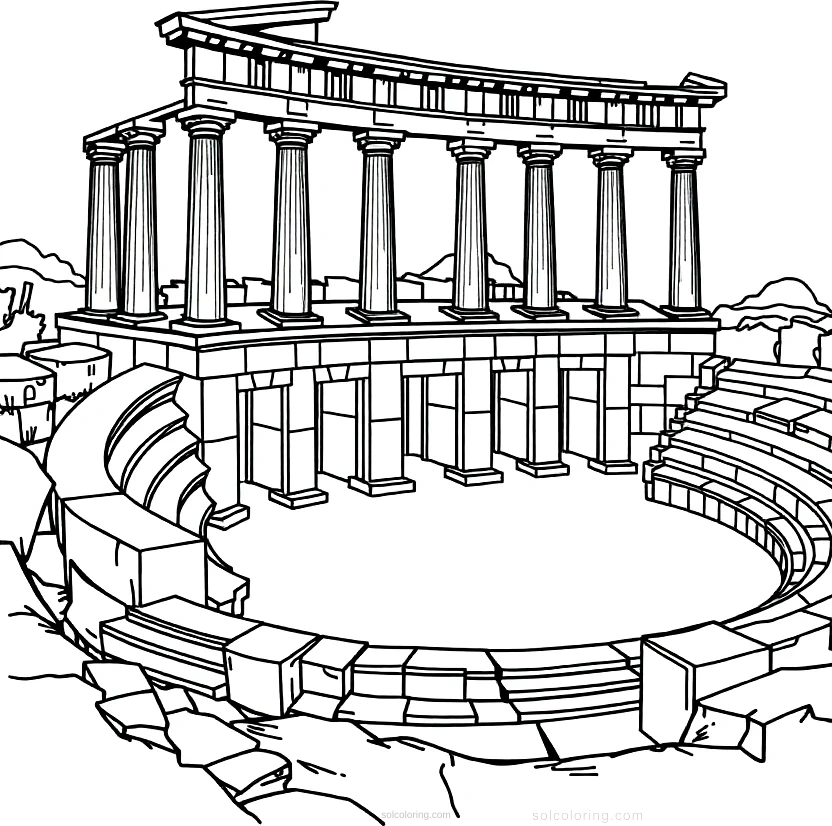
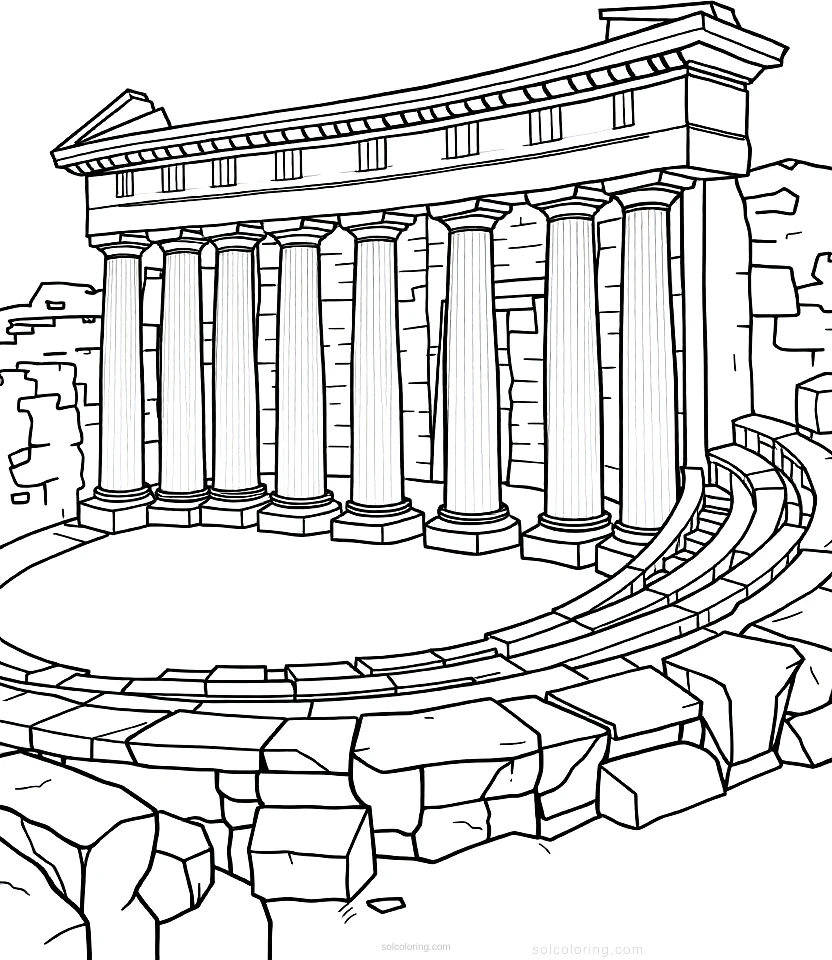
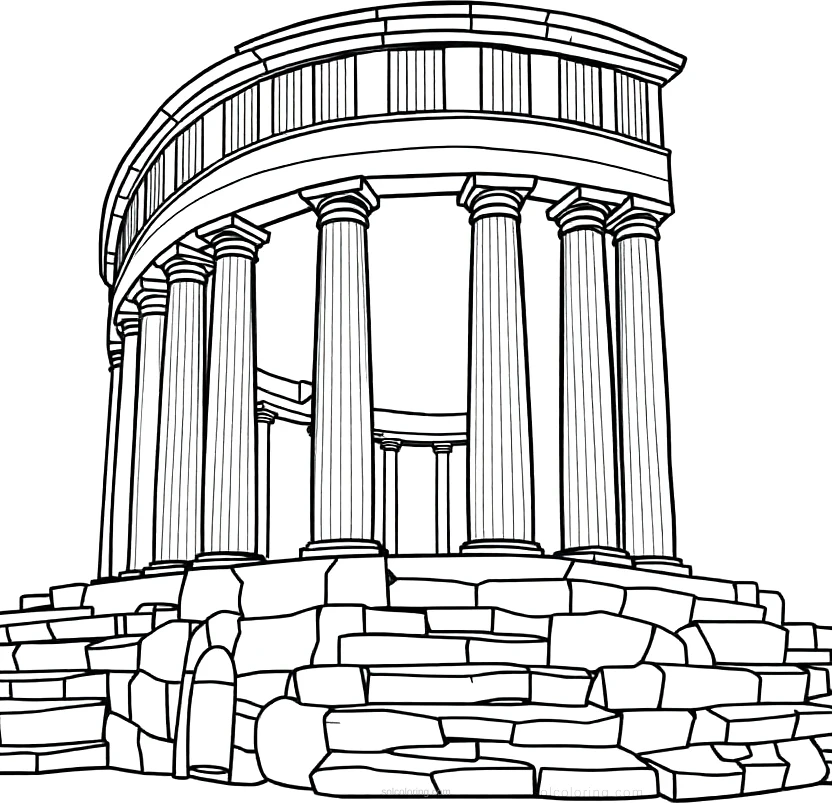
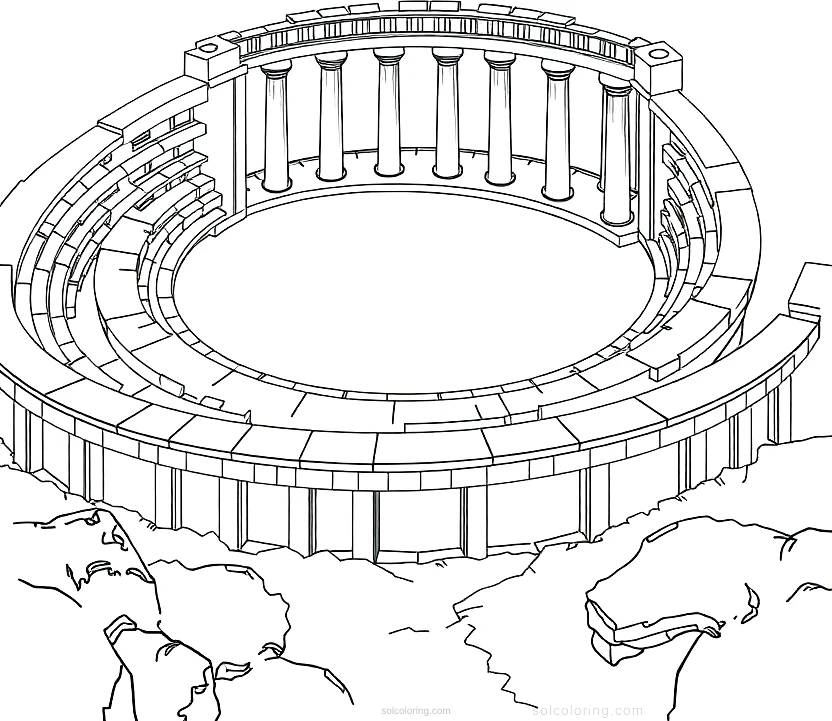
Step into the world of ancient Greece with these magnificent amphitheater coloring pages! Greek amphitheaters were incredible architectural marvels where thousands of people gathered to watch dramatic performances, religious ceremonies, and cultural events. These semicircular stone structures, built into hillsides, featured amazing acoustics that allowed actors' voices to reach every seat without microphones. The most famous amphitheater, the Theater of Dionysus in Athens, could hold up to 17,000 spectators! Our free printable coloring page captures the grandeur of these ancient venues, complete with tiered seating, ornate columns, and detailed architectural elements. Perfect for young historians and art lovers, this free printable coloring page brings ancient Greek culture to life while developing fine motor skills and creativity.
Read more →Read less ↑
Choose a style
Did you know?
Fun facts about Ancient Greek Amphitheater
The Theater of Epidaurus has such perfect acoustics that a coin dropped on stage can be heard clearly in the back row 180 feet away.
Greek actors wore large masks with exaggerated expressions to help audience members in distant seats see their emotions clearly.
The word 'theater' comes from the Greek word 'theatron,' which means 'a place for seeing.'
Greek amphitheaters were built without any mortar or cement, using precisely cut stones that fit together perfectly and still stand today.
The largest ancient Greek amphitheater at Megalopolis had a diameter of 470 feet, making it bigger than a modern football field.
About Ancient Greek Amphitheater
Where were Greek amphitheaters typically built?
Greek amphitheaters were usually built into natural hillsides to provide excellent views and acoustics. The sloped terrain helped create the semicircular seating arrangement, while the natural stone provided durable building materials for these impressive structures.
How did Greek amphitheaters achieve such amazing sound quality?
Greek architects designed amphitheaters with precise mathematical calculations for acoustics. The semicircular shape, stone materials, and specific angles allowed sound waves to bounce perfectly, ensuring even whispered words could reach the furthest seats clearly.
What types of performances happened in Greek amphitheaters?
Greek amphitheaters hosted tragedies, comedies, religious festivals, and competitions honoring gods like Dionysus. Famous playwrights including Sophocles, Euripides, and Aristophanes premiered their works in these venues, creating the foundation of modern theater.
How many people could the largest Greek amphitheaters hold?
The largest Greek amphitheaters could accommodate between 15,000 to 20,000 spectators. The Theater of Dionysus in Athens held about 17,000 people, while the later Theater of Megalopolis could seat approximately 20,000 ancient Greeks.
What architectural features made Greek amphitheaters special?
Greek amphitheaters featured tiered stone seating called the theatron, a circular performance area called the orchestra, and a building behind the stage called the skene. Intricate columns, decorative friezes, and marble details showcased Greek artistic mastery.
Do any ancient Greek amphitheaters still exist today?
Yes! Many Greek amphitheaters survive today, including the well-preserved Theater of Epidaurus, which still hosts performances. The Acropolis Theater in Athens and dozens of other sites across Greece continue to showcase ancient architectural brilliance.
More Ancient Greece coloring pages
Coloring page FAQs
Are these Ancient Greek Amphitheater coloring pages free?
Yes! All our Ancient Greek Amphitheater coloring pages are completely free to download and print. No subscription fees, hidden costs, or registration required to access these educational resources.
What age are these Ancient Greek Amphitheater coloring pages for?
These coloring pages are designed for ages 8 to 14, featuring detailed architectural elements perfect for developing fine motor skills while learning about ancient Greek culture and history.
How do I print these Ancient Greek Amphitheater coloring pages?
Simply click the download button, save the PDF file, and print on standard A4 or Letter paper using any home printer. No account signup or special software needed.