Ancient Greece
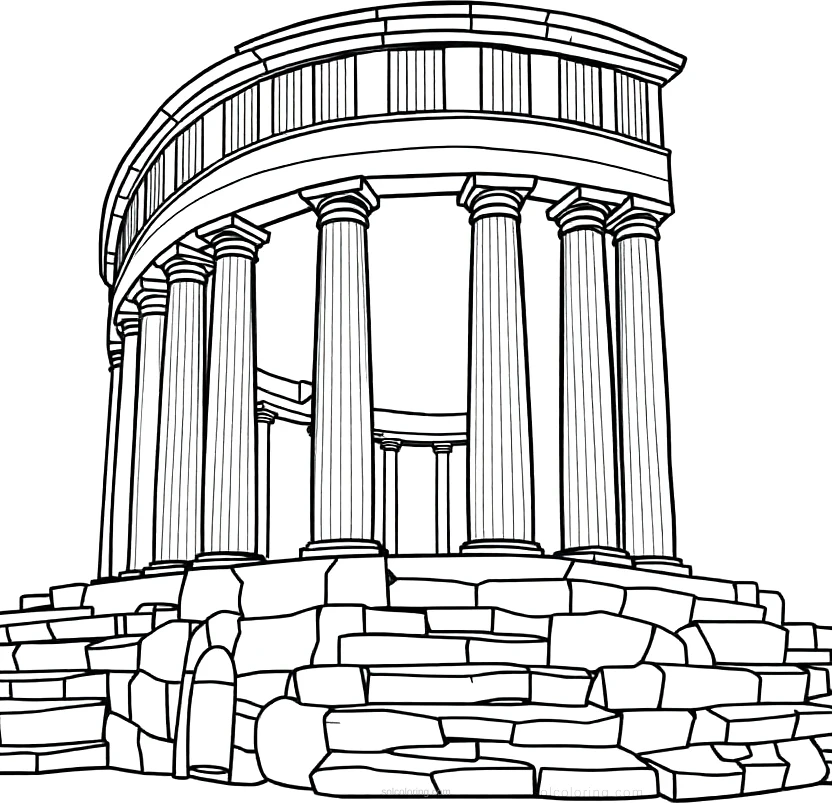
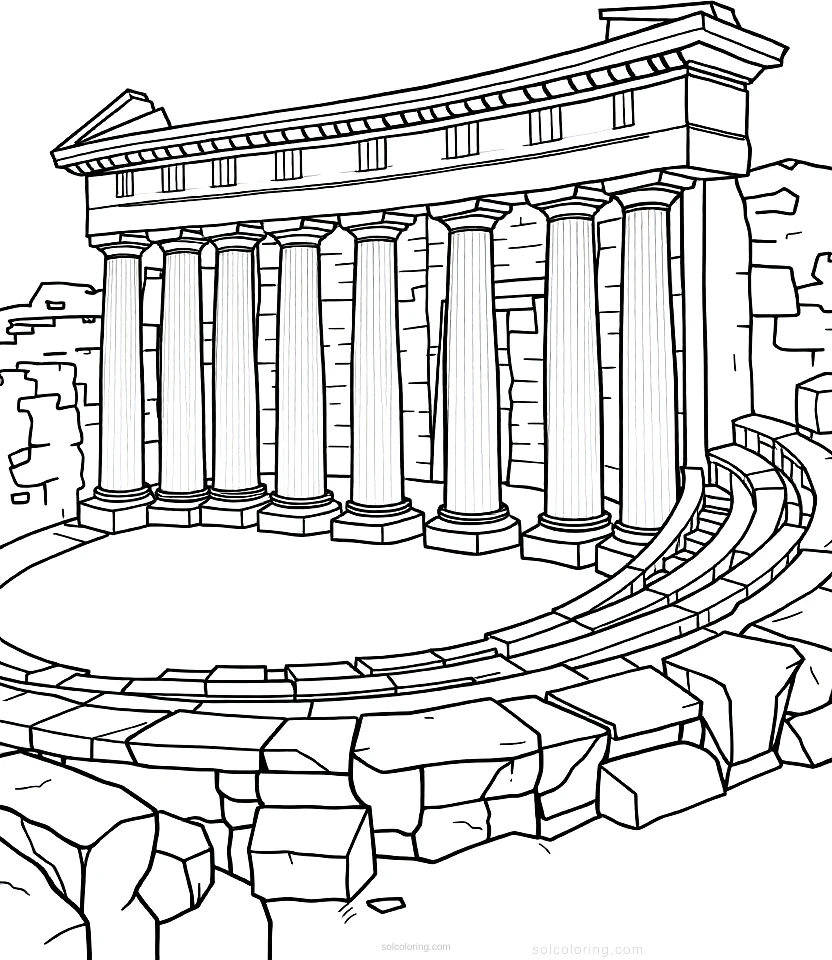
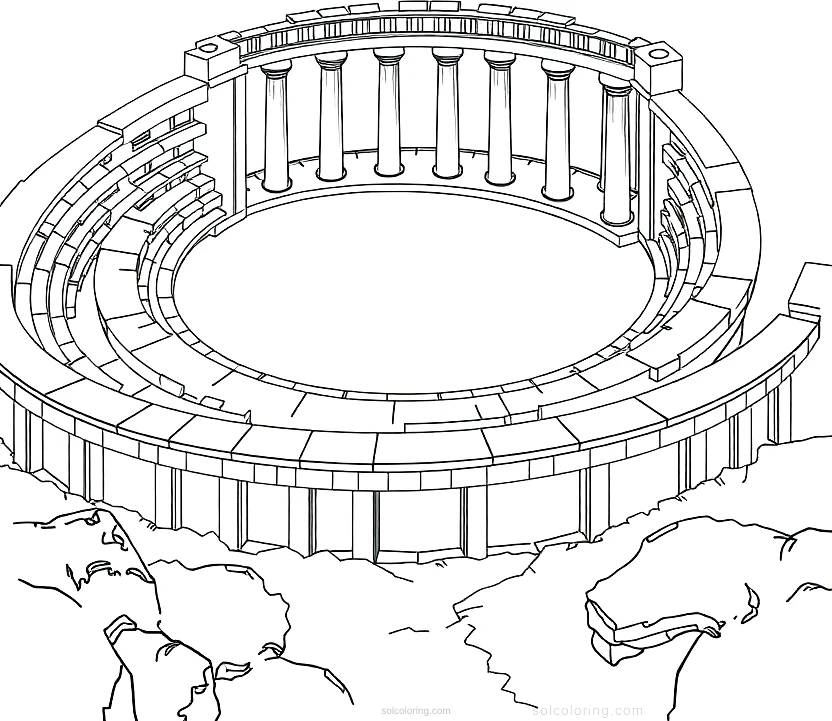
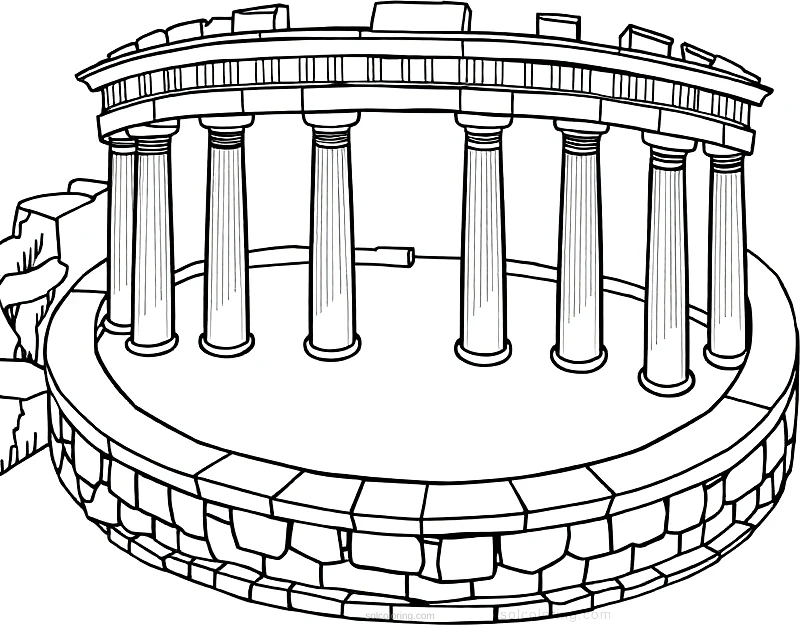
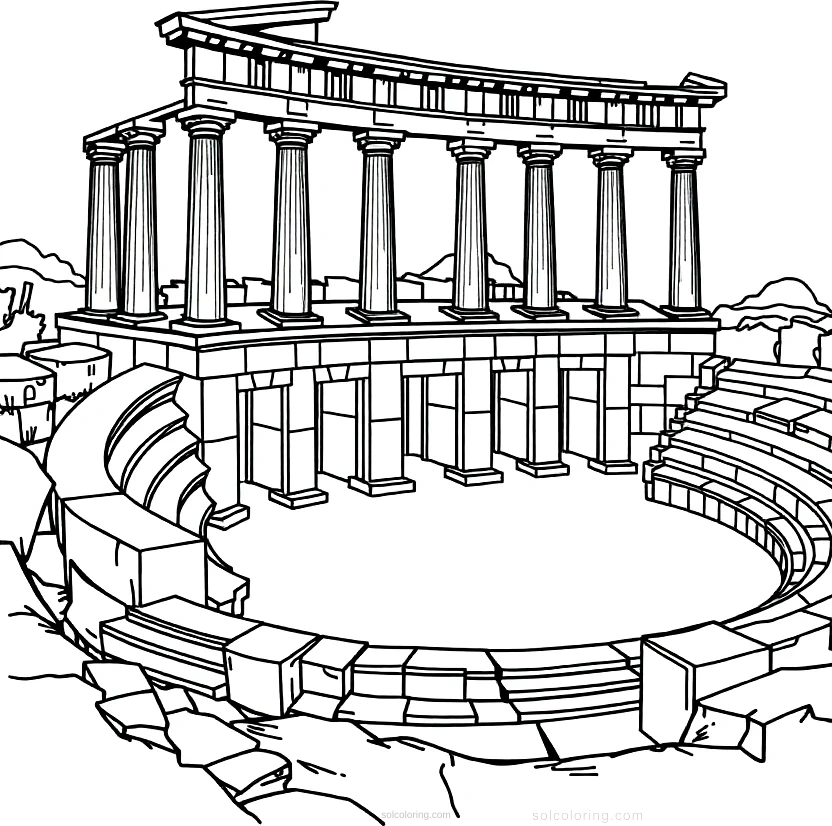
Ancient Greek Amphitheater Coloring Page
Standard style
About this coloring page
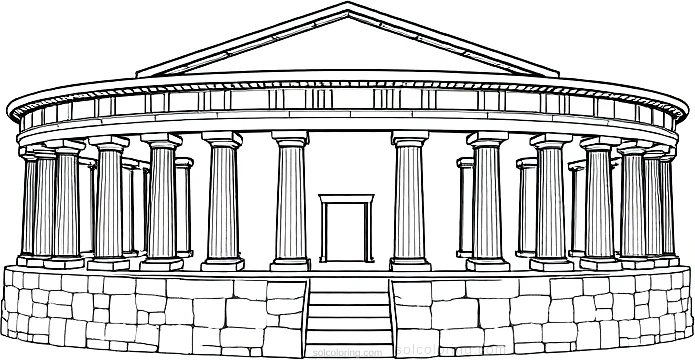
This delightful Ancient Greek Amphitheater coloring page features a charming chibi-style design with bold, easy-to-color outlines perfect for young artists. The printable page showcases the iconic semicircular seating and stage area of classical Greek theaters, making ancient history fun and accessible. Free to download and print, this beginner-friendly design helps children explore ancient civilizations while developing their creativity and fine motor skills.
Frequently asked
Where were Greek amphitheaters typically built?
Greek amphitheaters were usually built into natural hillsides to provide excellent views and acoustics. The sloped terrain helped create the semicircular seating arrangement, while the natural stone provided durable building materials for these impressive structures.
How did Greek amphitheaters achieve such amazing sound quality?
Greek architects designed amphitheaters with precise mathematical calculations for acoustics. The semicircular shape, stone materials, and specific angles allowed sound waves to bounce perfectly, ensuring even whispered words could reach the furthest seats clearly.
What types of performances happened in Greek amphitheaters?
Greek amphitheaters hosted tragedies, comedies, religious festivals, and competitions honoring gods like Dionysus. Famous playwrights including Sophocles, Euripides, and Aristophanes premiered their works in these venues, creating the foundation of modern theater.
Are these Ancient Greek Amphitheater coloring pages free?
Yes! All our Ancient Greek Amphitheater coloring pages are completely free to download and print. No subscription fees, hidden costs, or registration required to access these educational resources.
What age are these Ancient Greek Amphitheater coloring pages for?
These coloring pages are designed for ages 8 to 14, featuring detailed architectural elements perfect for developing fine motor skills while learning about ancient Greek culture and history.