
Ancient Greece
Greek Temple With Columns Coloring Pages
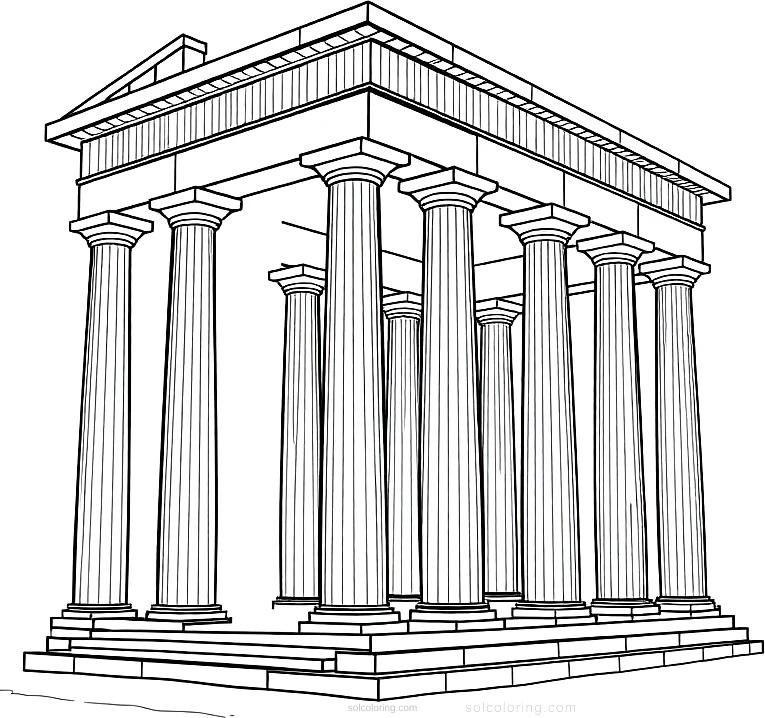
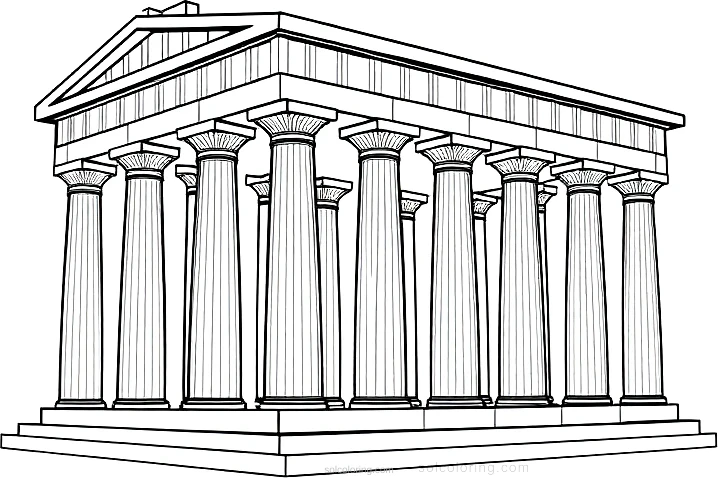
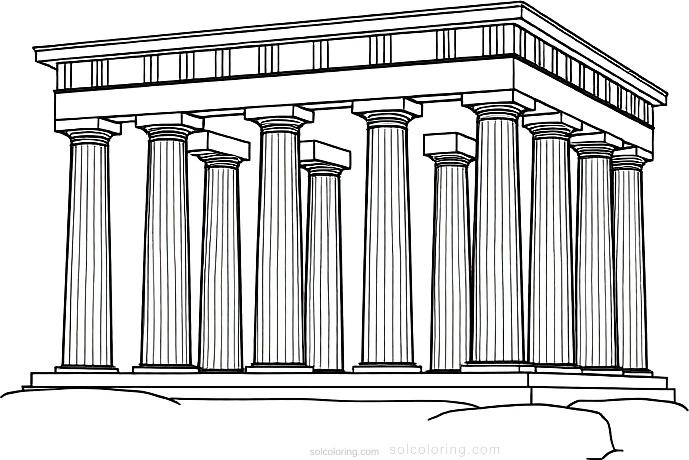
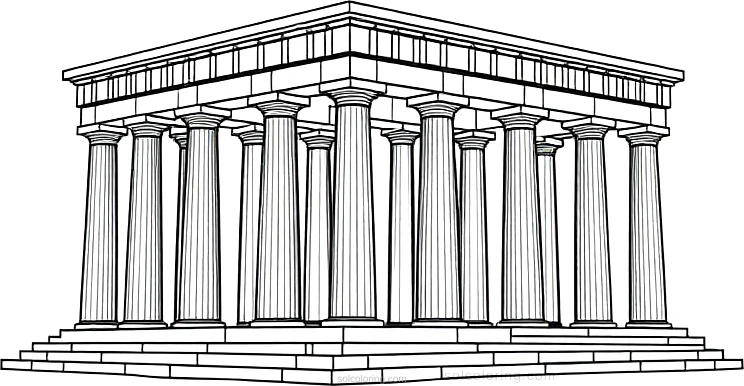
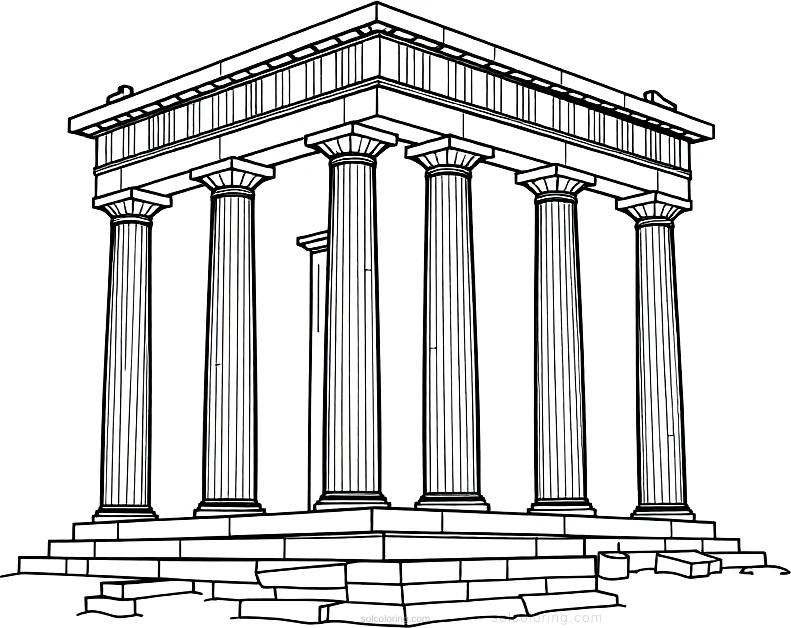
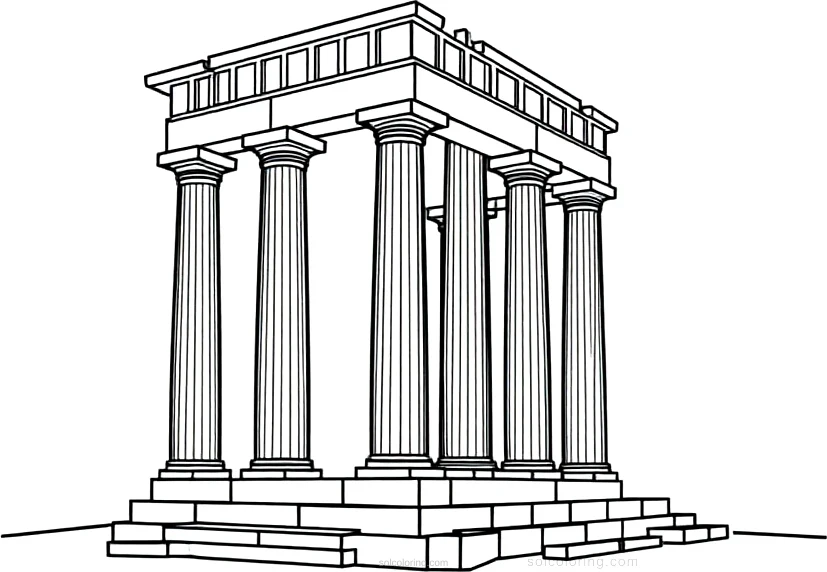
6 free printable designs including Standard, Standard, Standard, Standard and more.
Step into the magnificent world of ancient Greece with these stunning temple coloring pages! Greek temples were sacred buildings dedicated to gods and goddesses, featuring beautiful columns that have inspired architecture for over 2,000 years. These impressive structures, like the famous Parthenon in Athens, showcased the Greeks' incredible skills in mathematics, engineering, and art. The tall columns weren't just decorative: they supported heavy stone roofs and created spaces where people gathered to worship and celebrate. Our free printable coloring page lets you explore the intricate details of these architectural masterpieces while learning about one of history's most influential civilizations. Color the majestic columns, decorative friezes, and geometric patterns that made Greek temples true wonders of the ancient world.
Read more →Read less ↑
Choose a style
Did you know?
Fun facts about Greek Temple With Columns
The Parthenon's columns actually lean slightly inward and bulge in the middle to create the optical illusion that they're perfectly straight when viewed from below.
Greek temples were originally painted in bright colors including red, blue, and gold, not the plain white marble we see in ruins today.
The Temple of Artemis at Ephesus was four times larger than the Parthenon and took over 120 years to build, making it one of the Seven Wonders of the Ancient World.
Some Greek temple columns are over 34 feet tall and weigh as much as 20 elephants, yet they were carved and positioned using only ropes, pulleys, and human labor.
The word 'column' comes from the Latin 'columna,' but Greeks called their columns 'kion,' which means 'that which goes' or supports something above.
About Greek Temple With Columns
Where were Greek temples typically built?
Greek temples were usually built on high ground like hilltops or elevated platforms called acropolises. This made them visible from far away and showed respect to the gods by placing their homes closer to the sky.
What are the three main types of Greek columns?
The three main column styles are Doric (simple and sturdy), Ionic (decorated with scroll-like spirals), and Corinthian (ornate with acanthus leaf designs). Each style represented different periods and regions of ancient Greece.
How long did it take to build a Greek temple?
Large temples like the Parthenon took 10-15 years to complete. Workers had to quarry massive marble blocks, transport them by ox-cart, and carefully carve intricate details entirely by hand using bronze tools.
What happened inside Greek temples?
Temples housed giant statues of gods and stored precious offerings like gold, silver, and artwork. Only priests could enter the inner sanctuary, while worshippers gathered outside for festivals and ceremonies.
Why are Greek temple ruins still standing today?
Greek builders used a post-and-lintel system with precisely cut stone blocks that fit together without mortar. The high-quality marble and expert engineering helped these structures survive earthquakes, wars, and 2,500 years of weathering.
Did Greek temples have roofs?
Yes, Greek temples had peaked roofs covered with marble or clay tiles. The triangular spaces under the roof peaks, called pediments, were filled with colorful sculptures depicting stories of gods and heroes.
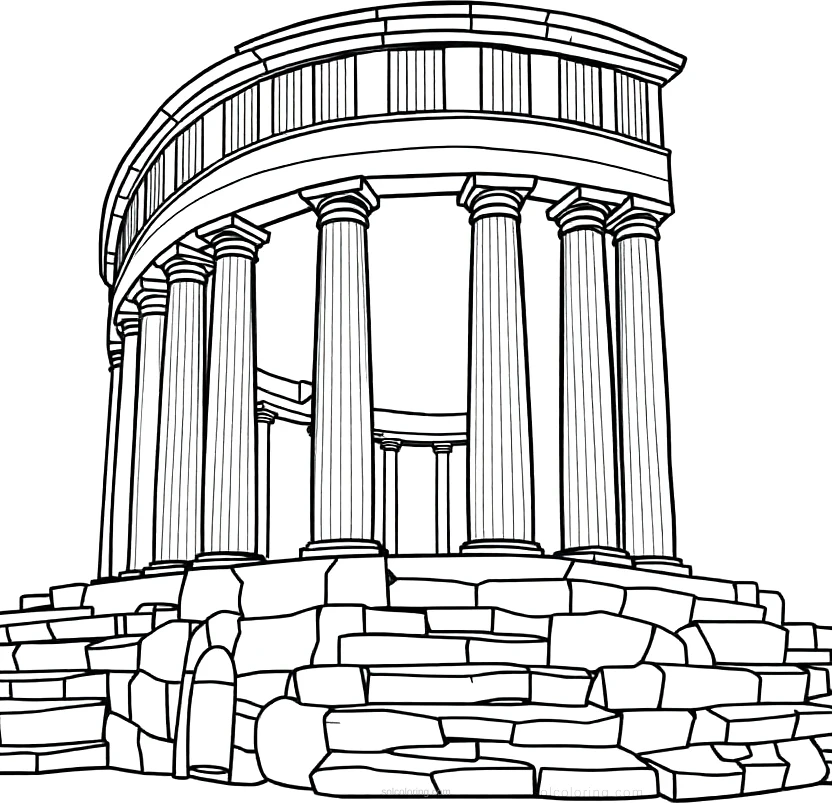
More Ancient Greece coloring pages
Coloring page FAQs
Are these Greek Temple With Columns coloring pages free?
Yes! All our Greek temple coloring pages are completely free to download and print. No payment, subscription, or hidden fees required.
What age are these Greek Temple With Columns coloring pages for?
These coloring pages are perfect for ages 8-14, featuring detailed architectural elements that challenge intermediate to advanced colorists while remaining age-appropriate.
How do I print these Greek Temple With Columns coloring pages?
Simply download the PDF and print on standard A4 or Letter paper using any home printer. No account signup needed, just click and print!