
Ancient Greece
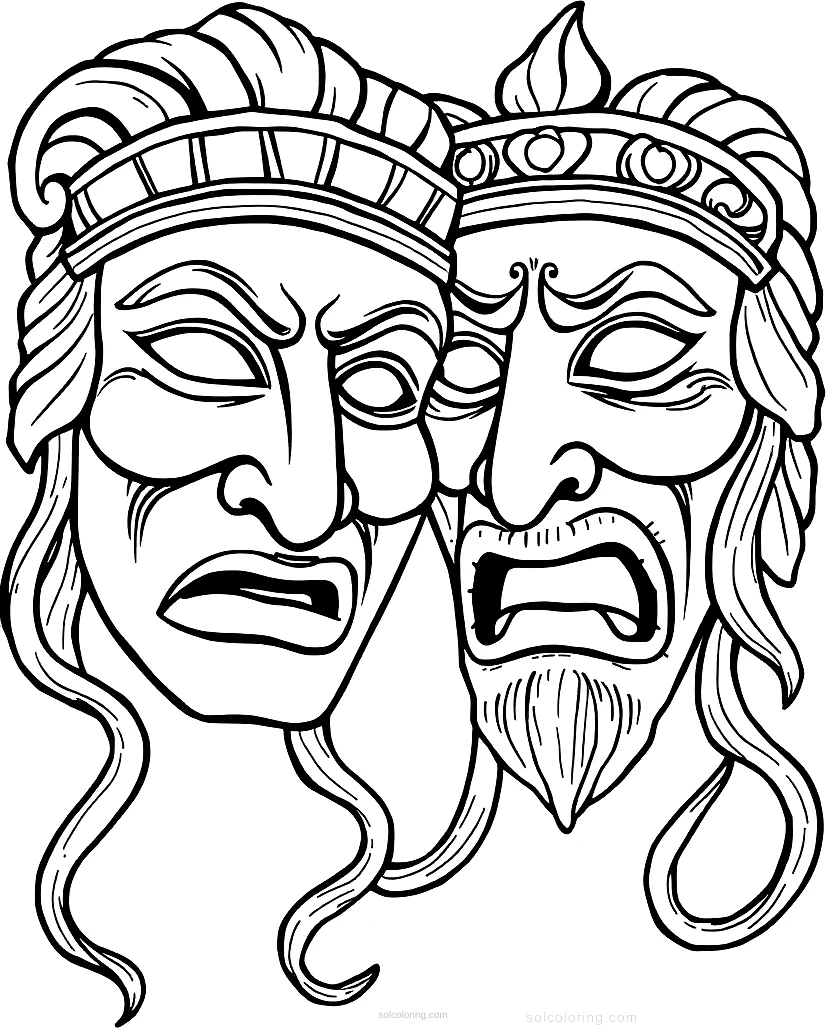
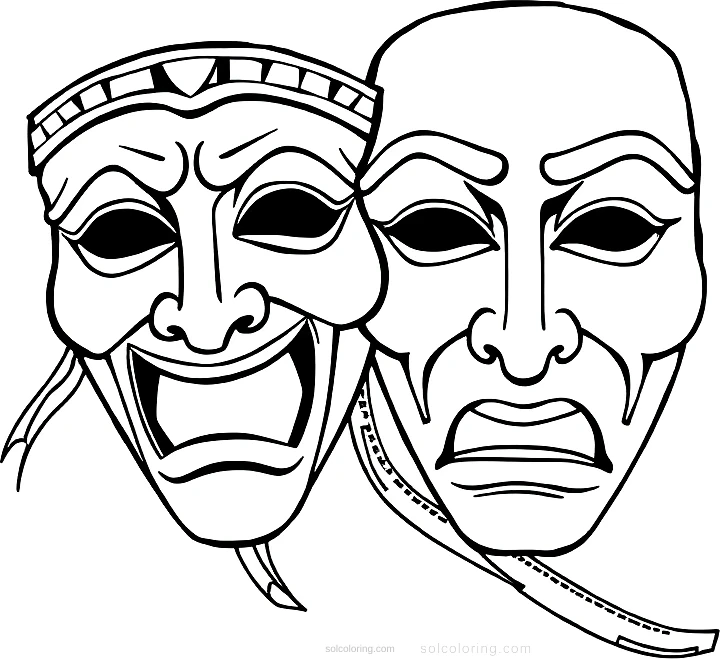
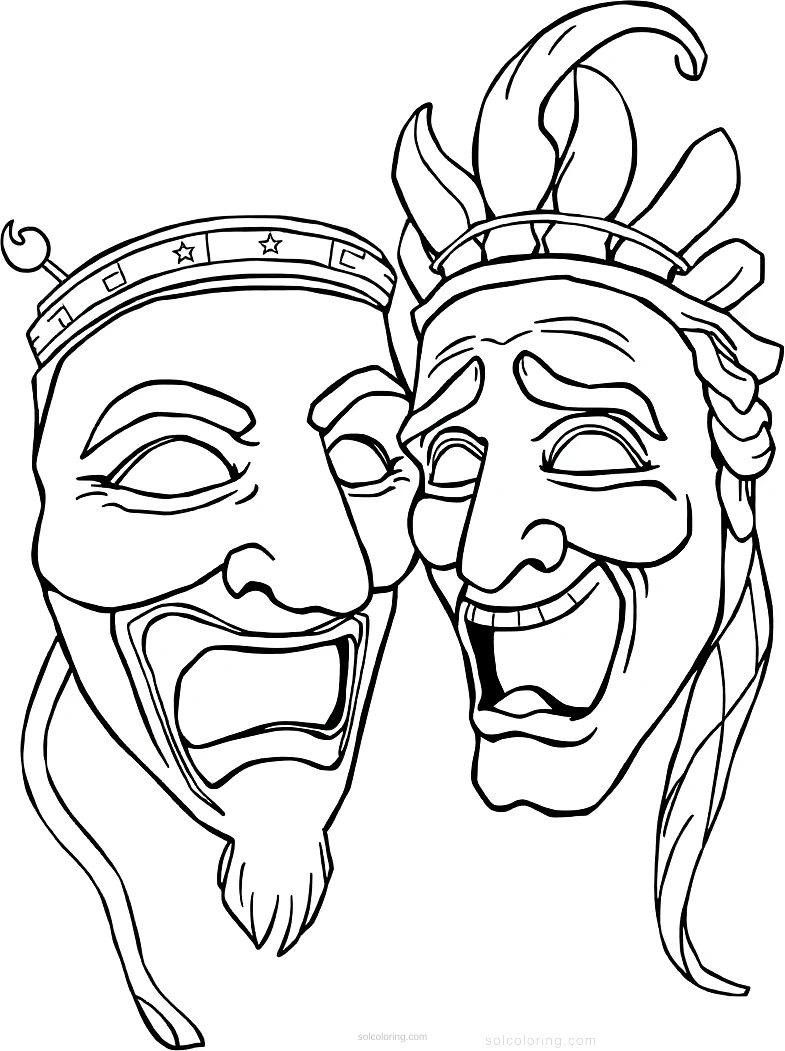
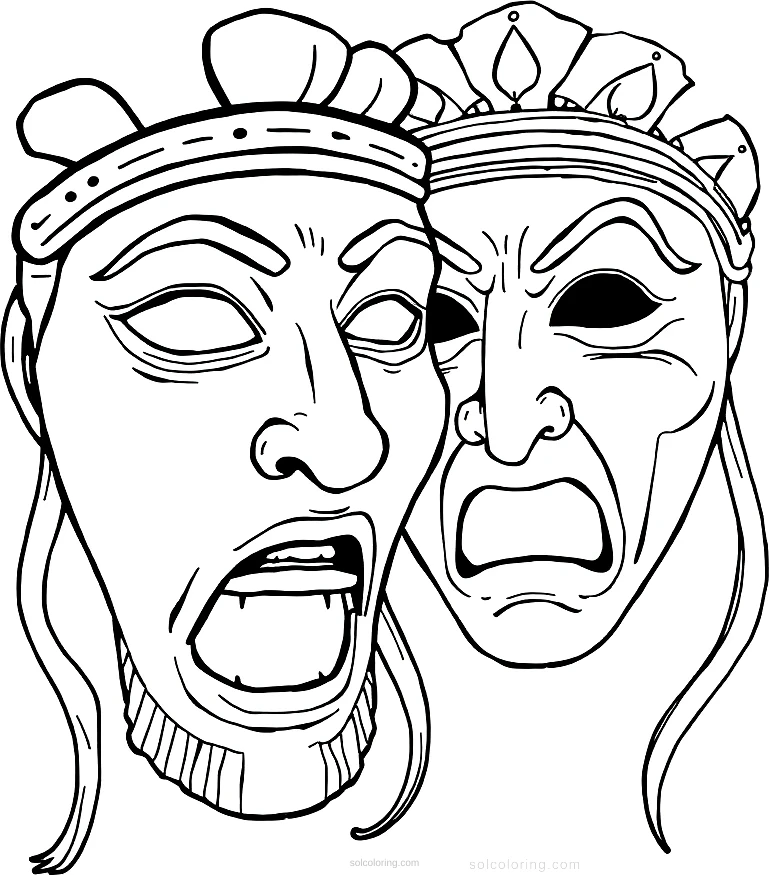
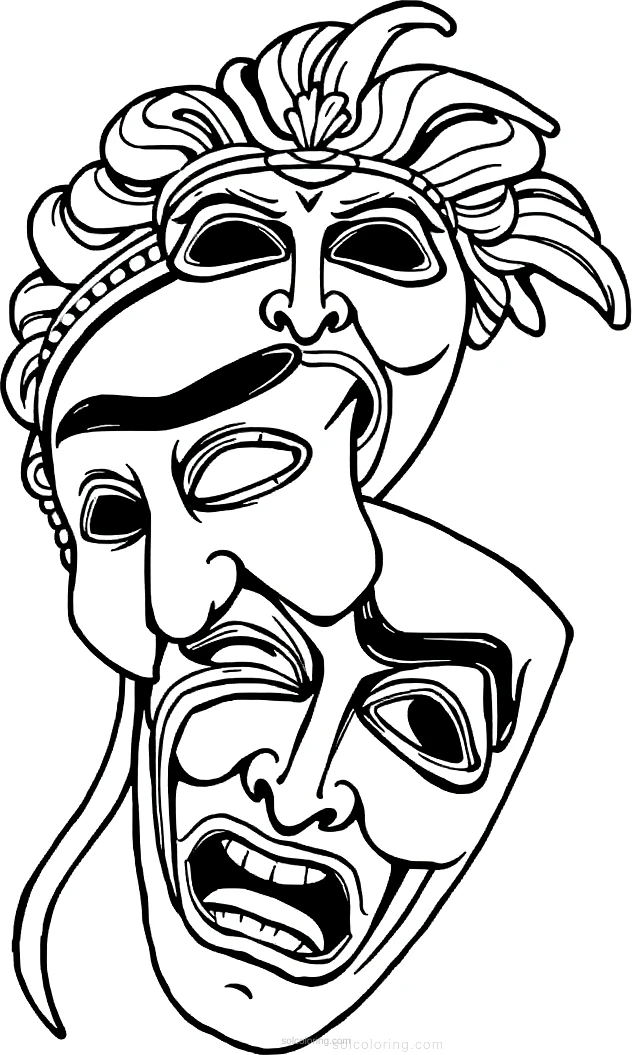
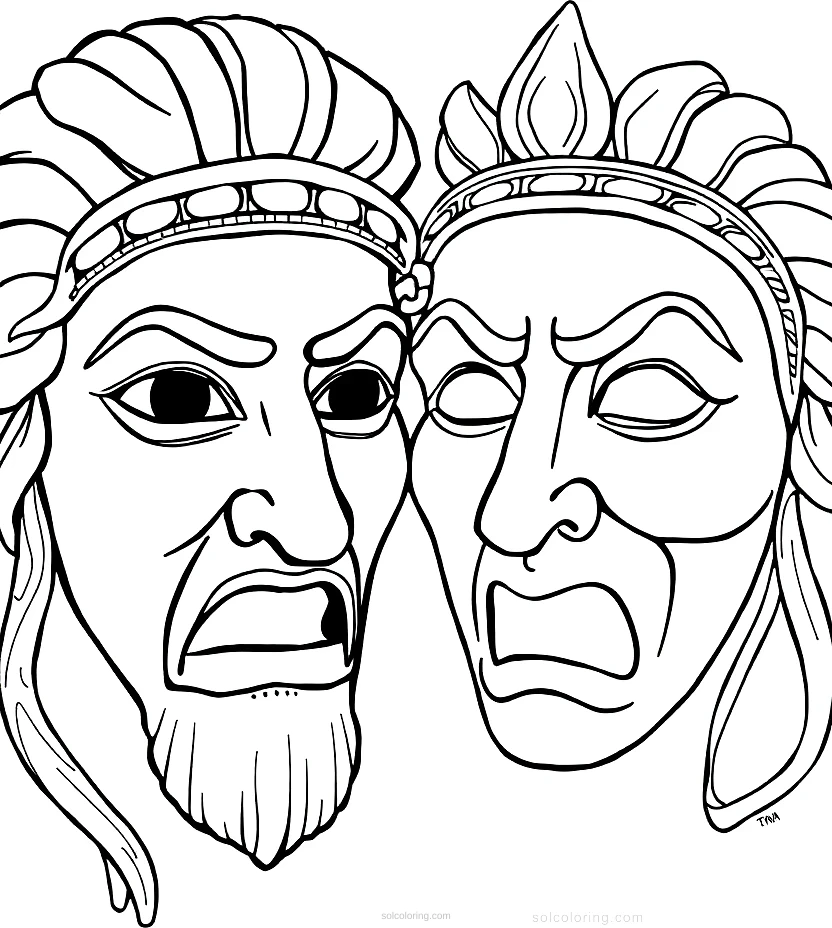
Greek Theatre Masks Comedy and Tragedy Coloring Pages
6 free printable designs including Standard, Standard, Standard, Standard and more.
Step into the fascinating world of ancient Greek theatre with these iconic comedy and tragedy masks! Over 2,500 years ago, Greek actors wore these theatrical masks to portray different emotions and characters in dramatic performances. The smiling comedy mask represents joy and humor, while the frowning tragedy mask symbolizes sorrow and serious drama. These powerful symbols became so important that we still use them today to represent theatre and the performing arts. Our free printable coloring page lets you explore these ancient symbols while learning about Greek culture and the birth of Western theatre. Color the intricate details and discover how these masks helped create some of the world's first plays!
Read more →Read less ↑
Choose a style
Did you know?
Fun facts about Greek Theatre Masks Comedy and Tragedy
Greek theatre masks had built-in megaphones that amplified actors' voices so audiences in the back rows could hear clearly.
The word 'person' comes from the Latin 'persona,' which originally meant 'theatrical mask' in ancient times.
Some Greek theatre masks were so large they extended above the actor's head to make characters appear taller and more dramatic.
Ancient Greek audiences could identify a character's age, gender, and social status instantly just by looking at their mask design.
The famous comedy and tragedy mask symbols appear on the Hollywood Walk of Fame stars given to theatre performers.
About Greek Theatre Masks Comedy and Tragedy
What were Greek theatre masks made from?
Ancient Greek theatre masks were typically made from lightweight materials like linen, cork, or wood. They were painted with bright colors and sometimes decorated with real hair or fabric to make characters more realistic and visible to large audiences.
Why did Greek actors wear masks?
Greek actors wore masks because theatres were huge outdoor spaces seating up to 15,000 people. The masks amplified their voices, showed emotions clearly from far away, and allowed male actors to play female characters in these all-male productions.
What do the comedy and tragedy masks represent?
The comedy mask, called Thalia, represents humor, joy, and lighthearted plays with happy endings. The tragedy mask, called Melpomene, symbolizes serious drama, sorrow, and plays that often ended with the hero's downfall or death.
Who invented Greek theatre masks?
Theatre masks were likely developed by Thespis, considered the first Greek actor, around 534 BCE. He's credited with stepping out of the chorus to become the first individual performer, and masks helped him play multiple characters in single performances.
Are Greek theatre masks still used today?
Yes! Modern theatre still uses the comedy and tragedy masks as universal symbols for drama and performing arts. Many theatre companies, schools, and drama clubs feature these iconic masks in their logos and decorations worldwide.
How many different mask types did Greeks use?
Greeks used dozens of different mask types for various character roles including heroes, villains, gods, old men, young women, and servants. Each mask had specific facial features, expressions, and colors that immediately told the audience what type of character was speaking.
More Ancient Greece coloring pages
Coloring page FAQs
Are these Greek Theatre Masks Comedy and Tragedy coloring pages free?
Yes! All our Greek theatre mask coloring pages are completely free to download and print. No payment or subscription required, just click and print.
What age are these Greek Theatre Masks Comedy and Tragedy coloring pages for?
These coloring pages work great for ages 8 to 14. The mask designs have detailed patterns perfect for developing fine motor skills and creativity.
How do I print these Greek Theatre Masks Comedy and Tragedy coloring pages?
Simply download the PDF file and print on standard A4 or Letter paper using any home printer. No account signup needed, just instant printing!