Insects
Wasp Coloring Pages
6 free printable designs including Standard, Standard, Standard, Standard and more.
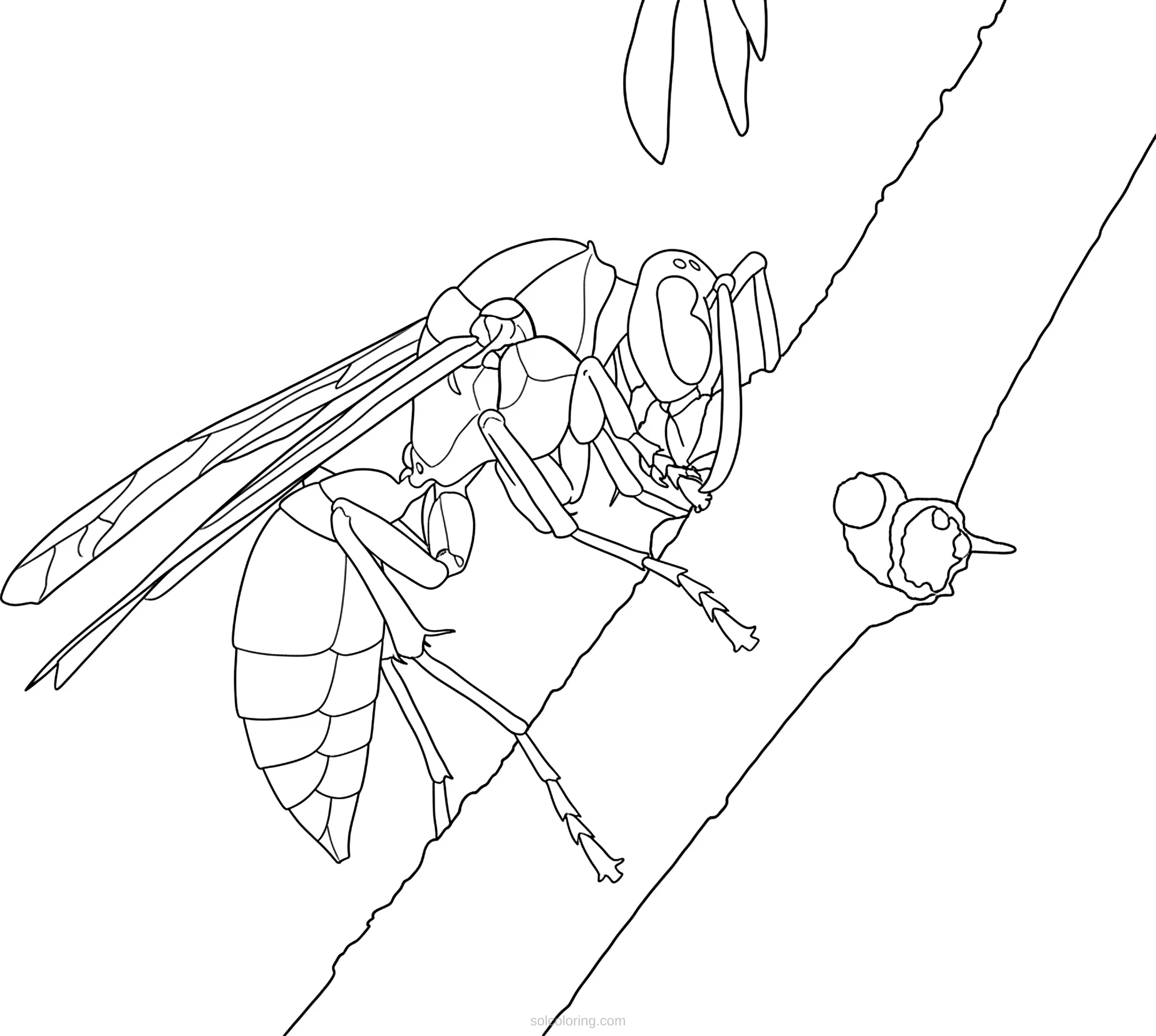
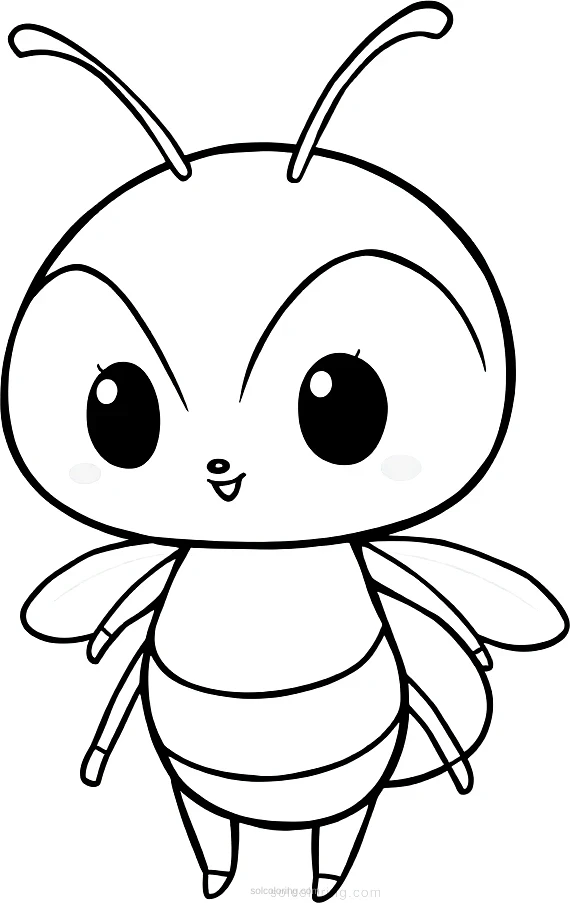
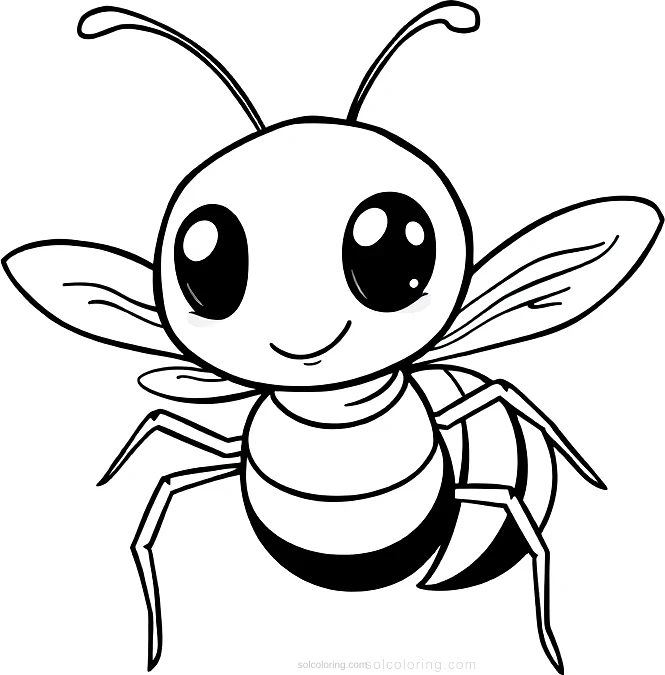
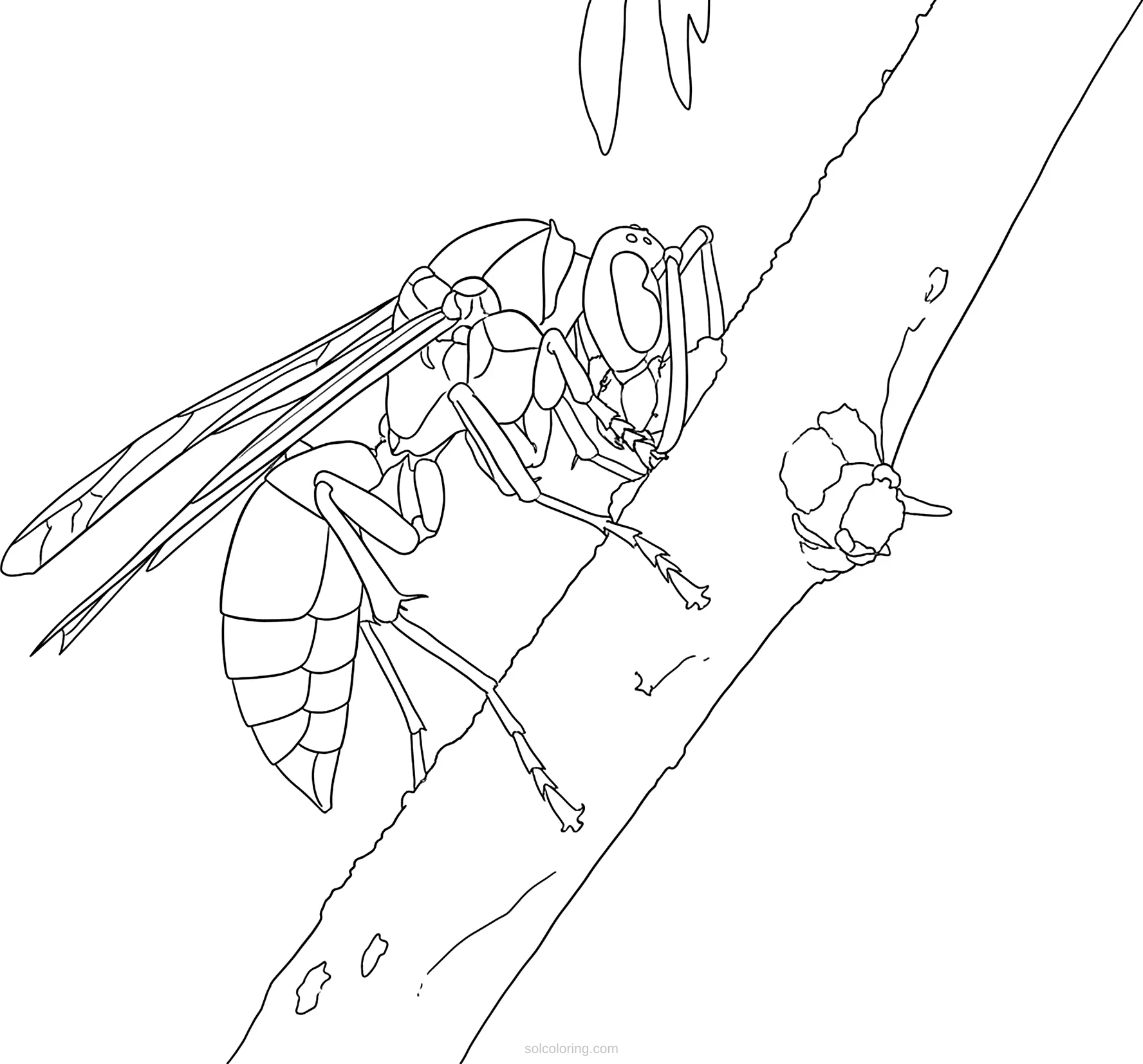
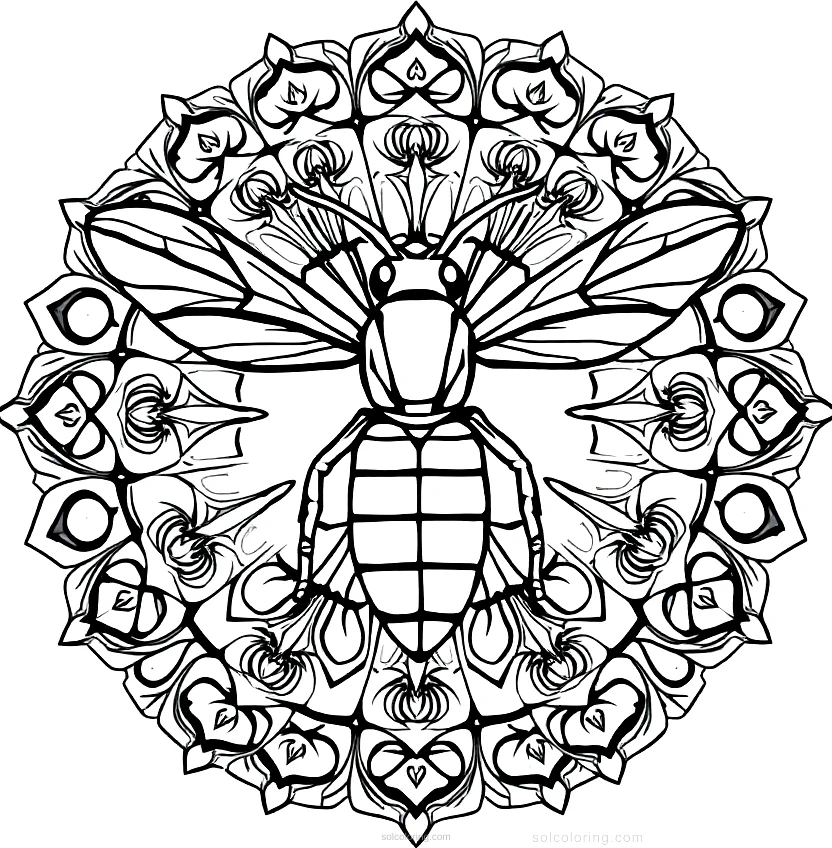
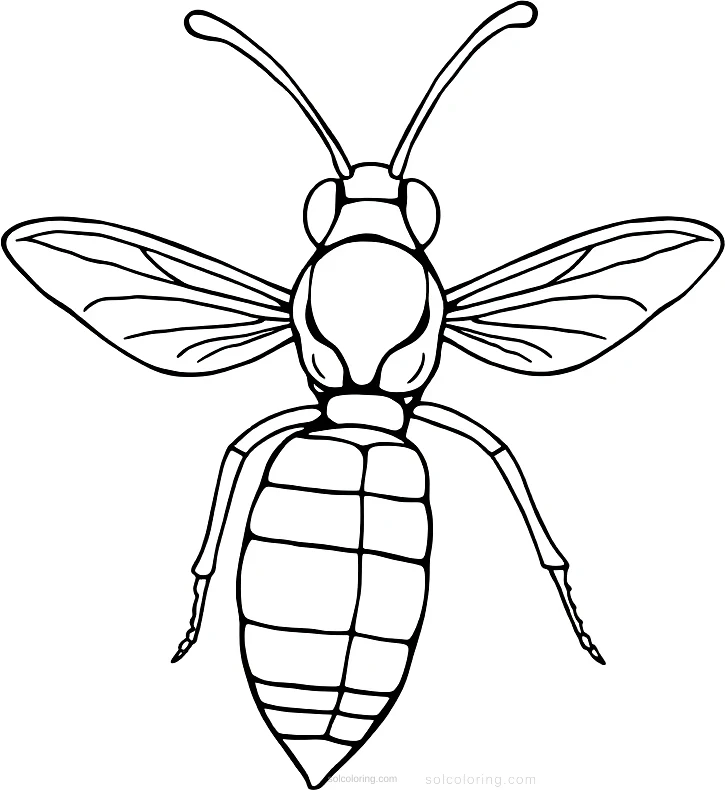
Wasps are fascinating insects that play crucial roles in our ecosystems as both predators and pollinators. Unlike their fuzzy bee cousins, wasps have smooth, sleek bodies with bright yellow and black warning stripes that tell predators to stay away. These incredible insects are master builders, creating paper-like nests from chewed wood pulp and saliva. Some wasps are social creatures living in colonies, while others are solitary hunters. From tiny parasitic wasps smaller than your fingernail to giant hornets, these insects come in amazing variety. Our free printable coloring page captures the intricate details of wasp anatomy, including their narrow waists, delicate wings, and distinctive markings. This free printable coloring page helps young artists appreciate the beauty and complexity of these often misunderstood insects while learning about their important place in nature.
Read more →Read less ↑
Choose a style
Did you know?
Fun facts about Wasp
The smallest known insect in the world is a parasitic wasp called Dicopomorpha echmepterygis, measuring only 0.139 millimeters long.
Paper wasps can recognize individual faces of other wasps in their colony, demonstrating remarkable memory and social intelligence.
Some wasp species are actually vegetarian, feeding only on pollen and nectar throughout their entire lives.
Tarantula hawk wasps deliver one of the most painful stings in the insect world, but the pain only lasts about 5 minutes.
Ancient wasps existed over 200 million years ago, making them older than many dinosaur species and incredibly successful survivors.
About Wasp
How do wasps make their nests?
Wasps create paper-like nests by chewing wood fibers and mixing them with their saliva to form a pulp. They spread this mixture thin and let it dry, creating strong, lightweight walls for their hexagonal cells.
What do wasps eat?
Adult wasps primarily feed on nectar, tree sap, and other sugary substances. However, they hunt insects, caterpillars, and spiders to feed their larvae, making them important pest controllers in gardens and farms.
How big can wasps get?
Wasp sizes vary dramatically. The smallest parasitic wasps measure only 0.1 millimeters long, while the Asian giant hornet can reach 4.5 centimeters with a wingspan of over 7 centimeters, making it truly enormous.
Do wasps die after stinging?
Unlike honeybees, most wasps can sting multiple times without dying. Their smooth stingers can be withdrawn and used repeatedly, making them more aggressive defenders than bees when threatened.
How long do wasps live?
Worker wasps typically live 12 to 22 days during summer, while queens can survive up to one year. In temperate climates, entire colonies die off in winter except for mated queens who hibernate.
Are wasps important pollinators?
Yes, many wasps are excellent pollinators, especially for figs. Some fig species depend entirely on specific wasp species for pollination, creating one of nature's most remarkable partnership relationships between insects and plants.
More Insects coloring pages
Coloring page FAQs
Are these Wasp coloring pages free?
Yes, all our wasp coloring pages are completely free to download and print. Simply click the download button and save the PDF file to your device for unlimited printing.
What age are these Wasp coloring pages for?
Our wasp coloring pages are designed for ages 8 to 14, featuring detailed anatomical elements that provide an engaging challenge while remaining age-appropriate and educational.
How do I print these Wasp coloring pages?
Download the PDF file and print on standard A4 or Letter-sized paper using any home printer. No account signup required, just instant access to high-quality coloring pages.