Modern Art
Munch's The Scream Coloring Pages
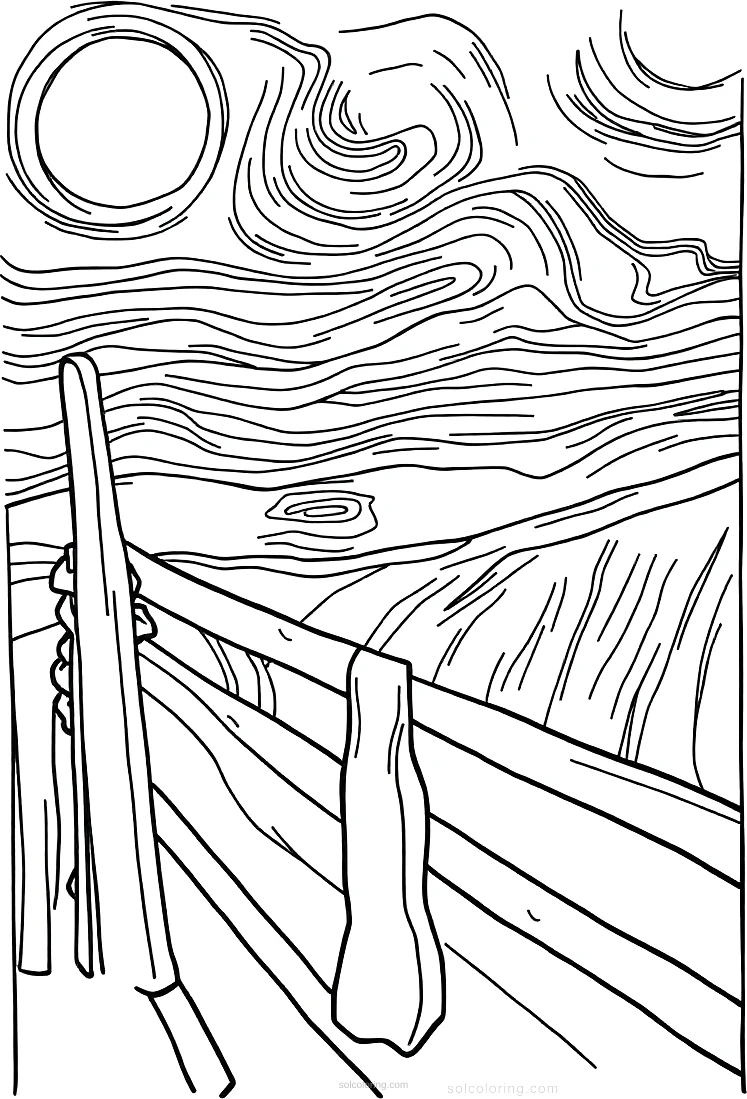
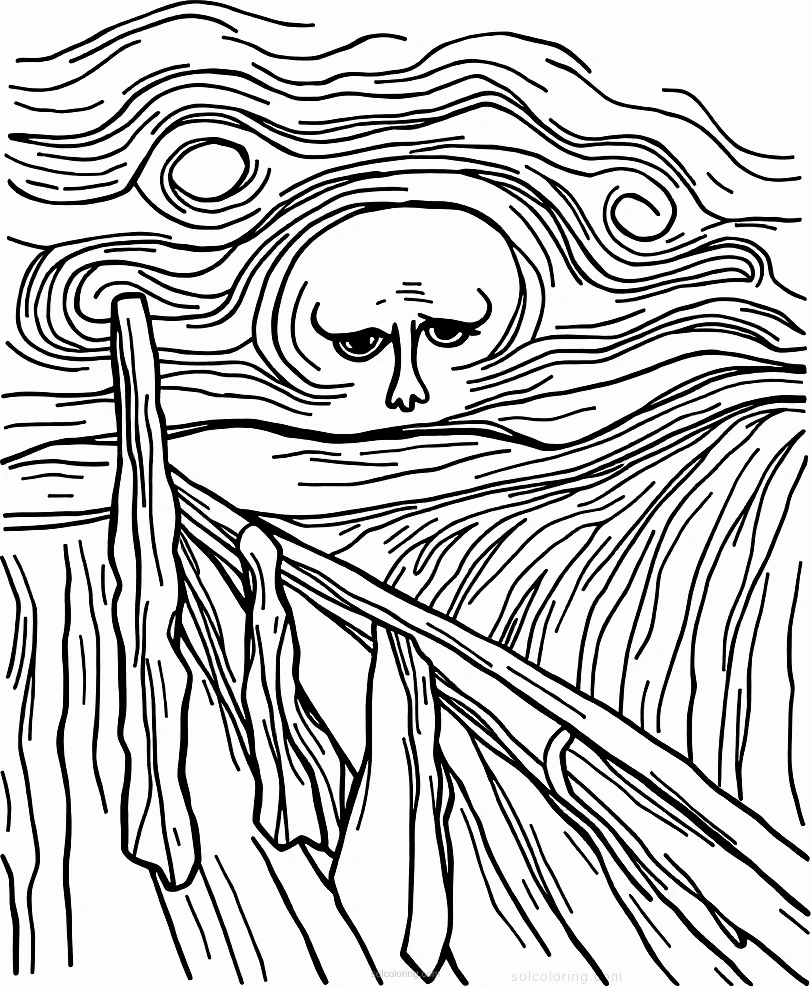
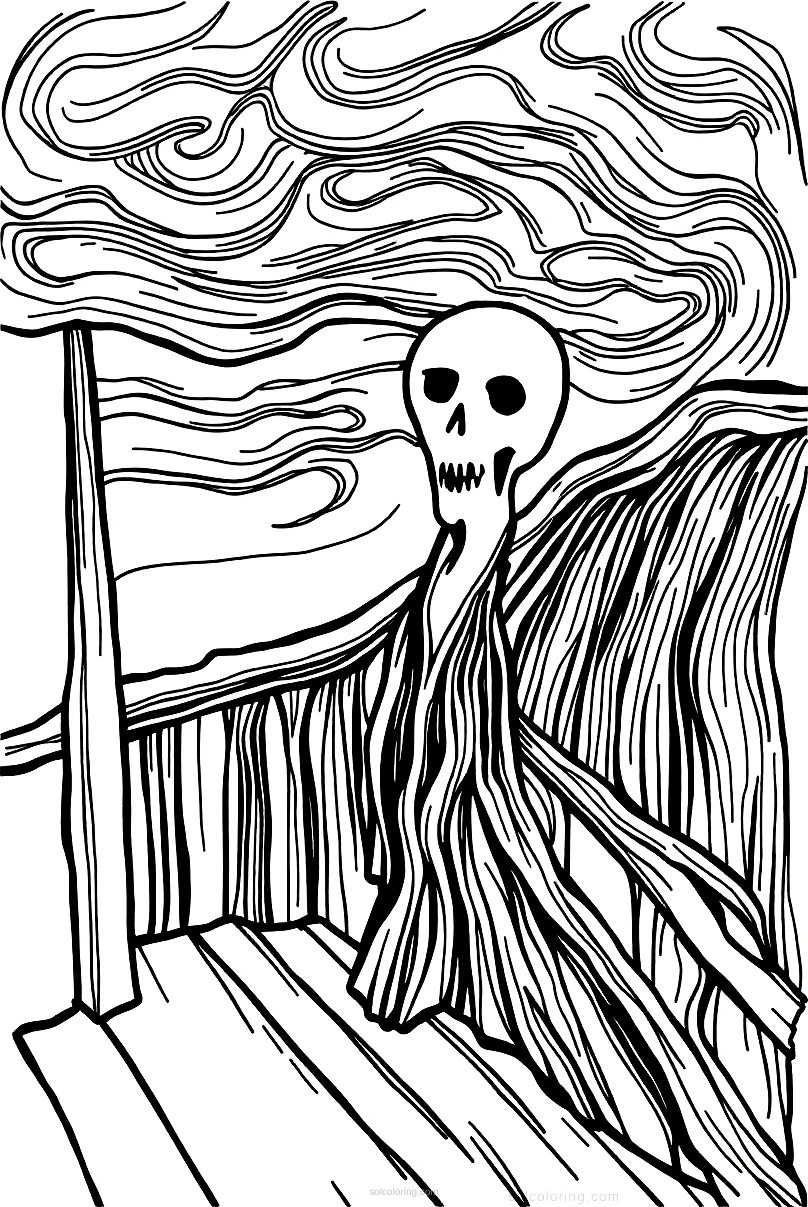
6 free printable designs including Standard, Standard, Standard, Standard and more.
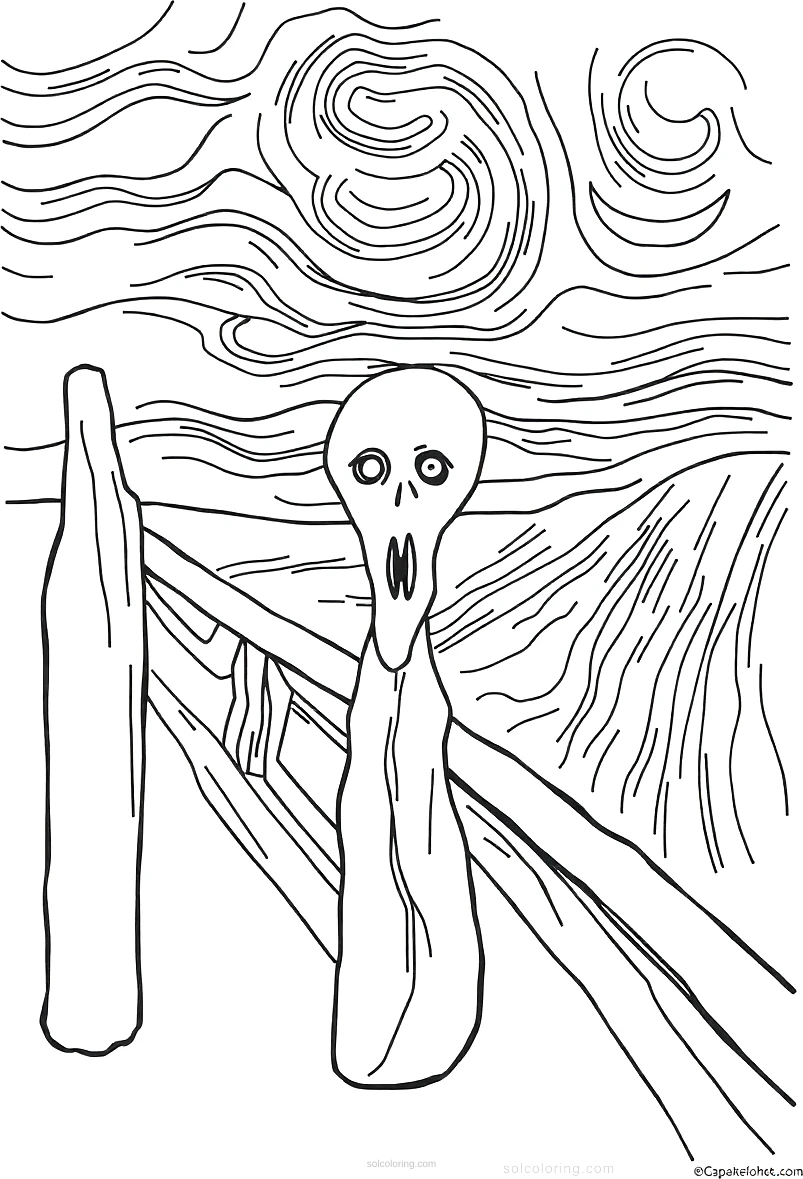
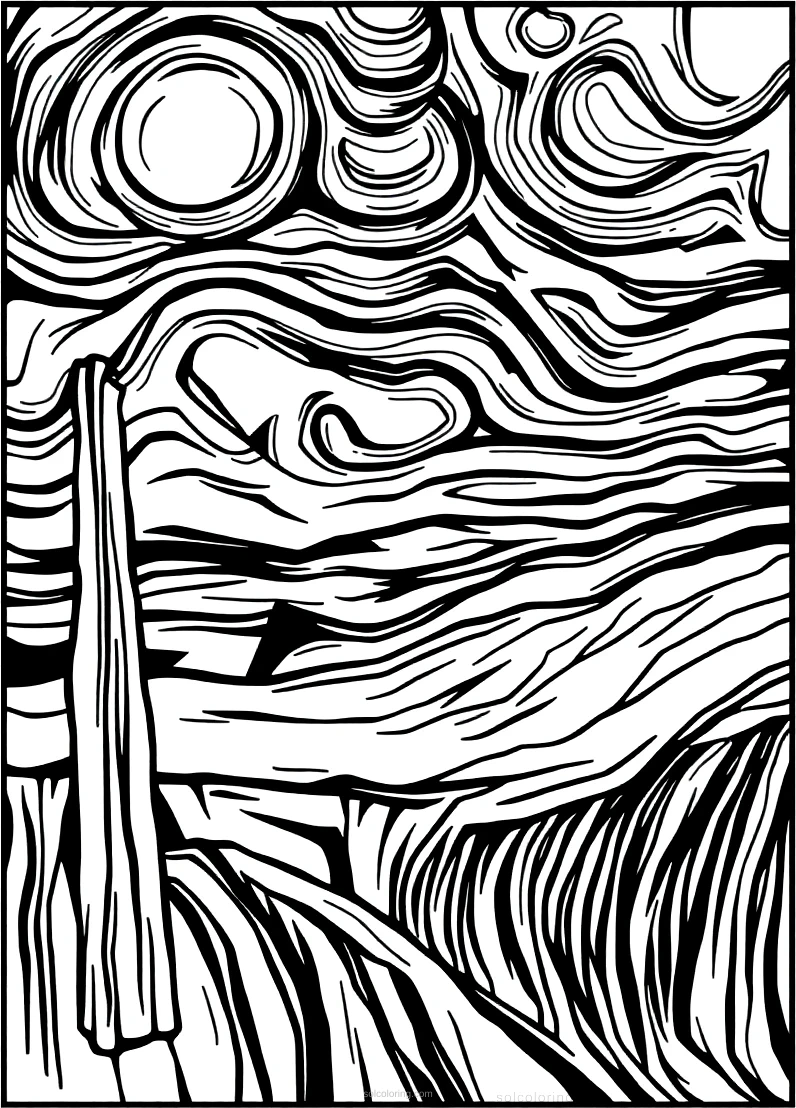
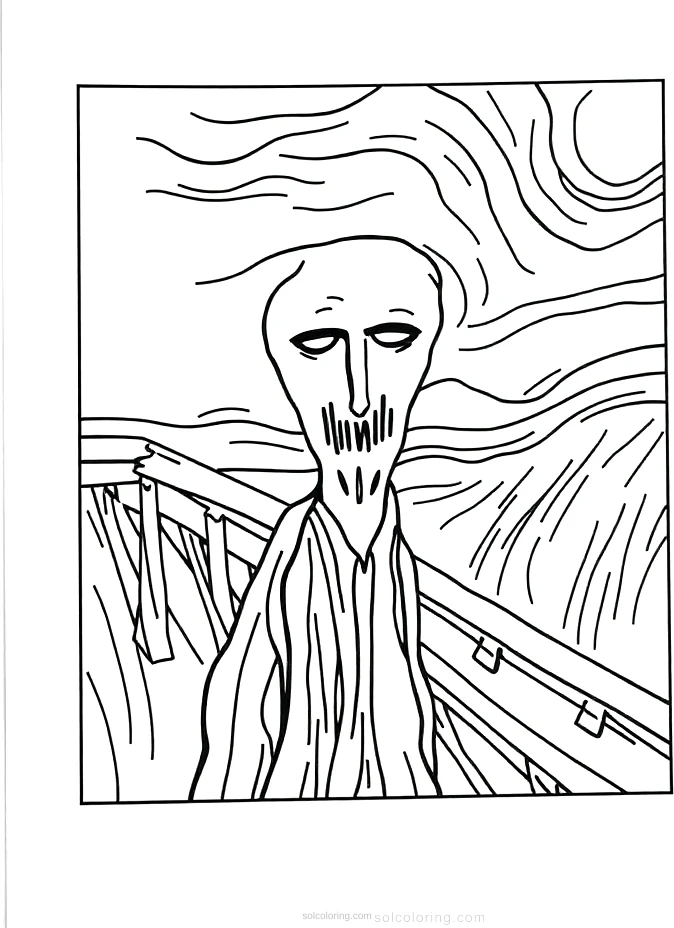
One of the most famous paintings in art history, Edvard Munch's 'The Scream' captures a figure in emotional distress against a swirling orange and red sky. Created in 1893, this Norwegian masterpiece represents the anxiety and existential fear of modern life. The painting's bold colors, wavy lines, and expressive style helped launch the Expressionist art movement. Young artists love exploring this iconic artwork because its dramatic emotions and flowing patterns make it perfect for creative interpretation. Our free printable coloring page lets you recreate this masterpiece with your own color choices, discovering how different hues can change the mood of this powerful image. Whether you use traditional oranges and reds or experiment with completely new palettes, coloring Munch's famous creation offers an engaging way to connect with one of art history's most recognizable works.
Read more →Read less ↑
Choose a style
Did you know?
Fun facts about Munch's The Scream
Edvard Munch created four different versions of The Scream using different techniques including oil paint, tempera, and pastels.
The original title of the painting was 'Der Schrei der Natur,' which means 'The Scream of Nature' in German.
One version of The Scream was stolen twice from Norwegian museums, in 1994 and 2004, but both were recovered.
The swirling patterns in the sky were influenced by Art Nouveau design and may represent sound waves from the scream itself.
Munch wrote a barely visible inscription on one version that reads 'Could only have been painted by a madman,' though he added this later in his life.
About Munch's The Scream
When did Edvard Munch create The Scream?
Munch created The Scream in 1893 when he was 30 years old. Interestingly, he actually made several versions of this famous image, including paintings, pastels, and lithographs, showing how important this emotional expression was to him.
What inspired Munch to paint The Scream?
Munch wrote that he was walking at sunset when the sky turned blood red, and he heard 'the scream of nature.' This moment of anxiety and emotional overwhelm became the inspiration for his most famous artwork.
Why is the sky orange and red in The Scream?
The dramatic orange and red sky might have been inspired by volcanic ash from the 1883 Krakatoa eruption, which created unusual sunset colors across Europe. Munch used these vivid colors to express intense emotion and anxiety.
Is the figure in The Scream actually screaming?
Surprisingly, the figure isn't screaming but covering its ears in horror while hearing nature's scream. The mouth is open in shock and fear, not making the sound but reacting to the overwhelming noise around it.
How much is The Scream worth today?
One version of The Scream sold for nearly $120 million in 2012, making it one of the most expensive paintings ever sold. This shows how much people value Munch's emotional and artistic expression.
What art movement did The Scream help start?
The Scream helped launch Expressionism, an art movement focused on showing emotions rather than realistic appearances. Expressionist artists used bold colors, distorted shapes, and dramatic brushstrokes to convey feelings and inner experiences.
More Modern Art coloring pages
Coloring page FAQs
Are these Munch's The Scream coloring pages free?
Yes! All our Munch's The Scream coloring pages are completely free to download and print. No payment or subscription required, just click and enjoy coloring this famous masterpiece.
What age are these Munch's The Scream coloring pages for?
Our Munch's The Scream coloring pages are designed for ages 8 to 14, with varying detail levels. Younger colorists can focus on broad areas while older kids can work on intricate patterns.
How do I print these Munch's The Scream coloring pages?
Simply download the PDF and print on standard A4 or Letter paper using any home printer. No account signup needed, just instant access to start coloring this iconic artwork.