Classic Arcade
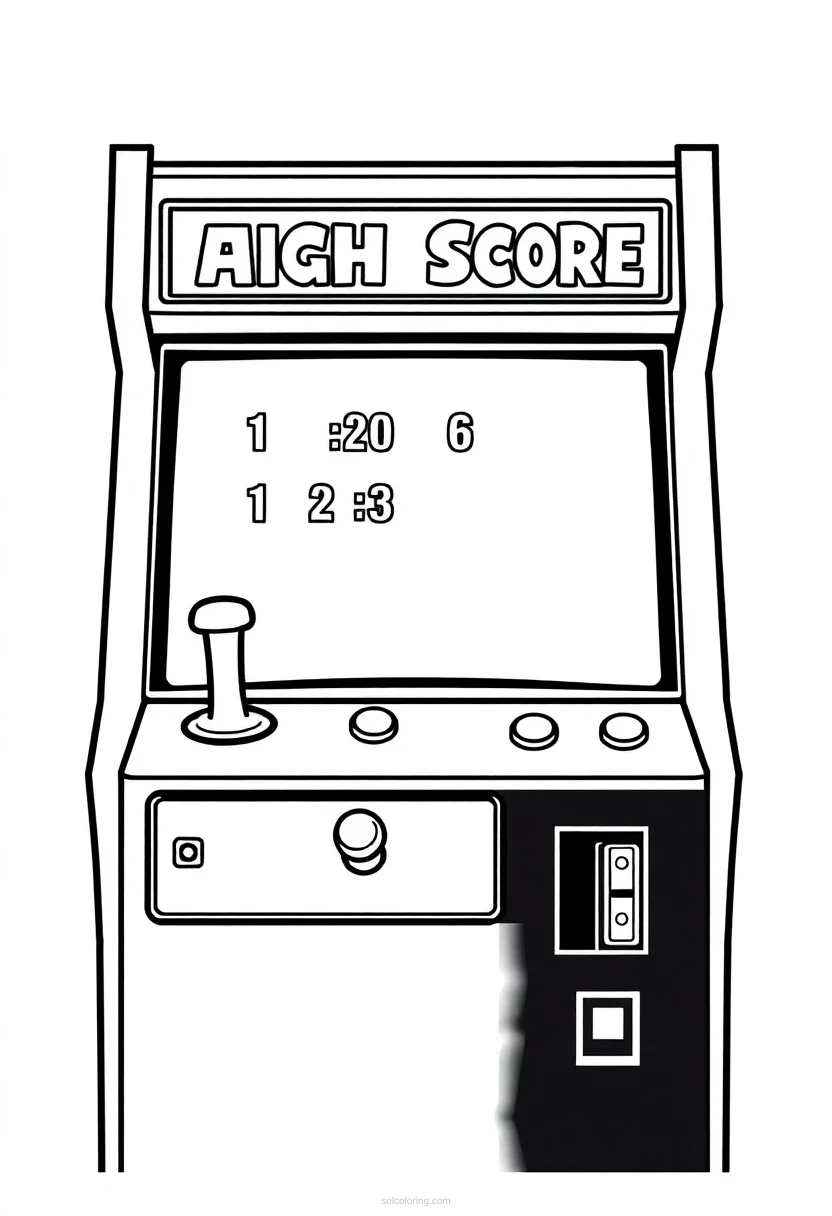
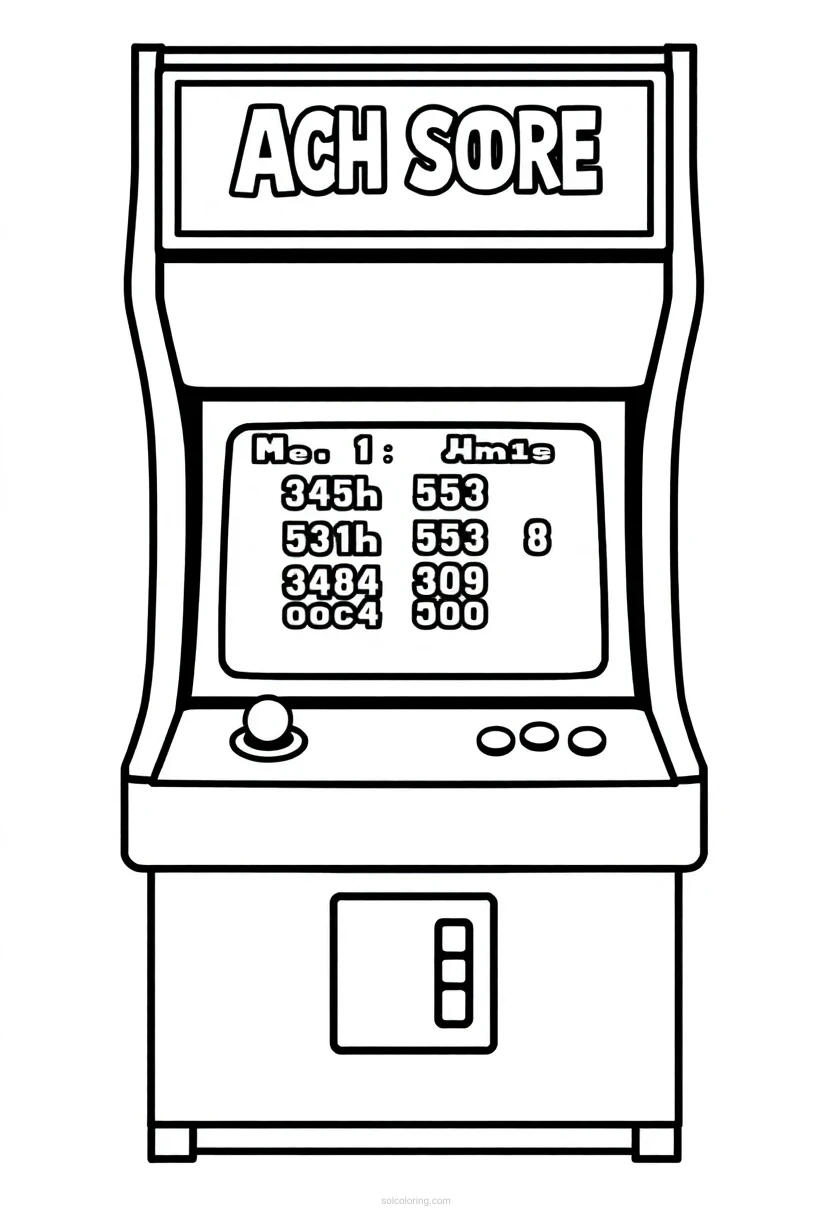
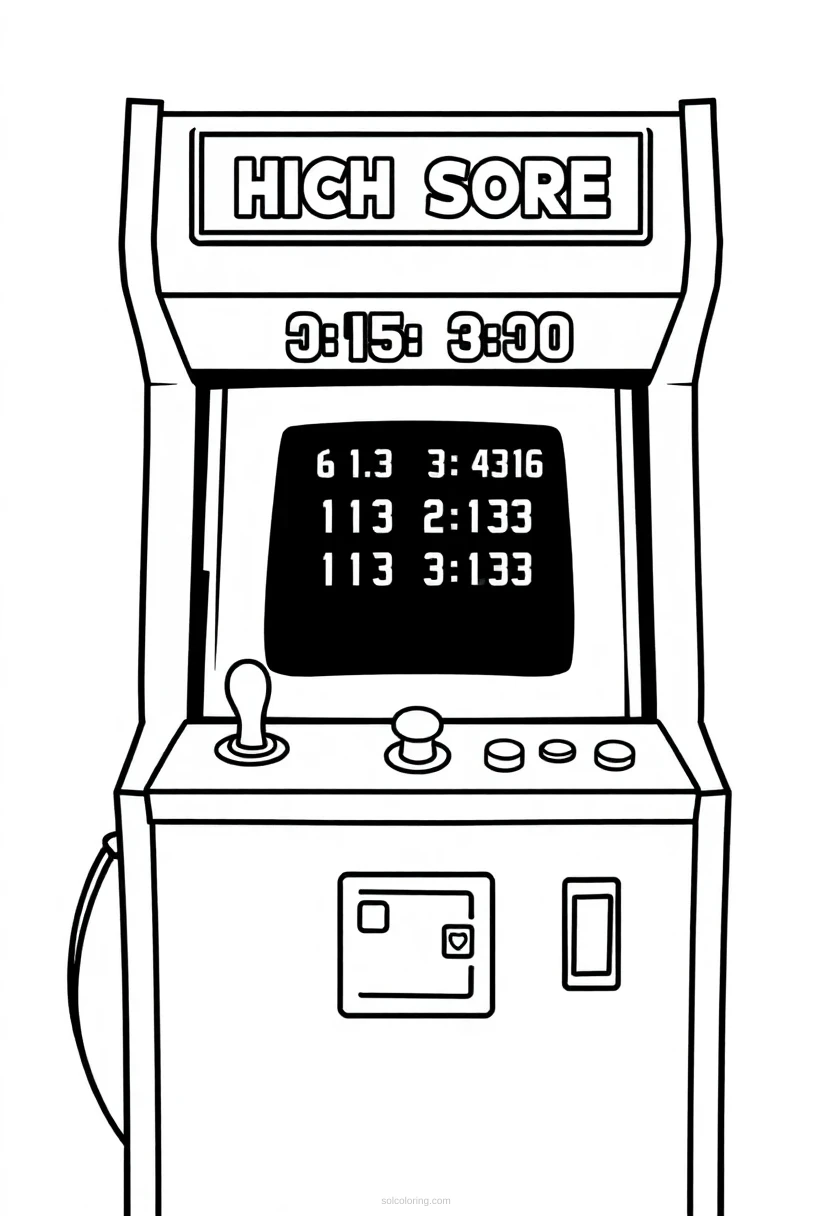
Classic Arcade High Score Screen Coloring Pages
6 free printable designs including Standard, Standard, Standard, Standard and more.
Step back in time to the golden age of arcade gaming with this nostalgic Classic Arcade High Score Screen coloring page. High score screens are iconic symbols of 1980s gaming culture, displaying the names and points of the best players who mastered games like Pac-Man, Donkey Kong, and Space Invaders. These pixel art designs capture the retro charm and competitive spirit of classic arcades. This free printable coloring page lets you bring these legendary gaming moments to life with your own creative colors, making it perfect for retro game fans and anyone who loves pixel art. Whether you're reliving arcade memories or discovering this era for the first time, this free printable coloring page is a fun way to celebrate gaming history.
Read more →Read less ↑
Choose a style
Did you know?
Fun facts about Classic Arcade High Score Screen
The first arcade game to feature a high score screen was Asteroids in 1979, which revolutionized gaming by letting players compete for bragging rights.
Some arcade enthusiasts would camp overnight outside arcade cabinets to protect their high scores from being beaten by other players.
Early arcade high scores were stored in RAM, meaning they completely reset if the cabinet was turned off, encouraging players to keep machines running 24/7.
The maximum possible score on Pac-Man is 3,333,360 points, and it took 33 years before anyone achieved a perfect game in 2011.
Arcade high score screens inspired the first video game tournament in 1980, where players competed for prizes and international recognition.
About Classic Arcade High Score Screen
What made arcade high score screens so important in gaming history?
High score screens became the ultimate status symbol in arcades, transforming gaming into a competitive social experience. Players would return repeatedly, hoping to claim their spot on the leaderboard with their three-letter initials. This simple feature turned casual games into obsessive challenges, driving the arcade industry's explosive growth during the 1980s.
How did pixel art become the standard for classic arcade games?
Early computer hardware had severe memory and processing limitations, making detailed graphics impossible. Pixel art emerged as a creative solution, using small colored squares to represent characters and objects. This constraint sparked incredible innovation, producing the iconic blocky style we now associate with retro games like Pac-Man and Space Invaders.
What was the highest arcade high score ever recorded?
In 1984, Billy Mitchell achieved a perfect Pac-Man score of 3,333,360 points by completing all 256 levels without losing a single life. This legendary achievement remained unbeaten for decades and became a defining moment in arcade gaming culture. Mitchell's feat demonstrated the incredible skill and dedication serious arcade players possessed.
Why did arcade games use three-letter initials on high score screens?
Three-letter initials were chosen due to limited screen space and memory constraints in early arcade cabinets. The format was quick and simple: players entered their initials using arcade buttons after achieving a high score. This compact system became iconic and remains instantly recognizable to anyone who grew up in arcades during the 1970s and 1980s.
How did arcade high scores influence modern video game design?
The competitive high score concept fundamentally shaped modern gaming. Today's leaderboards, achievement systems, and online rankings all trace back to arcade high score screens. Developers realized that players value competition and recognition, leading to permanent features that keep gamers engaged and motivated to improve their skills.
What was the lifespan of the classic arcade era?
The golden age of arcades spanned roughly from 1978 to 1985, with Pong's popularity in 1975 marking the true beginning. During this peak period, arcades generated billions in revenue and became cultural gathering places. The arrival of home computers and consoles gradually shifted gaming to private spaces, marking the slow decline of arcade culture.
More Classic Arcade coloring pages


Coloring page FAQs
Are these Classic Arcade High Score Screen coloring pages free?
Yes, absolutely! All our Classic Arcade High Score Screen coloring pages are completely free to download and print. Simply visit Sol Coloring, select your favorite design, and print directly to your home printer. No signup, subscription, or hidden fees required. Start coloring instantly.
What age are these Classic Arcade High Score Screen coloring pages for?
These free printable coloring pages are designed for ages 8 to 14 and beyond. The pixel art style offers a perfect balance of detail and manageability. Younger colorists enjoy the blocky pixel format, while older kids and adults appreciate the retro gaming nostalgia and creative color possibilities.
How do I print these Classic Arcade High Score Screen coloring pages?
Printing is simple and straightforward. Download the coloring page in your preferred size, A4 or Letter. Open the PDF on your computer and click print. Use any standard home printer and regular paper or cardstock. No special equipment or signup needed. Start coloring right away.