Classic Arcade
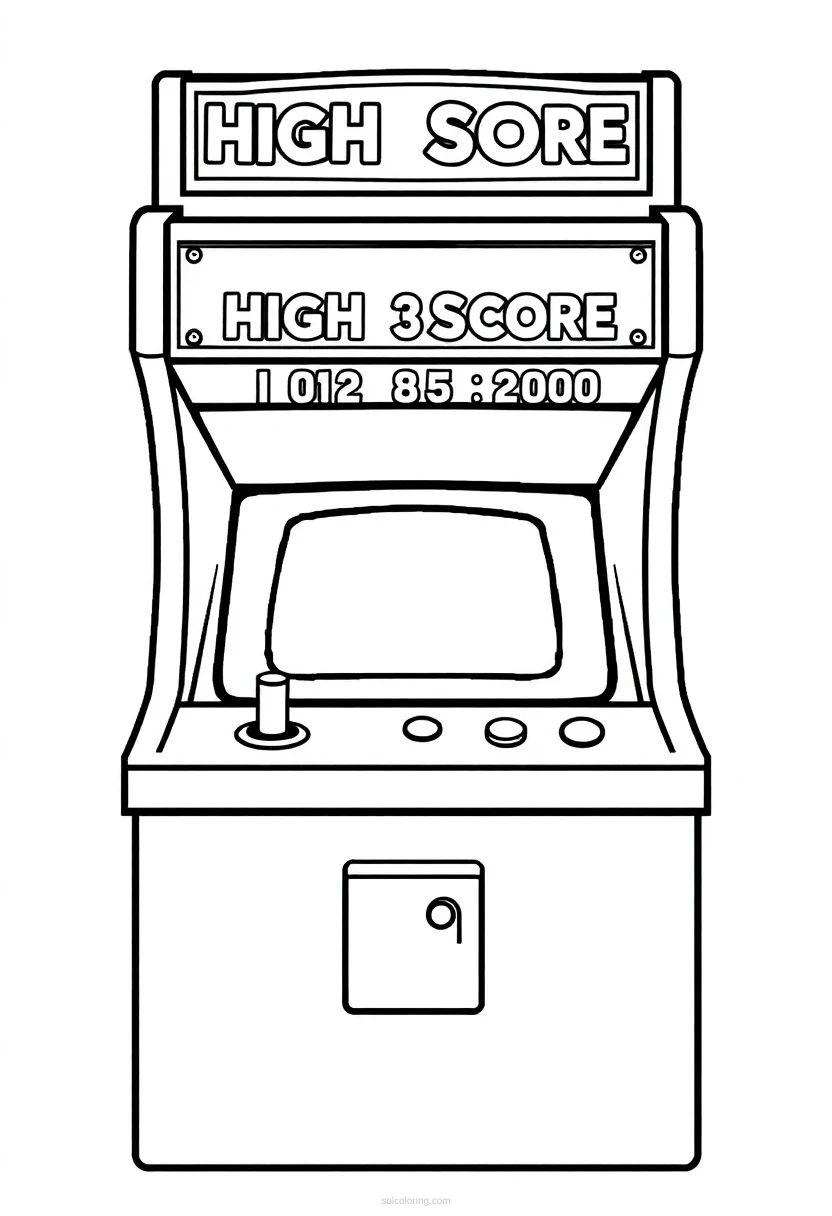
Pixel Art Cherry Bonus Coloring Pages
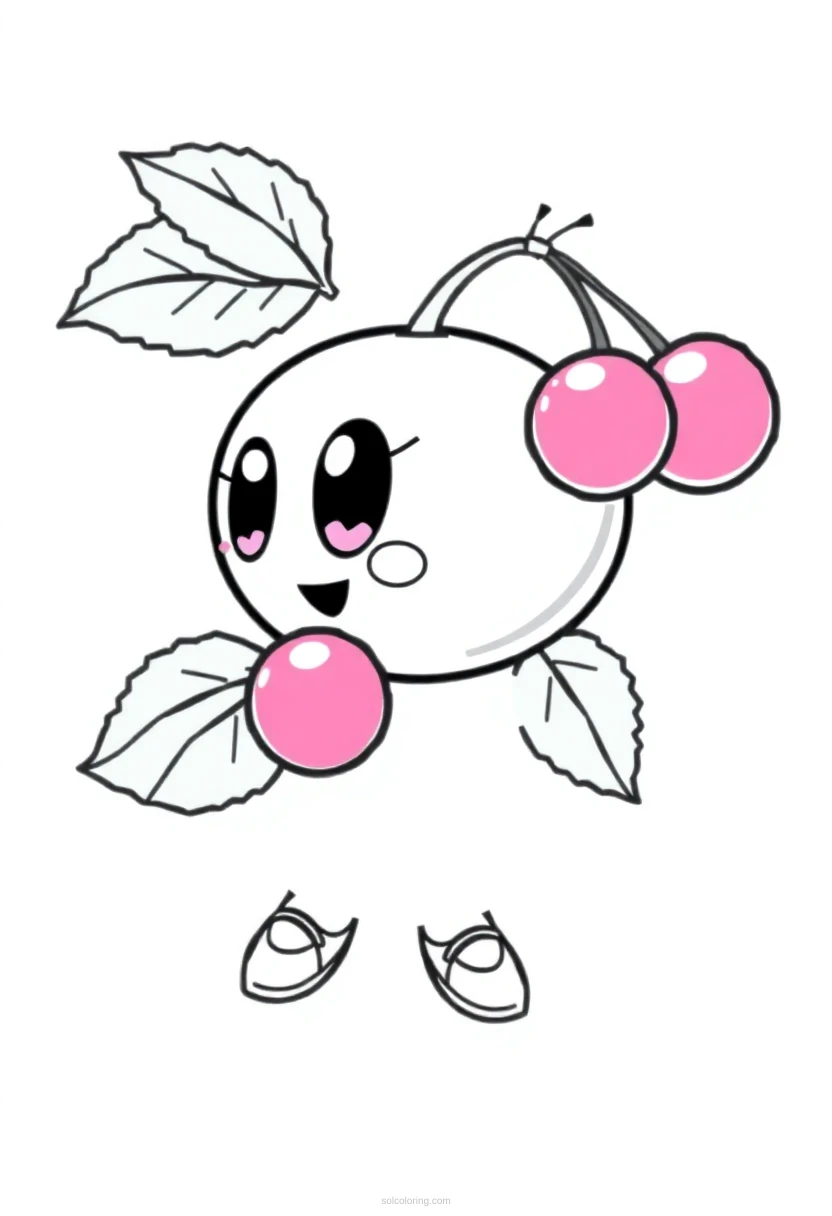
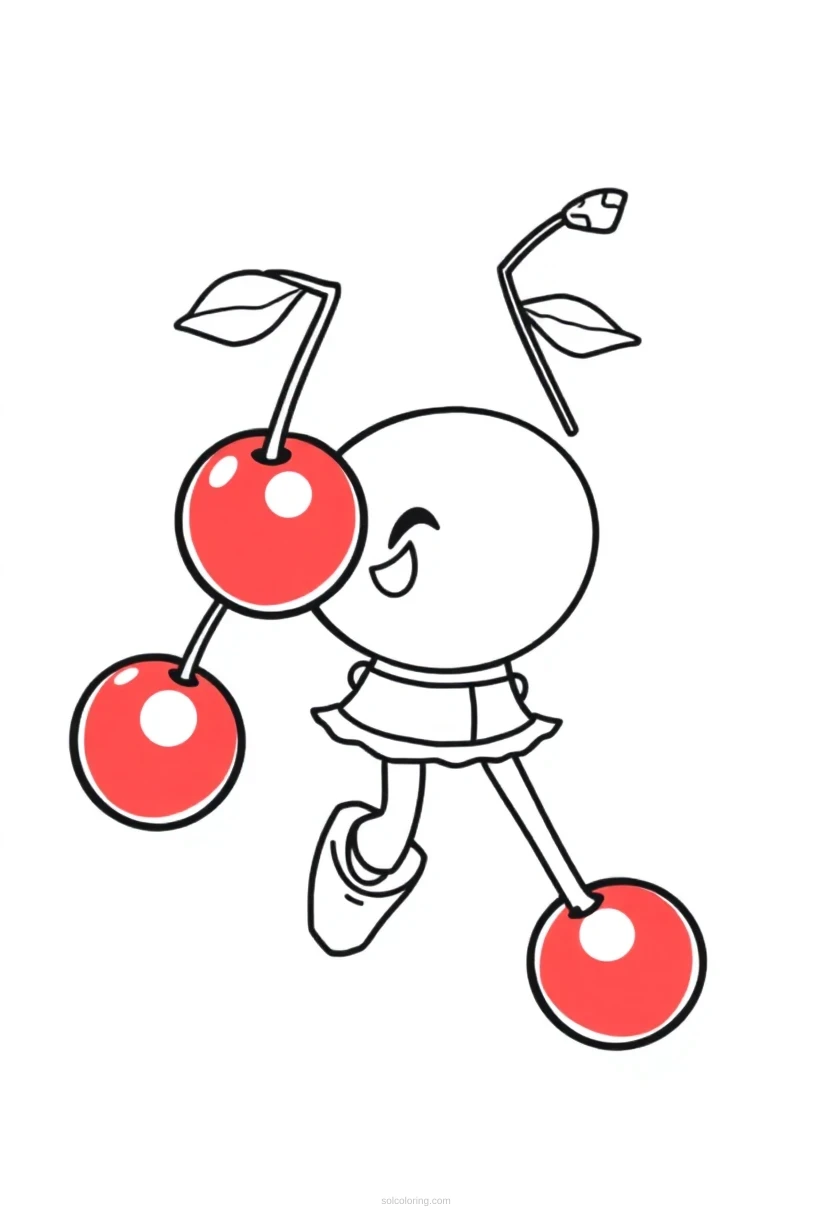
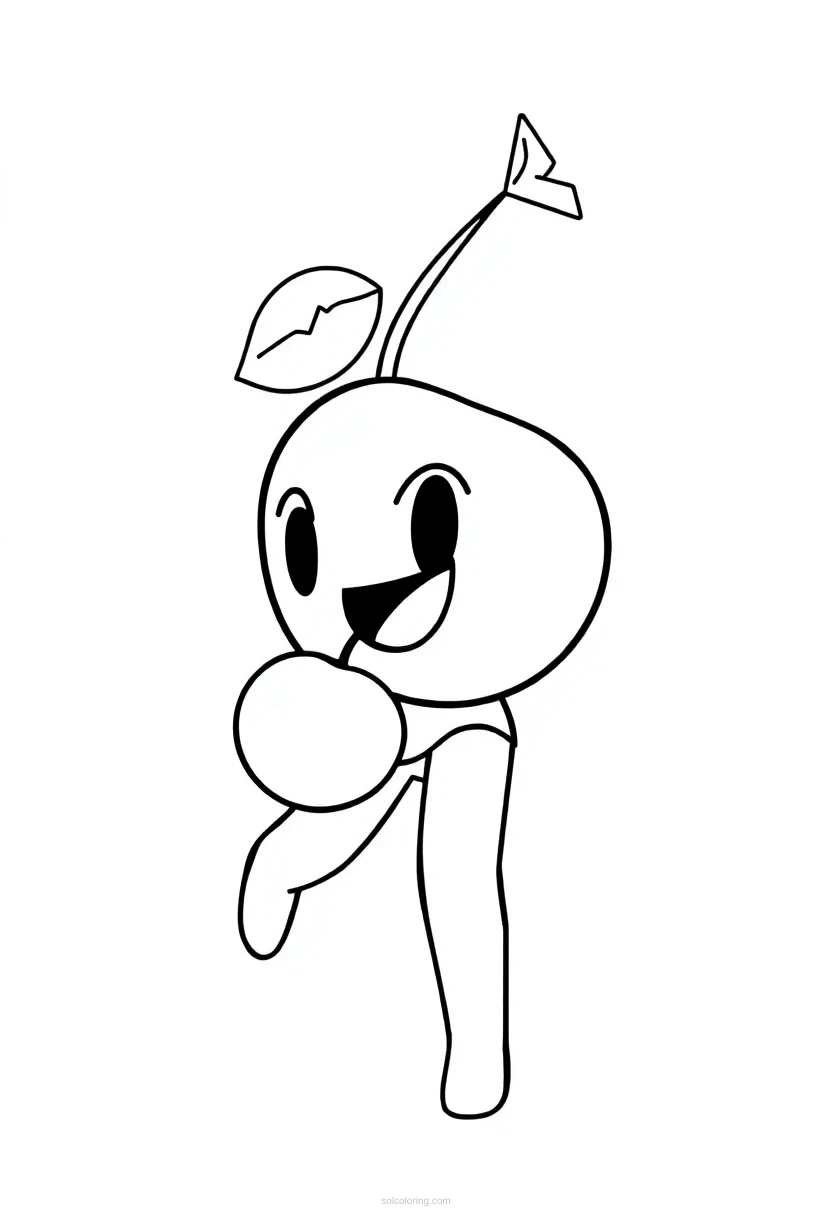
6 free printable designs including Standard, Standard, Standard, Standard and more.
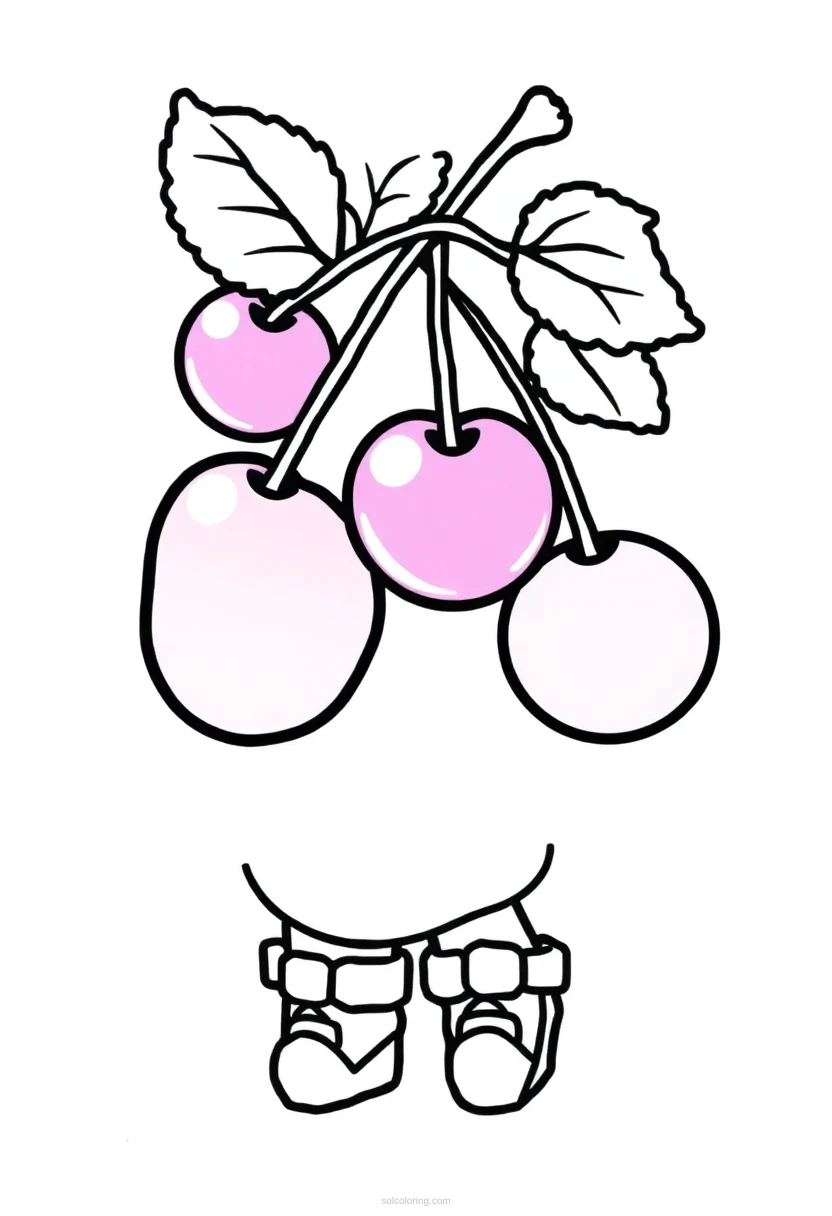
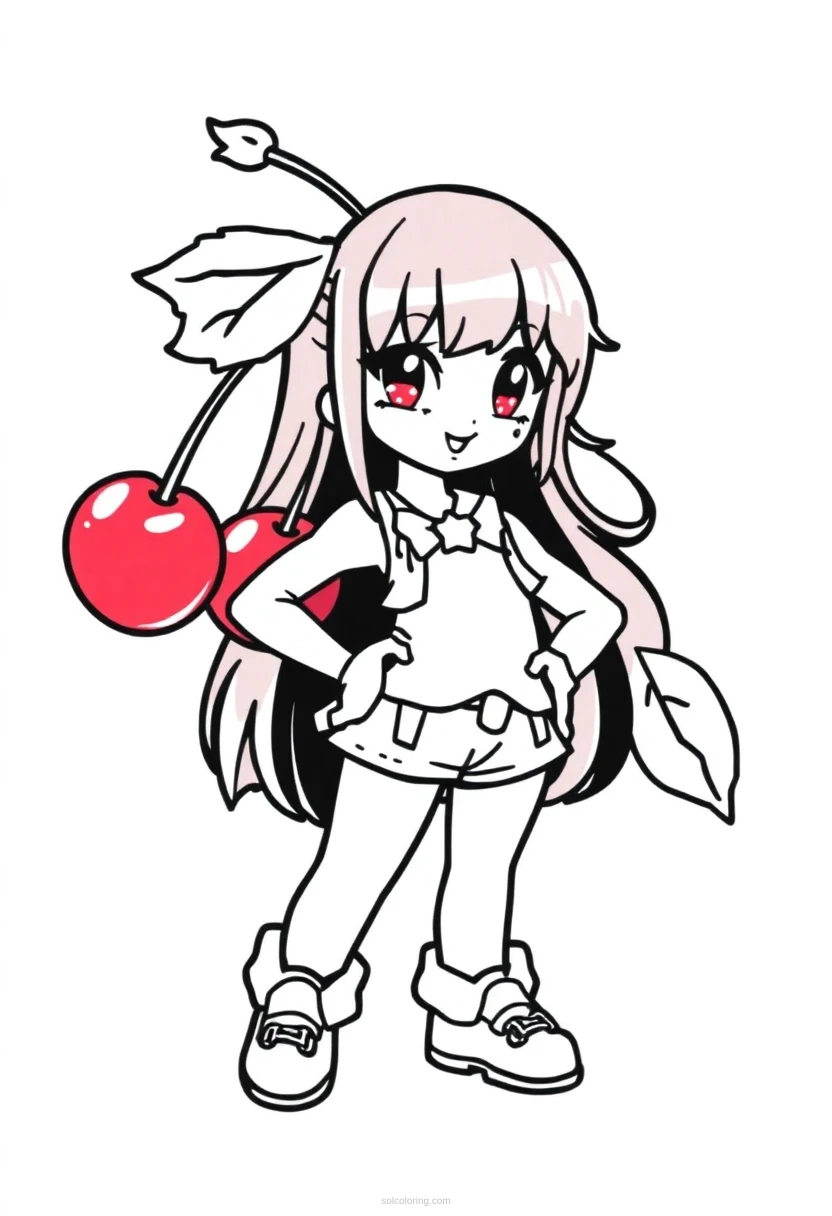
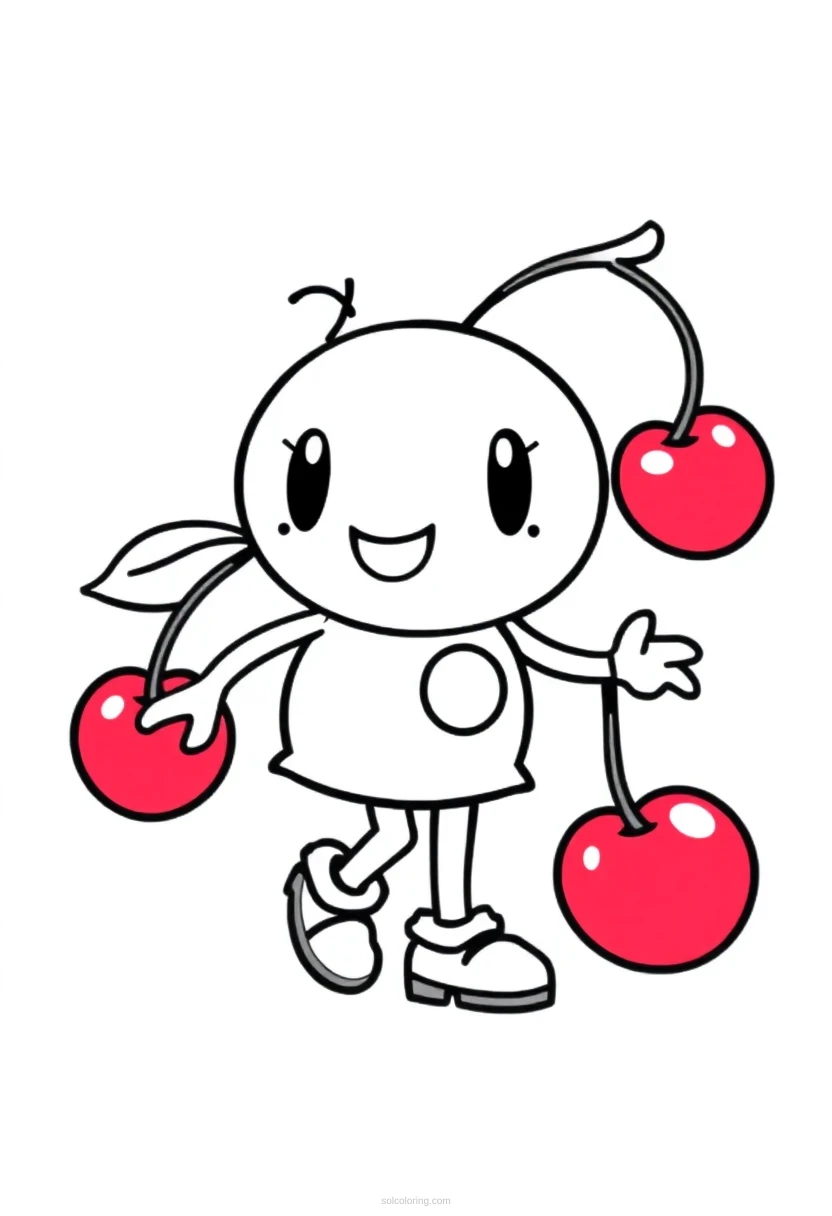
Step back in time with Pixel Art Cherry Bonus, a classic arcade game that defined early gaming with its simple yet addictive gameplay. Released in the golden age of arcade cabinets, this fruit-themed shooter became a beloved favorite for players of all ages. Our free printable coloring page celebrates the nostalgic pixel art style that made retro games so charming and iconic. Whether you're a gaming fan or love classic arcade aesthetics, this free printable coloring page lets you bring this digital legend to life with your own creative colors. Perfect for reliving arcade memories while enjoying a relaxing creative activity.
Read more →Read less ↑
Choose a style
Did you know?
Fun facts about Pixel Art Cherry Bonus
The first commercially successful arcade game, Pong, used only two white rectangles and a dot, proving that gameplay trumps graphics.
Cherry Bonus and similar fruit-themed games borrowed heavily from Japan's pachinko culture, adapting those gameplay concepts for arcade cabinets.
A single arcade cabinet could cost between $1,000 and $3,000 in the 1980s, yet many locations recouped their investment in just weeks through quarters.
Pixel art sprites were manually designed one pixel at a time by artists using specialized software, with some iconic characters taking weeks to perfect.
The golden age of arcades (1978-1985) generated more revenue than Hollywood movies, making arcade games the dominant entertainment medium of that era.
About Pixel Art Cherry Bonus
What makes pixel art such an important part of gaming history?
Pixel art was born from hardware limitations in the 1970s and 1980s, when computers couldn't display high-resolution graphics. Talented artists worked within tight constraints, creating iconic characters and scenes using tiny colored squares. This artistic style became so beloved that pixel art remains a thriving art form today, influencing modern indie games and digital artists worldwide.
Why were arcade games like Cherry Bonus so addictive?
Classic arcade games used simple mechanics paired with increasing difficulty to keep players engaged. Games earned money through repeated plays, so developers designed them to be fun but challenging. The bright colors, catchy sounds, and quick gameplay created an irresistible experience that drew crowds to arcades throughout the 1980s and 1990s.
What is the significance of fruit symbols in classic arcade games?
Fruit symbols originated from mechanical slot machines and carried over to early arcade games, creating a familiar visual language for players. Cherries, lemons, and oranges became iconic symbols representing rewards and bonuses. These fruit themes connected arcade gaming to the gaming culture of casinos and carnivals, making arcade games feel exciting and special.
How did arcade culture influence modern gaming design?
Arcade games established core design principles still used today: intuitive controls, clear objectives, immediate feedback, and escalating challenges. The 'high score' concept created competitive social play that inspired modern online gaming communities. Arcade games taught developers that fun gameplay matters more than cutting-edge graphics, a lesson indie game creators embrace enthusiastically today.
What technical limitations shaped the pixel art style?
Early computer processors handled only simple geometric shapes efficiently, while displaying thousands of individual pixels required less computing power. Artists adapted by using small pixel grids to create detailed characters and environments. These technical boundaries actually sparked incredible creativity, proving that constraints can fuel artistic innovation rather than limit it.
Why do vintage arcade games still appeal to modern audiences?
Retro games offer pure, focused gameplay without modern distractions like ads or complex menus. The colorful pixel art style feels timeless and artistic, appealing to both nostalgia and contemporary aesthetic appreciation. Many players enjoy the challenge of mastering simple mechanics, plus arcade games represent a cultural era of shared public gaming experiences that felt truly special.
More Classic Arcade coloring pages

Coloring page FAQs
Are these Pixel Art Cherry Bonus coloring pages free?
Yes! All our Pixel Art Cherry Bonus coloring pages are completely free to download and print. Simply visit Sol Coloring, select your favorite design, and print it directly from your home printer. No signup, no fees, no hidden costs required. Start coloring right away.
What age are these Pixel Art Cherry Bonus coloring pages for?
These coloring pages work perfectly for ages 8 to 14 and beyond. The pixel art style offers simple, bold shapes that are easy to color, while the arcade theme appeals to gaming fans of all skill levels. Adults also enjoy the nostalgic gaming references and relaxing creative process.
How do I print these Pixel Art Cherry Bonus coloring pages?
Printing is simple! Download the page to your device, open it with any PDF viewer, and click print. Choose standard A4 or Letter size paper, select color or black and white, and print from any home or school printer. No special software or setup needed.