Historical Eras Scenes
Medieval Herbalist Garden And Apothecary Coloring Pages
6 free printable designs including Realistic, Detailed, Simple, Mandala and more.
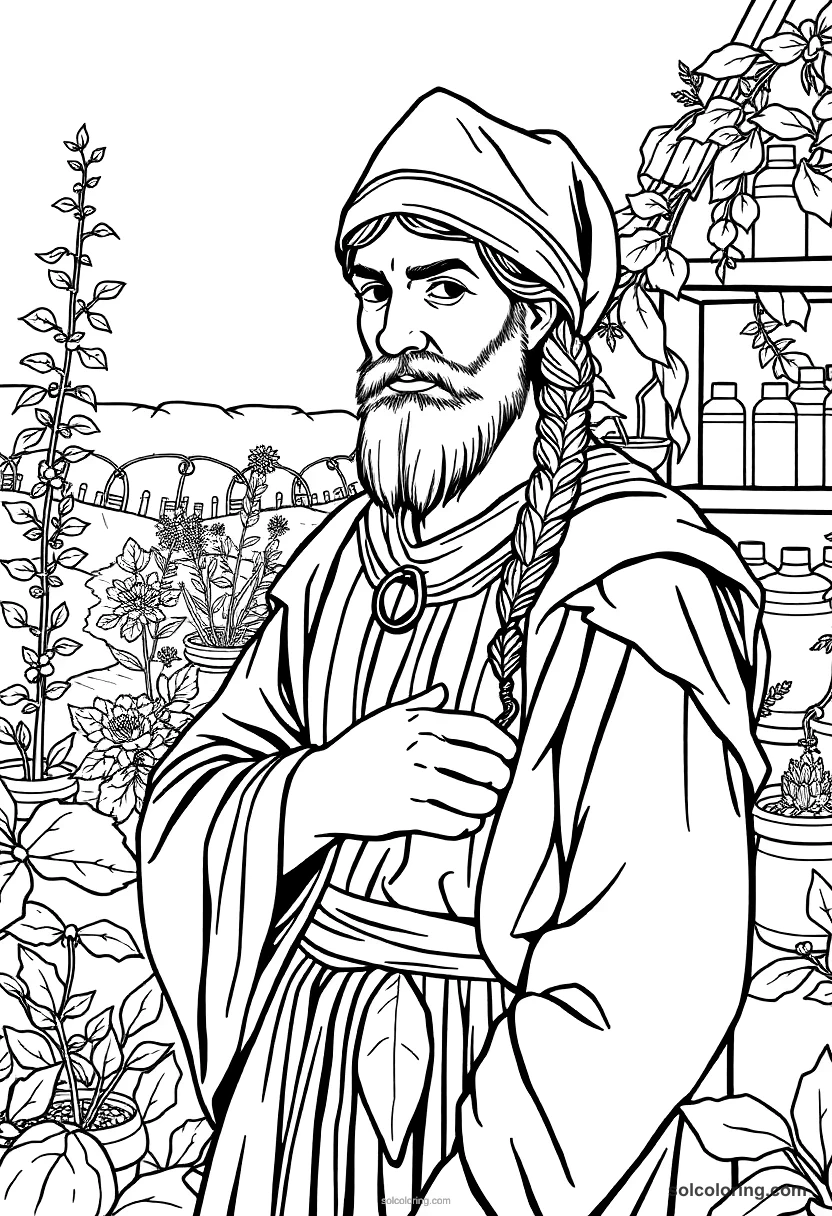
Step into a fascinating medieval world where healers grew magical remedies in secret gardens! Medieval herbalists were the doctors and pharmacists of their time, carefully tending plants like lavender, rosemary, and chamomile to create powerful medicines. Their apothecaries were filled with mysterious jars, dried herbs hanging from wooden beams, and ancient books containing centuries of healing wisdom. These skilled practitioners combined science with a touch of mysticism, creating remedies that are still used today. Our free printable coloring page brings this enchanting historical scene to life, featuring detailed herb gardens, stone mortar and pestles, and shelves lined with bottles and potions. Color your way through history and discover the incredible world of medieval medicine!
Read more →Read less ↑
Choose a style
Medieval Herbalist Garden and Apothecary
Realistic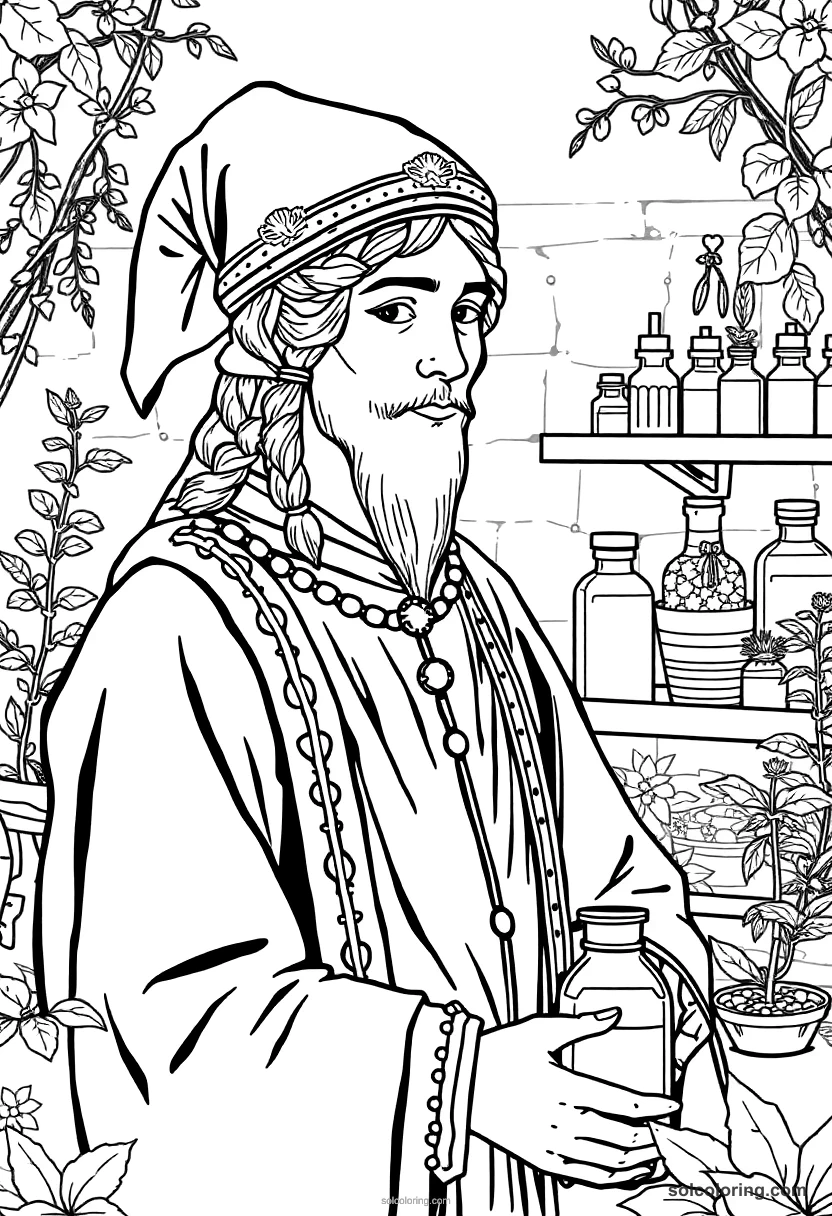
Medieval Herbalist Garden and Apothecary
Detailed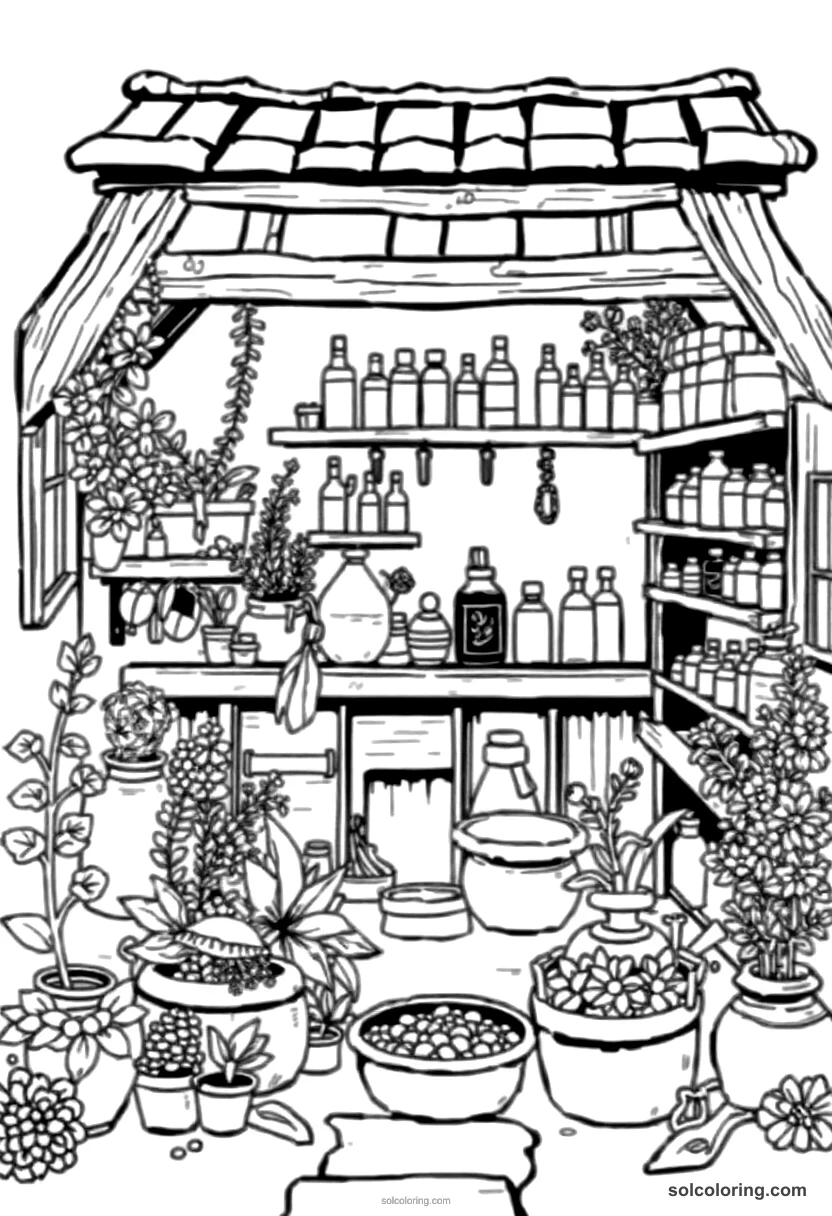
Simple Medieval Herbalist Garden and Apothecary
Simple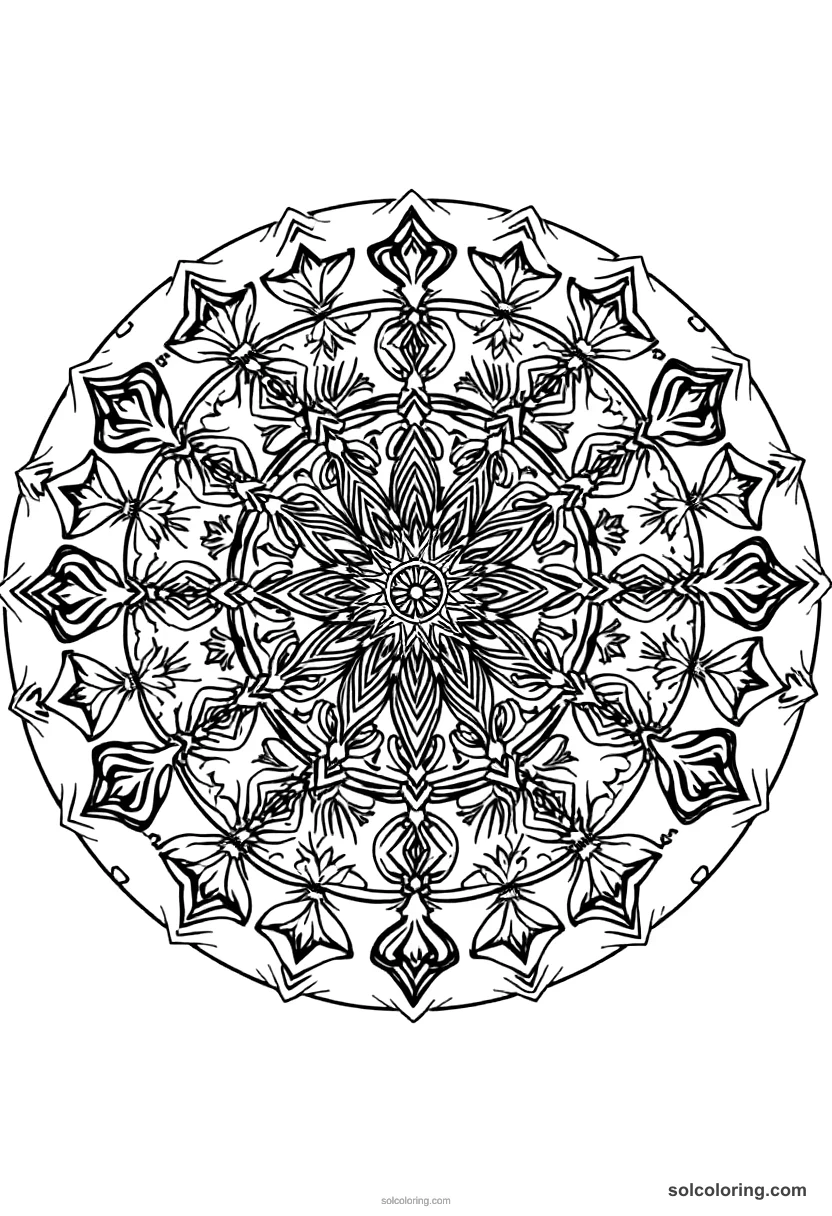
Mandala Medieval Herbalist Garden and Apothecary
Mandala
Chibi Medieval Herbalist Garden and Apothecary
Chibi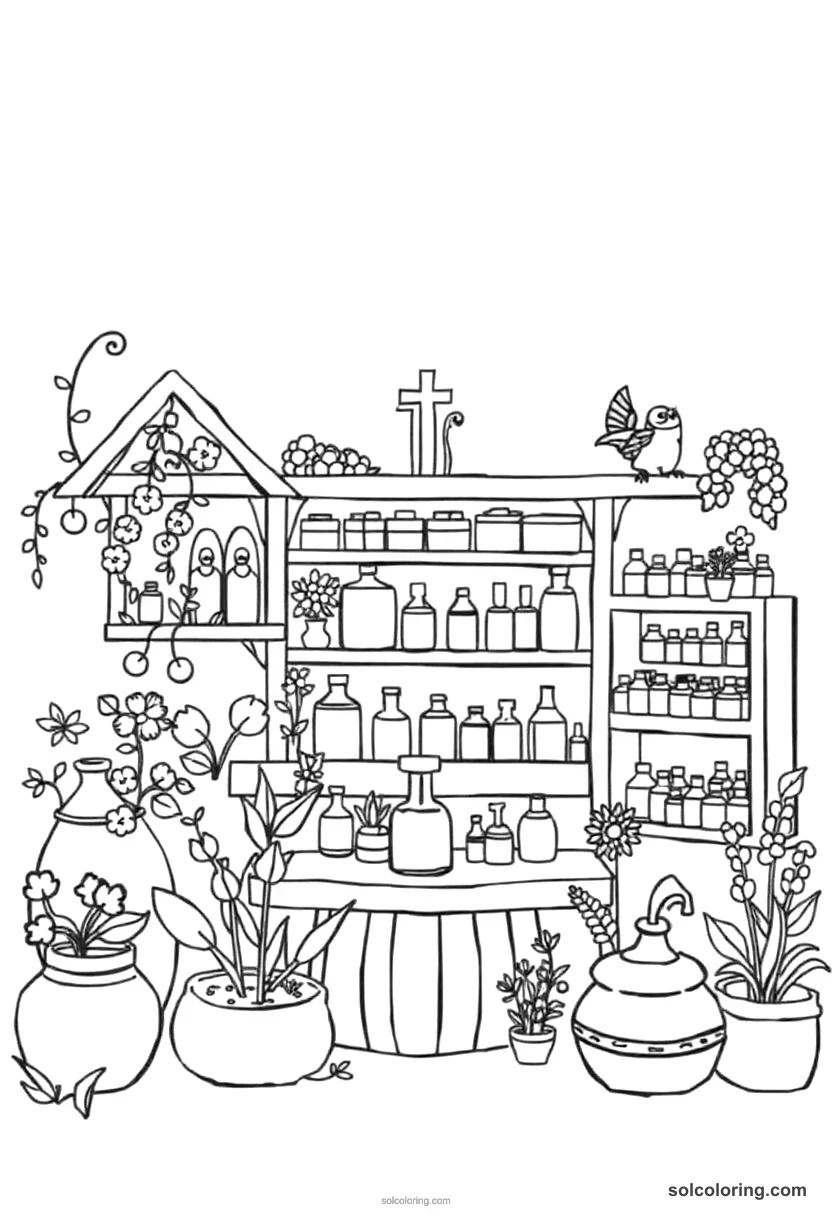
Cute Cartoon Medieval Herbalist Garden and Apothecary
Cute Cartoon
Did you know?
Fun facts about Medieval Herbalist Garden And Apothecary
Medieval herbalists believed plants were most potent when harvested during specific moon phases, with full moon picking supposedly creating the strongest medicines.
The word 'apothecary' comes from the Greek word 'apotheke' meaning storehouse, and these shops were among the first retail businesses to use glass windows for attractive displays.
Medieval herbalists created the first 'aspirin' by brewing willow bark tea, a remedy they used over 400 years before the chemical compound was officially discovered in 1838.
Many medieval monasteries had specialized 'physic gardens' where monks grew medicinal plants in geometrically designed beds that represented the order of God's creation.
The famous medieval herbalist Hildegard of Bingen documented over 300 plant remedies and was one of the first people to write about the healing properties of lavender and fennel.
About Medieval Herbalist Garden And Apothecary
What plants did medieval herbalists grow in their gardens?
Medieval herbalists cultivated over 500 medicinal plants including lavender for headaches, willow bark for pain relief, and foxglove for heart conditions. They also grew culinary herbs like thyme, sage, and parsley that doubled as medicines for digestive problems.
How did medieval apothecaries organize their medicines?
Apothecaries stored herbs in labeled ceramic jars called albarelli, hung dried plants from rafters, and kept precious ingredients in locked wooden chests. They used complex symbols and Latin names to identify different remedies and their uses.
What tools did medieval herbalists use to make medicines?
Herbalists used marble mortars and pestles to grind herbs, copper stills for making essential oils, and brass scales for precise measurements. They also employed special knives for harvesting plants at optimal times and wooden presses for extracting juices.
How did people learn to become medieval herbalists?
Most herbalists learned through apprenticeships lasting seven years, studying under master practitioners. They memorized hundreds of plant properties, learned to read Latin medical texts, and practiced identifying herbs in monastery gardens where much knowledge was preserved.
What was the difference between herbalists and doctors in medieval times?
While university-trained physicians focused on theory and bloodletting, herbalists provided practical plant-based treatments. Many herbalists were women called wise women who served rural communities, while male physicians typically treated wealthy urban patients with expensive procedures.
How accurate were medieval herbal remedies compared to modern medicine?
Surprisingly, about 25% of modern pharmaceuticals derive from plants medieval herbalists used. They correctly identified willow bark containing aspirin, digitalis from foxglove for heart conditions, and antimicrobial properties in garlic and honey that science later confirmed.
More Historical Eras Scenes coloring pages

Coloring page FAQs
Are these Medieval Herbalist Garden And Apothecary coloring pages free?
Yes! All our Medieval Herbalist Garden And Apothecary coloring pages are completely free to download and print. No hidden fees or subscriptions required.
What age are these Medieval Herbalist Garden And Apothecary coloring pages for?
These pages are designed for ages 8-14, with varying detail levels. Younger kids can enjoy simpler elements while teens can tackle intricate herb garden details.
How do I print these Medieval Herbalist Garden And Apothecary coloring pages?
Simply download the PDF and print on standard A4 or Letter paper using any home printer. No account signup needed, just click and print!