Historical
Egyptian Pharaoh Coloring Page
Standard style
About this coloring page
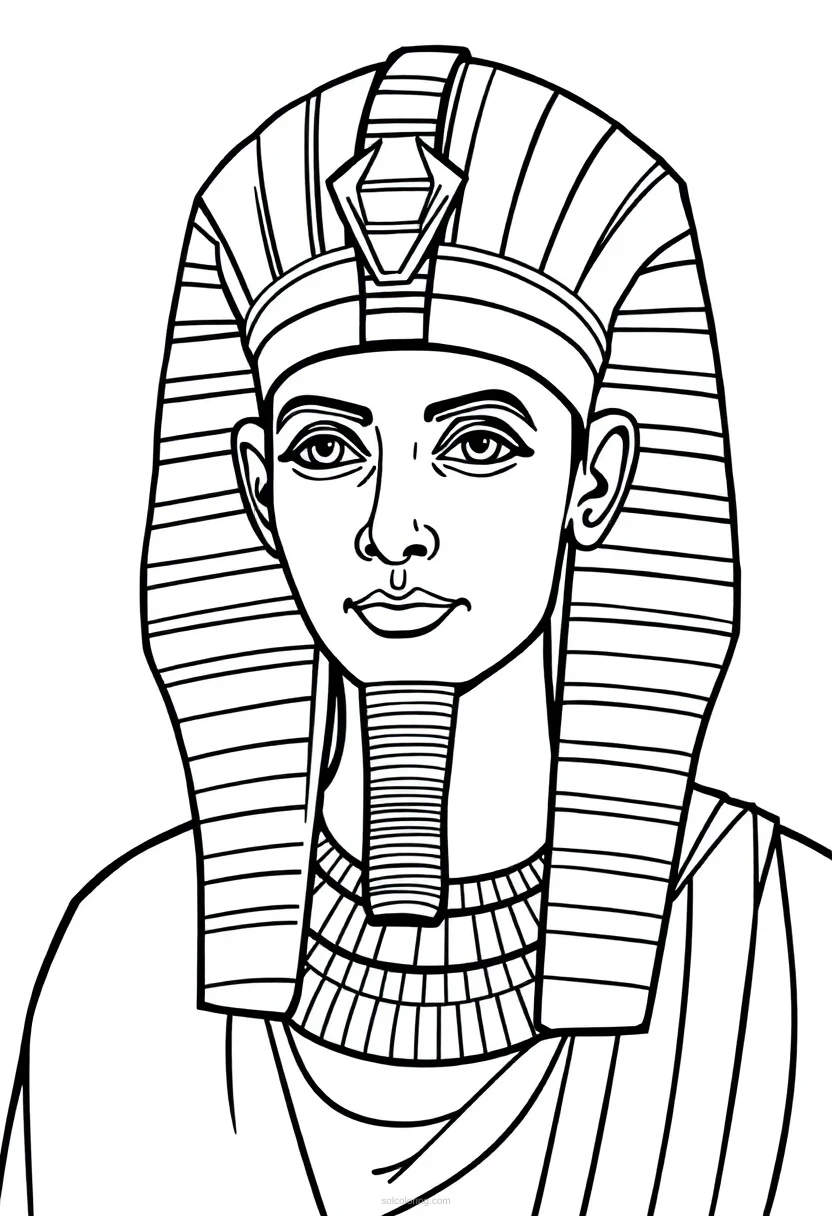
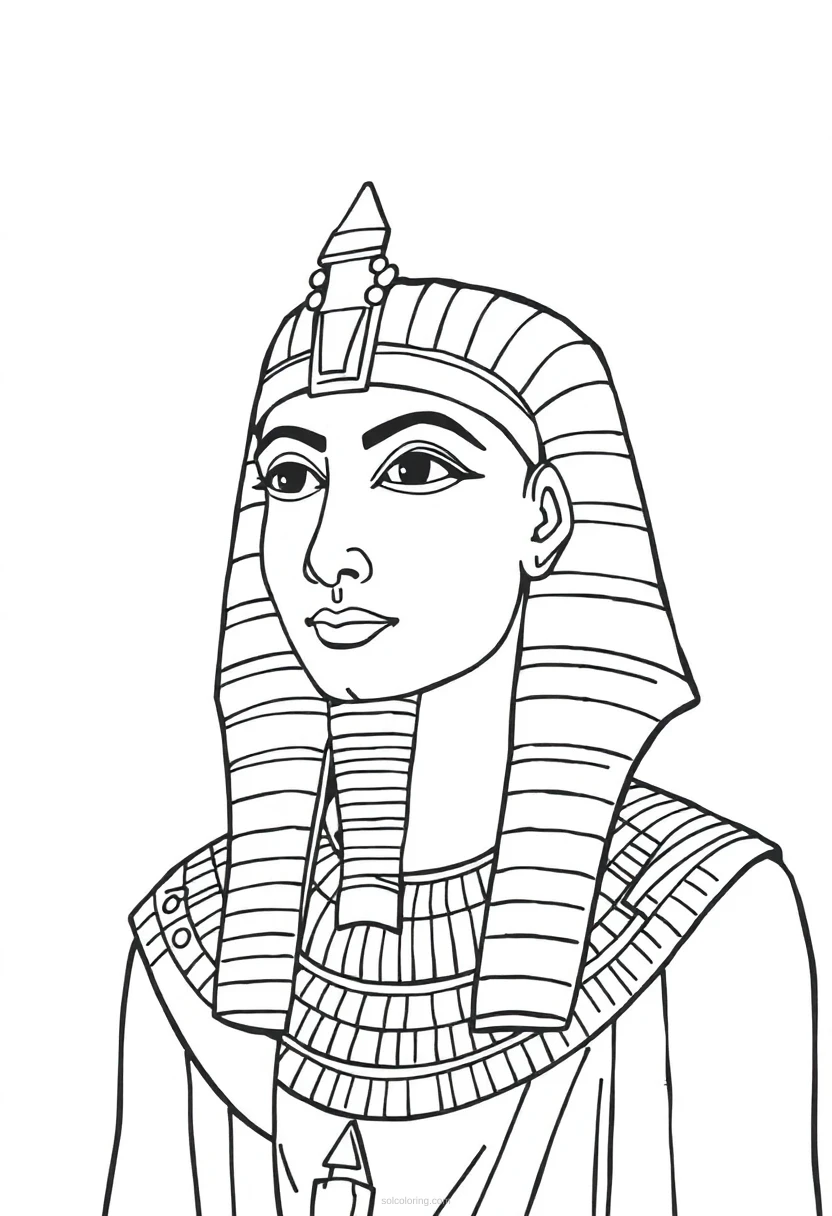
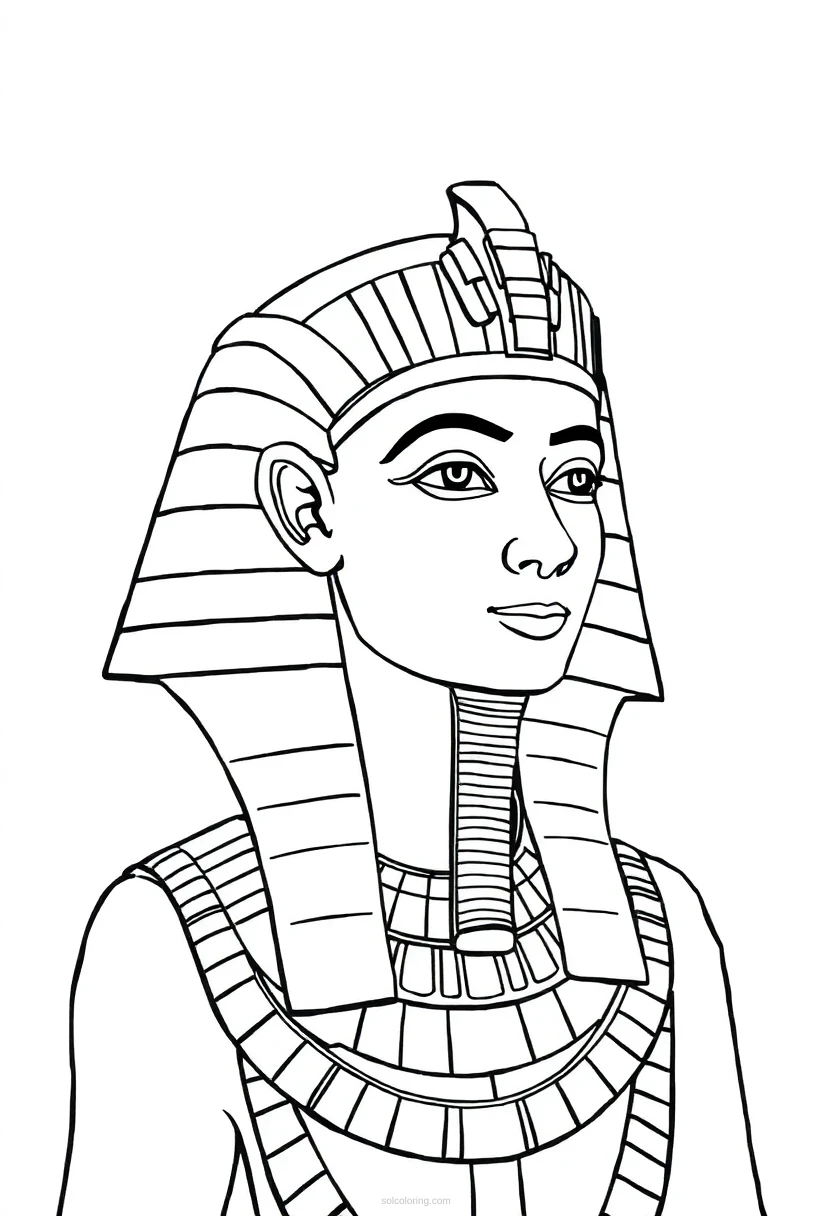
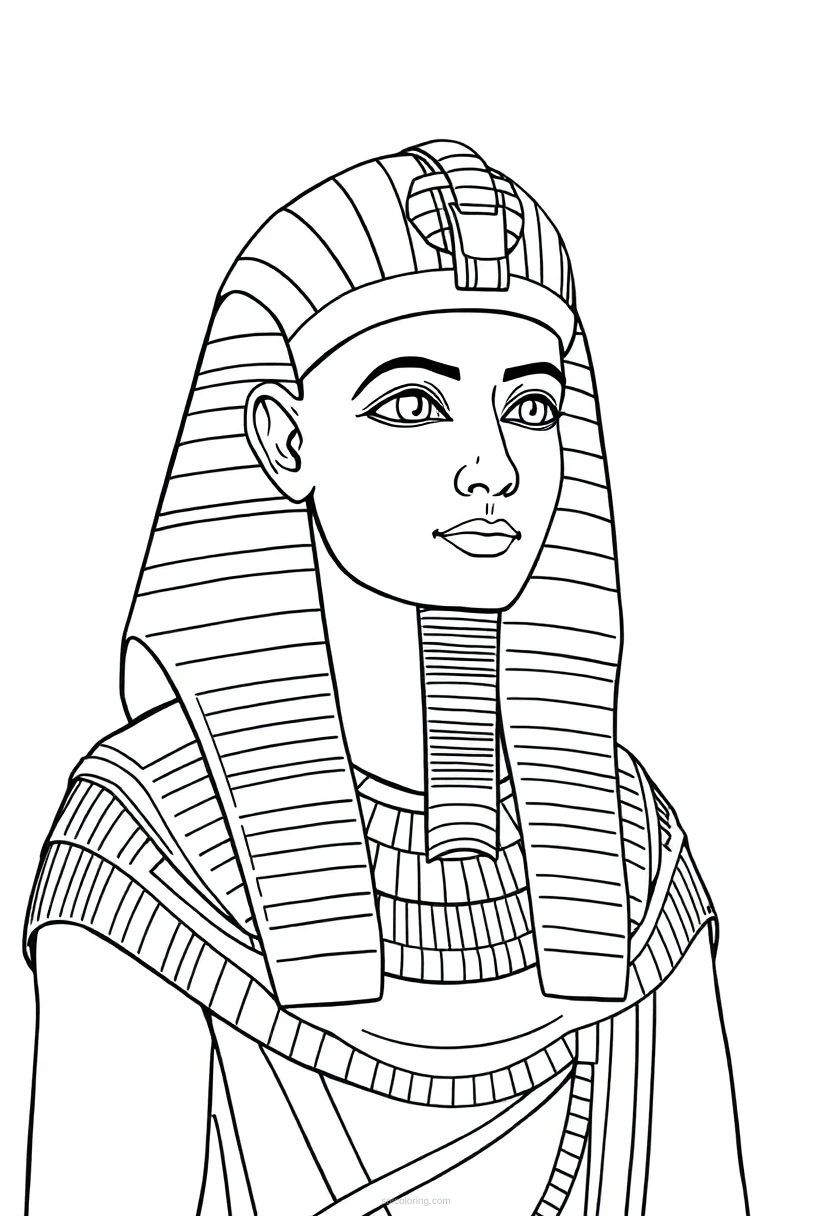
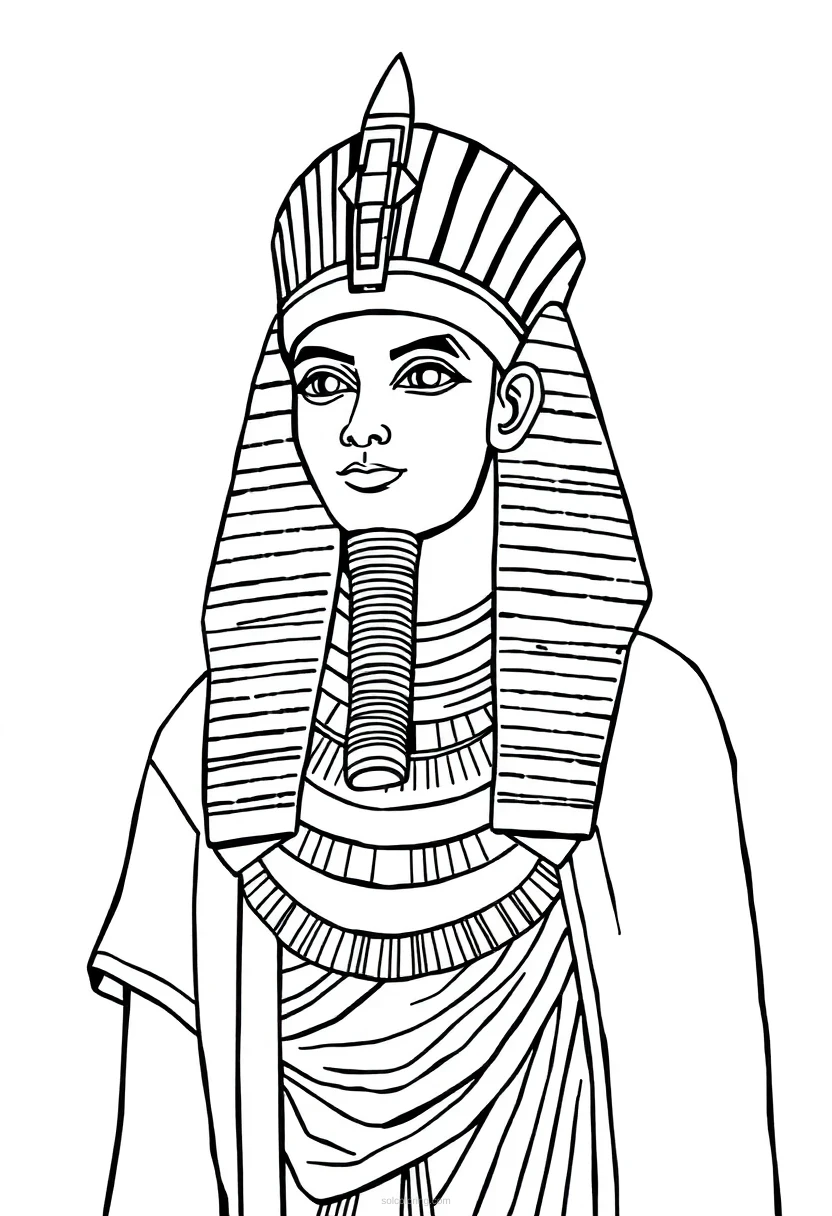
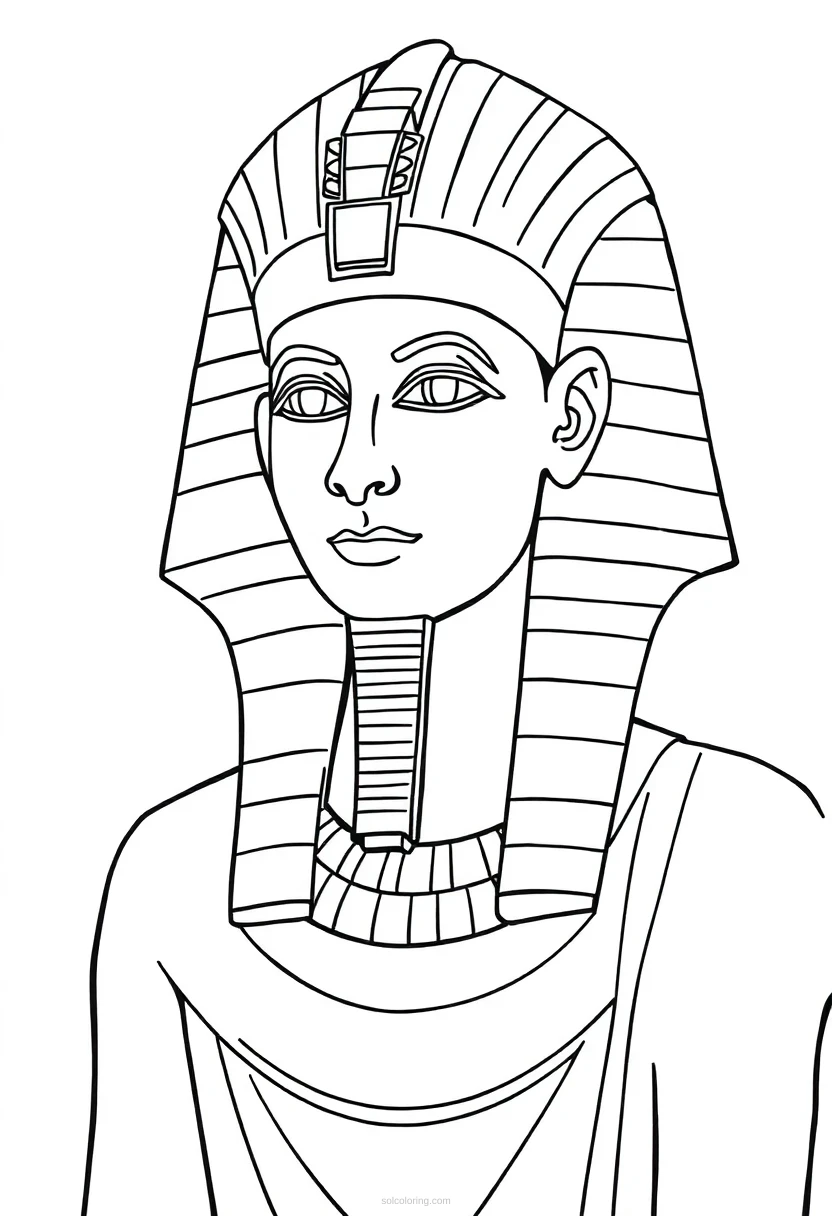
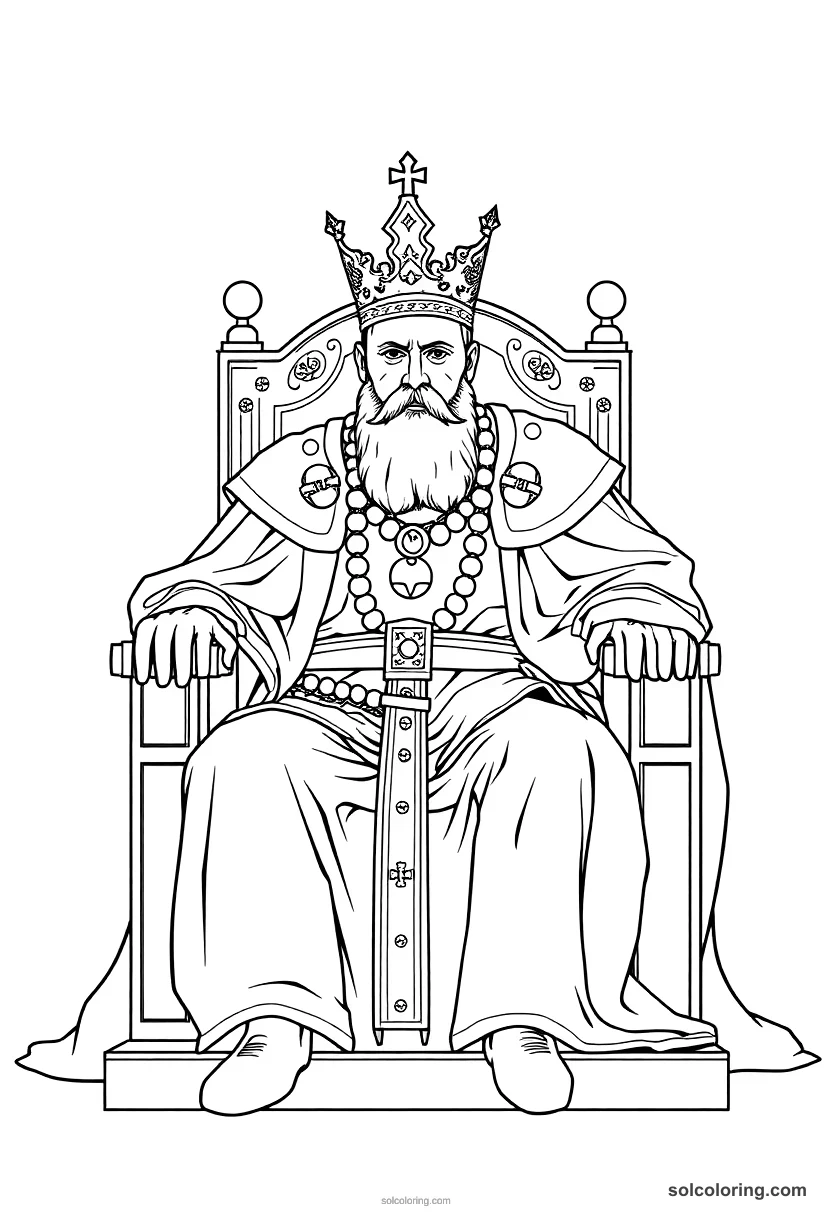
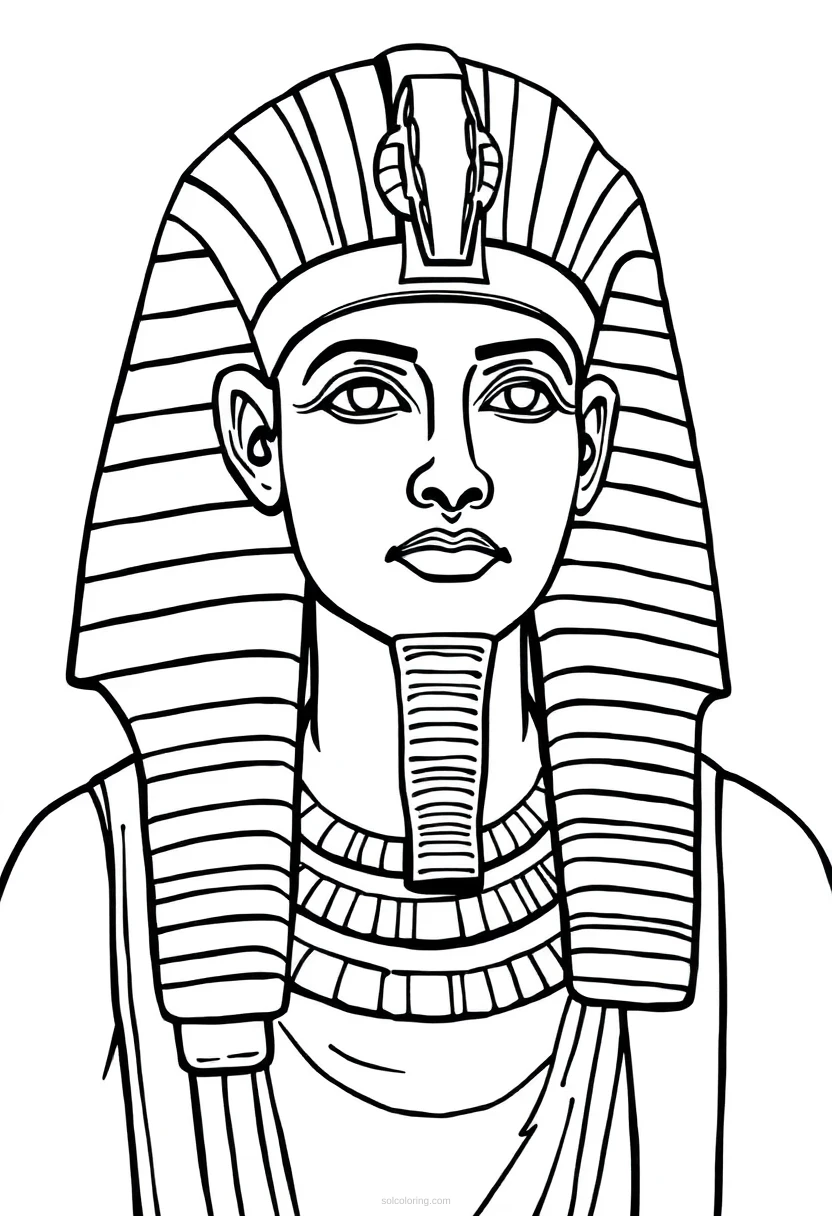
This Egyptian Pharaoh coloring page features a majestic ruler wearing the traditional striped nemes headdress and ornate royal collar, perfect for young historians! The bold, simple outlines make this free printable coloring sheet ideal for children learning about ancient Egypt. Download instantly and bring this powerful pharaoh to life with your favorite colors!
Frequently asked
Who were some of the most famous Egyptian pharaohs?
Tutankhamun, also called King Tut, became pharaoh at just 9 years old and ruled until his mysterious death at 19. Ramesses II, called the Great, reigned for 66 years and built more monuments than any other pharaoh. Cleopatra VII was the last pharaoh and was known for her intelligence and political skill. Each left unique legacies.
Why did pharaohs build pyramids?
Egyptians believed in an afterlife and constructed pyramids as elaborate tombs for pharaohs and their treasures. These monuments were meant to protect the pharaoh's body and possessions for eternity. The Great Pyramid of Khufu took about 20 years to build with over 2 million stone blocks, making it one of history's greatest engineering achievements.
What special powers did Egyptians believe pharaohs had?
Ancient Egyptians viewed pharaohs as living gods with divine powers connecting them to the gods Ra, Osiris, and Horus. They believed the pharaoh could control the flooding of the Nile River, ensure good harvests, and guide souls into the afterlife. This religious belief made pharaohs extremely powerful and respected figures.
Are these Egyptian Pharaoh coloring pages free?
Yes! All our Egyptian Pharaoh coloring pages are completely free to download and print. There are no hidden fees, subscriptions, or signup requirements. Simply visit Sol Coloring, select your favorite design, and print as many copies as you'd like on standard A4 or Letter paper.
What age are these Egyptian Pharaoh coloring pages for?
Our Egyptian Pharaoh coloring pages are designed for ages 8 to 14, with varying difficulty levels. Younger children can enjoy bold outlines and simple designs, while older kids might prefer more detailed historical elements like hieroglyphics and intricate patterns. Everyone can find a version that matches their skill level.