Historical
Roman Gladiator Coloring Page
Standard style
About this coloring page
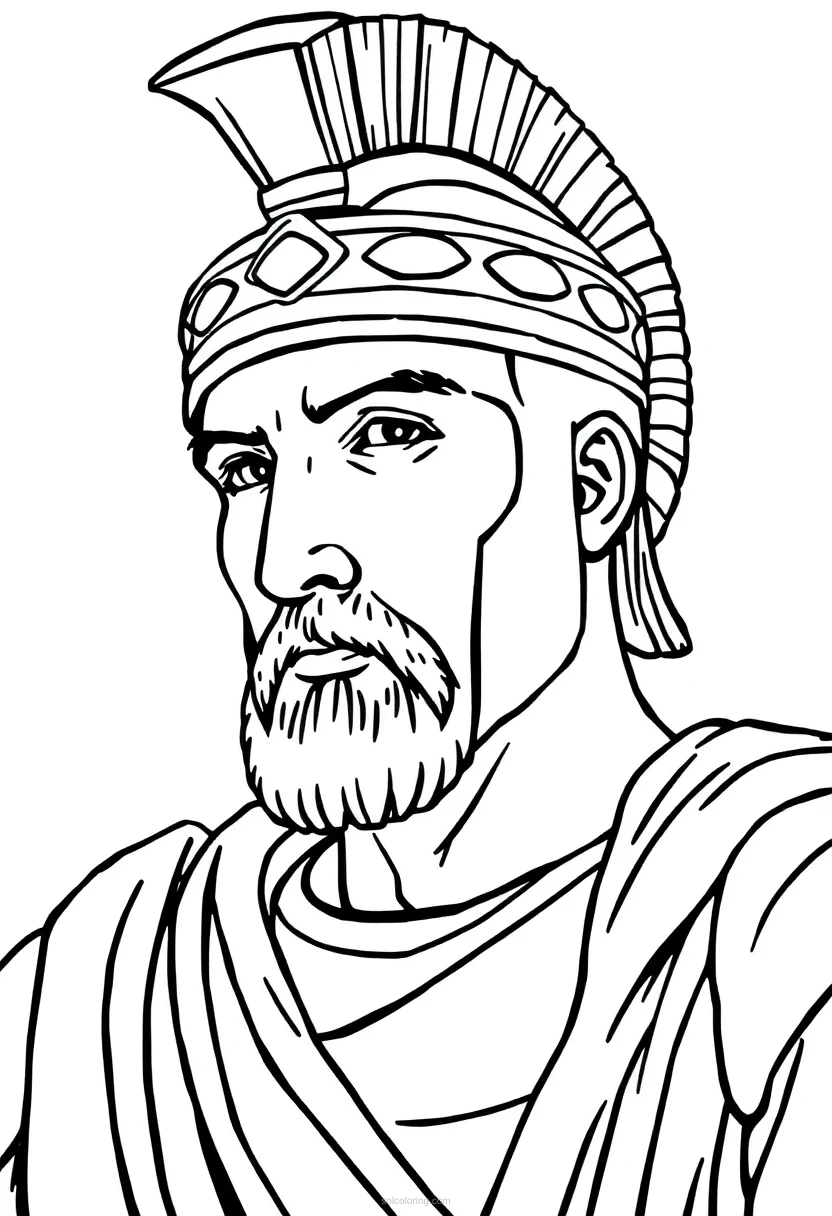
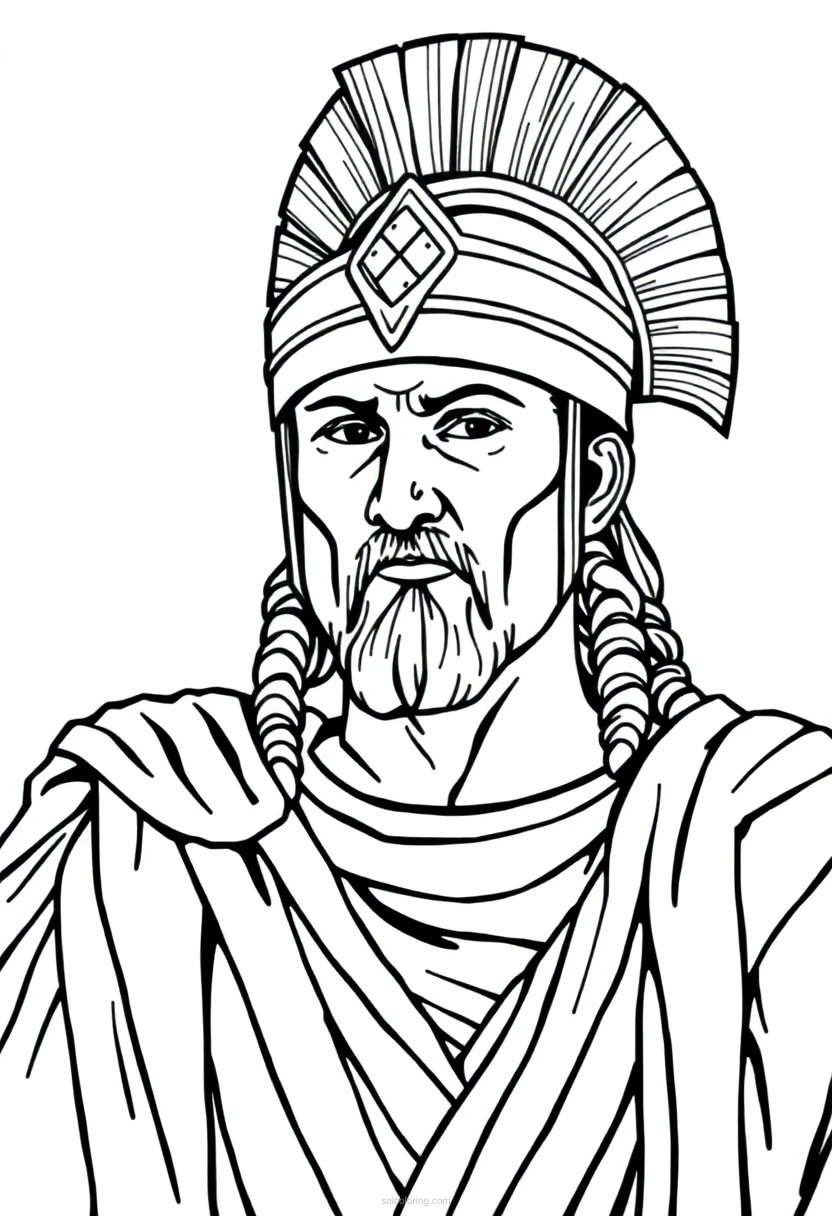
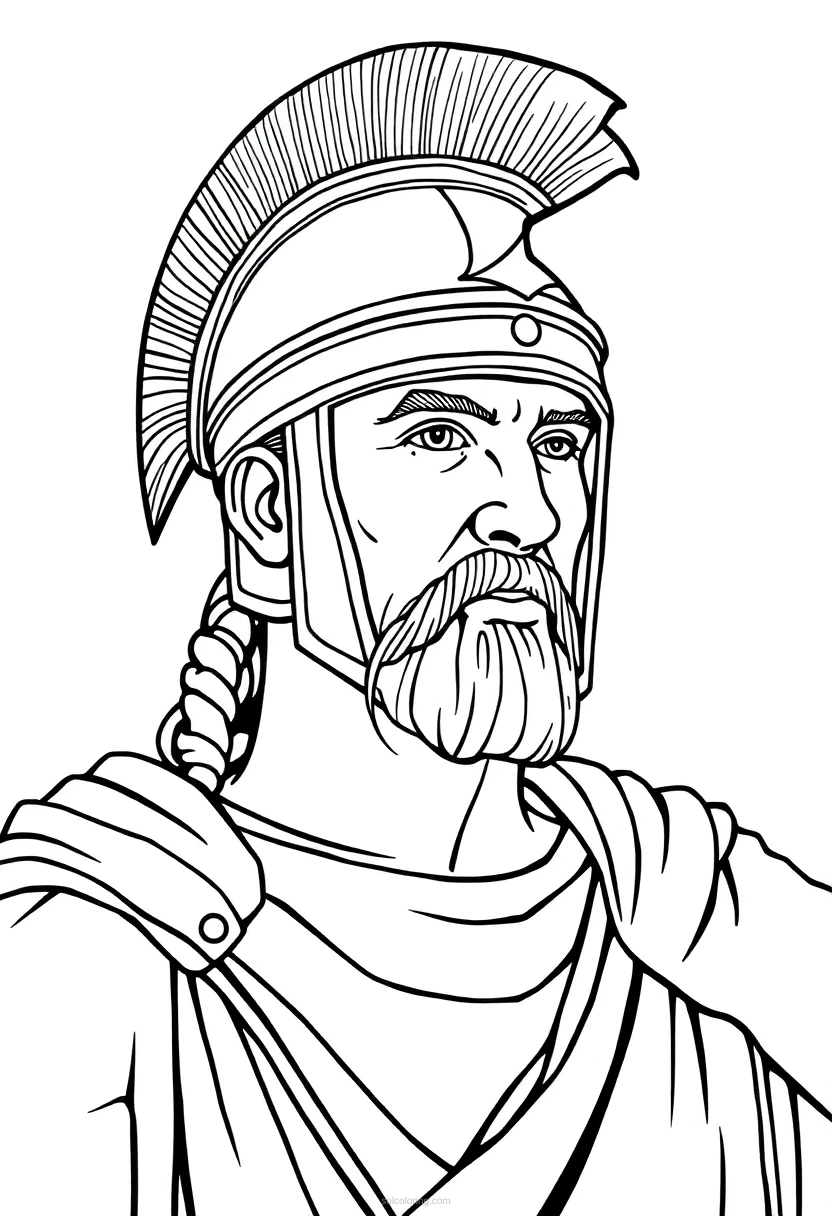
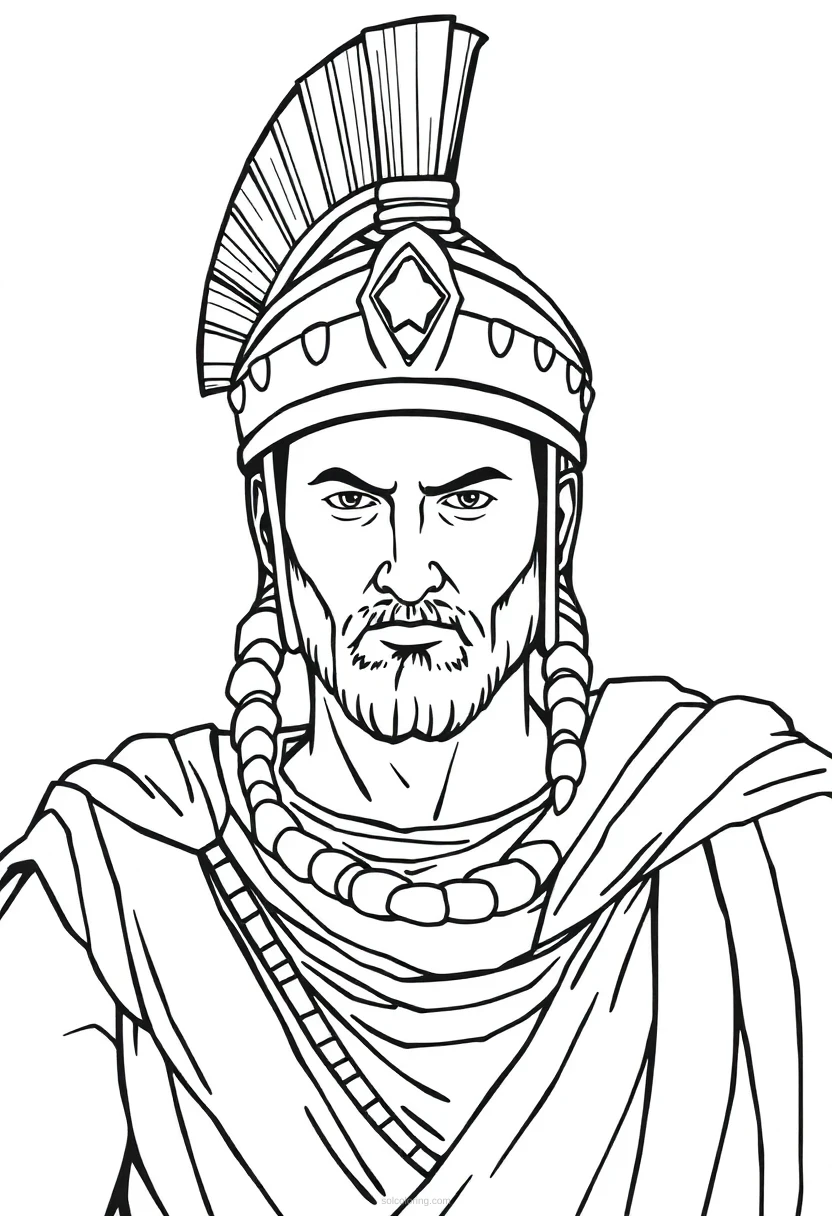
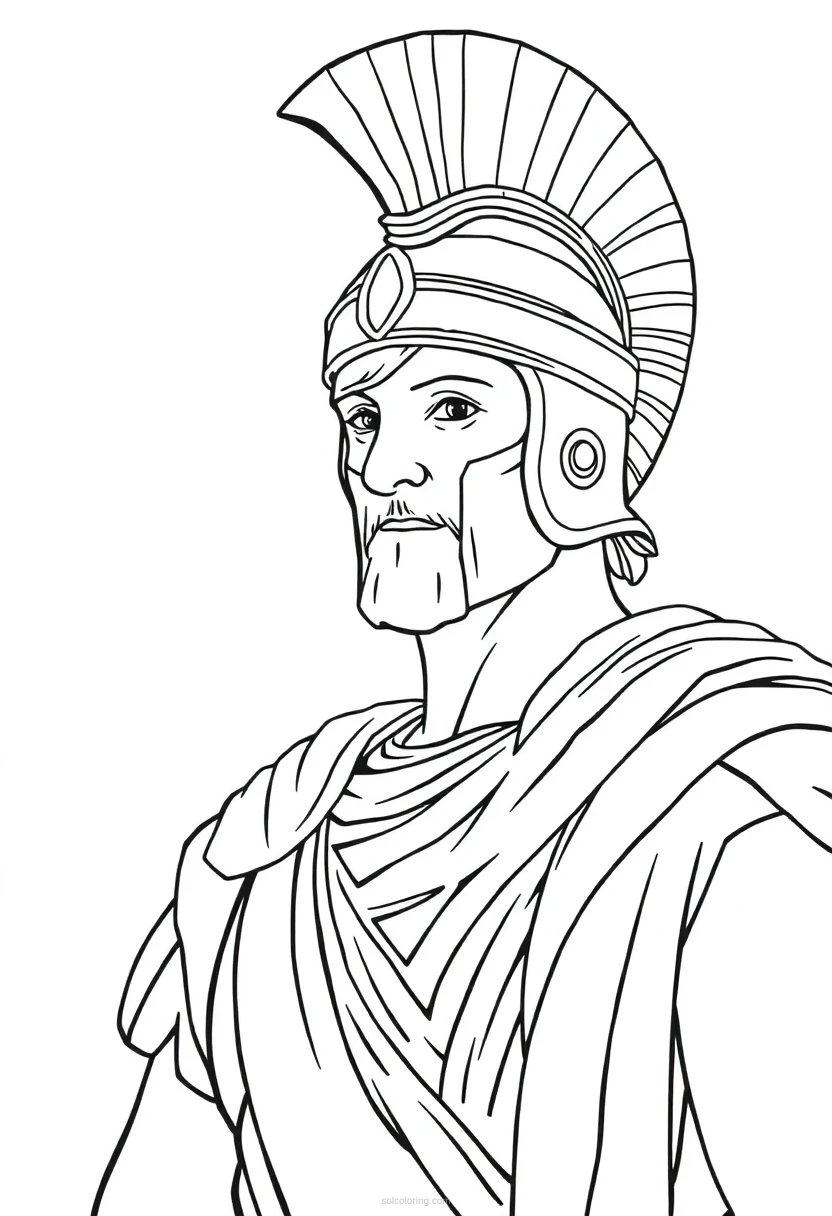
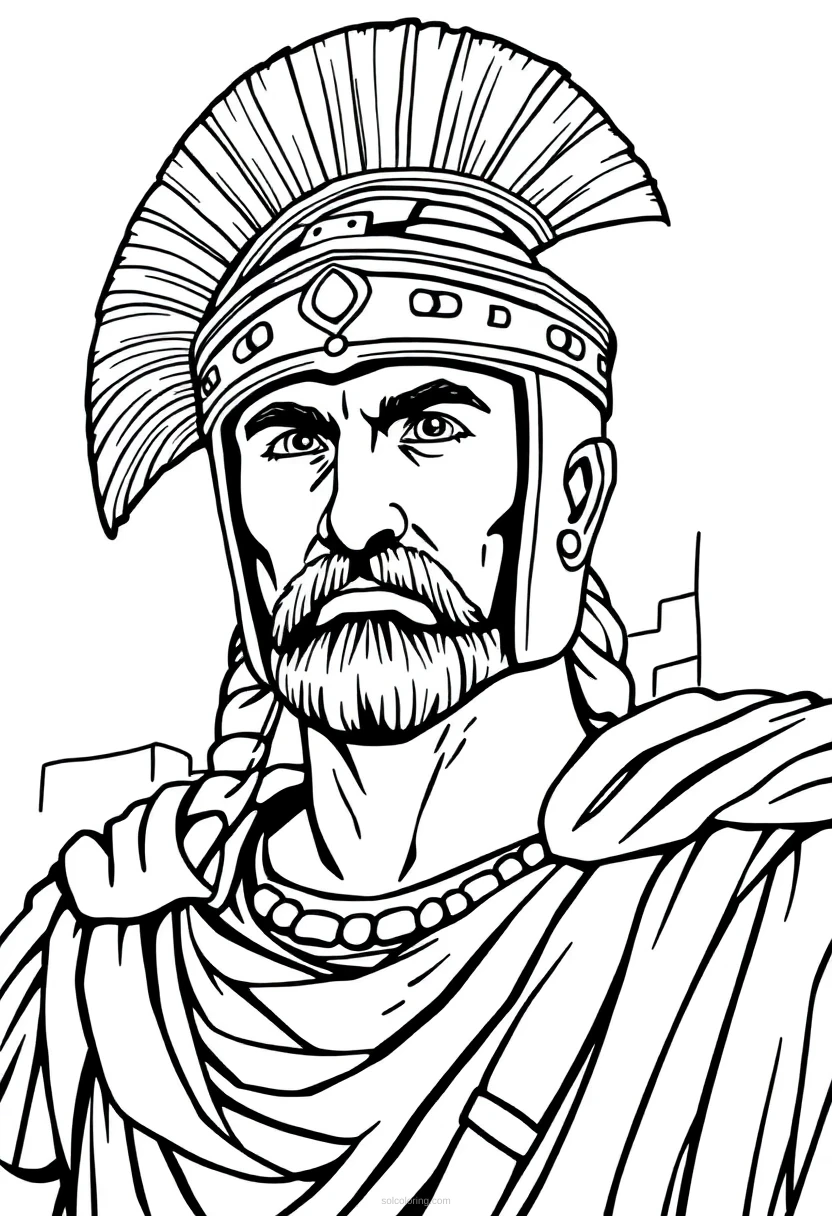
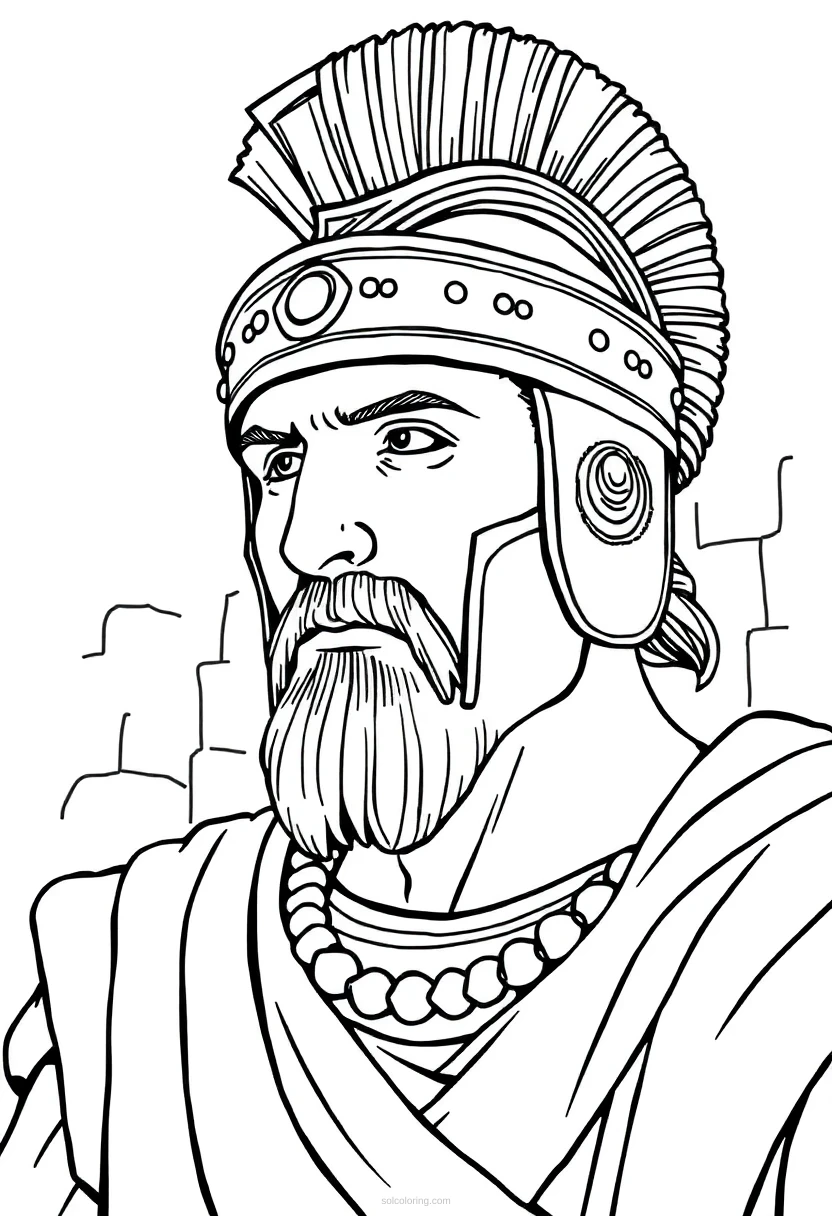
This adorable Roman Gladiator coloring page features a friendly cartoon warrior complete with traditional armor, shield, and sword in a detailed yet approachable design. The bold, clear outlines make this free printable perfect for colorists of all ages who love historical themes. Kids will enjoy bringing this brave gladiator to life with their favorite colors while learning about ancient Roman history!
Frequently asked
What types of gladiators fought in Roman arenas?
Gladiators specialized in different fighting styles based on their equipment and weapons. The Retiarius used a net and trident, the Murmillo carried a sword and shield, the Thracian wielded a curved scimitar, and the Secutor was an all-around fighter. Each type required unique skills and training strategies for combat success.
Did all gladiators fight to the death?
Not necessarily. While deadly combat occurred, many fights ended when one fighter was wounded or exhausted. The crowd could request mercy for a defeated gladiator by giving a thumbs-up signal. However, emperors sometimes demanded brutal battles, and execution matches did happen, making a gladiator's life genuinely dangerous.
How were gladiators trained and where did they live?
Gladiators trained in special schools called ludus, overseen by a lanista (trainer). They lived in barracks together, received strict martial training, and followed regulated diets. Successful gladiators became celebrities and earned significant prize money, allowing some to purchase their freedom and retire wealthy.
Are these Roman Gladiator Detailed coloring pages free?
Yes, all coloring pages on Sol Coloring are completely free to download and print. There are no hidden fees, subscriptions, or sign-ups required. Simply visit our website, select your favorite free printable coloring page, and start coloring right away.
What age are these Roman Gladiator Detailed coloring pages for?
Our Roman Gladiator coloring pages are designed for ages 8 to 14 and feature varying complexity levels. Younger kids can enjoy simpler outlined versions, while older children and teens will appreciate the intricate details and historical elements in our more detailed designs.