
Historical
Roman Gladiator Mandala Coloring Pages
6 free printable designs including Standard, Standard, Standard, Standard and more.
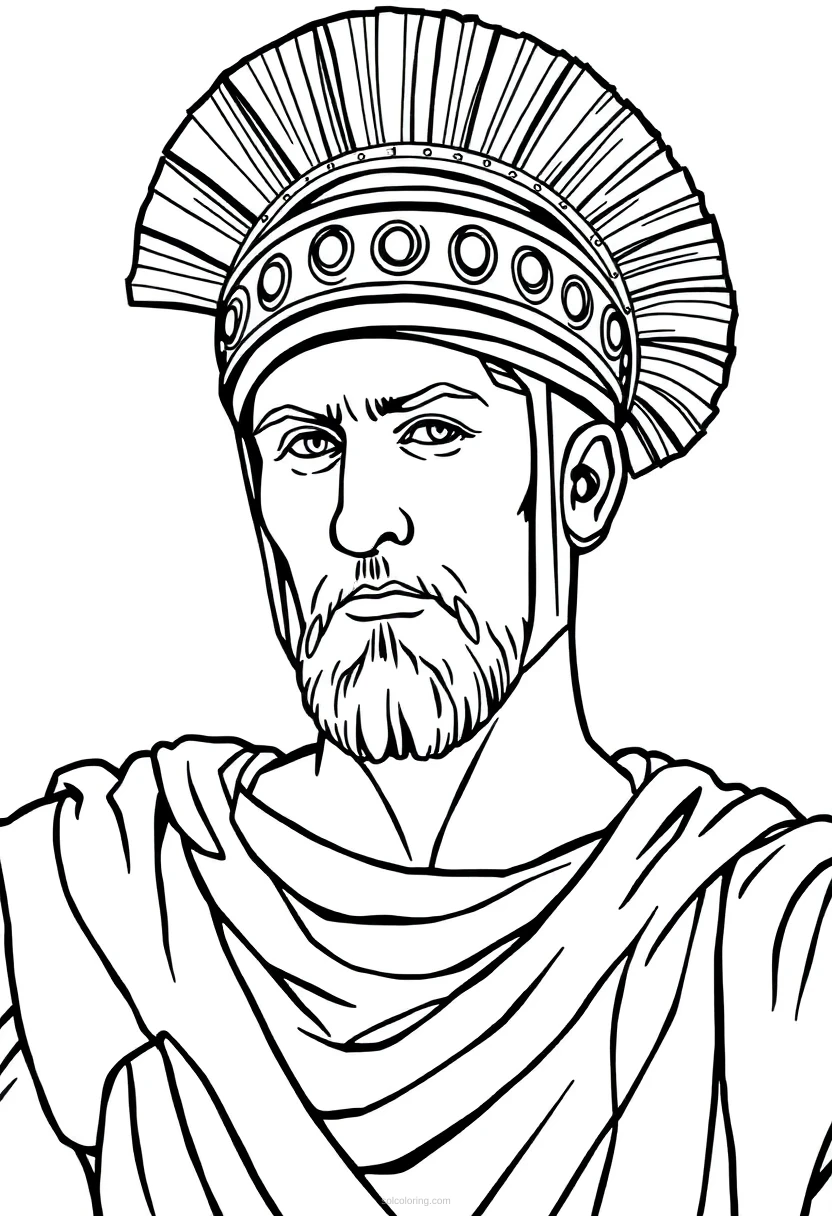
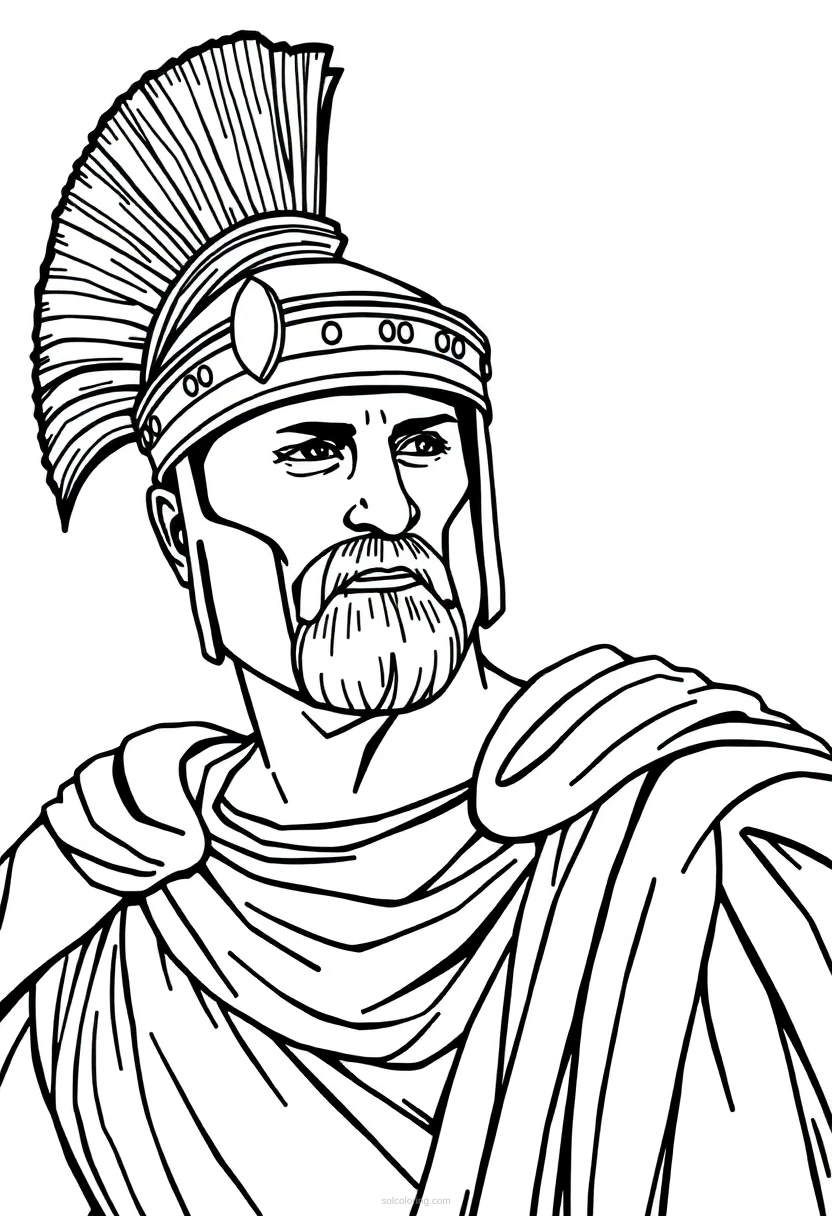
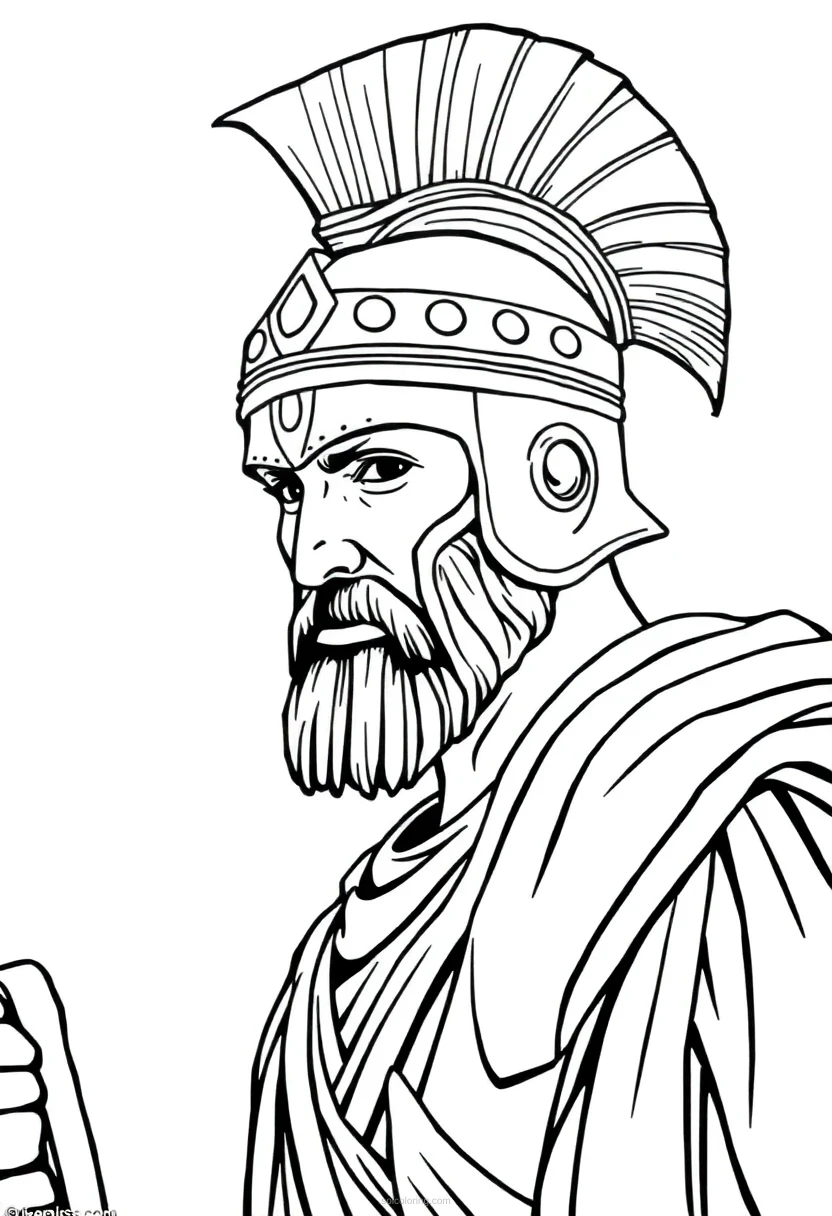
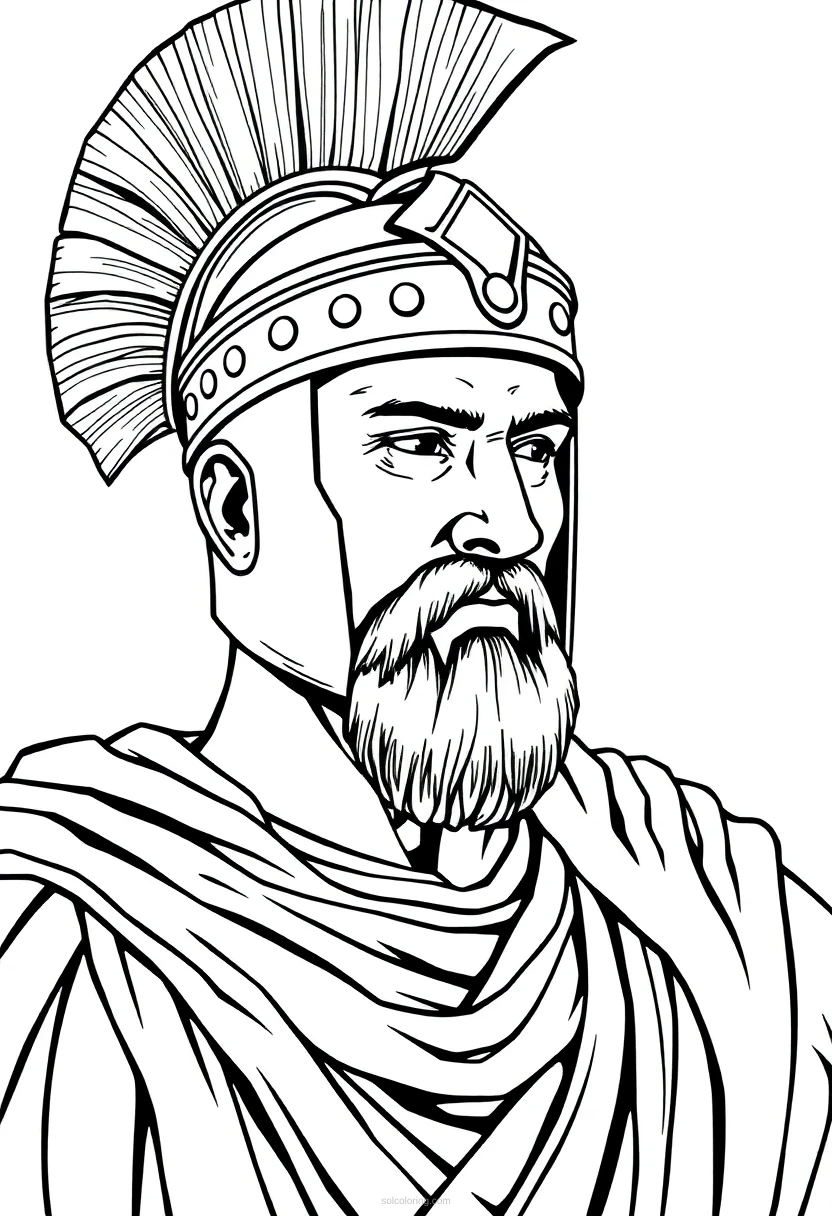
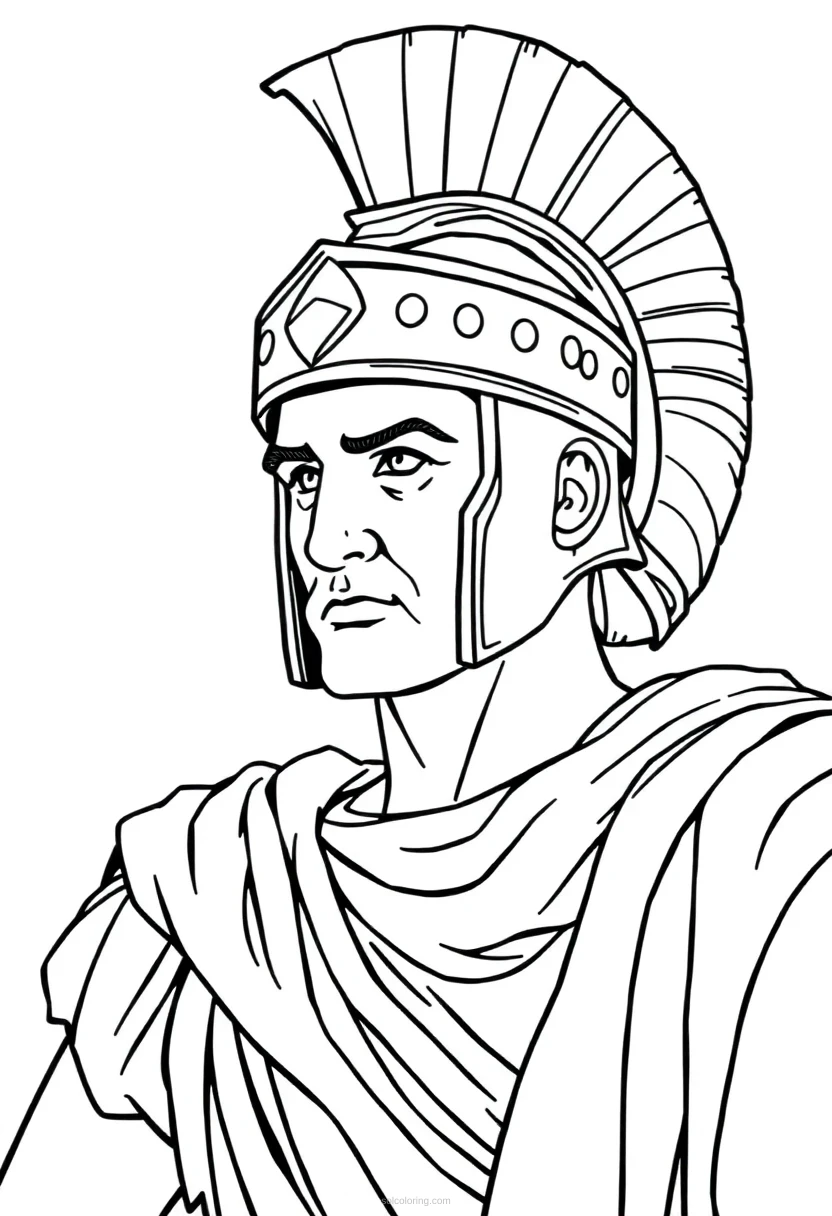
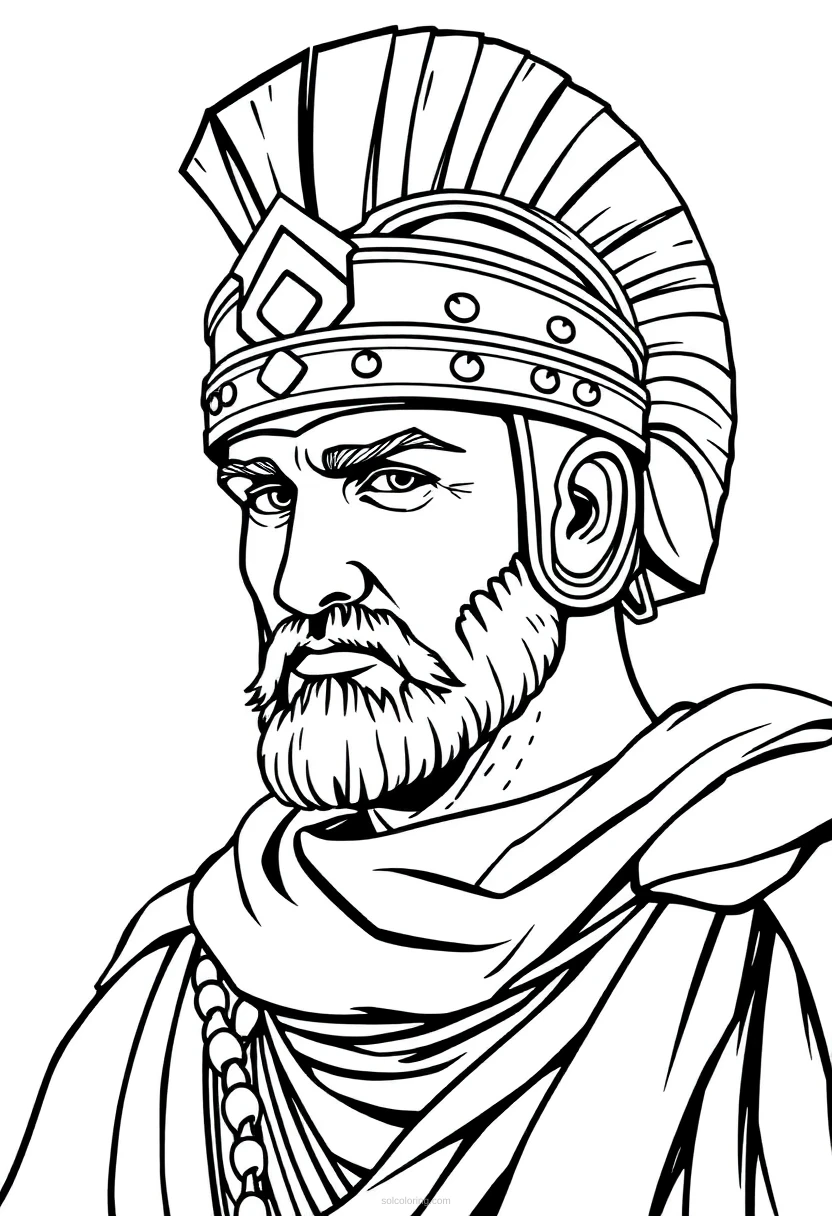
Discover the thrilling world of Roman gladiators through this stunning free printable coloring page that blends history with artistic design. Gladiators were skilled warriors who fought in ancient Roman arenas, captivating audiences with their courage and combat abilities. This Roman Gladiator Mandala combines the symmetrical beauty of mandala patterns with historical elements like shields, weapons, and armor, creating a unique way to explore ancient Rome. Perfect for history enthusiasts and art lovers alike, this free printable coloring page lets you bring legendary warriors to life with your favorite colors while learning about one of history's most fascinating civilizations.
Read more →Read less ↑
Choose a style
Did you know?
Fun facts about Roman Gladiator Mandala
Gladiators often swore an oath to 'endure burning, beating, and death by the sword,' binding them legally and spiritually to combat.
Successful gladiators received sponsorships similar to modern athletes, with wealthy patrons funding their equipment and training.
The term 'gladiator' comes from the Latin word 'gladius,' meaning sword, as the sword was their primary weapon.
Female gladiators, called 'gladiatrices,' did exist in Rome despite being extremely rare and often controversial among citizens.
Ancient Roman audiences were so obsessed with gladiators that their images appeared on pottery, jewelry, and graffiti throughout cities.
About Roman Gladiator Mandala
What types of gladiators existed in ancient Rome?
Roman arenas featured many gladiator types, each with unique weapons and armor. Retiarii used nets and tridents, Murmillos carried large shields and curved swords, while Thracians wielded curved scimitars. Spartacus, history's most famous gladiator, led a massive slave rebellion in 73 BCE that threatened Rome's stability.
Did gladiators always fight to the death?
Contrary to popular belief, most gladiator fights didn't end in death. Matches were expensive productions, and dead fighters couldn't perform again. Defeated gladiators could appeal to the crowd by raising their finger, and the audience often voted for mercy. Death occurred, but skilled fighters were valuable and usually spared.
Who were gladiators and where did they come from?
Gladiators were typically enslaved prisoners of war, condemned criminals, or volunteers seeking fame and fortune. Some were skilled warriors from conquered lands. They trained in special schools called ludi under strict conditions. Despite their low social status, successful gladiators became celebrities with devoted fan followings throughout Rome.
What was daily life like for a gladiator?
Gladiators lived in barracks with other fighters, following rigorous training schedules and strict diets rich in grains and beans. They practiced combat techniques for hours daily under skilled instructors. Fights themselves were rare, making training more common than actual combat. Medical care was surprisingly advanced to keep fighters healthy.
How did the gladiator system eventually end?
Gladiatorial combat gradually declined as Christianity spread through Rome. Christian values opposed the bloodshed and violence. By 404 CE, Emperor Honorius banned gladiator games entirely, ending a tradition that had lasted over five centuries. The final recorded gladiator fight occurred in the Colosseum around this time.
What weapons and armor did gladiators use?
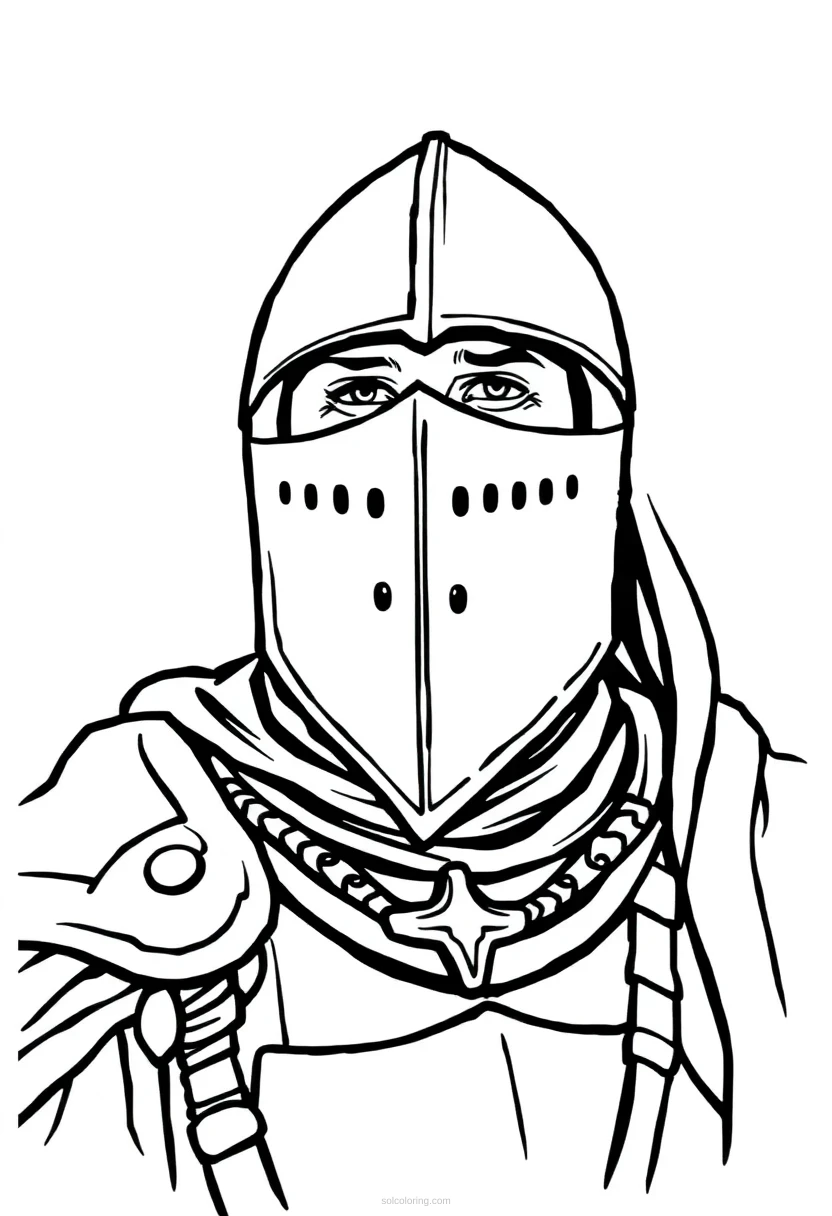
Different gladiator types used distinct equipment. Common weapons included swords, spears, tridents, and nets. Armor varied from heavy segmented breastplates to minimal protection depending on the fighter type. Helmets covered most faces, with small eye openings. Shields ranged from large rectangular designs to small hand-held versions used for blocking and striking.
More Historical coloring pages
Coloring page FAQs
Are these Roman Gladiator Mandala coloring pages free?
Yes, absolutely! All our Roman Gladiator Mandala free printable coloring pages are completely free to download and print. No signup, subscriptions, or hidden fees required. Simply visit our site, select your design, and start coloring right away.
What age are these Roman Gladiator Mandala coloring pages for?
These coloring pages are designed for ages 8 to 14, though older teens and adults enjoy them too. We offer varying complexity levels: simpler designs for younger children and more detailed mandalas with intricate patterns for advanced colorists seeking a challenge.
How do I print these Roman Gladiator Mandala coloring pages?
Printing is simple and requires no special skills. Download the PDF, open it on your computer, and click print. Our pages fit standard A4 or Letter-sized paper. Use any home printer with regular or colored paper. No software installation or account creation needed.