Historical
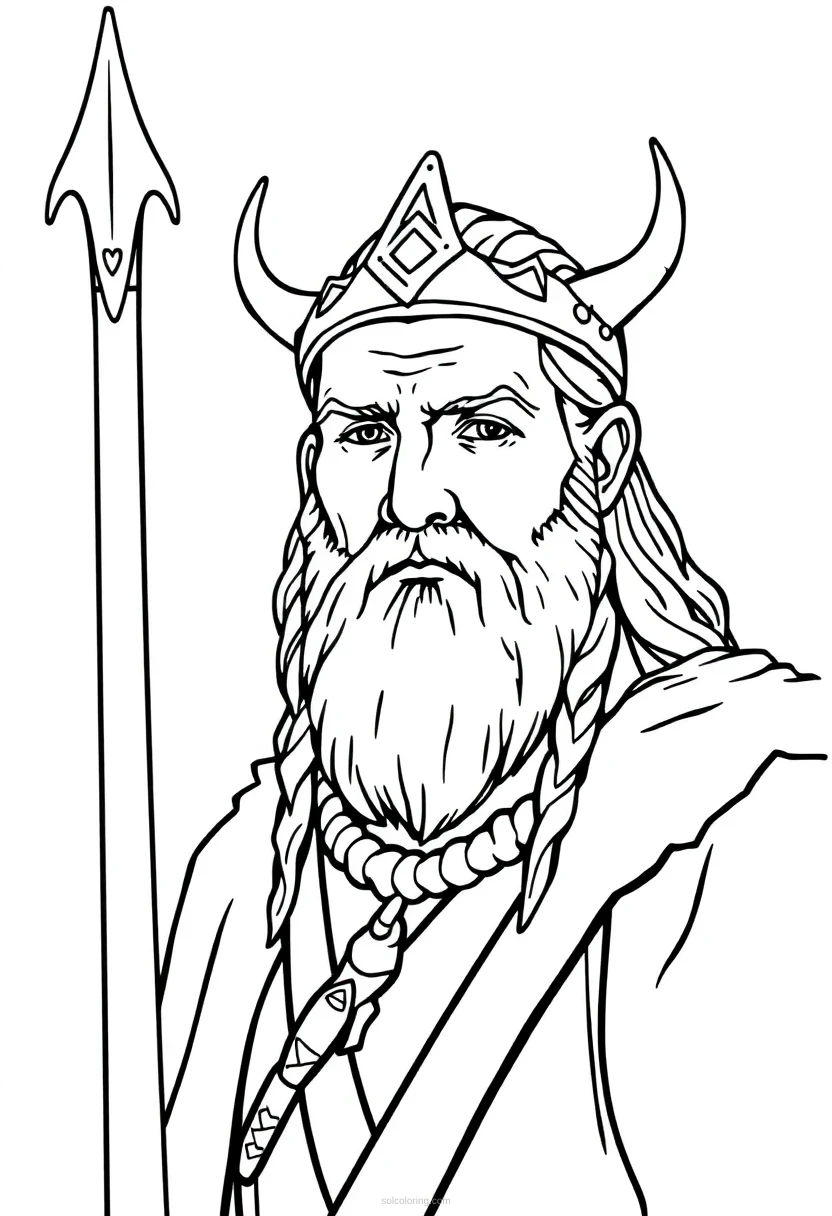
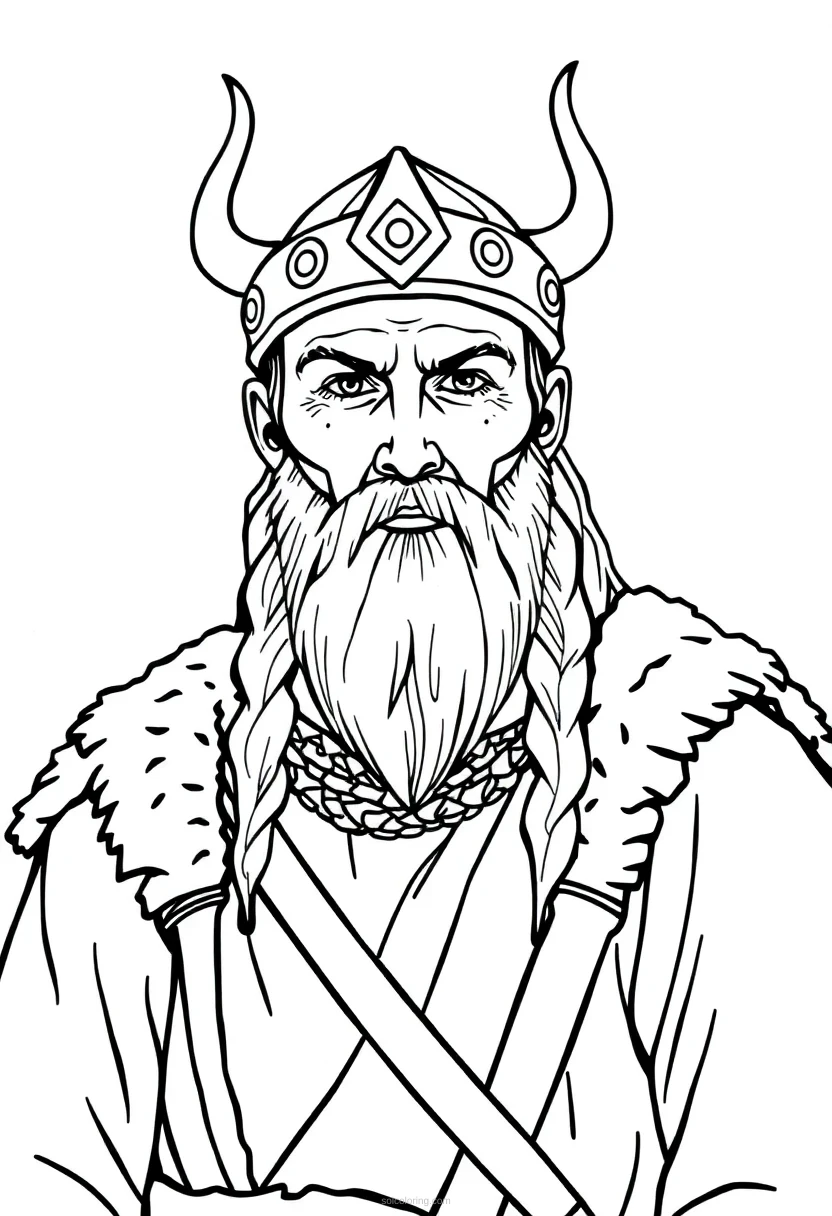
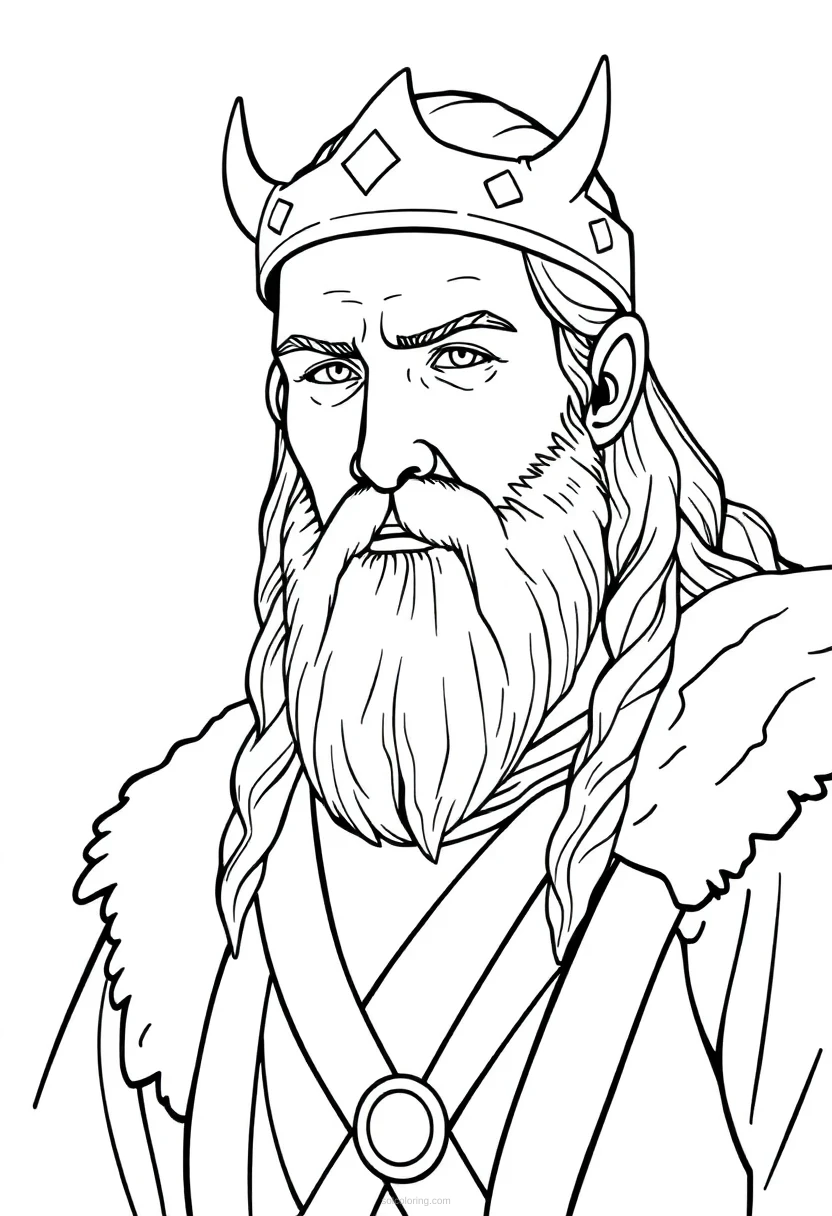
Viking Coloring Pages
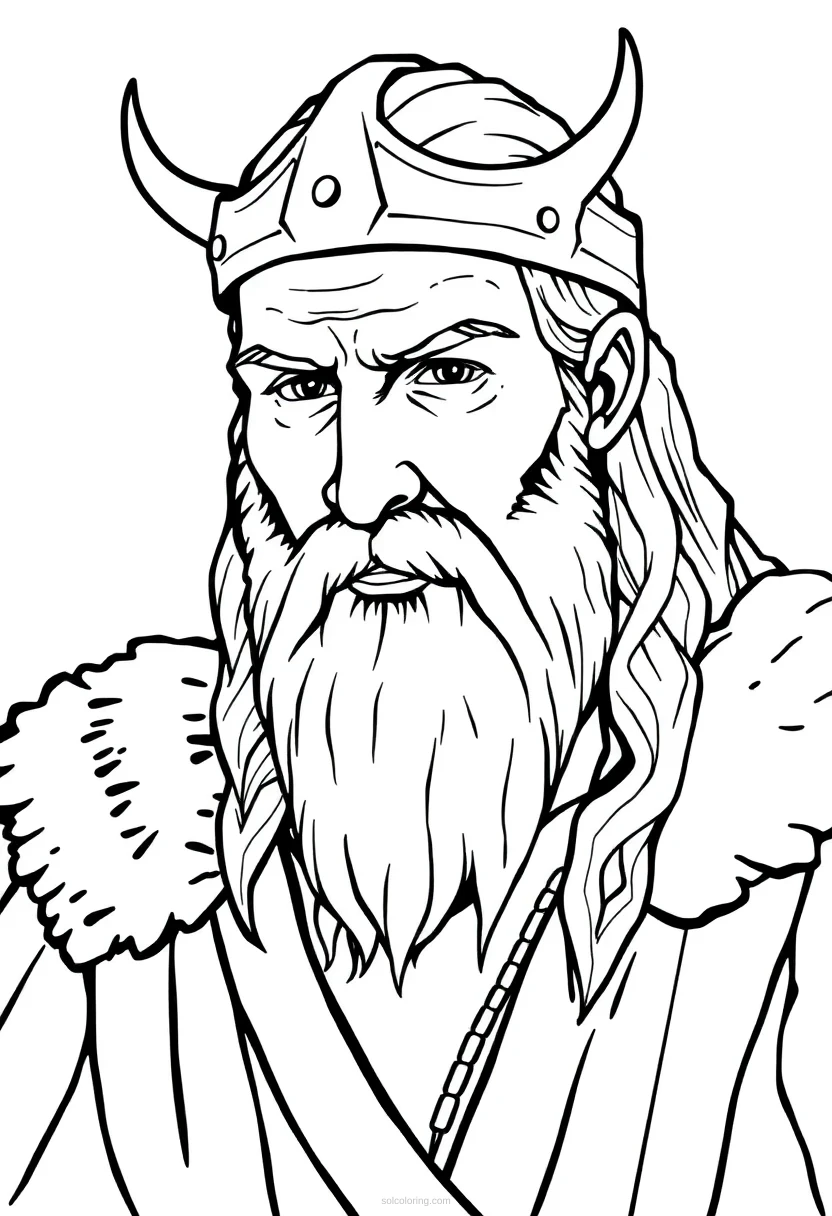
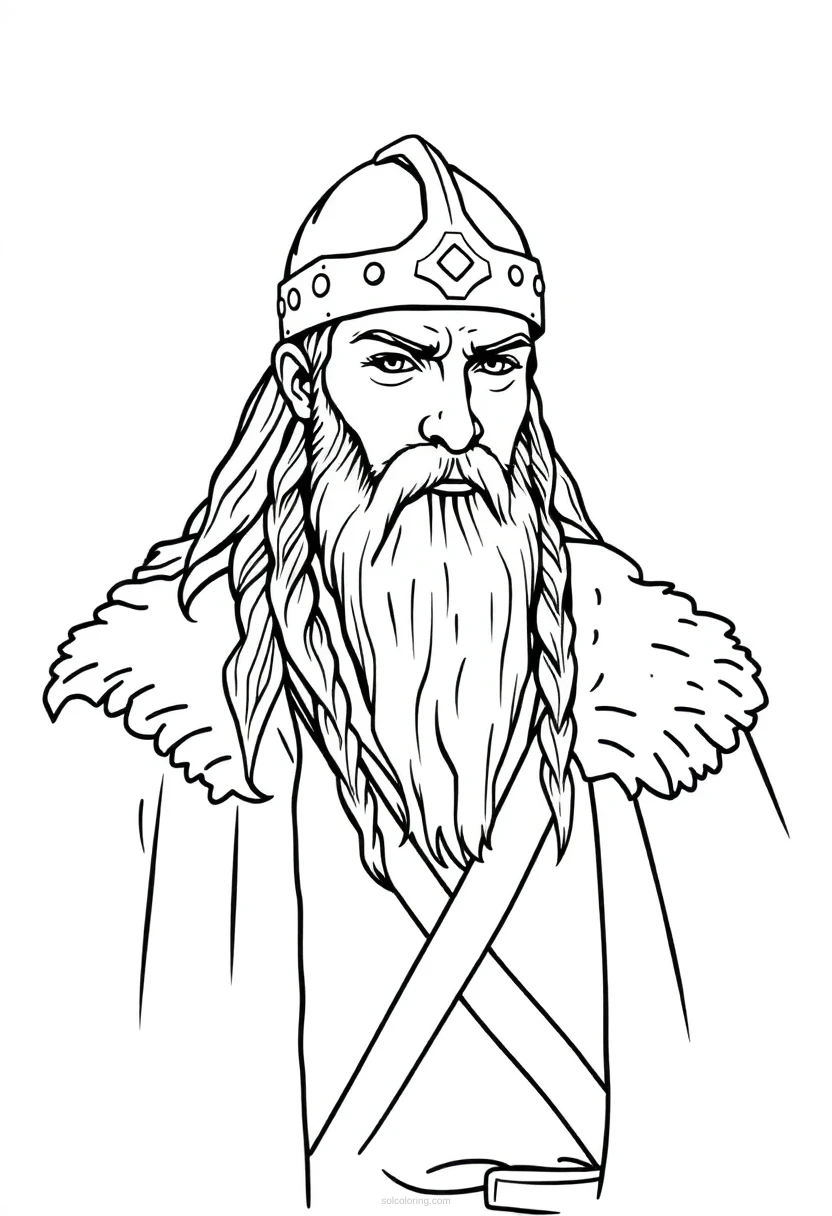
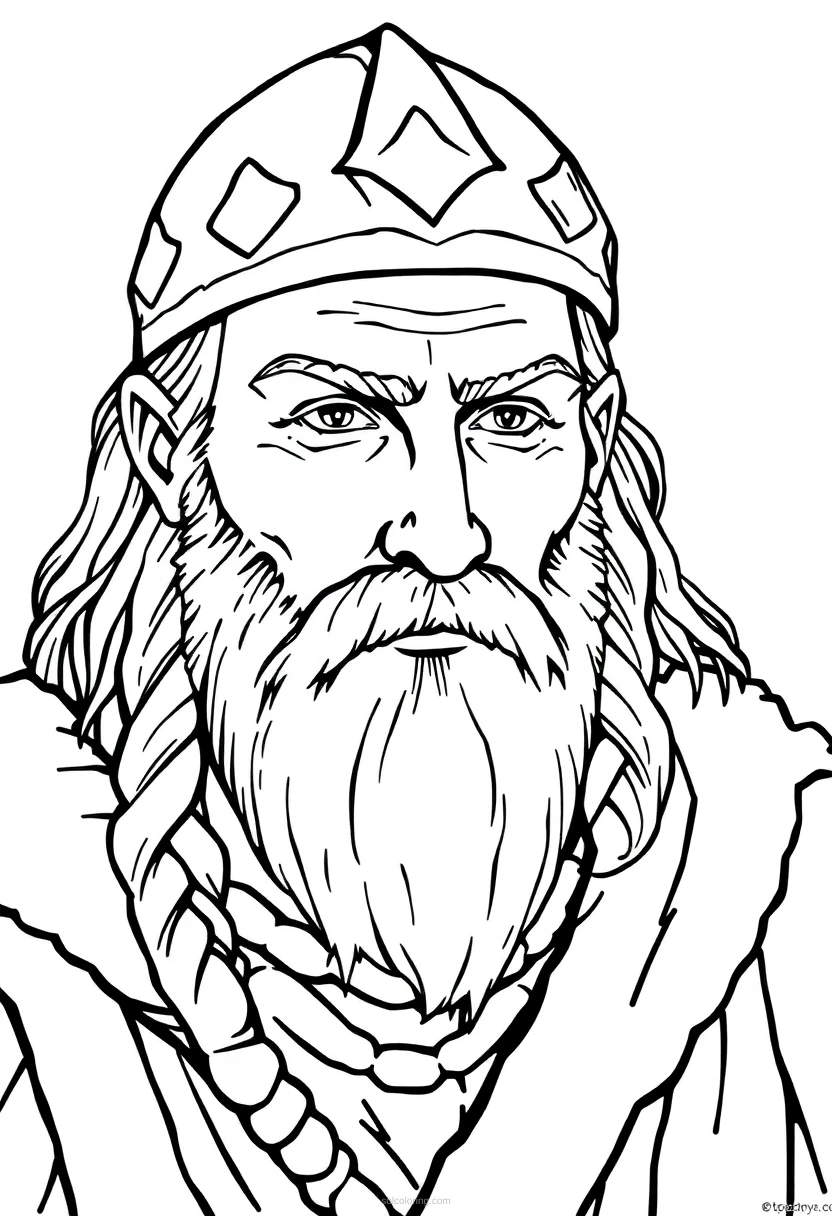
6 free printable designs including Standard, Standard, Standard, Standard and more.
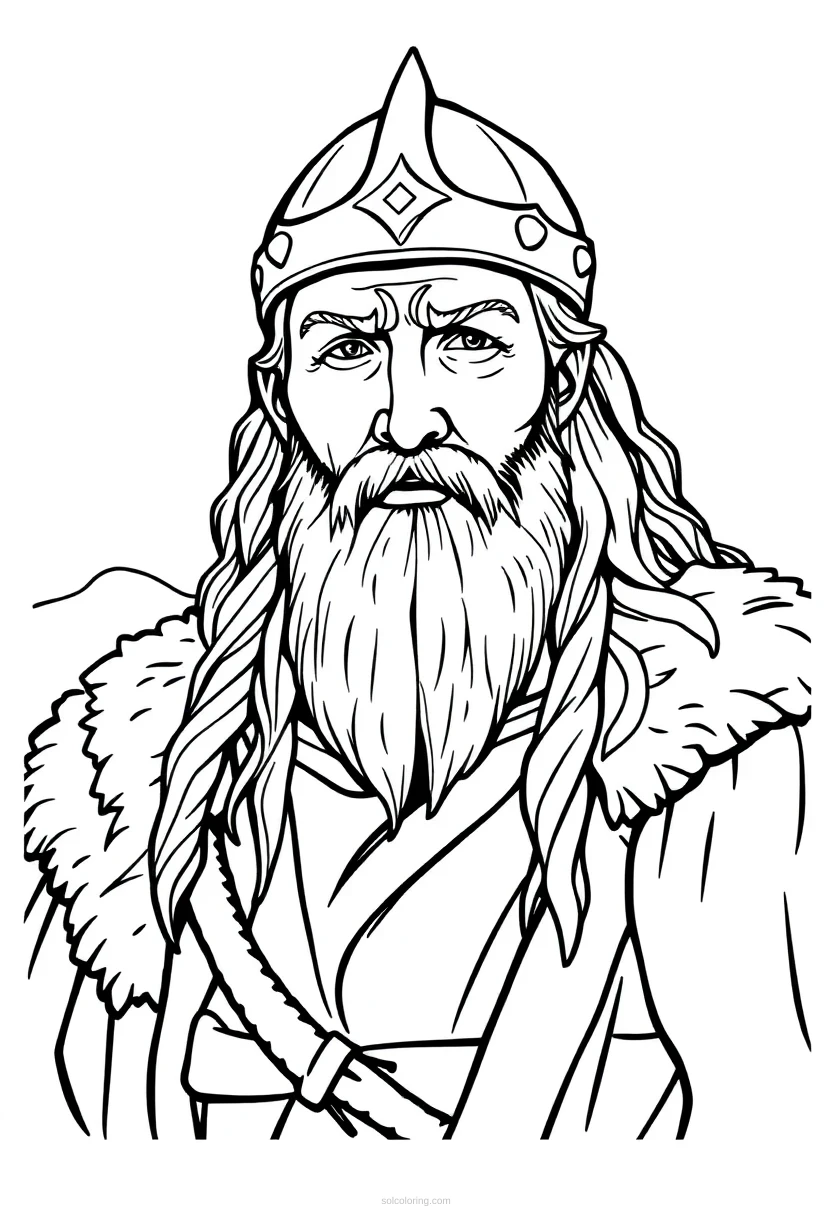
Vikings were fierce Norse warriors and explorers who sailed from Scandinavia between the 8th and 11th centuries, leaving an incredible mark on world history. These bold seafarers explored vast oceans, established trade routes, and settled in distant lands from North America to the Middle East. Our free printable coloring page captures the adventure and spirit of Viking culture, complete with longships, warriors, and intricate Norse designs. Whether you are interested in history or simply love detailed illustrations, this free printable coloring page brings the Viking Age to life in an engaging and creative way.
Read more →Read less ↑
Choose a style
Did you know?
Fun facts about Viking
Vikings used the stars and sun to navigate across open oceans without compasses, demonstrating impressive astronomical and directional knowledge.
Viking women could own property, request divorces, and manage households, giving them more rights than many women in medieval Europe.
Vikings discovered North America approximately 500 years before Columbus, establishing a settlement called Vinland in present-day Newfoundland, Canada.
Viking warriors sometimes dyed their beards and hair bright colors using natural plant dyes and valued personal grooming as a sign of status and respect.
The word 'berserk' comes from Viking warriors called Berserkers who fought with extraordinary fury and intensity, possibly entering trance-like combat states.
About Viking
Who were the Vikings and where did they come from?
Vikings were Norse seafarers from Scandinavia, primarily modern-day Denmark, Norway, and Sweden. They emerged around 793 CE and dominated northern Europe for roughly three centuries. Vikings were skilled shipbuilders, traders, warriors, and explorers who traveled vast distances across oceans, rivers, and trade routes throughout Europe, Asia, and beyond.
What were Viking longships and why were they so important?
Viking longships were revolutionary vessels featuring shallow drafts, allowing them to navigate both open oceans and shallow rivers. These ships could carry cargo, warriors, and supplies while remaining light enough for crews to carry overland between waterways. Their innovative design enabled Vikings to explore and raid distant locations unreachable by other civilizations at the time.
What did Vikings wear and what did their clothing tell us about them?
Vikings wore practical wool clothing layered for harsh northern climates. Men typically wore tunics, trousers, and leather belts, while women wore long dresses with aprons. Archaeological evidence reveals Vikings valued decoration and status symbols like brooches, rings, and arm bands made from bronze, silver, or gold, indicating their wealth and social position.
Did Vikings really wear horned helmets?
Contrary to popular belief, Vikings did not wear horned helmets during combat. Archaeological findings show they wore practical rounded or pointed iron helmets without horns. The horned helmet myth likely originated from 19th century artwork and opera. Horns would be impractical in battle, catching weapons and making helmets heavier and harder to balance.
What did Vikings believe about gods and religion?
Vikings practiced Norse paganism, worshipping gods like Odin, Thor, and Freya. They believed in Valhalla, a paradise for warriors who died in battle. When Vikings encountered Christianity through trade and conquest, many gradually adopted Christian beliefs. This religious transition happened over centuries as Viking society evolved and integrated with Christian European cultures.
What was the end of the Viking Age and why did it end?
The Viking Age ended around 1066 CE following the Norman Conquest of England and the Battle of Stamford Bridge. Improved European defenses, the spread of Christianity, and the integration of Norse peoples into established kingdoms reduced Viking raids and exploration. Changing political circumstances and the rise of stronger centralized European powers gradually transformed Viking culture.
More Historical coloring pages
Coloring page FAQs
Are these Viking coloring pages free?
Yes, all our Viking coloring pages are completely free to download and print. Simply visit Sol Coloring, select your favorite Viking design, and print it instantly from home. No signup, payment, or account required. You can print as many copies as you like.
What age are these Viking coloring pages for?
Our Viking coloring pages are designed for ages 8 to 14, with varying difficulty levels. Younger children can enjoy simpler designs with larger areas to color, while older kids can tackle more detailed pages featuring intricate Viking patterns and decorative elements.
How do I print these Viking coloring pages?
Simply download the Viking coloring page as a PDF, open it on your computer, and print to standard A4 or Letter-sized paper using your home printer. Color settings work best on standard or draft mode. No special equipment or software is needed.