Historical
Viking Chibi Coloring Pages
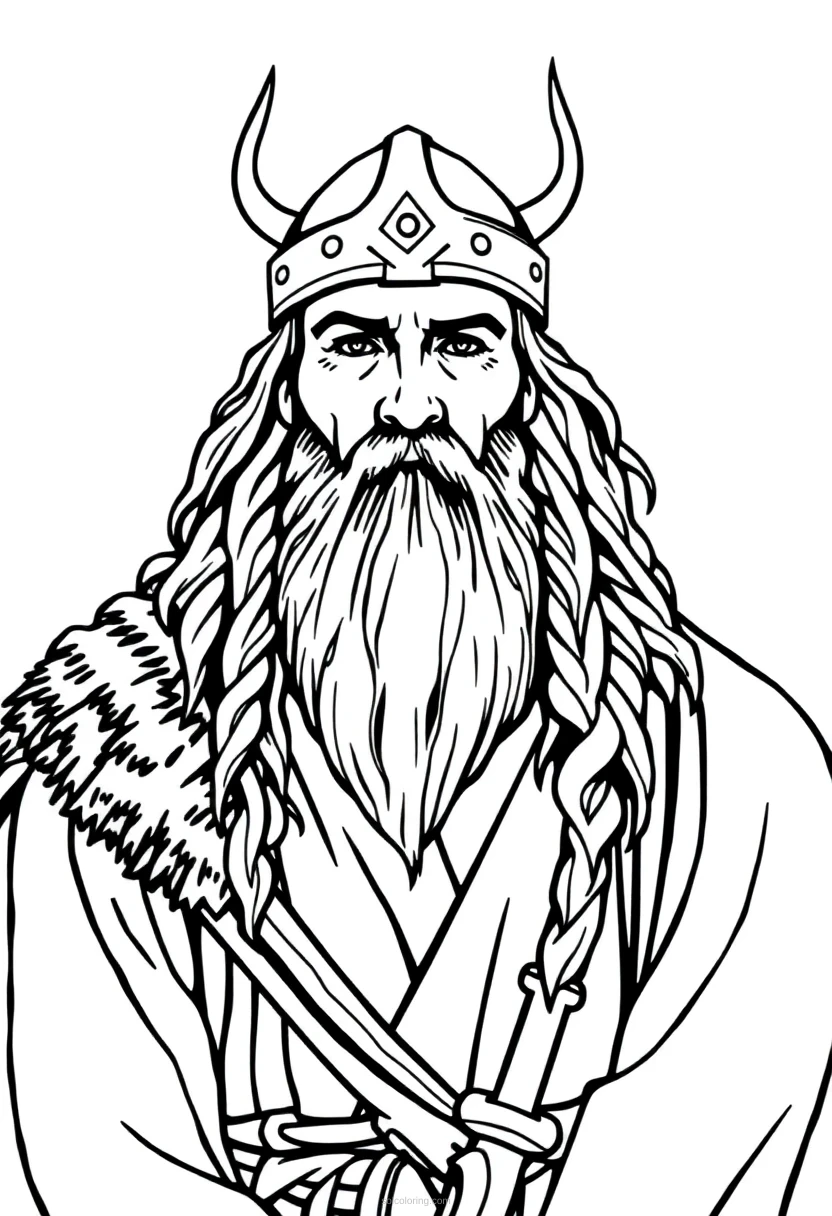
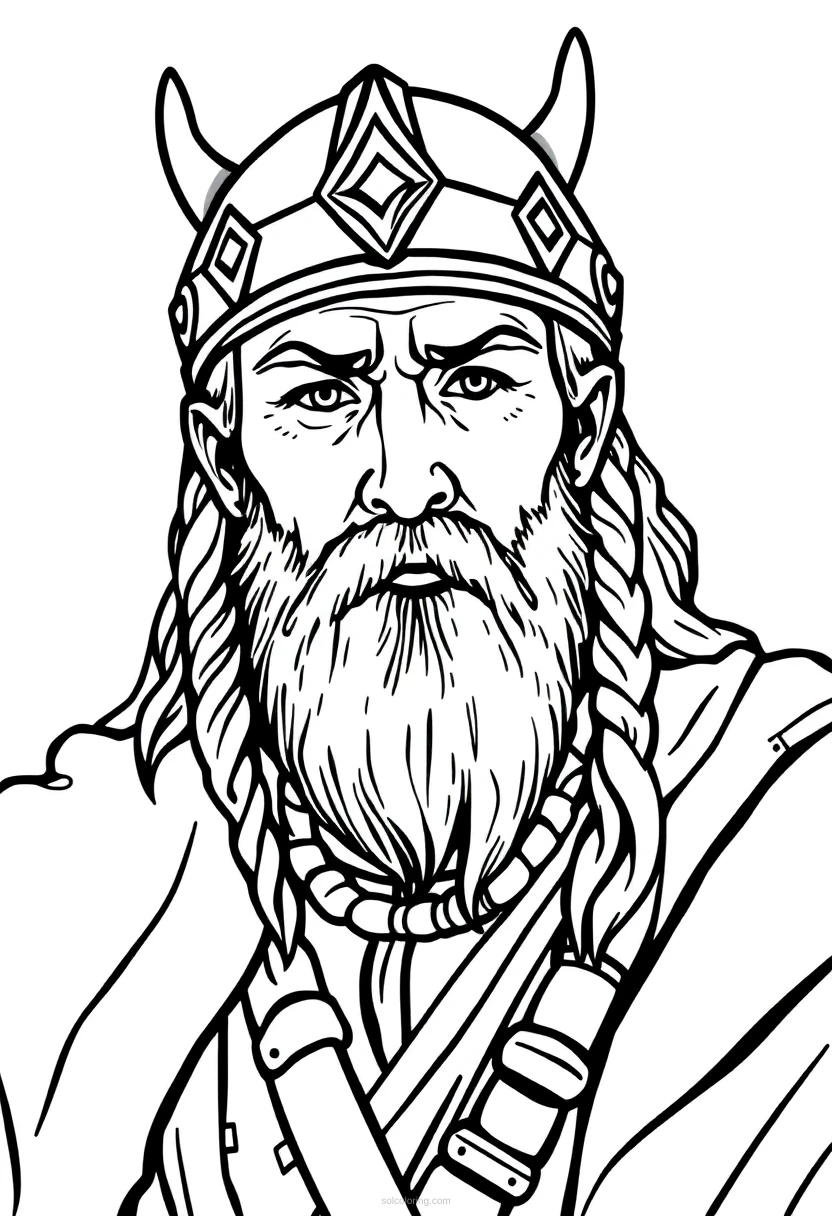
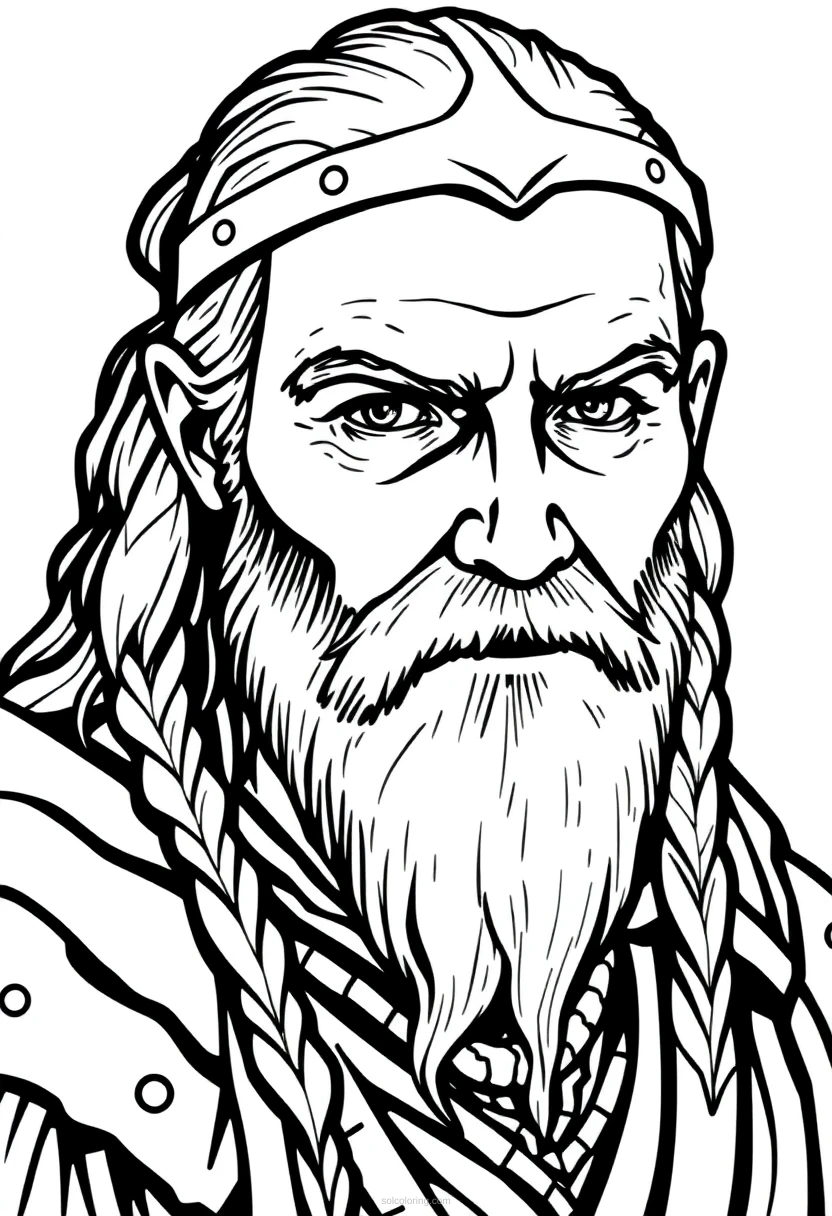
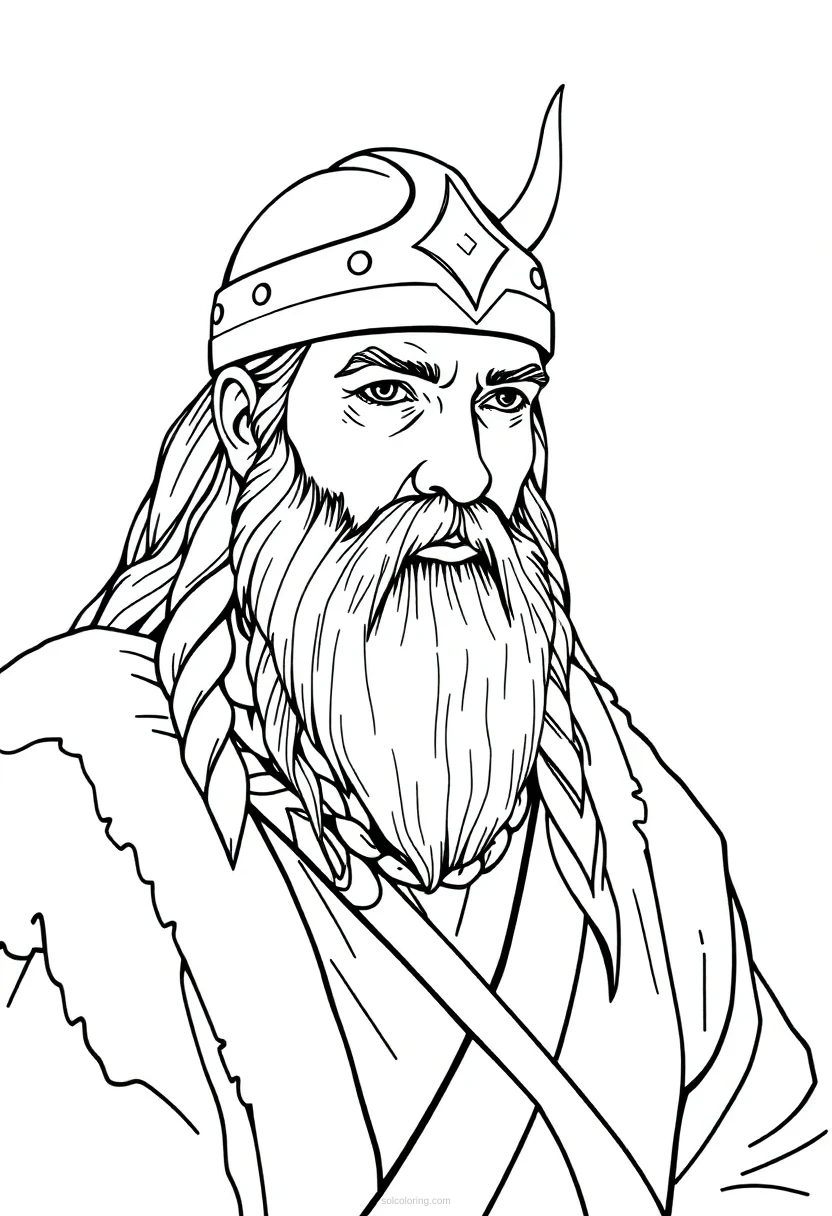
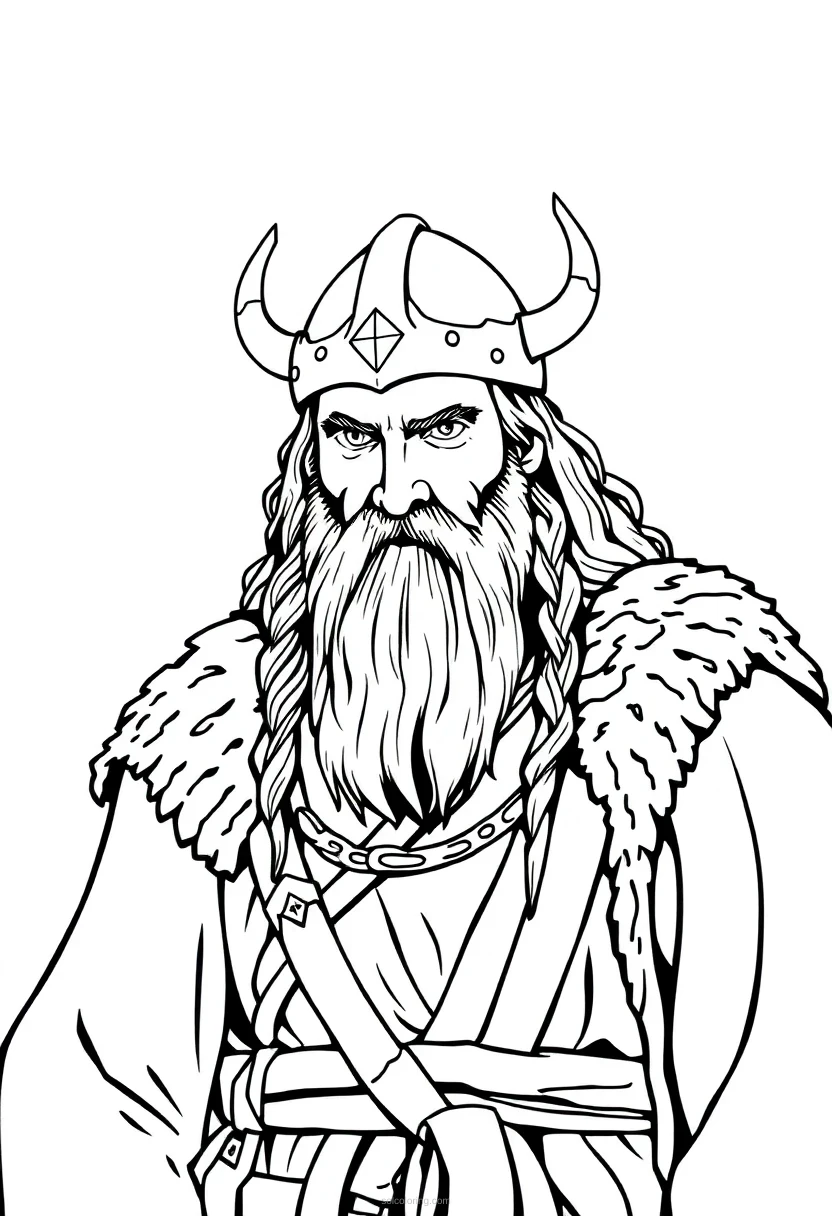
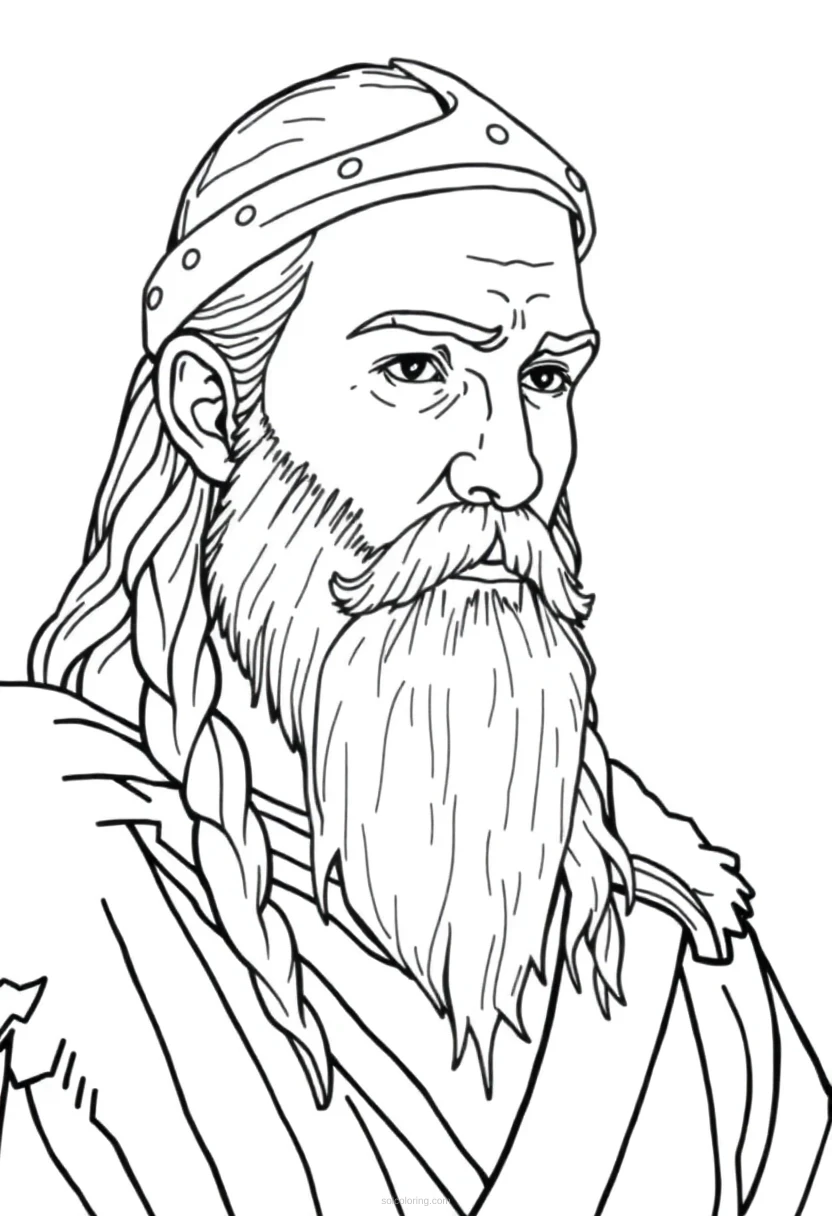
6 free printable designs including Standard, Standard, Standard, Standard and more.
Meet adorable Viking Chibi characters that bring history to life in the cutest way possible! Vikings were fearless Norse warriors and explorers who sailed the seas around 800 to 1050 CE, discovering new lands and leaving their mark on world history. Our free printable coloring page features chibi-style Vikings with their iconic helmets, shields, and Viking spirit. These charming historical figures make learning about ancient Norse culture fun and creative. Whether you are interested in history or just love the chibi art style, this free printable coloring page is perfect for sparking your imagination while exploring an incredible era.
Read more →Read less ↑
Choose a style
Did you know?
Fun facts about Viking Chibi
Vikings navigated using the sun, stars, and even a crystal called sunstone that helped them see the sun through clouds and fog during long ocean voyages.
Viking women could own property, divorce their husbands, and manage entire households and farms, making them far more independent than most medieval European women.
The word 'Viking' actually means 'pirate voyage' in Old Norse, and not all Scandinavian people in that era were Vikings, just those who went raiding or exploring.
Vikings used a unique alphabet called runes, which featured straight lines designed to be carved easily into wood and stone rather than written on paper.
Norse explorer Leif Erikson is believed to have reached North America around 1000 CE, nearly 500 years before Christopher Columbus, establishing a settlement called Vinland.
About Viking Chibi
Who were the Vikings and where did they come from?
Vikings were seafaring Norse warriors from Scandinavia, primarily modern-day Sweden, Norway, and Denmark. They emerged around 800 CE and were known as expert shipbuilders and navigators. Vikings traveled across Europe, reaching North America around 1000 CE, centuries before Columbus. They established trade routes, founded settlements, and became legendary explorers and traders throughout history.
What were iconic Viking weapons and armor like?
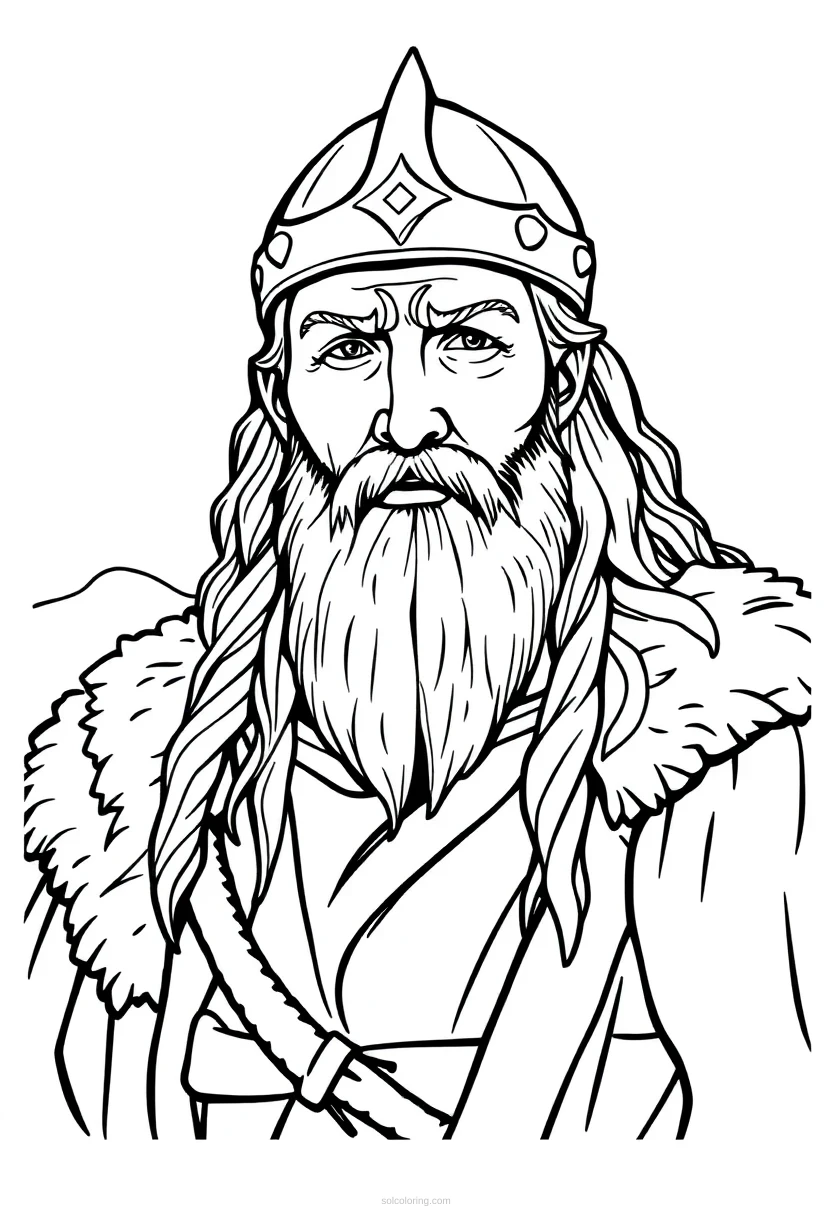
Vikings favored axes, swords, and spears as their main weapons. They wore helmets made of iron or leather for protection, though the famous horned helmets are mostly movie fiction. Most Vikings wore simple leather or metal armor, not the heavy plate armor of later knights. Their iconic round shields provided excellent defense and were often decorated with symbols representing their clans.
Why were Viking ships so special and important?
Viking longships were engineering marvels, featuring shallow drafts that allowed navigation on rivers and oceans alike. Built from oak with overlapping planks, these vessels were fast, flexible, and incredibly seaworthy. Their design made Vikings fearless explorers who could raid coastal areas and establish trade networks across Europe, Russia, and even North America, shaping medieval history forever.
What did Vikings believe in and what was their culture like?
Vikings followed Norse mythology, worshipping gods like Odin, Thor, and Freyja. They believed in Valhalla, an afterlife for warriors who died in battle. Vikings valued honor, courage, and loyalty intensely. They loved storytelling, poetry, and intricate art with geometric patterns. Women held more rights in Viking society than in many other medieval cultures, managing farms and households independently while men traveled.
Did Vikings only raid and fight, or did they do other things?
While Vikings are famous for raids, they were actually skilled traders, craftsmen, and farmers too. Many Vikings established settlements, built towns, and created thriving trade networks across Europe, Asia, and beyond. They were excellent blacksmiths, woodcarvers, and artists who created beautiful jewelry and decorated items. Vikings contributed significantly to medieval commerce, exploration, and cultural exchange across continents.
What happened to the Viking era and why did it end?
The Viking Age gradually ended around 1066 CE, marked by the Norman conquest of England and Viking defeats in battles like Stamford Bridge. As European kingdoms grew stronger and more organized, Viking raids became riskier. Many Vikings integrated into settled societies, and the conversion to Christianity changed their cultural identity. However, their legacy of exploration, trade, and innovation continues influencing modern culture.
More Historical coloring pages
Coloring page FAQs
Are these Viking Chibi coloring pages free?
Yes, absolutely! All our Viking Chibi coloring pages are completely free to download and print. There are no hidden costs, subscriptions, or payment requirements. Simply visit Sol Coloring, find your favorite free printable coloring page, and start creating your masterpiece right away.
What age are these Viking Chibi coloring pages for?
These Viking Chibi coloring pages are designed for children and adults aged 8 to 14, though anyone can enjoy them. The chibi art style is fun and approachable, with varied complexity levels. Younger colorists can enjoy simple designs, while older kids can tackle more detailed patterns and shading.
How do I print these Viking Chibi coloring pages?
Printing is simple and requires no signup. Download the PDF to your device, open it with any PDF viewer, and click print. Choose A4 or Letter size depending on your location and printer settings. Use regular printer paper or cardstock, then grab your favorite coloring supplies and enjoy.