Historical
Viking Detailed Coloring Pages
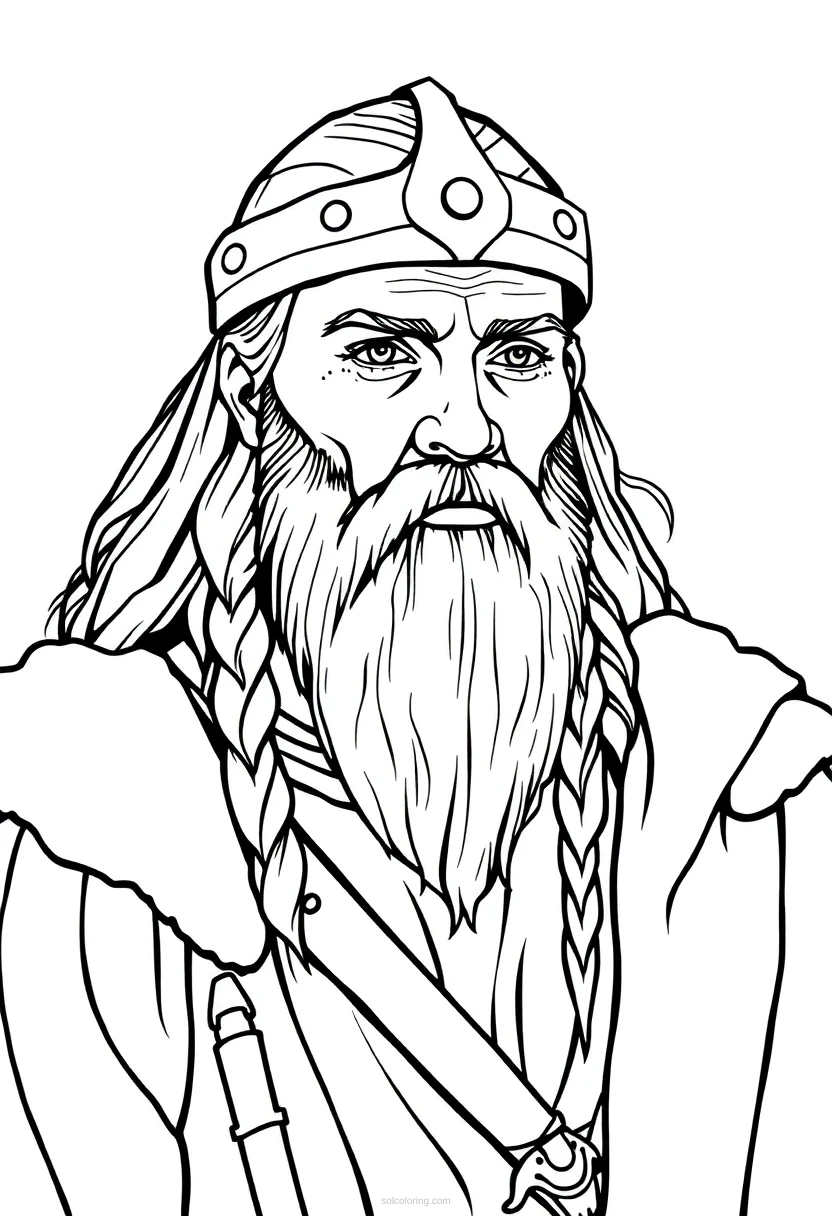
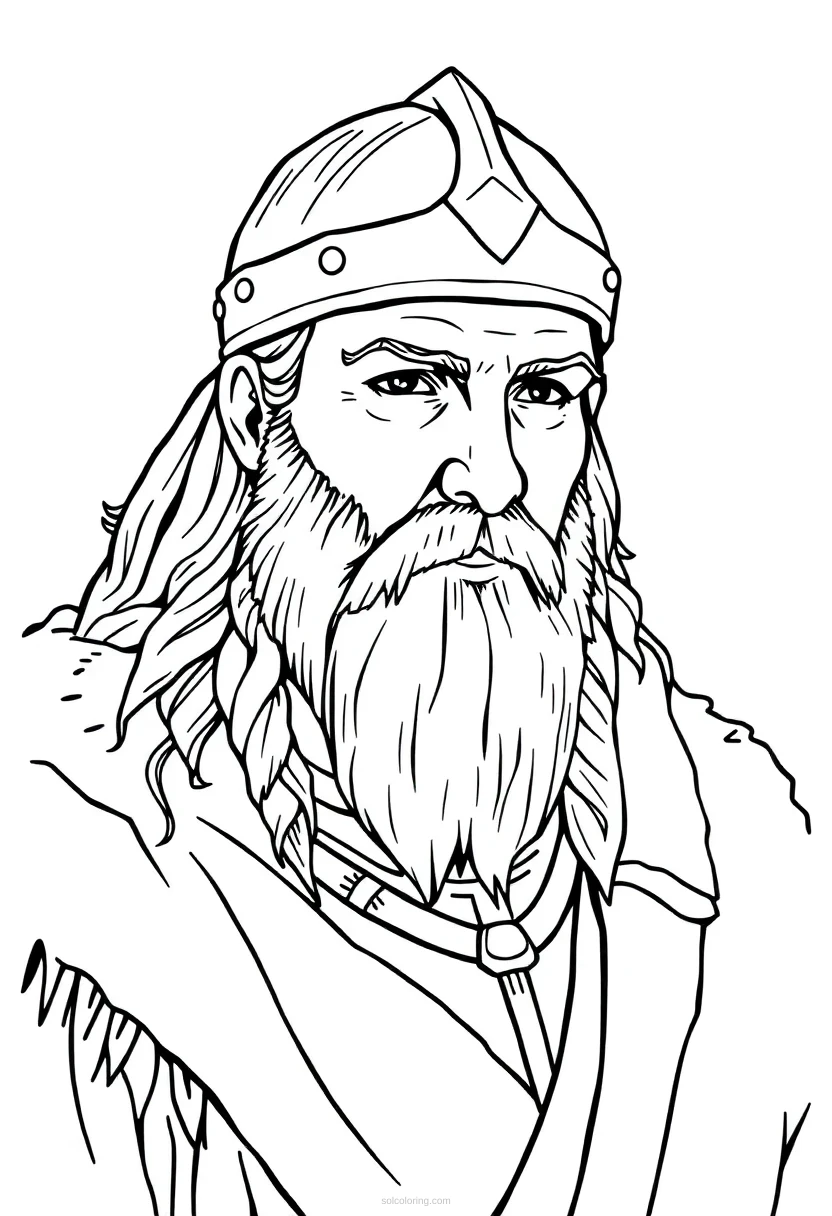
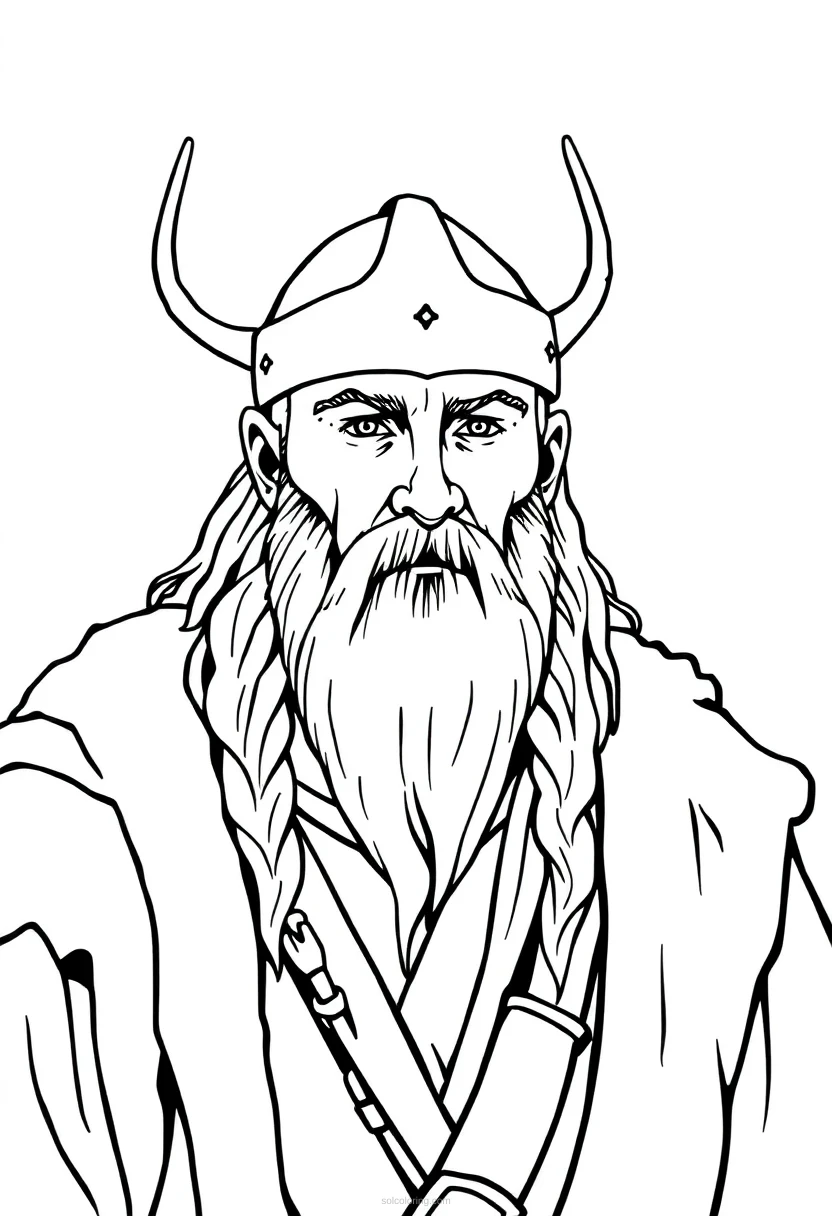
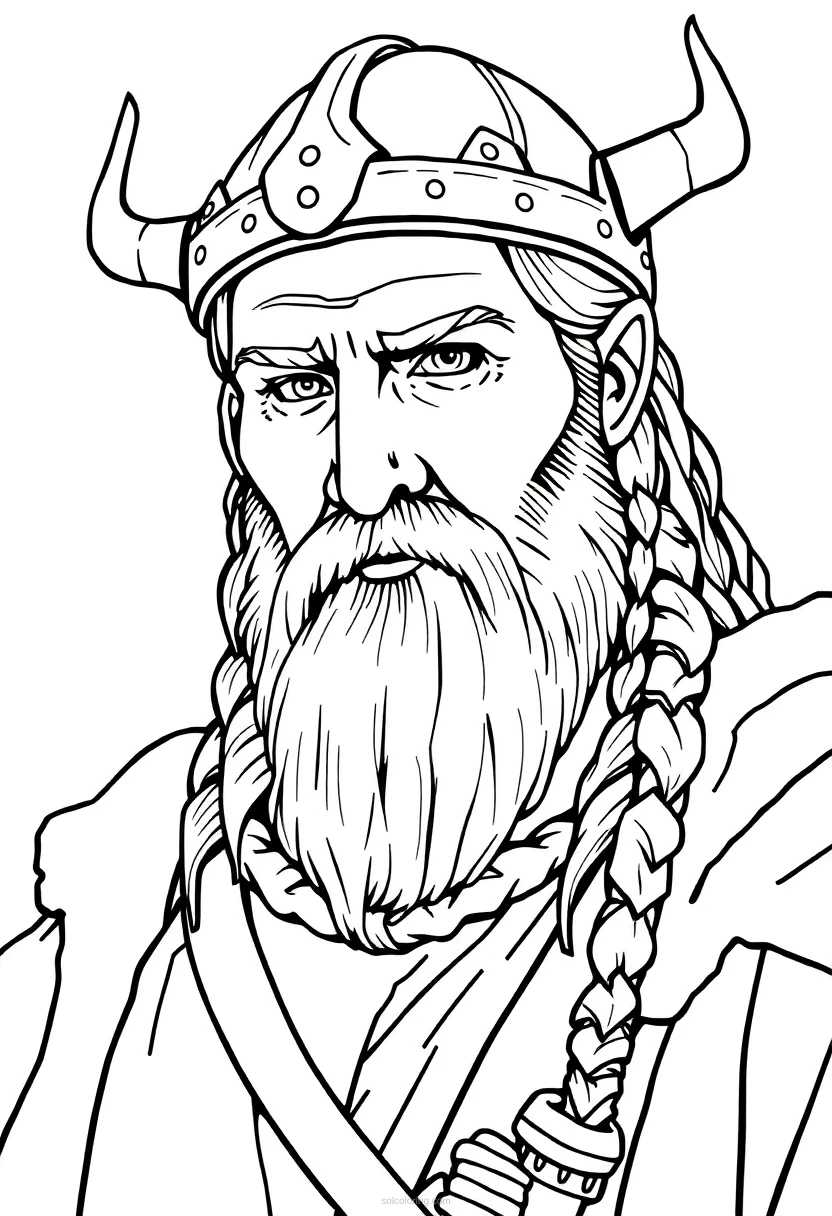
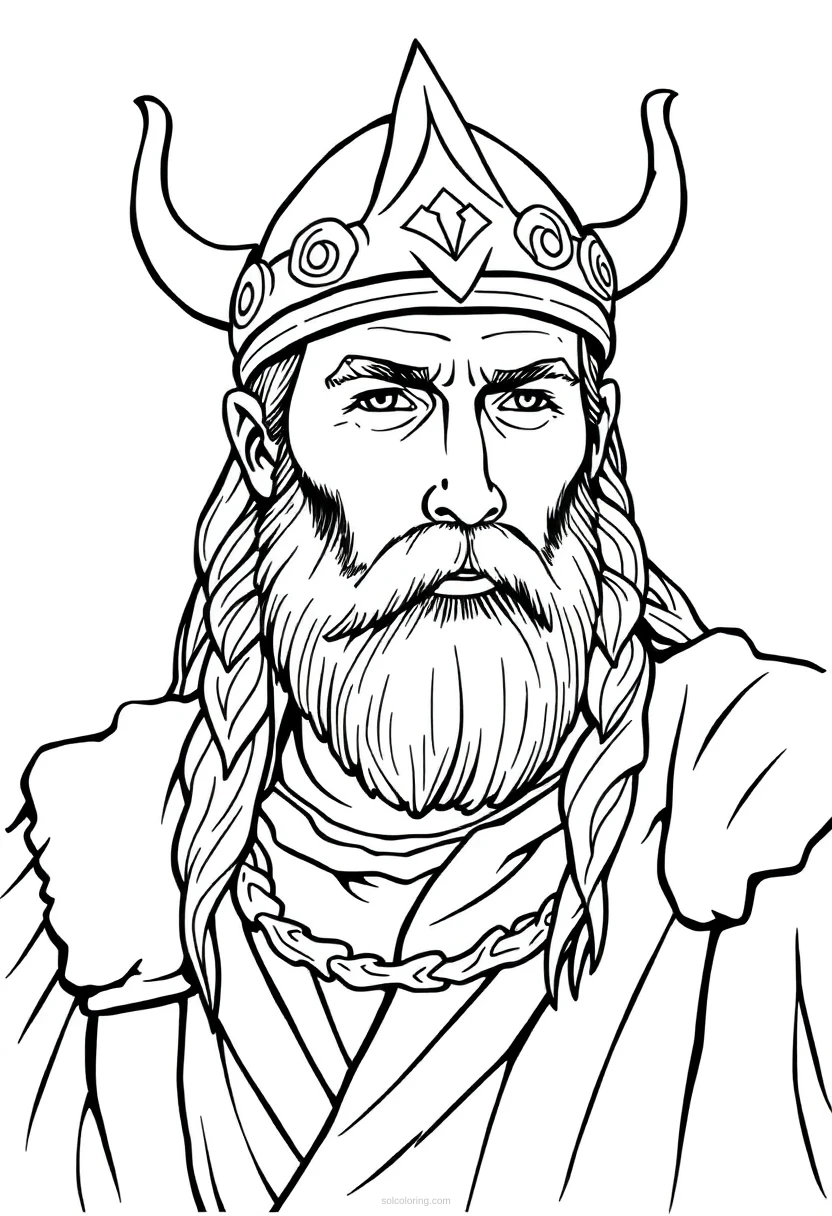
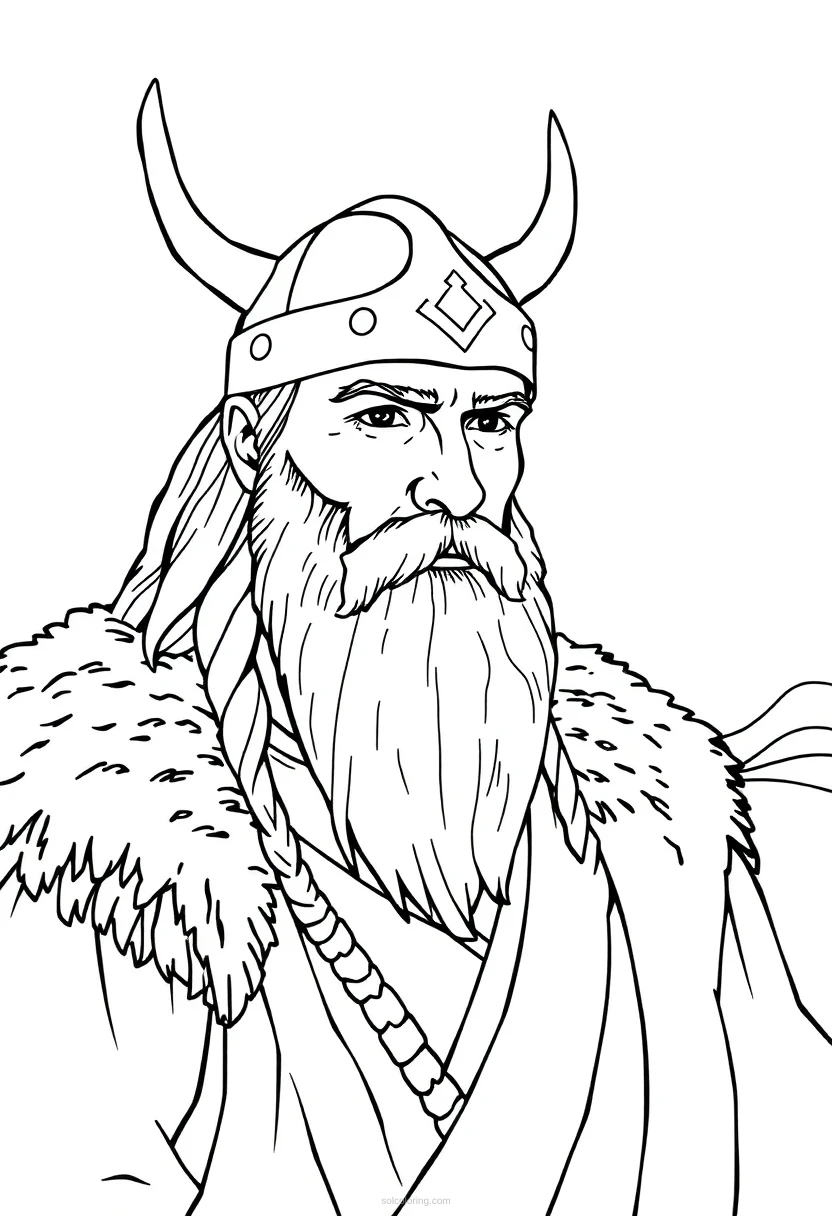
6 free printable designs including Standard, Standard, Standard, Standard and more.
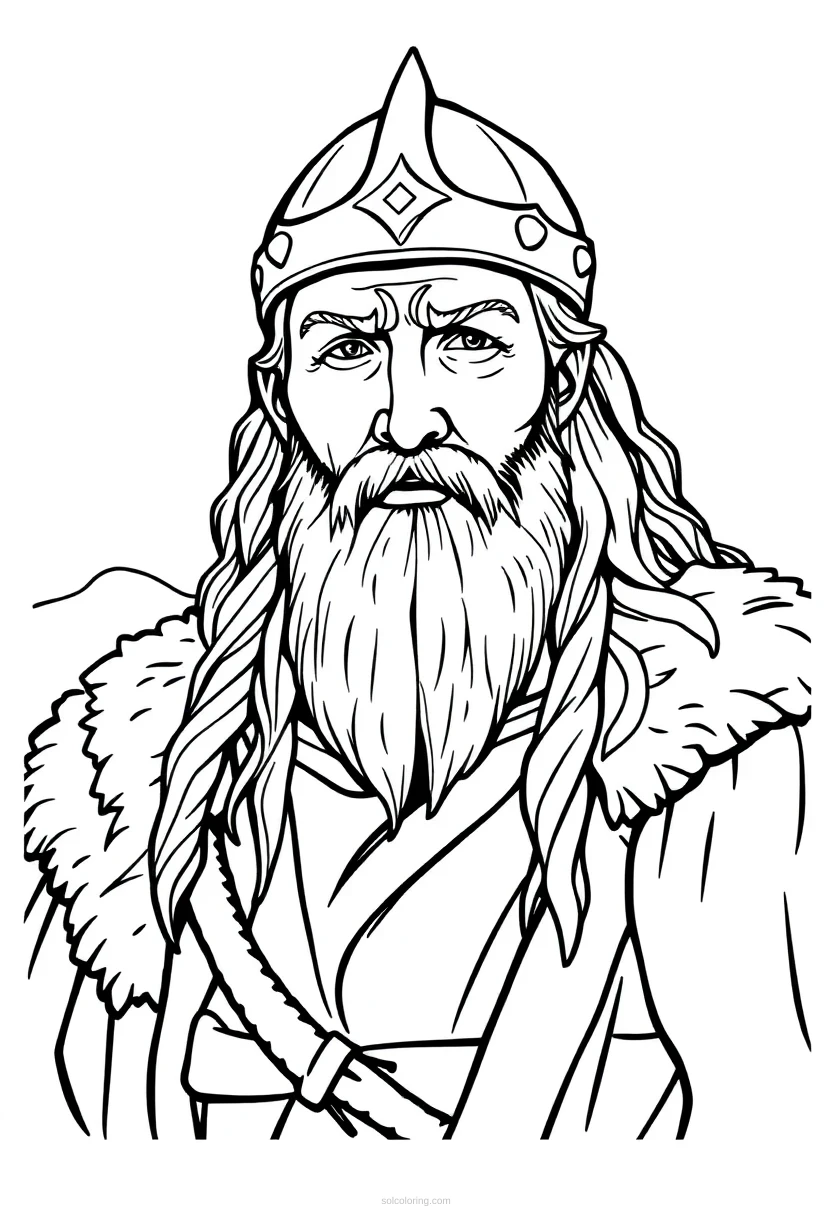
Vikings were fearless Norse seafarers and warriors who explored, traded, and settled across Europe from roughly 793 to 1066 AD. These skilled shipbuilders and navigators left an incredible mark on history through their daring voyages and legendary battles. Our free printable coloring page captures the intricate details of Viking life, from their ornate armor and weapons to their distinctive clothing and fierce expressions. Whether you're learning about history or just love detailed artwork, this free printable coloring page brings the Viking era to life in a fun and creative way. Perfect for history enthusiasts aged 8 and up!
Read more →Read less ↑
Choose a style
Did you know?
Fun facts about Viking Detailed
Viking women had remarkable rights for their time, including the ability to own property, divorce, and run households while men were away on voyages.
The famous Viking helmet with horns is largely a myth; archaeologists have found no evidence that Vikings actually wore horned helmets in battle.
Vikings were extremely clean for their era, bathing weekly and bleaching their beards blonde with lye, which many other Europeans considered strange.
The word 'berserk' comes from Viking warriors called 'berserkers' who worked themselves into intense battle frenzies and fought with incredible ferocity.
Vikings created the first detailed maps of the North Atlantic and reached North America roughly 500 years before Columbus, calling it 'Vinland'.
About Viking Detailed
Who were the Vikings and where did they come from?
Vikings were seafaring Norse people from Scandinavia, primarily from modern-day Norway, Sweden, and Denmark. They lived during the Viking Age, roughly 793 to 1066 AD. These skilled sailors became famous for raiding, trading, and exploring vast distances. They reached North America, traveled down Russian rivers to Constantinople, and settled in places like Iceland, Greenland, and England.
What did Viking armor and weapons look like?
Vikings wore distinctive armor including helmets, often with a single horn or nose guard, leather jerkins, and chainmail for wealthy warriors. Their primary weapons were axes, swords, spears, and shields decorated with intricate designs. Many Vikings couldn't afford metal armor, so they wore thick leather instead. Their equipment reflected both practical function and impressive artistic craftsmanship.
How did Vikings navigate across the ocean without modern technology?
Vikings were remarkable navigators who used the sun, stars, and waves to guide their ships called longships. They observed bird flight patterns and water color changes to locate land. Some historians believe they used primitive sundials and magnetite stones for direction. Their intimate knowledge of nature and incredible sailing skills allowed them to cross vast oceans with surprising accuracy.
What was daily life like for Vikings?
Most Vikings were farmers, craftspeople, and traders rather than warriors. They lived in tight-knit communities with extended families in longhouses. Women held significant power, managing households and sometimes inheriting property. Vikings enjoyed storytelling, gaming, and feasting. They valued honor, loyalty, and skill, whether in farming, shipbuilding, or combat, creating a rich and complex society.
Why did Vikings suddenly start exploring and raiding around 793 AD?
The Viking expansion around 793 AD coincided with improvements in shipbuilding and population growth in Scandinavia. Overpopulation made farming difficult, pushing people to seek wealth through raiding and trade. Political changes and better ship designs enabled long voyages. Their unexpected raids on unprepared coastal communities gave Vikings a fearsome reputation that lasted centuries.
What happened to Viking culture and why did the Viking Age end?
The Viking Age ended around 1066 AD after the Norman Conquest of England and the Battle of Stamford Bridge. Christianization of Scandinavia reduced raiding culture, and stronger European defenses made raids less profitable. Vikings gradually integrated into European societies through settlement and trade. Their legacy influenced European languages, place names, and cultures for centuries to come.
More Historical coloring pages
Coloring page FAQs
Are these Viking Detailed coloring pages free?
Yes! All of our coloring pages, including this Viking Detailed free printable coloring page, are completely free to download and print. No signup, subscriptions, or hidden fees required. Simply visit Sol Coloring, select your design, and print it straight from your home printer.
What age are these Viking Detailed coloring pages for?
These Viking Detailed coloring pages are ideal for ages 8 to 14, though adults enjoy them too. The intricate patterns and historical details suit older kids and teens who enjoy more complex designs. Younger children might prefer our simpler coloring pages, while advanced artists will appreciate the challenging line work here.
How do I print these Viking Detailed coloring pages?
Printing is simple and requires no special setup. Download the PDF file to your computer, open it, and click print. Select A4 or Letter size paper depending on your location, and use any standard home printer. No account creation needed, and you can print as many copies as you like.