World Leaders Rulers
William The Conqueror At Hastings Coloring Pages
6 free printable designs including Realistic, Detailed, Simple, Mandala and more.
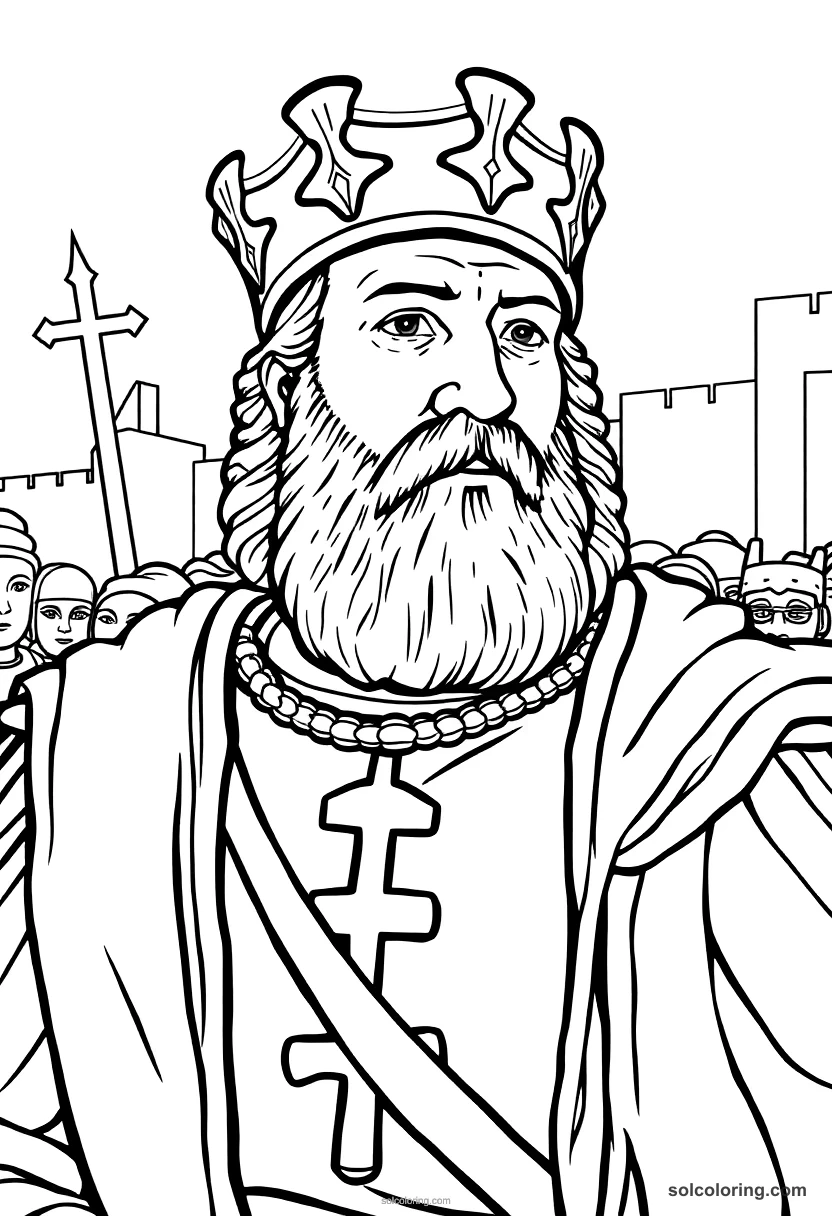
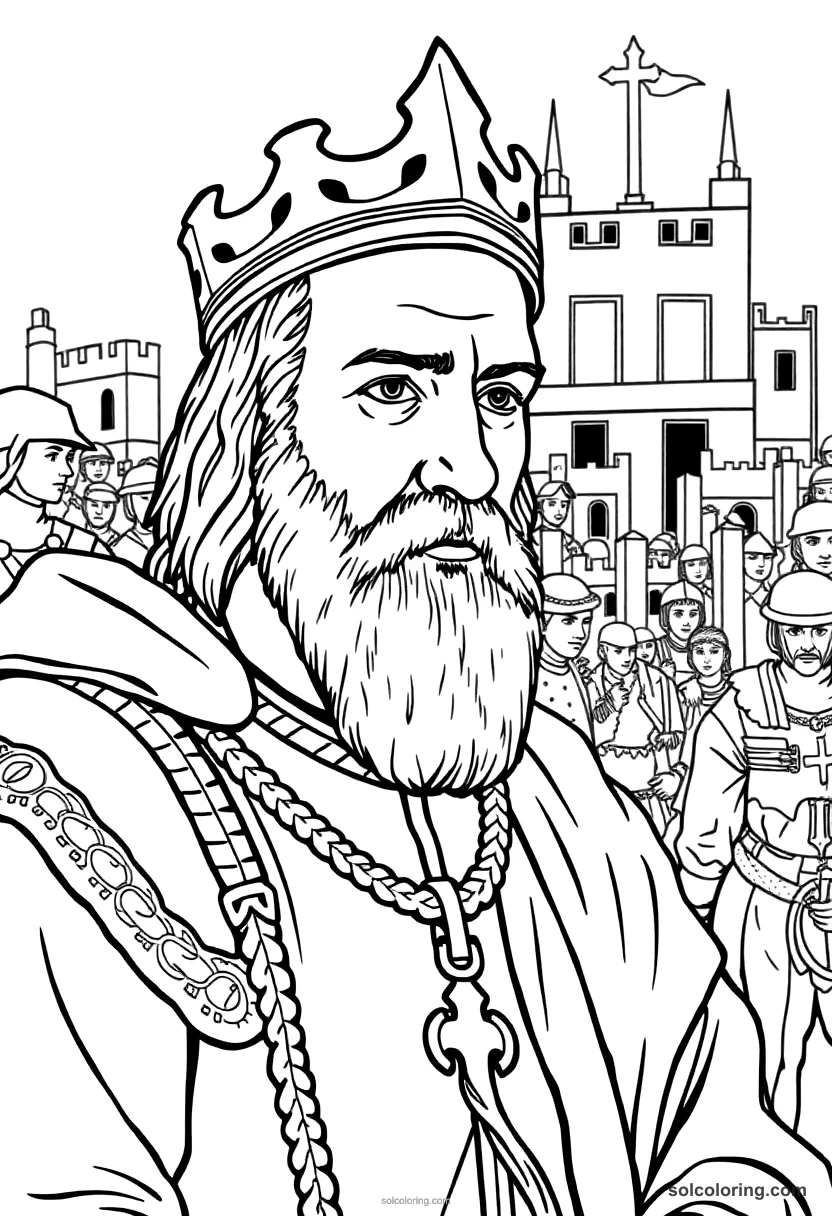
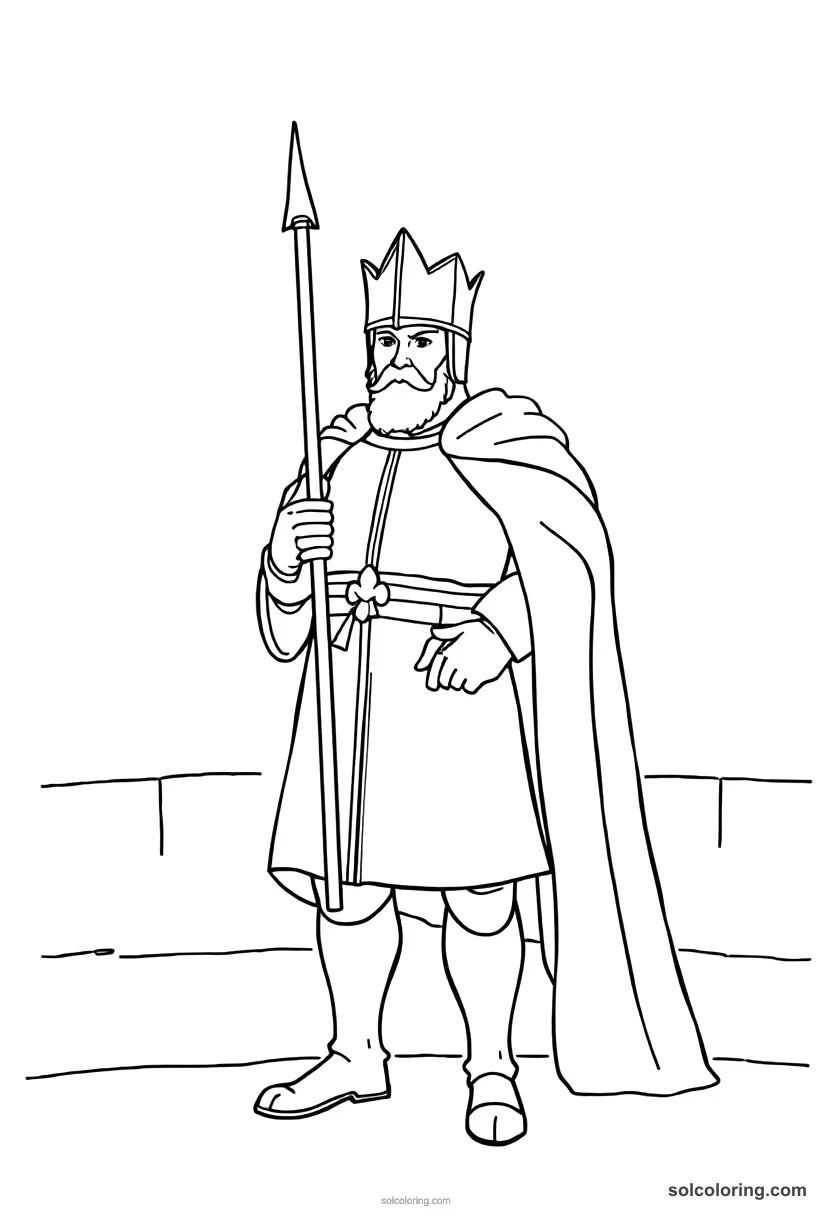
Step into one of history's most dramatic moments with William the Conqueror at the Battle of Hastings in 1066! This pivotal battle changed England forever when Duke William of Normandy defeated King Harold II, becoming the new English king. The clash featured Norman cavalry charging against Saxon shield walls, with arrows flying overhead and medieval weapons clashing. Our free printable coloring page captures the intensity of this historic moment, showing William in his distinctive conical helmet leading his troops into battle. Perfect for young history enthusiasts, this coloring page brings medieval warfare to life while teaching about one of the most important dates in English history. Color the banners, armor, and battlefield scenes while learning about this legendary Norman conquest.
Read more →Read less ↑
Choose a style
Did you know?
Fun facts about William The Conqueror At Hastings
William's horse was killed under him during the battle, but he continued fighting on foot to inspire his troops.
The battle site is now marked by Battle Abbey, which William built on the exact spot where King Harold fell.
William was actually William's nickname, his real name was Guillaume, and he spoke Norman French, not English.
The famous Bayeux Tapestry, which depicts the battle, is actually embroidery and measures 230 feet long.
After winning, William waited five days at Hastings for English nobles to surrender before marching toward London.
About William The Conqueror At Hastings
When did the Battle of Hastings take place?
The Battle of Hastings occurred on October 14, 1066. Interestingly, King Harold had just fought another major battle at Stamford Bridge three weeks earlier, marching his exhausted army 250 miles south to face William's invasion.
Why did William the Conqueror invade England?
William claimed the English throne because he believed King Edward the Confessor had promised it to him, and that Harold had sworn an oath to support his claim. The Norman invasion was planned as a rightful reclamation, not conquest.
How did King Harold II die at Hastings?
Contrary to popular belief, Harold probably wasn't killed by an arrow to the eye. The Bayeux Tapestry suggests he was hacked down by Norman knights after his army's shield wall collapsed during the battle's final phase.
What weapons were used at the Battle of Hastings?
The Saxons fought with axes, swords, and spears in tight shield wall formations, while Normans used cavalry lances, crossbows, and mounted warfare tactics. This clash of fighting styles ultimately decided the battle's outcome.
What happened to England after William won at Hastings?
William's victory brought massive changes: Norman French became the language of the ruling class, castle building increased dramatically, and the feudal system was fully established. English culture was permanently transformed by Norman influence.
How long did the Battle of Hastings last?
The battle lasted most of the day, from morning until dusk. The fighting was so intense that William had to lift his helmet to show his troops he was still alive after rumors spread that he had been killed.
More World Leaders Rulers coloring pages
Coloring page FAQs
Are these William The Conqueror At Hastings coloring pages free?
Yes, all our William the Conqueror coloring pages are completely free to download and print. No payment or subscription required to access these educational medieval history resources.
What age are these William The Conqueror At Hastings coloring pages for?
These pages are designed for ages 8-14, featuring detailed medieval scenes that challenge older kids while remaining accessible. Different complexity levels suit various skill ranges.
How do I print these William The Conqueror At Hastings coloring pages?
Simply download the PDF and print on standard A4 or Letter paper using any home printer. No signup needed, just click, download, and print immediately.