World Leaders
Roman Emperor Coloring Page
Standard style
About this coloring page
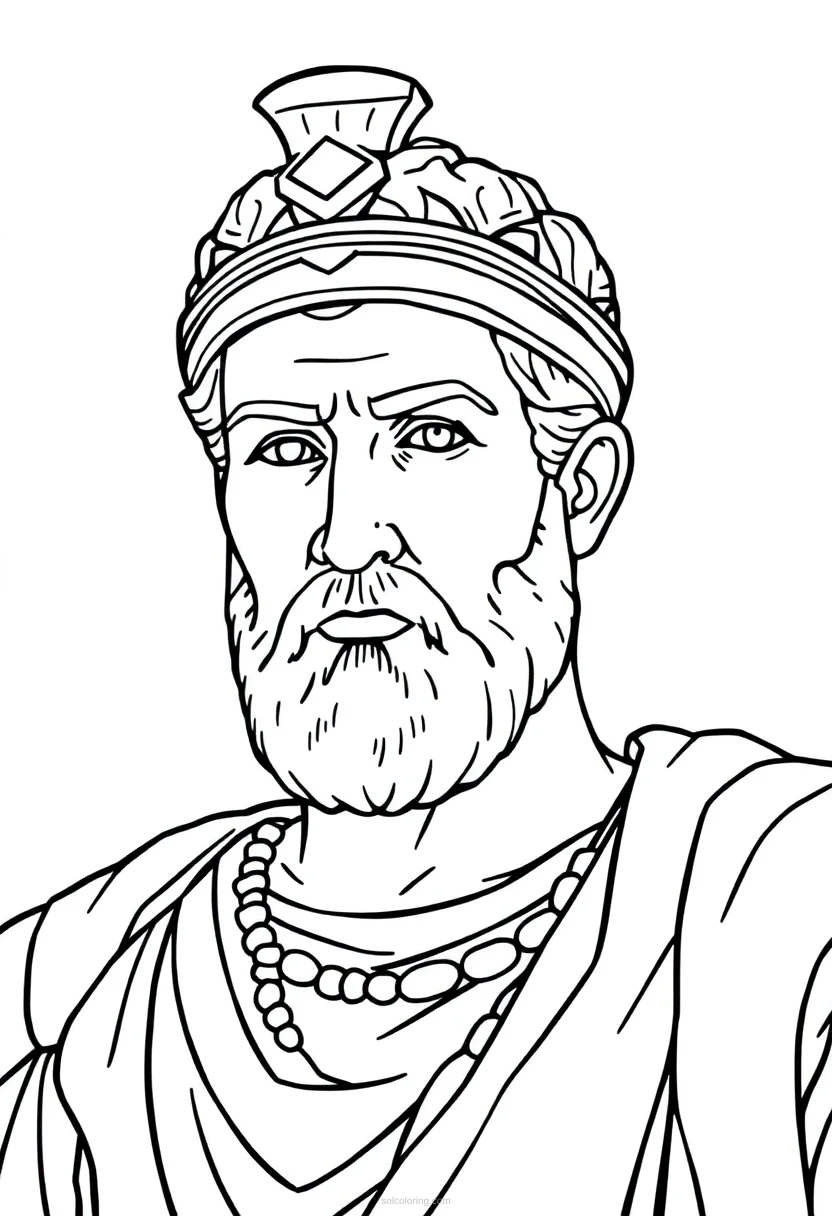
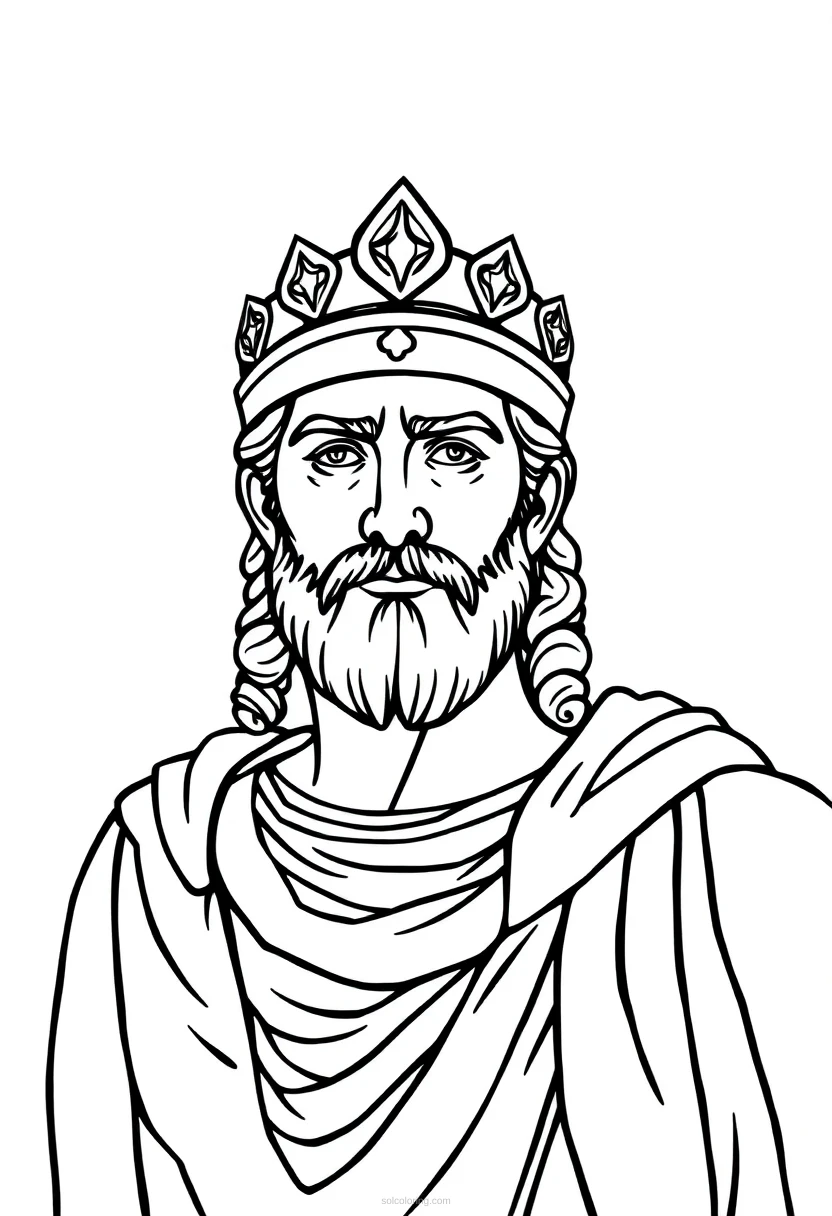
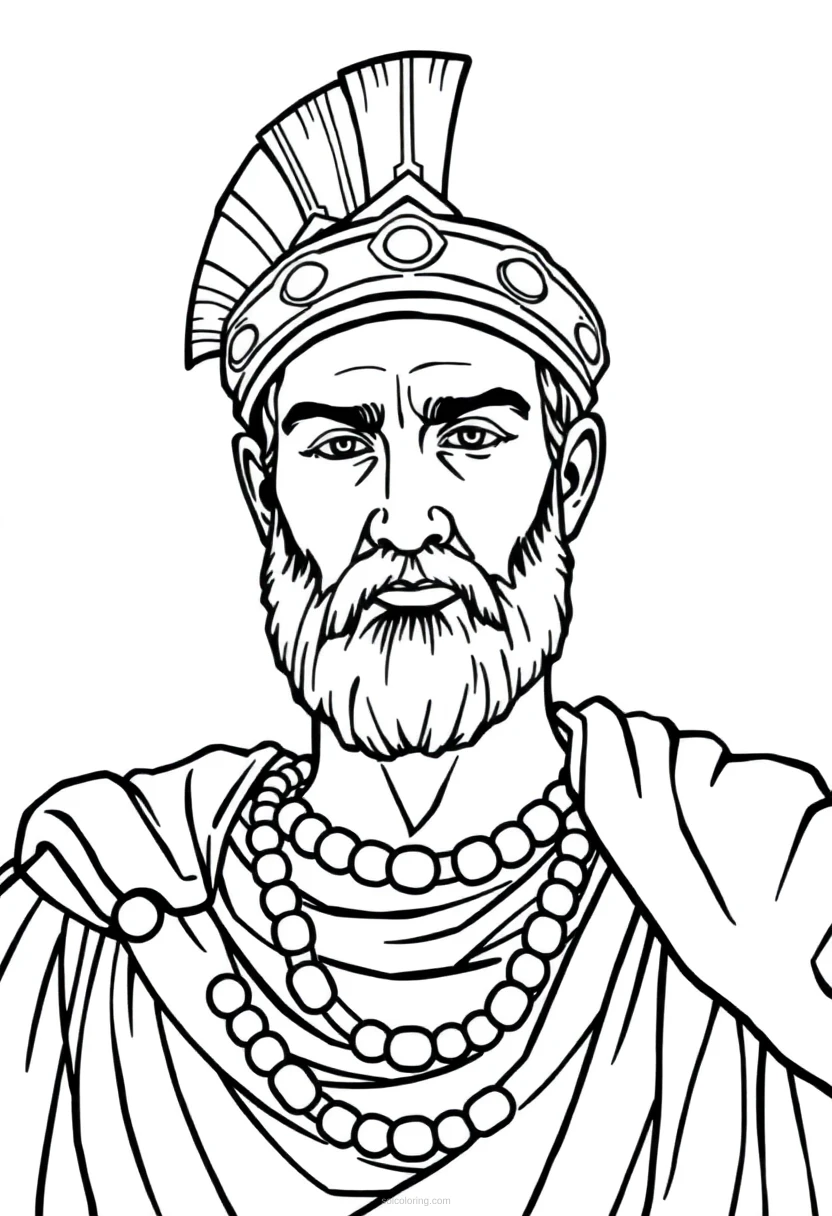
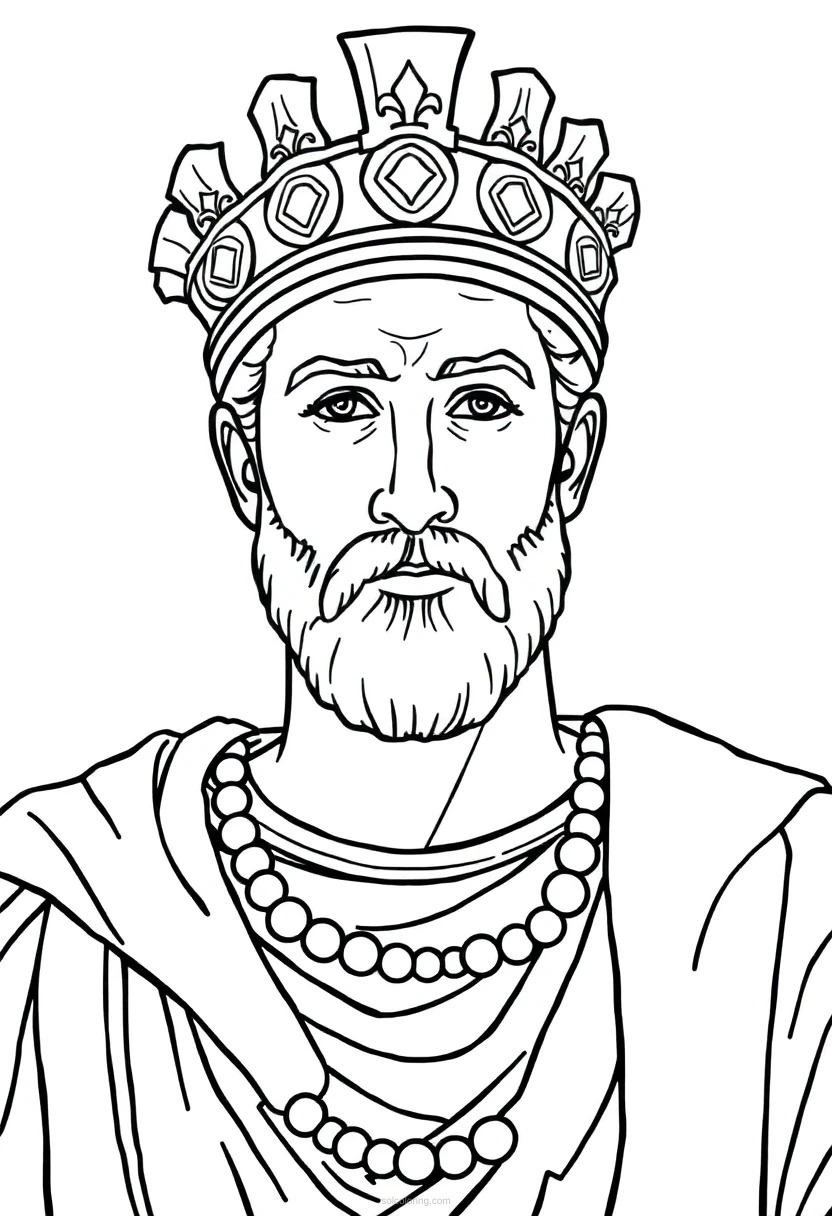
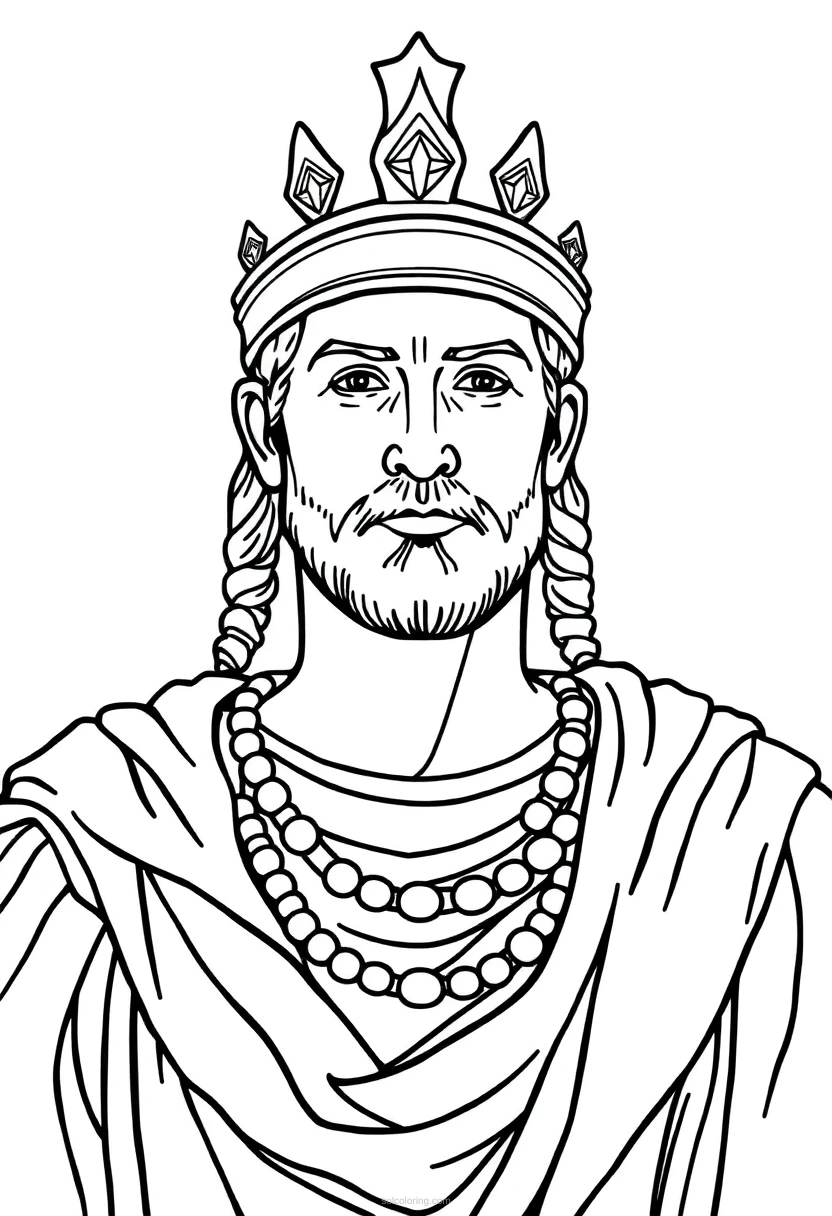
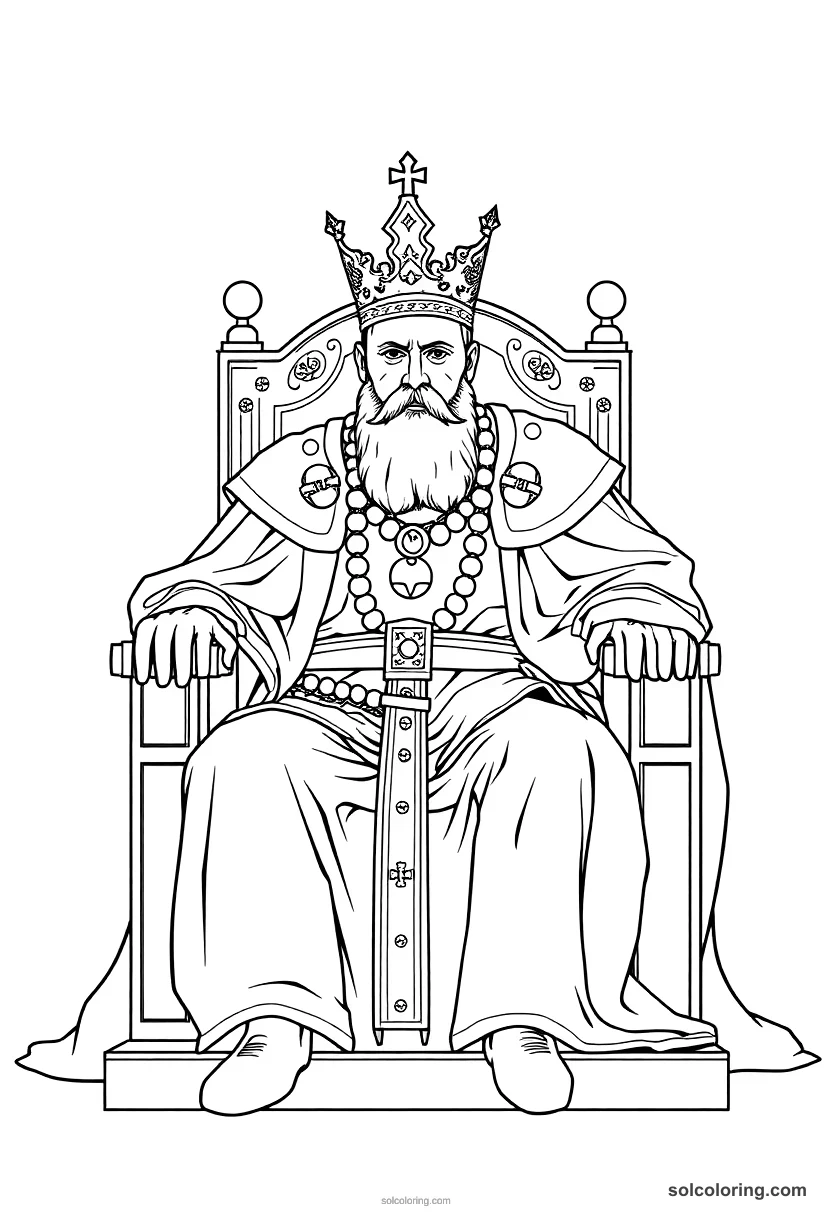
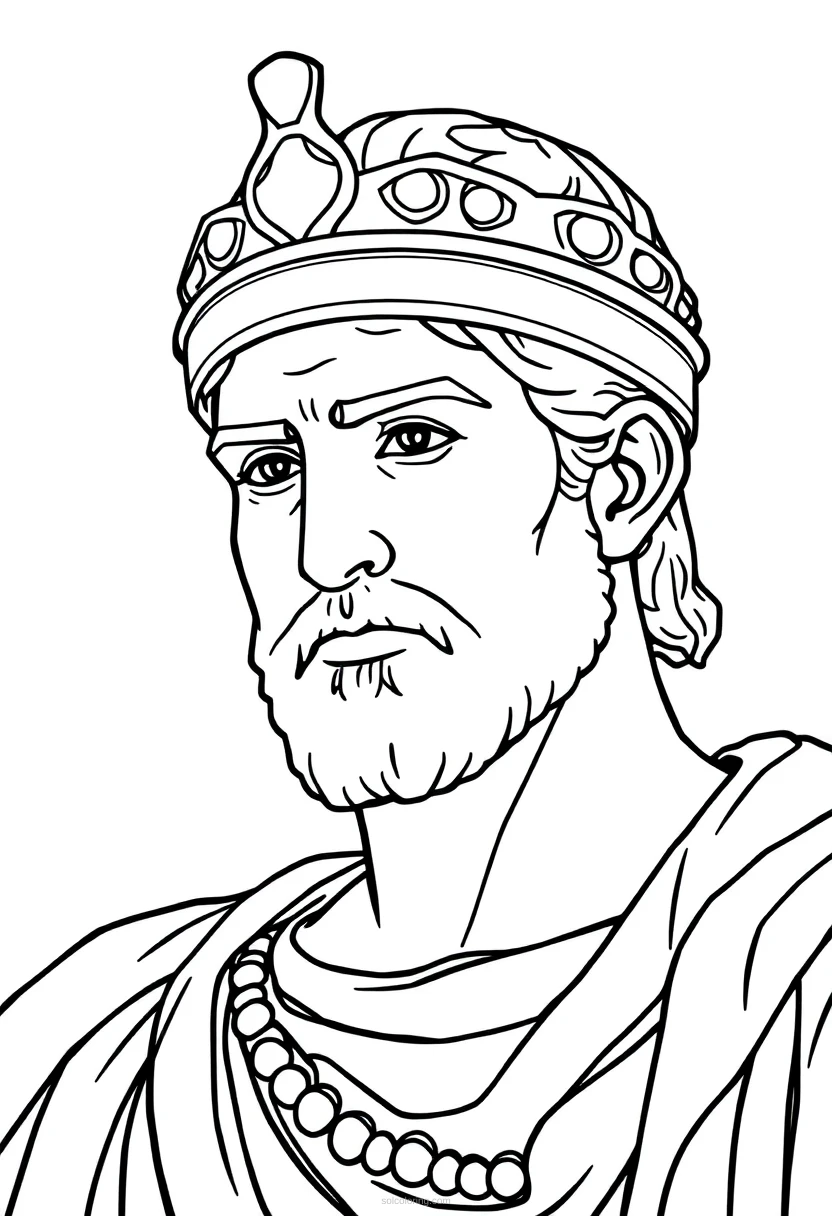
This Roman Emperor coloring page features a majestic ruler wearing traditional Roman imperial robes and a laurel crown, perfect for young historians! The design includes bold, clear outlines that make it easy for children to color while learning about ancient Roman leaders. This free printable coloring page combines education and creativity, helping kids explore world history through art.
Frequently asked
Who was the first Roman Emperor?
Augustus (originally named Octavian) became the first Roman Emperor around 27 BCE after winning a civil war. He transformed Rome from a republic into an empire while keeping the appearance of a republic. Augustus brought peace after decades of fighting and is considered one of history's greatest leaders and administrators.
How did Roman Emperors gain and keep power?
Roman Emperors gained power through military victories, political alliances, and sometimes inheritance. They maintained control by keeping the army loyal through pay and rewards, winning public support with games and entertainment, and governing fairly enough to avoid rebellion. Emperors also had religious authority, as Romans believed they were chosen by the gods.
What was an Emperor's daily life like?
Roman Emperors lived in palatial palaces with hundreds of servants, attended elaborate ceremonies, and made important government decisions. They received petitions from citizens, commanded the military, and participated in religious rituals. Despite their power, emperors faced constant pressure from ambitious generals and political rivals who sometimes plotted against them.
Are these Roman Emperor coloring pages free?
Yes, all our Roman Emperor coloring pages are completely free to download and print. No subscription, registration, or payment required. Simply visit Sol Coloring, select your favorite design, and print it on your home printer anytime you want.
What age are these Roman Emperor coloring pages for?
Our Roman Emperor coloring pages are designed for ages 8 to 14, with varying difficulty levels. Younger children enjoy simpler outlines, while older kids appreciate intricate details like armor, togas, and architectural elements that make the pages more challenging and educational.