Words
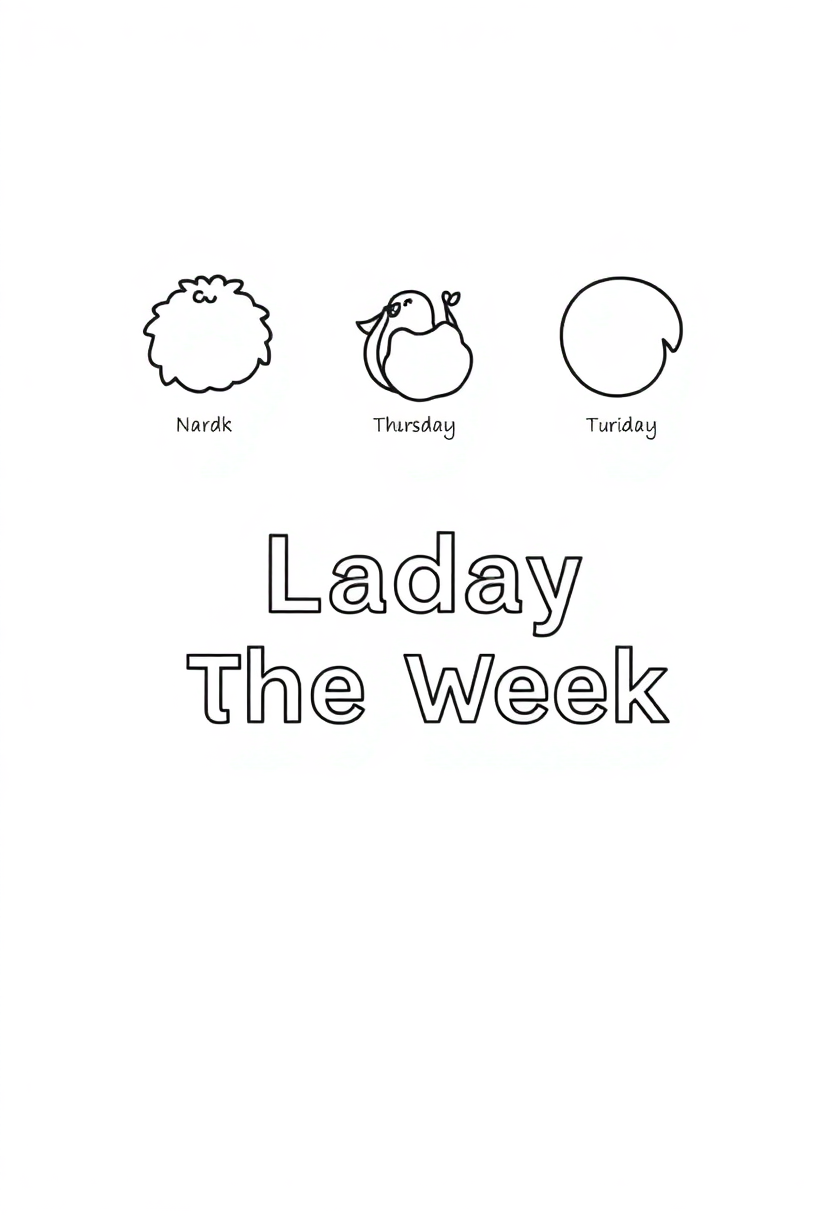
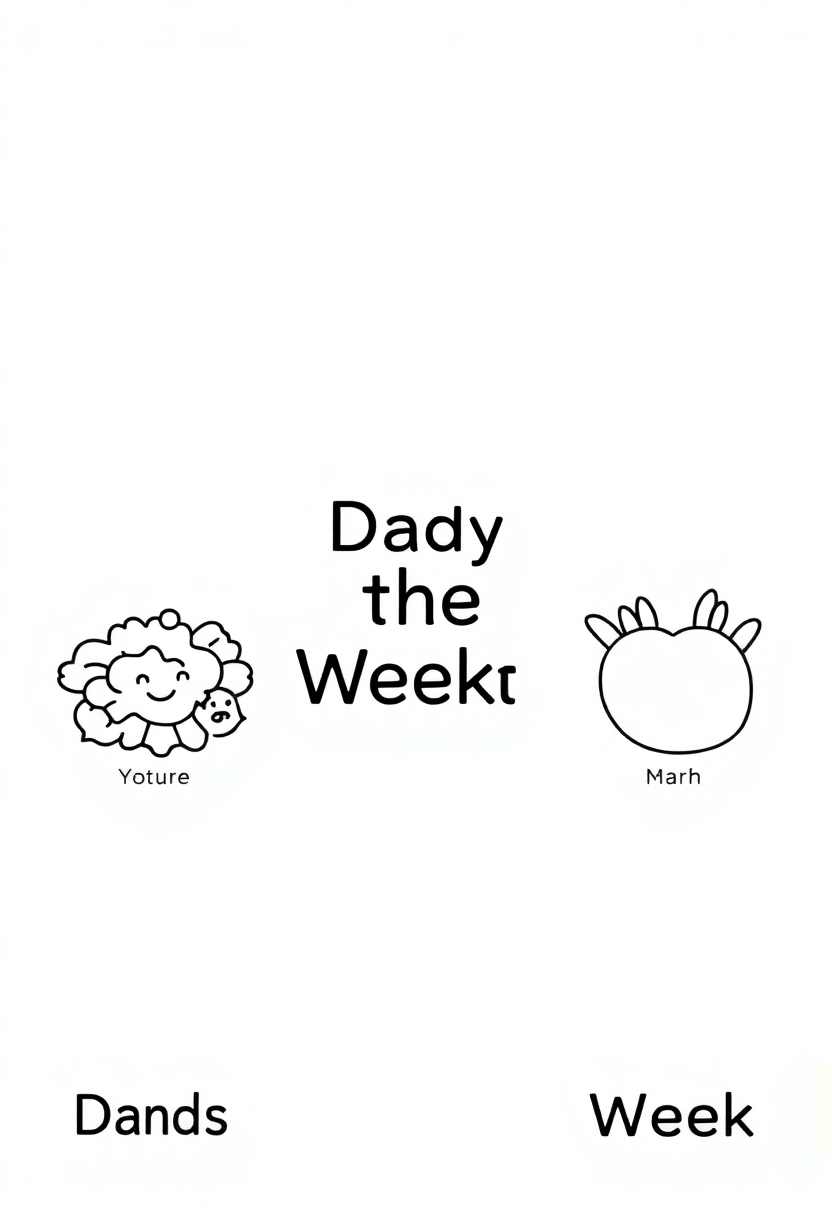
Days of the Week Coloring Page
Standard style
About this coloring page
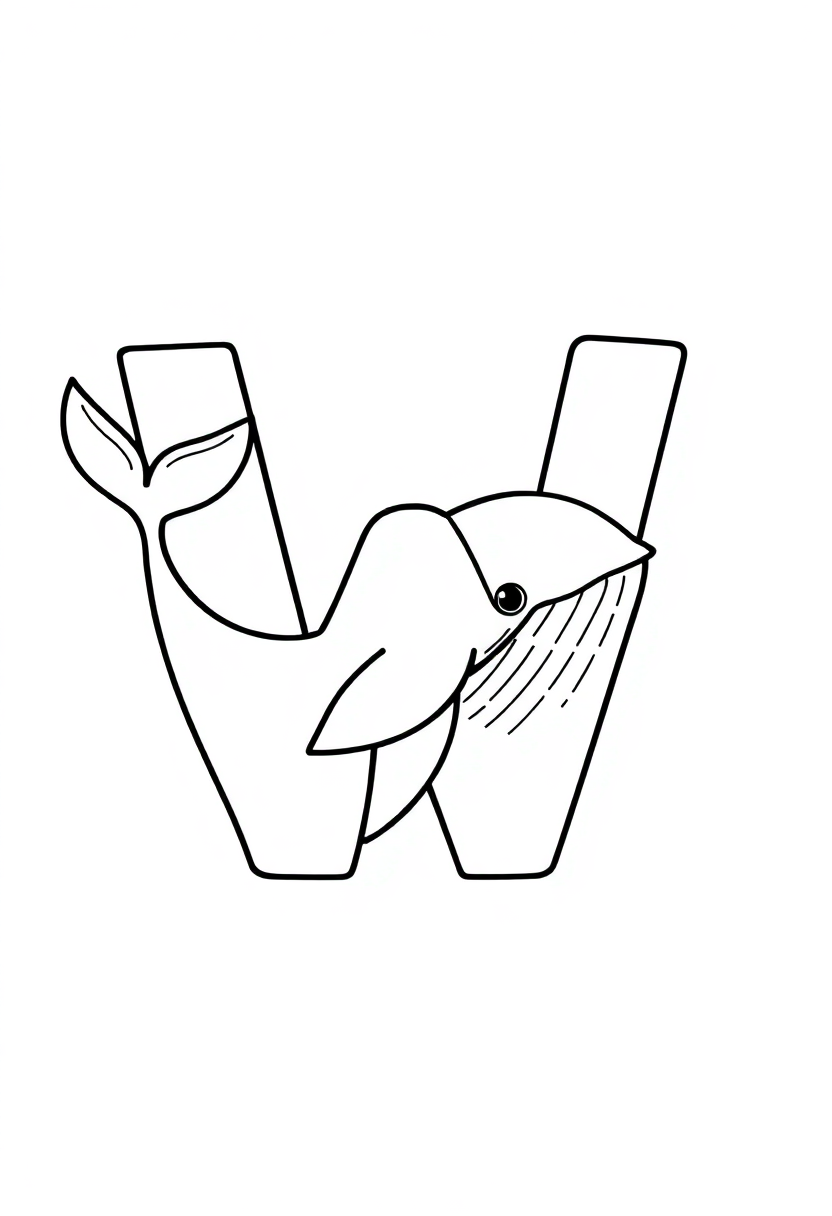
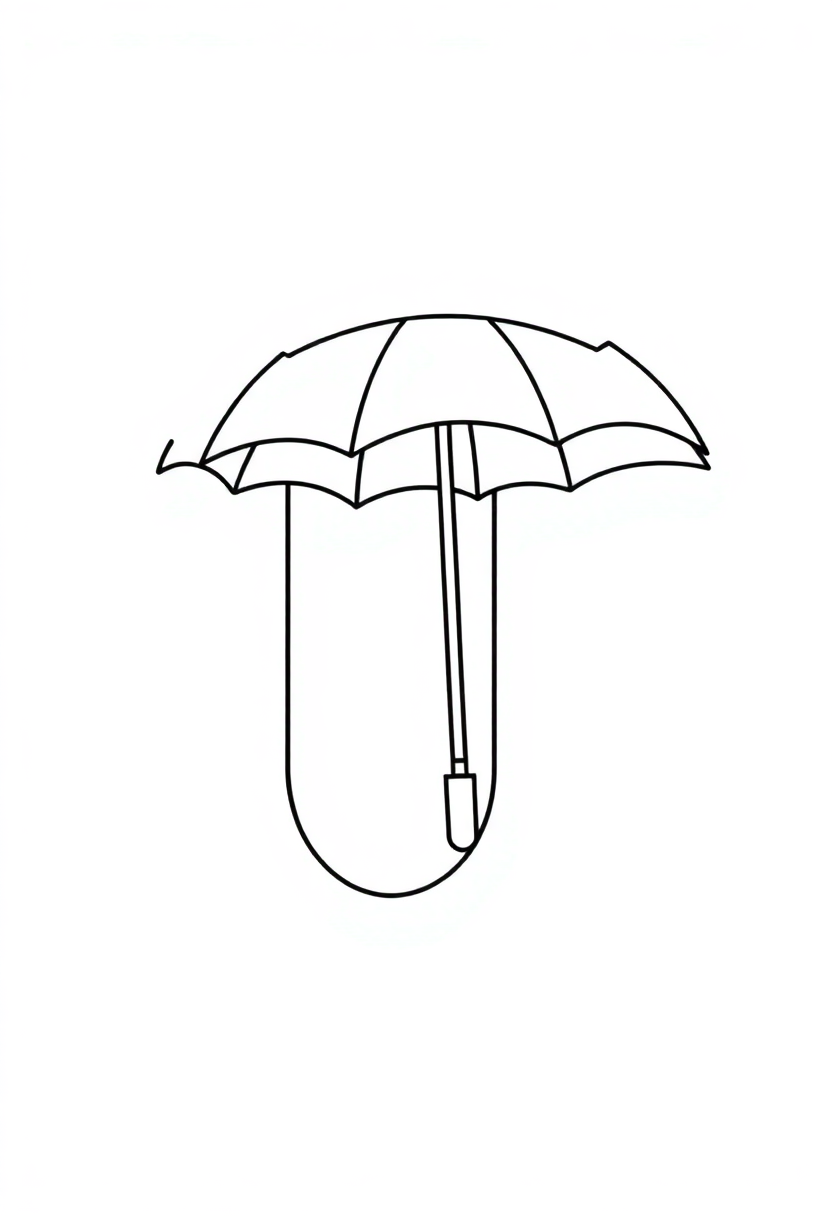
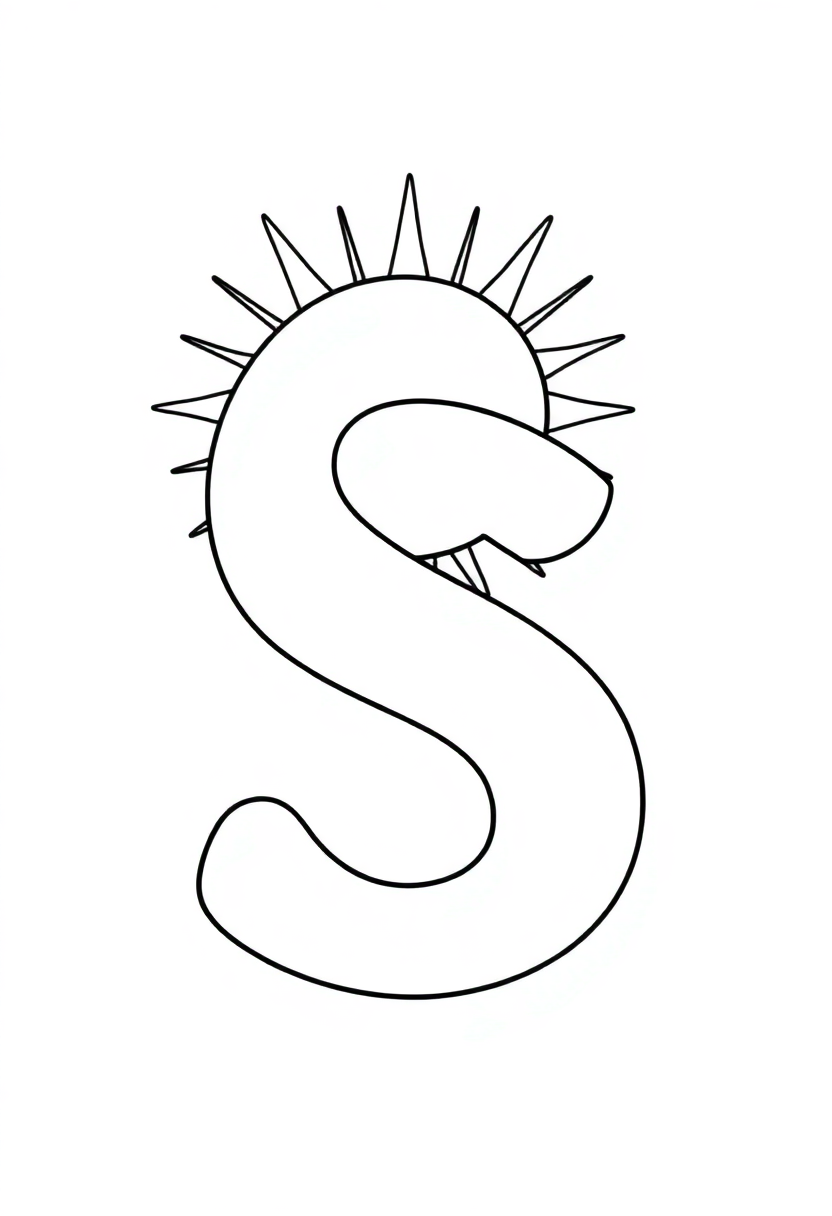
This delightful Days of the Week coloring page features each weekday beautifully arranged in an intricate mandala pattern with decorative borders and swirls. The bold, clear outlines make it perfect for children of all ages to practice reading weekday names while enjoying a relaxing coloring activity. Print this free educational coloring page to help kids learn the days of the week through creative, hands-on fun!
Frequently asked
Why are the days of the week named after planets and gods?
The seven-day week comes from ancient Roman and Germanic cultures. Monday means Moon's day, while Saturday derives from Saturn. Wednesday, Thursday, and Friday come from Norse gods Woden, Thor, and Freya. Tuesday and Sunday honor Mars and the Sun respectively. These names have remained virtually unchanged for over 2,000 years.
How long have humans used seven-day weeks?
Seven-day weeks originated in ancient Mesopotamia around 2,500 years ago. The Babylonians created this system based on the phases of the moon and astronomical observations. This calendar system spread through ancient Rome and became the standard across most of the world today.
Do all countries start their week on Monday?
No, different cultures start their week on different days. Most of Europe and many other regions begin on Monday. However, many countries, including the United States, Canada, and Australia, officially start their week on Sunday. Some Middle Eastern countries begin on Saturday instead.
Are these Days Of The Week coloring pages free?
Yes, absolutely! All our Days Of The Week coloring pages are completely free to download and print. No registration, subscription, or payment required. Simply visit Sol Coloring, select your favorite design, and print it instantly on standard paper at home.
What age are these Days Of The Week coloring pages for?
Our Days Of The Week coloring pages are designed for ages 8 to 14, with varying difficulty levels. Younger children enjoy simple letter designs, while older kids appreciate more detailed patterns and complex letter arrangements that provide creative challenge.