Celtic
Celtic Harp Coloring Pages
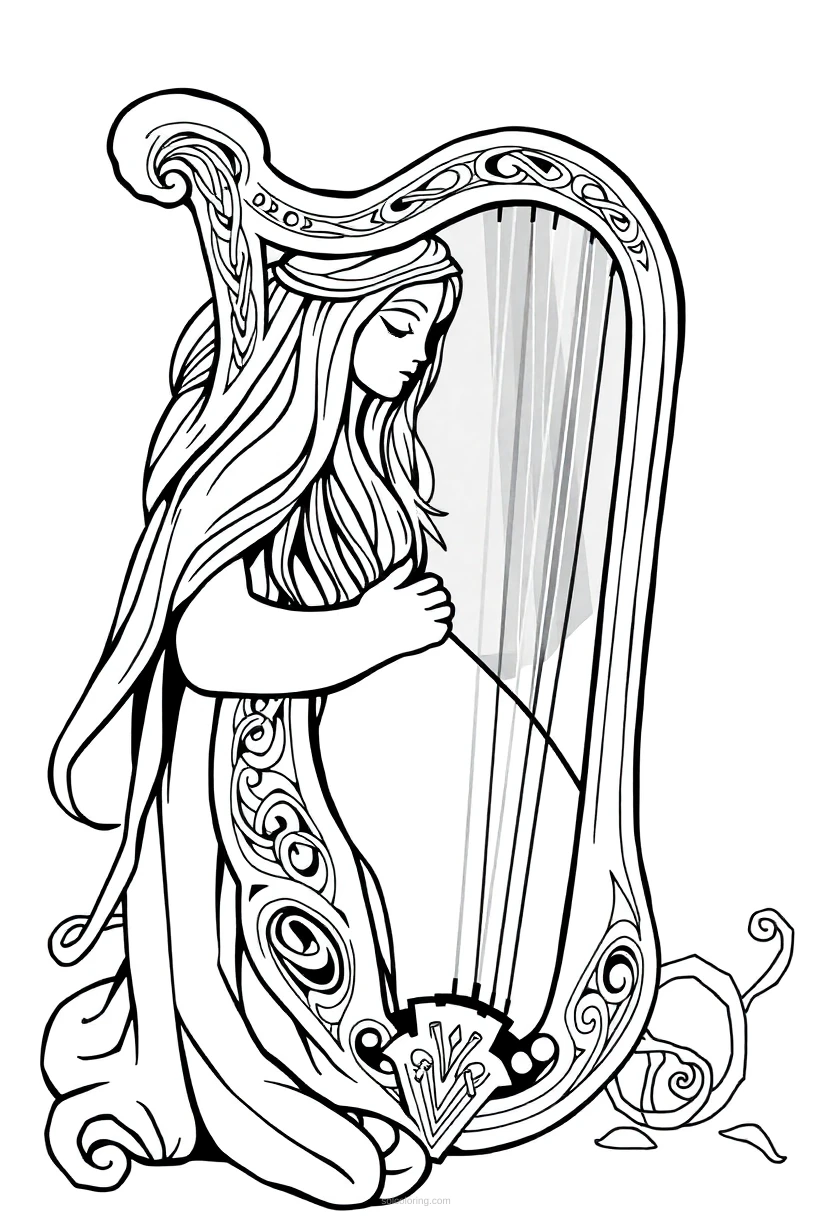
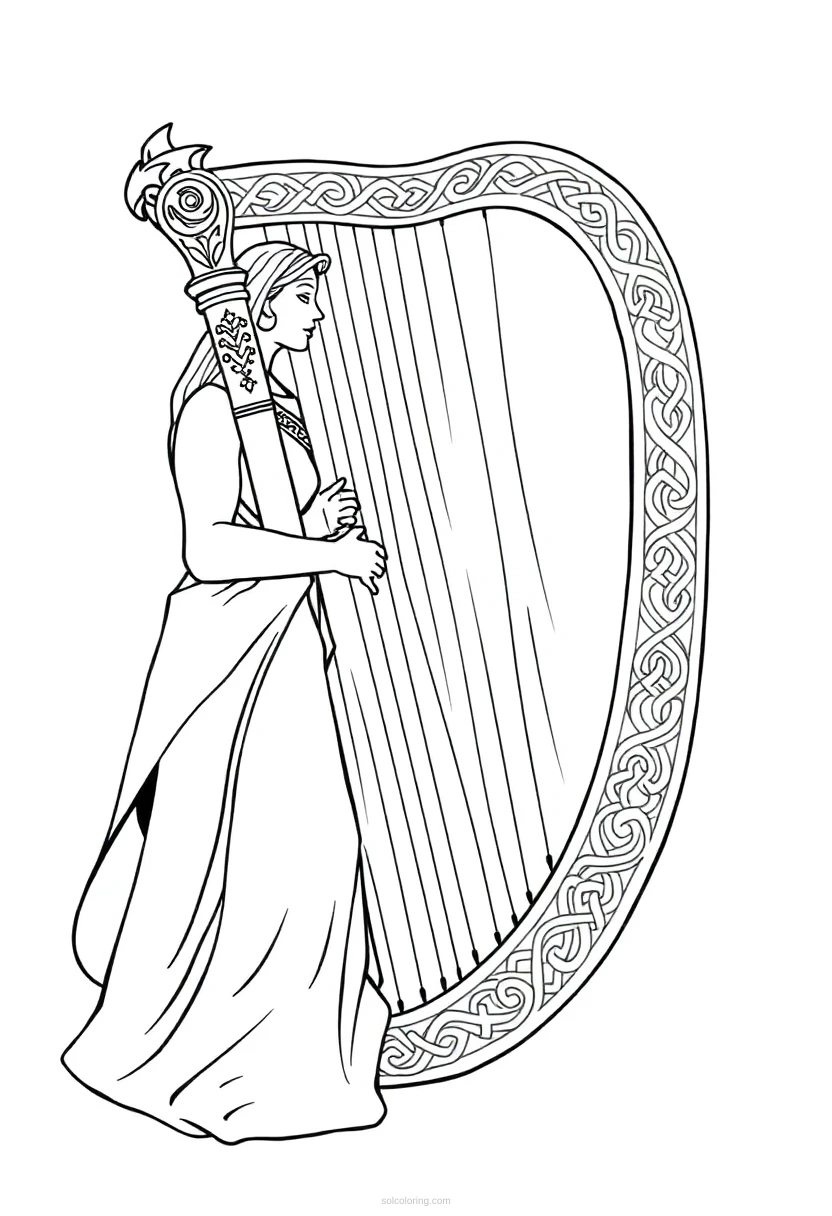
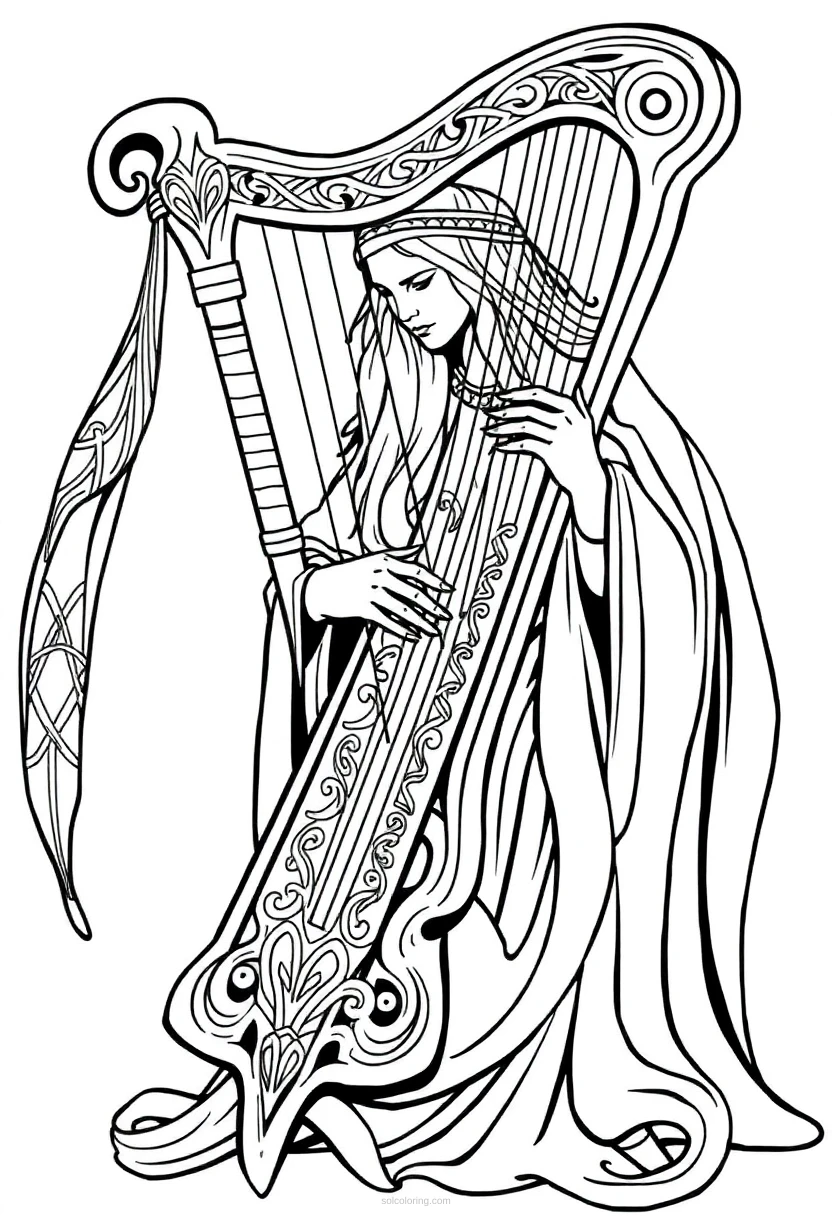
6 free printable designs including Standard, Standard, Standard, Standard and more.
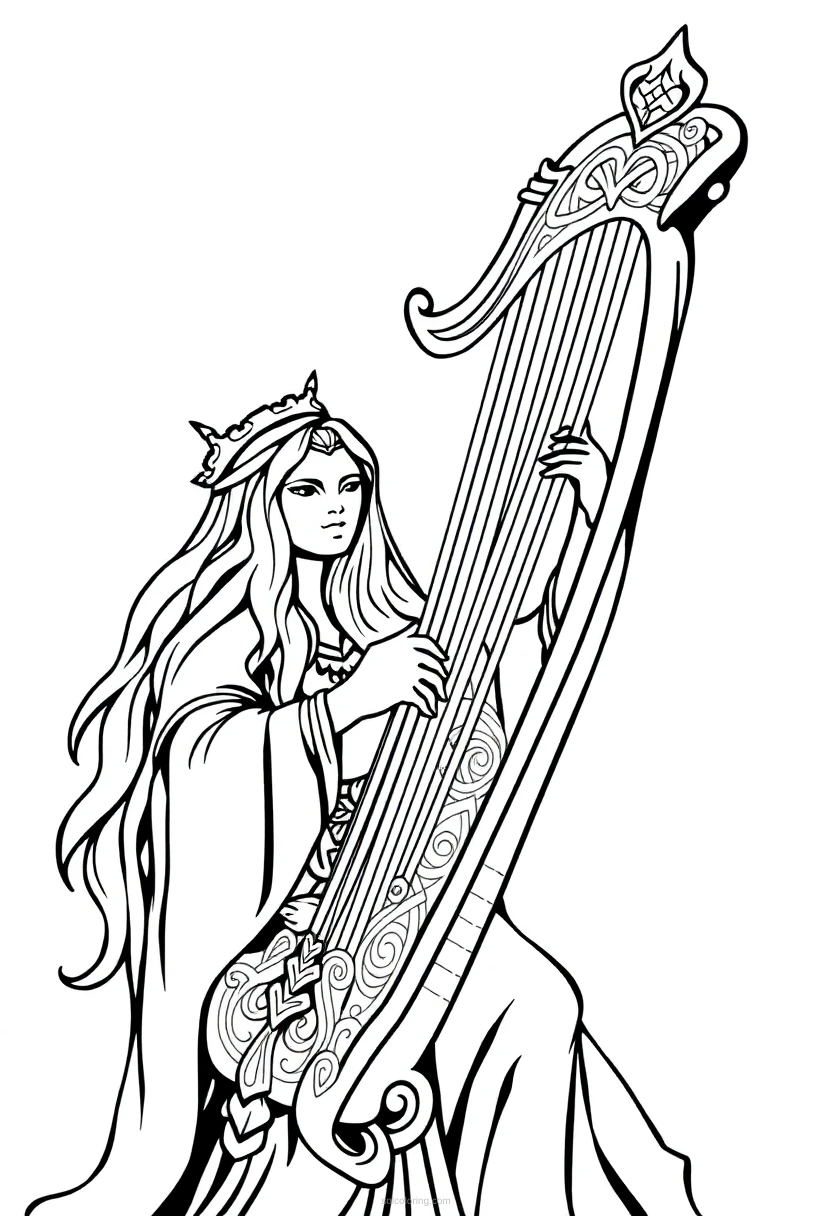
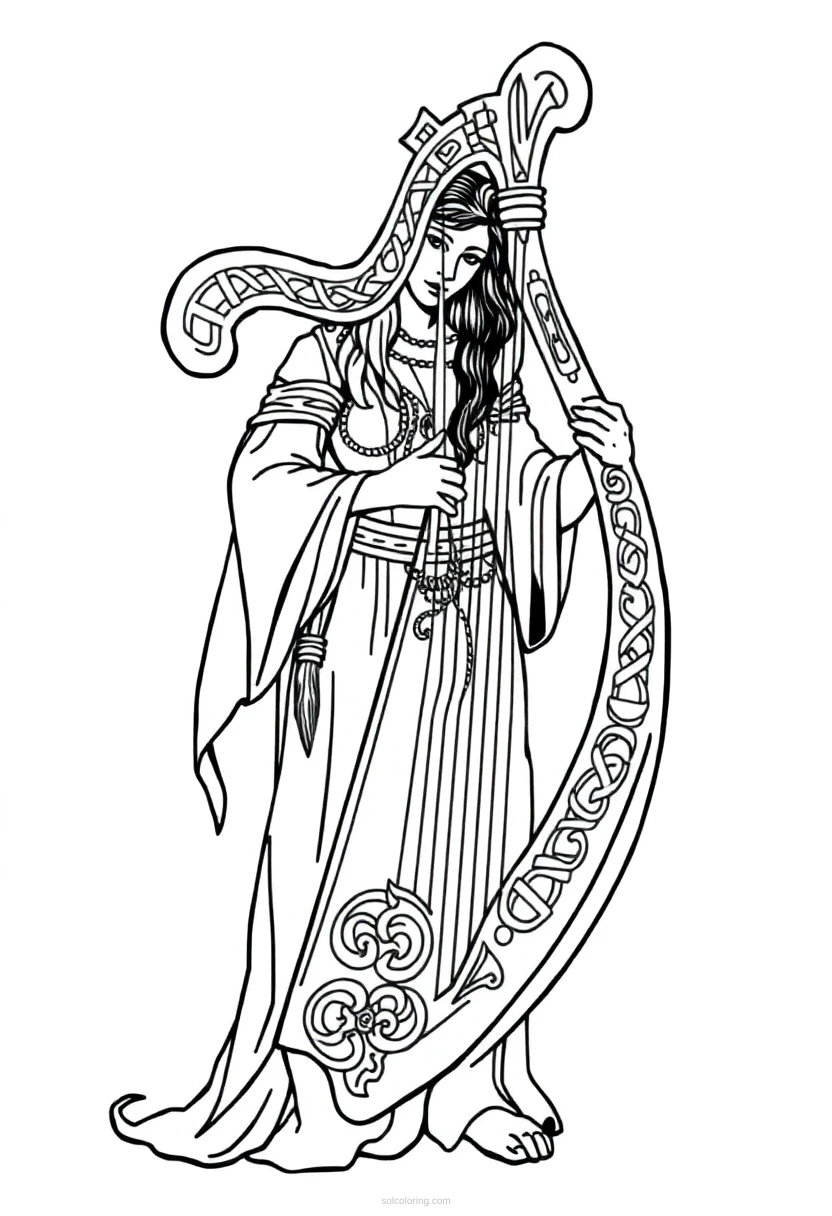
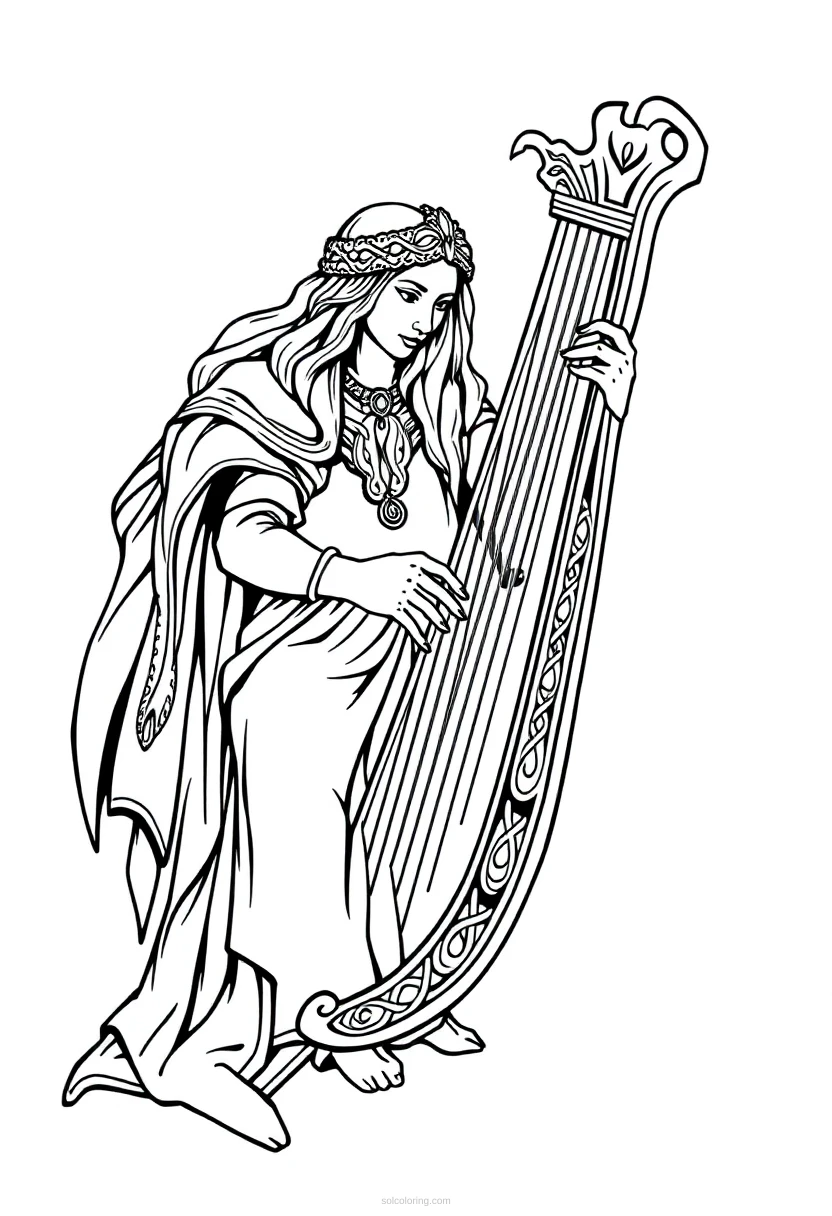
The Celtic harp is one of the most enchanting instruments in mythology and history, symbolizing magic, healing, and ancient wisdom across Irish, Scottish, and Welsh cultures. These beautiful stringed instruments appear throughout Celtic legends, played by gods, fairies, and legendary heroes to cast spells and inspire great deeds. Our free printable coloring page lets you explore the intricate designs and mystical beauty of the Celtic harp. Whether you're interested in mythology, music history, or simply love the elegant curves of this iconic instrument, this free printable coloring page is perfect for creative expression and learning.
Read more →Read less ↑
Choose a style
Did you know?
Fun facts about Celtic Harp
The Celtic harp appears on the Irish coat of arms and is the official national emblem of Ireland, making it one of the few musical instruments to hold such prestigious governmental status.
In Celtic mythology, the god Dagda's magical harp could play three different types of music: one that brought sorrow, one that brought joy, and one that brought sleep.
Ancient Celtic harpers were so respected that they held the same social status as warriors and judges in Celtic society, and harming a harper was considered a serious crime.
The oldest surviving Celtic harp is the 14th-century Trinity College Harp, housed in Dublin and displayed on the Irish one-pound note before the euro was adopted.
Medieval Celtic harps could have strings made from human hair, animal sinew, or plant fibers before metal and nylon strings were invented in modern times.
About Celtic Harp
What is a Celtic harp and how is it different from other harps?
The Celtic harp is a triangular stringed instrument featuring a curved neck and hollow soundboard. Unlike concert grand harps, Celtic harps are smaller and more portable, with typically 22 to 46 strings. The distinctive lever system on Celtic harps allows players to change note pitches, making them uniquely versatile for Celtic music.
Why was the Celtic harp so important in ancient Celtic culture?
The Celtic harp held sacred significance in ancient Celtic society, considered a bridge between the earthly and spiritual worlds. Harpers were highly respected court musicians and storytellers who preserved history through music. In Celtic mythology, harps possessed magical powers: the god Dagda's harp could control emotions and seasons.
What famous Celtic myths and legends feature harps?
Many legendary tales showcase magical harps. The Irish god Dagda's golden harp was so powerful it could heal wounds and inspire courage. In Welsh mythology, Gwydion played an enchanted harp. Celtic folklore tells of fairy harpers whose music could entrance mortals or grant wishes, making the harp a symbol of magic and wonder.
How do Celtic harps create such beautiful music?
Celtic harps produce warm, resonant tones through vibrating strings of varying lengths. Shorter strings create higher notes, while longer strings produce deeper tones. Players pluck the strings with both hands, creating cascading melodies. The wooden soundboard amplifies vibrations, creating the characteristic shimmering, magical quality beloved in Celtic music.
Are Celtic harps still played today?
Absolutely! Celtic harps remain popular worldwide, featured in contemporary folk music, film soundtracks, and world music performances. Modern harpers blend traditional Celtic techniques with new compositions. Beginners and professionals alike enjoy learning this ancient instrument, keeping the musical heritage alive for new generations.
What materials were traditional Celtic harps made from?
Ancient Celtic harps were crafted from quality woods: oak or ash for the frame, and maple, spruce, or holly for soundboards. Strings were historically made from animal gut, later replaced by nylon or steel. These natural materials contributed to the warm, enchanting tones that made Celtic harps legendary in ancient times.
More Celtic coloring pages
Coloring page FAQs
Are these Celtic Harp coloring pages free?
Yes! All Celtic Harp coloring pages on Sol Coloring are completely free to download and print. Simply visit our website, select your favorite design, and print it instantly on standard A4 or Letter paper. No membership, subscription, or sign-up is required.
What age are these Celtic Harp coloring pages for?
Our Celtic Harp coloring pages are designed for ages 8 to 14, with varying difficulty levels. Younger children enjoy simpler, bold designs with larger areas to color, while older kids appreciate intricate Celtic knot patterns and detailed harp strings for a creative challenge.
How do I print these Celtic Harp coloring pages?
Printing is simple and straightforward. Download the PDF file from Sol Coloring, open it on your computer or device, and click print. Choose your paper size (A4 or Letter), adjust settings as needed, and print from any home printer. No special software or registration required.